
PCOD is a common concern among women, particularly during the reproductive years. Irregular periods, changes in weight, acne, unwanted hair growth, hair thinning, and difficulty with ovulation can affect physical health as well as emotional well-being. For women looking for natural approaches, Ayurvedic medicine is often considered alongside nutrition, exercise, stress management, and appropriate medical care.
It is important to understand that PCOD and PCOS are not simply problems that can be permanently “cured” with one tablet or syrup. PCOS is a chronic hormonal and metabolic condition, and management generally focuses on controlling symptoms, supporting fertility when desired, and reducing longer-term health risks.
This guide explains how PCOD medicine in Ayurveda, healthy lifestyle habits, and women's wellness practices can fit into a responsible approach to PCOD management.
What Is PCOD?
PCOD is a term commonly used in India to describe hormonal and ovarian problems associated with irregular ovulation and menstrual cycles. PCOS, or Polycystic Ovary Syndrome, is the medically recognized hormonal condition characterized by features such as irregular ovulation, higher androgen levels, and sometimes polycystic-appearing ovaries.
PCOS can affect women differently. Some experience irregular periods, while others may primarily notice acne, excess facial hair, hair thinning, weight-management difficulties, or fertility concerns.
Because similar symptoms can occur with thyroid disorders, elevated prolactin, certain medications, and other conditions, proper evaluation is important before starting treatment.
Common PCOD Symptoms
Women experiencing PCOD or PCOS may notice:
- Irregular or delayed periods
- Infrequent menstrual cycles
- Acne or oily skin
- Excess facial or body hair
- Hair thinning or hair loss
- Difficulty with ovulation
- Weight-management challenges
- Mood changes
- Fertility concerns
Not every woman will experience all of these symptoms.
Understanding PCOD Through Ayurveda
Ayurveda takes a holistic approach to health and traditionally considers factors such as an individual's constitution, digestion, lifestyle, diet, activity, and mental well-being.
From an Ayurvedic perspective, women's reproductive health is considered in relation to overall balance rather than treating the reproductive system in isolation.
An Ayurvedic wellness plan may therefore include:
- Traditional herbal preparations
- Balanced nutrition
- Regular physical activity
- Yoga and breathing practices
- Stress management
- Consistent sleep
- Daily routines
However, scientific evidence supporting Ayurvedic treatments for PCOS specifically remains limited. Therefore, Ayurvedic products should be viewed carefully as complementary options rather than replacements for established medical treatment.
Ayurvedic Medicine for PCOD
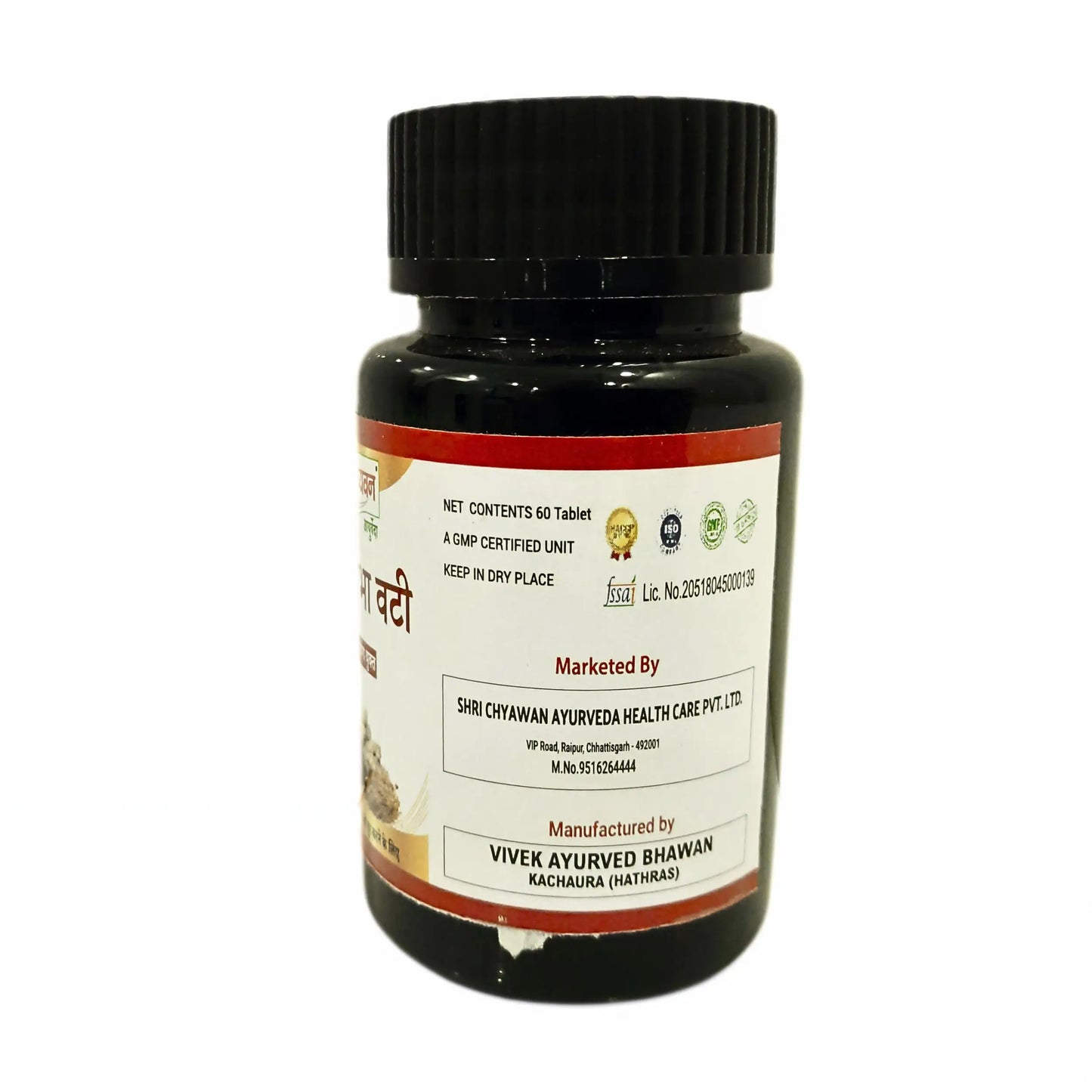
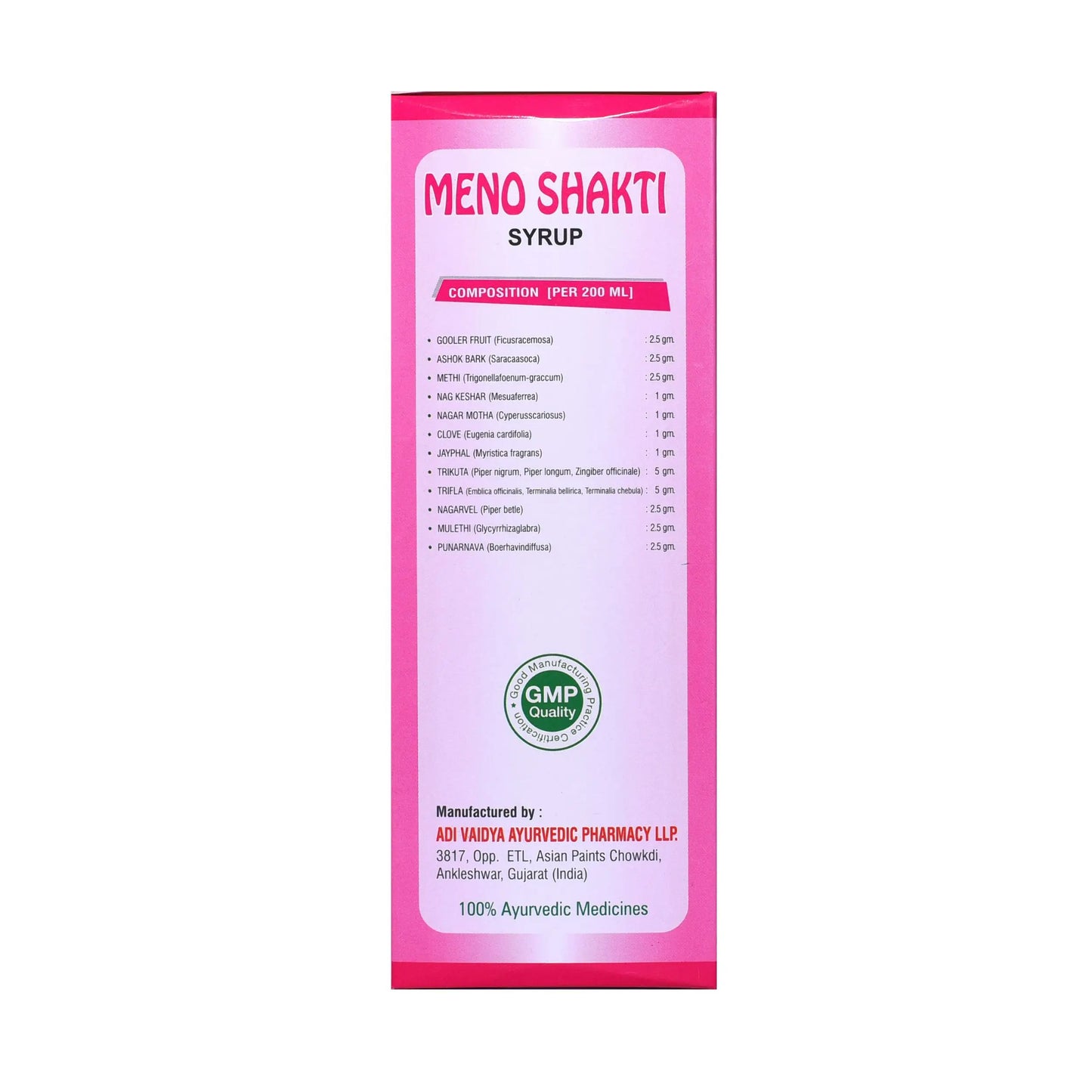
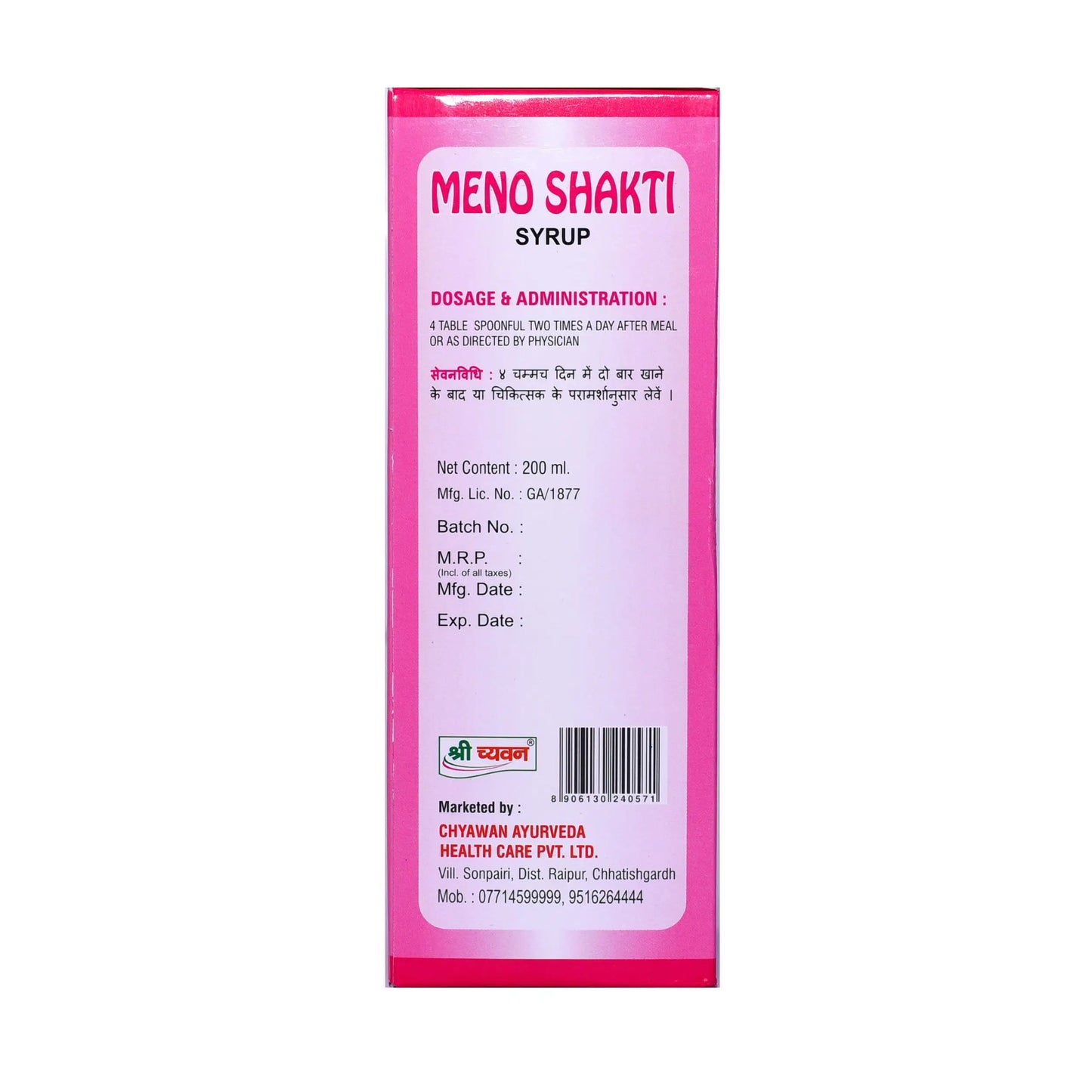
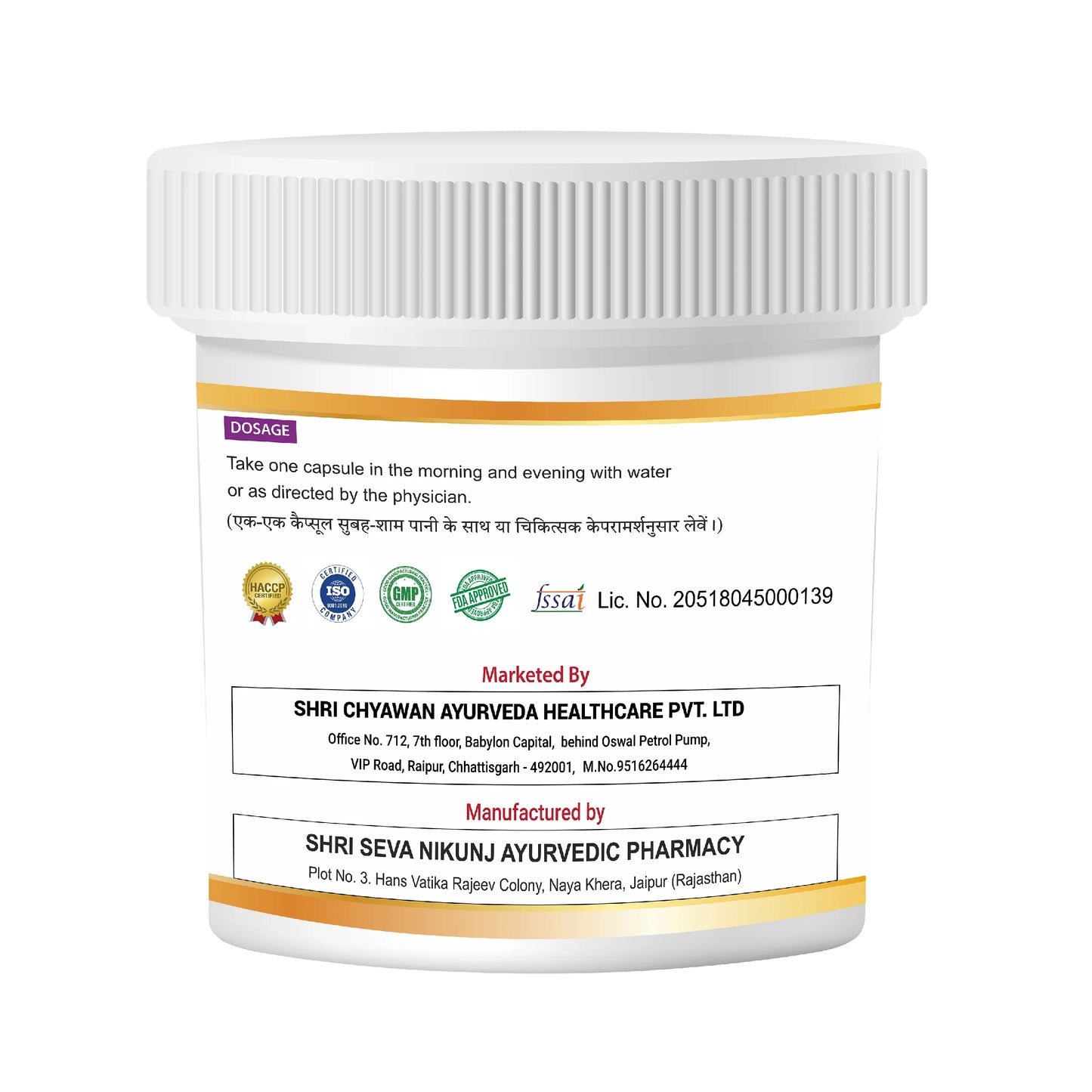
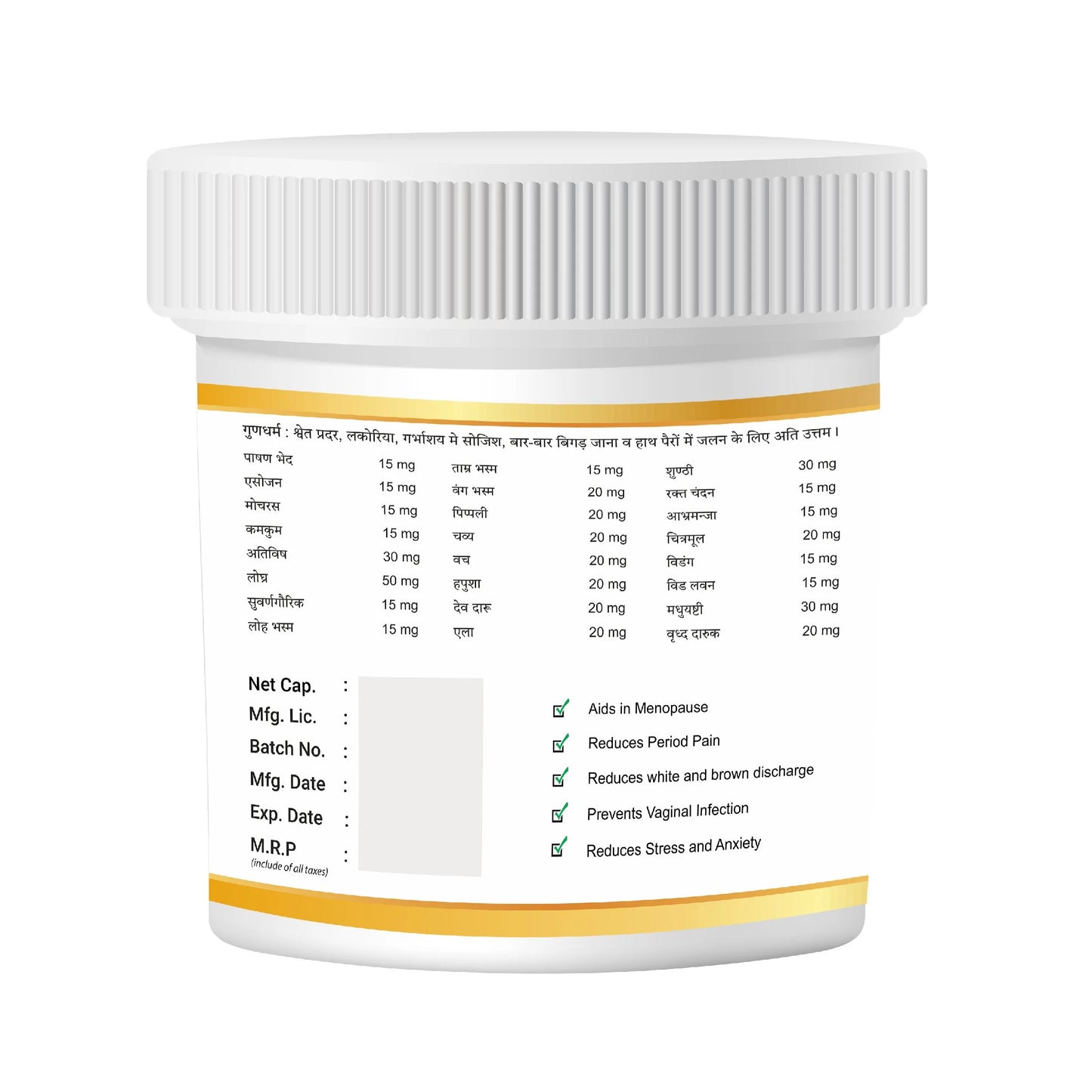
When searching for best Ayurvedic medicine for PCOD, women may come across tablets, capsules, syrups, powders, and herbal combinations containing traditional Ayurvedic ingredients.
Commonly used herbs in women's Ayurvedic formulations include ingredients such as Shatavari, Ashoka, Lodhra, and Ashwagandha. Their traditional use should not automatically be interpreted as proof that they can treat or cure PCOD.
The right product depends on individual health requirements, existing medications, age, pregnancy status, and the formulation itself.
Why Professional Guidance Matters
Herbal products can interact with medicines, and some Ayurvedic preparations may contain potentially harmful metals or minerals. The National Center for Complementary and Integrative Health notes that some Ayurvedic preparations have been found to contain lead, mercury, or arsenic.
Therefore, choose products from reputable manufacturers and discuss herbal medicines with a qualified healthcare professional when appropriate.

Best Ayurvedic Medicine for PCOD Problem
There is no single Ayurvedic medicine that can be considered the best medicine for PCOD problem for every woman.
A responsible selection should consider:
Ingredient Quality
Read the complete ingredient list and understand the formulation before use.
Manufacturer Reputation
Choose products from established manufacturers with clear labeling, batch details, and quality information.
Individual Health Needs
A product suitable for one woman may not be appropriate for another.
Existing Medication
Always consider possible herb-drug interactions, particularly if you are taking medicines for diabetes, blood pressure, thyroid conditions, fertility, or other health concerns.
Lifestyle Changes for PCOD
Lifestyle management is an important part of PCOS care. WHO recommends healthy eating and physical activity for women with PCOS, even when these changes do not result in weight loss.
1. Focus on Balanced Nutrition
A nutritious diet can support metabolic and overall health.
Include:
- Vegetables
- Whole grains
- Pulses and legumes
- Fruits
- Nuts and seeds
- Quality protein sources
- Adequate water
Try to reduce excessive intake of highly processed foods, sugary drinks, and foods high in added sugar.
Rather than following extreme diets, focus on sustainable eating habits that you can maintain over the long term.
2. Stay Physically Active
Regular movement is valuable for women with PCOD.
Activities can include:
- Brisk walking
- Cycling
- Swimming
- Strength training
- Yoga
- Dancing
The best exercise is one that fits your routine and can be performed consistently.
3. Maintain a Regular Sleep Schedule
Sleep is an important part of overall hormonal and metabolic wellness.
Try to:
- Sleep and wake at consistent times
- Reduce excessive screen use before bedtime
- Keep the bedroom comfortable and quiet
- Avoid excessive caffeine late in the day
4. Manage Stress
Long-term stress can affect overall well-being and make healthy routines more difficult to maintain.
Consider incorporating:
- Meditation
- Deep breathing
- Yoga
- Walking
- Relaxation exercises
- Hobbies and social activities
These practices can complement medical and lifestyle management.

Ayurveda for Women's Health Beyond PCOD
Ayurvedic medicine for women health is not limited to menstrual concerns. Ayurveda traditionally emphasizes maintaining wellness through different stages of a woman's life.
A holistic approach may consider:
- Menstrual wellness
- Nutrition
- Digestion
- Energy levels
- Stress management
- Sleep
- Reproductive health
- Menopause wellness
This broader approach can encourage women to focus on overall health rather than relying exclusively on a single product.
Ayurvedic Medicine for Female Hormonal Imbalance
Hormonal imbalance can have multiple causes. PCOS is one possibility, but thyroid disorders, menopause, pregnancy, certain medications, and other medical conditions can also affect menstrual patterns and hormone levels.
Therefore, symptoms such as persistent irregular periods should not automatically be attributed to PCOD.
Ayurvedic herbal products may be considered as complementary wellness support, but diagnosis should come first. A healthcare professional can determine whether blood tests, ultrasound, or other investigations are appropriate.
Conclusion
Ayurvedic medicine can be part of a broader women's wellness strategy, but it should not be promoted as a guaranteed cure or one-size-fits-all solution. PCOD and PCOS require an individualized approach that considers menstrual health, metabolic factors, nutrition, physical activity, stress, and reproductive goals.
For women in India interested in Ayurvedic medicine for PCOD, the best approach is to choose quality products carefully, seek professional guidance when necessary, and combine traditional wellness practices with healthy lifestyle habits and appropriate medical monitoring.
A sustainable routine built around nutritious food, regular movement, adequate sleep, stress management, and informed healthcare decisions can provide a stronger foundation for long-term women's wellness.