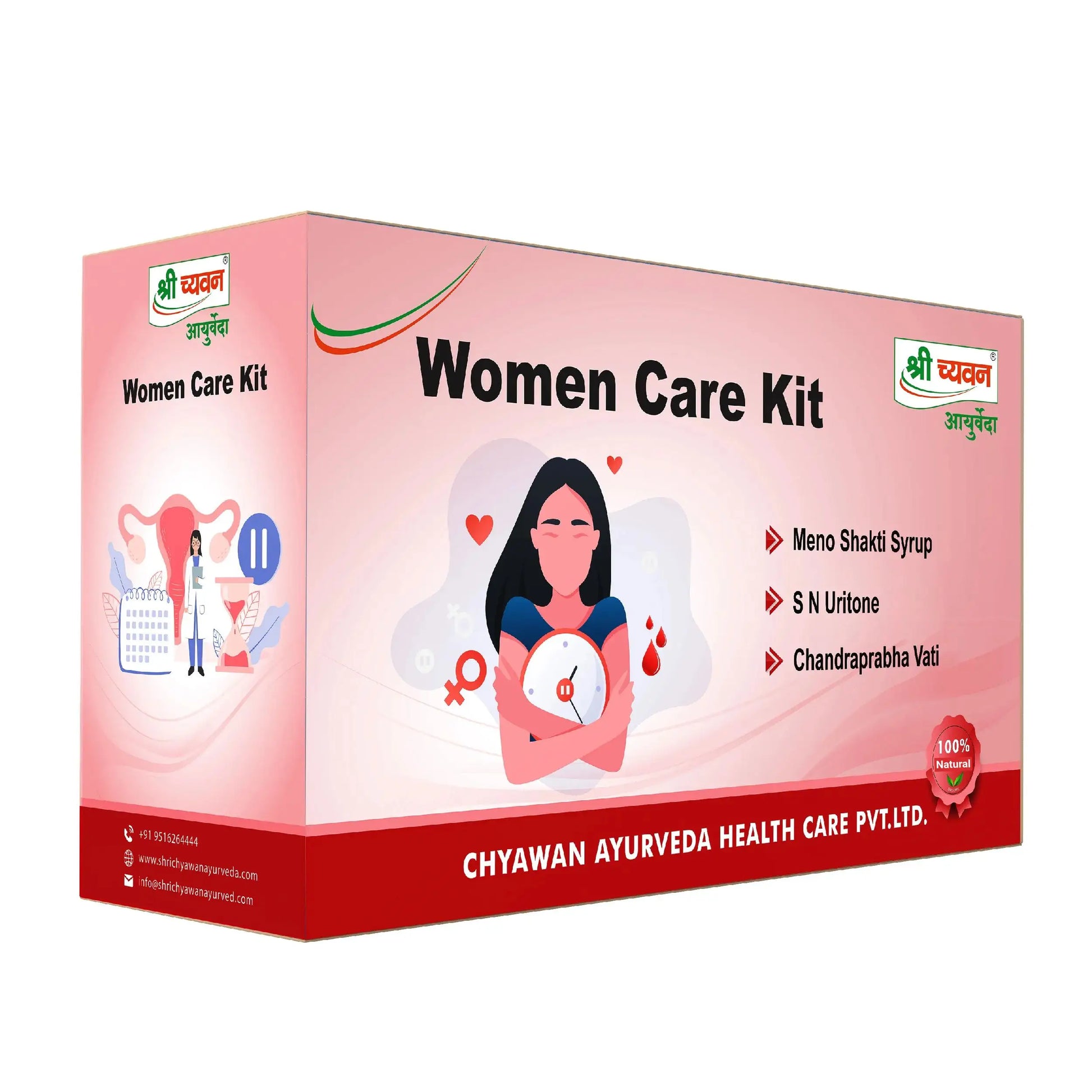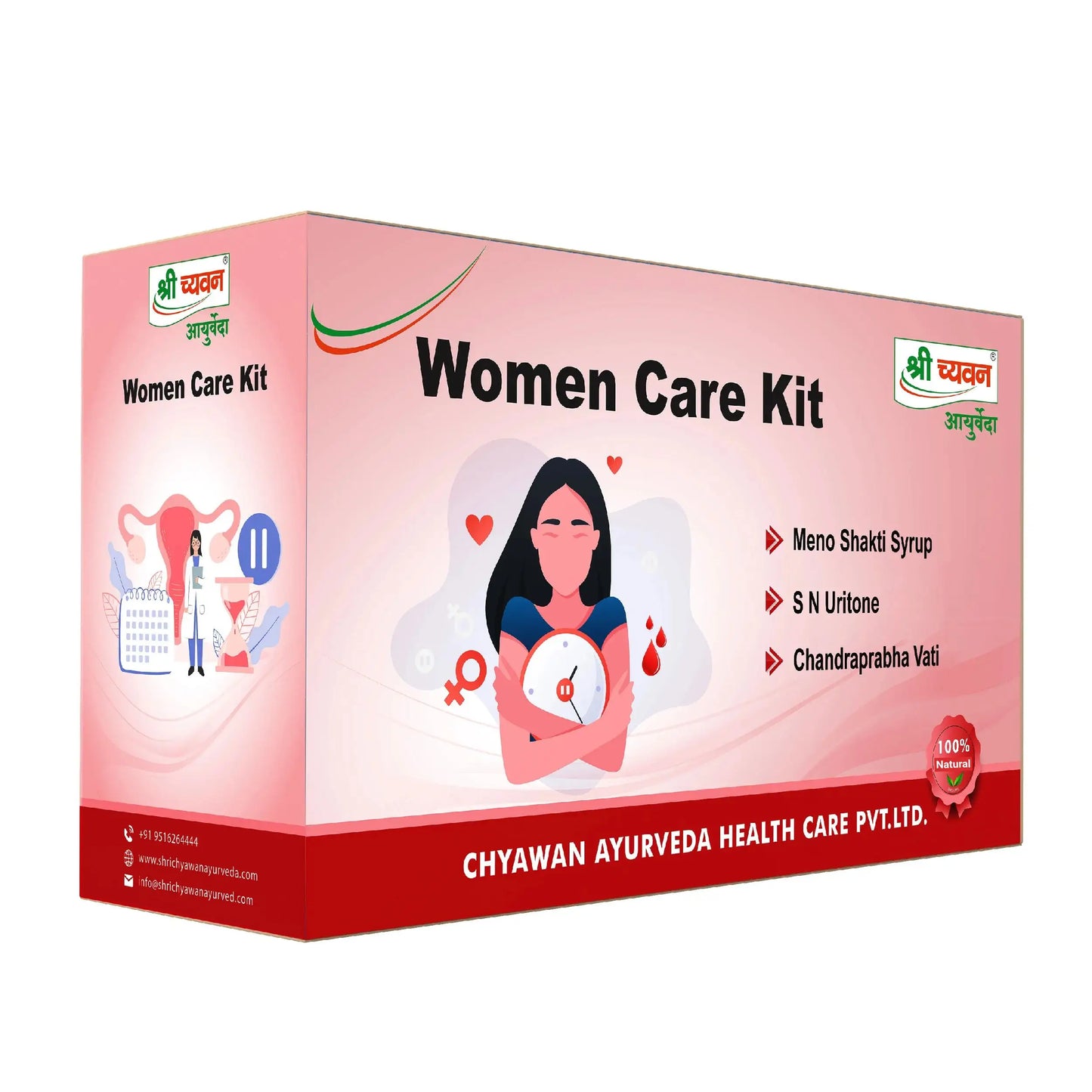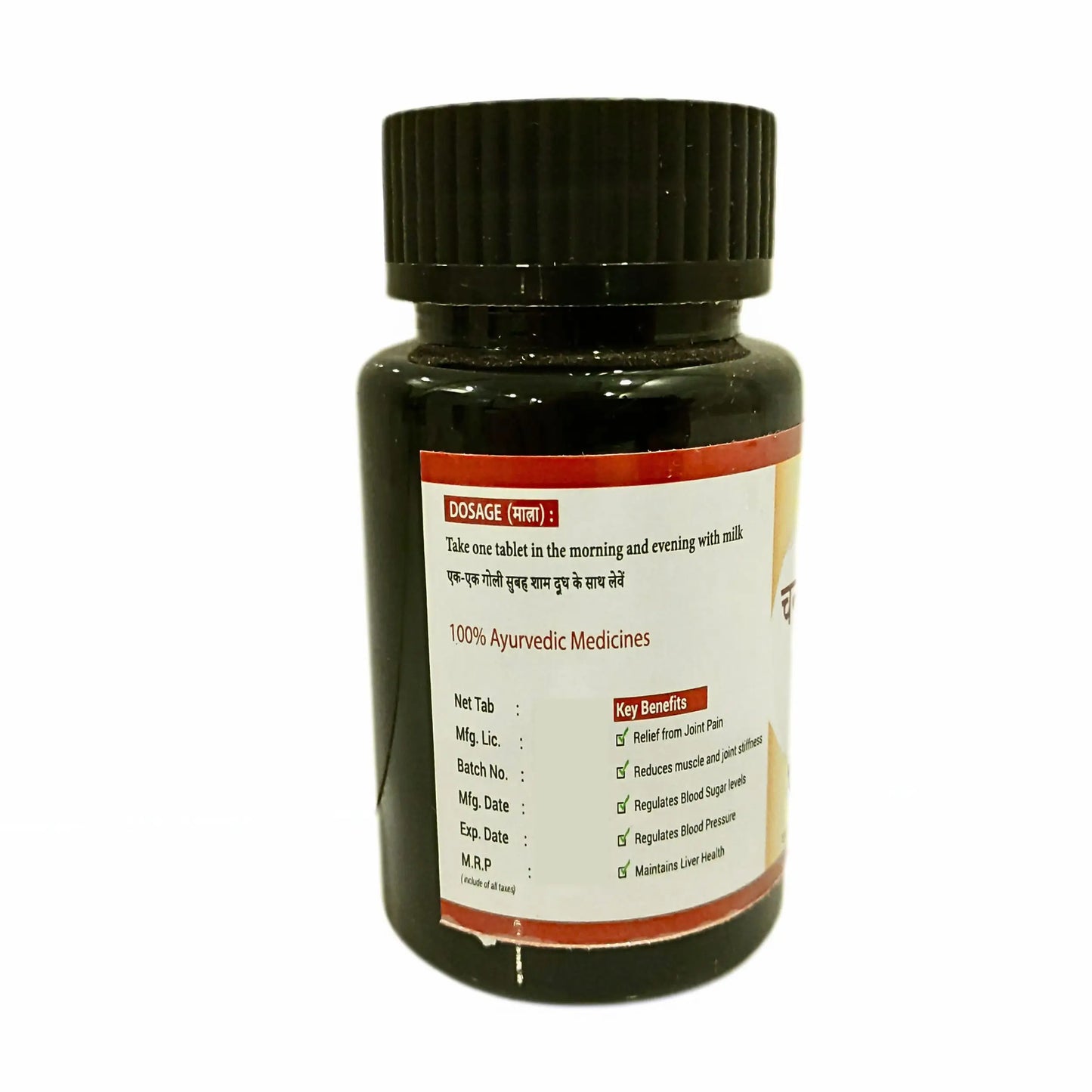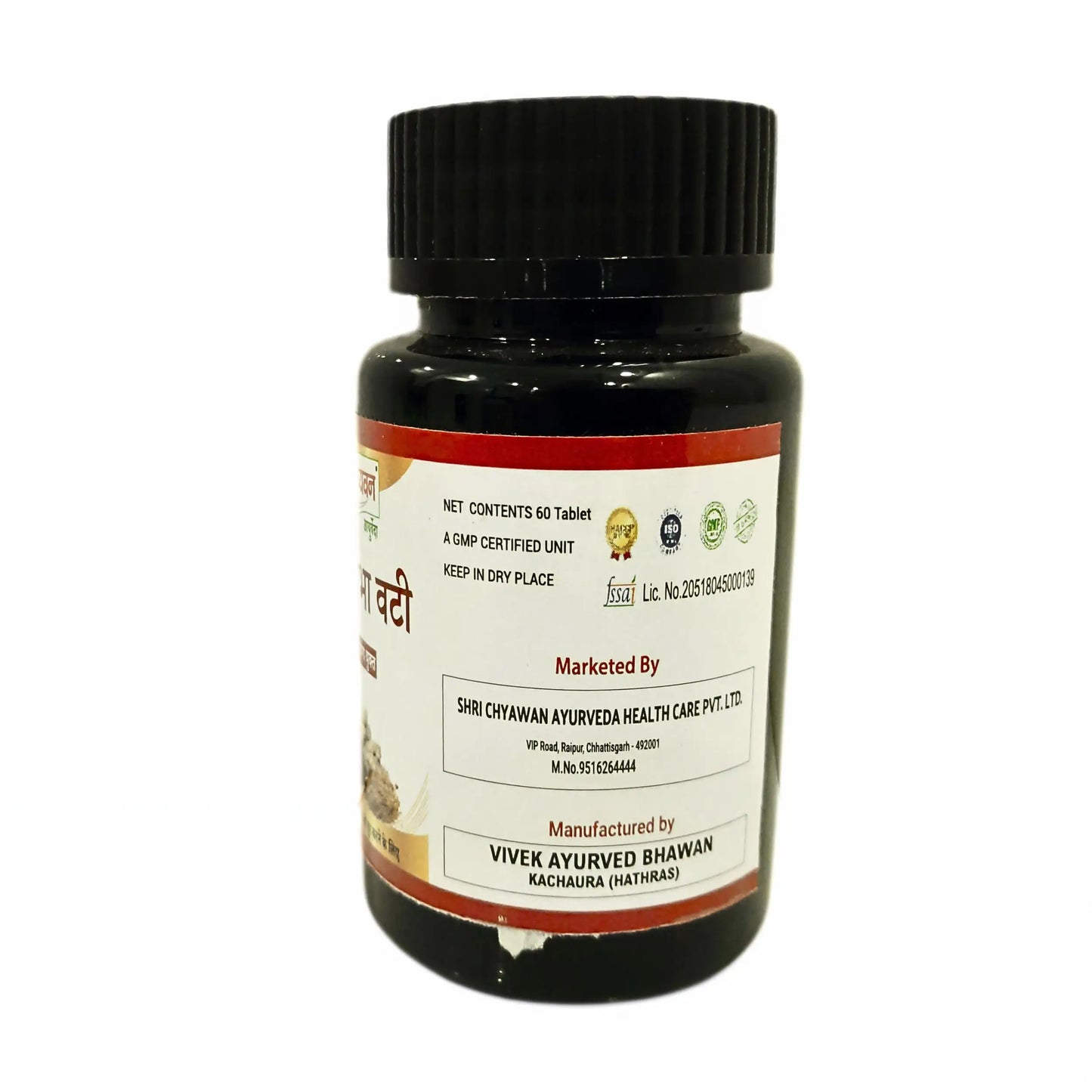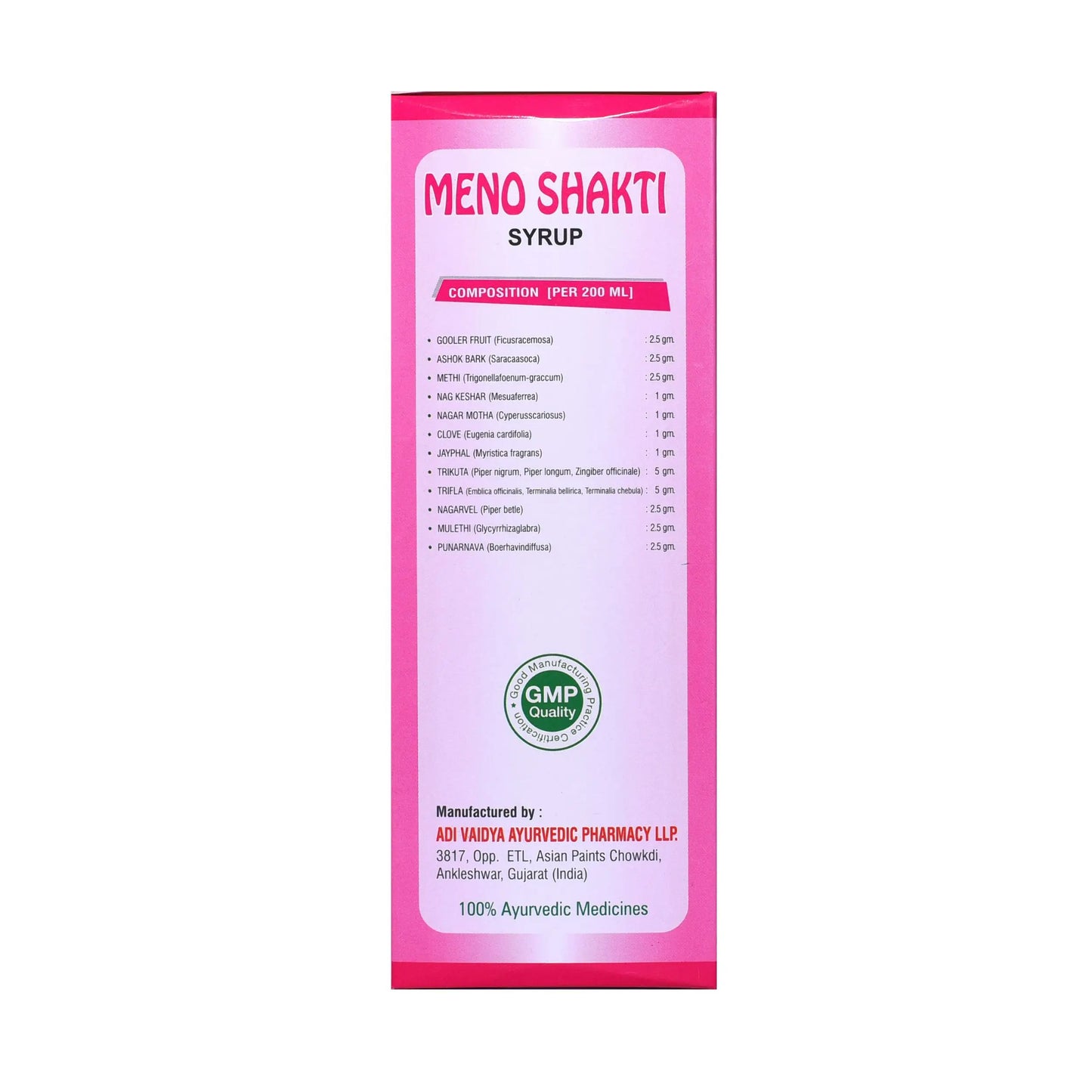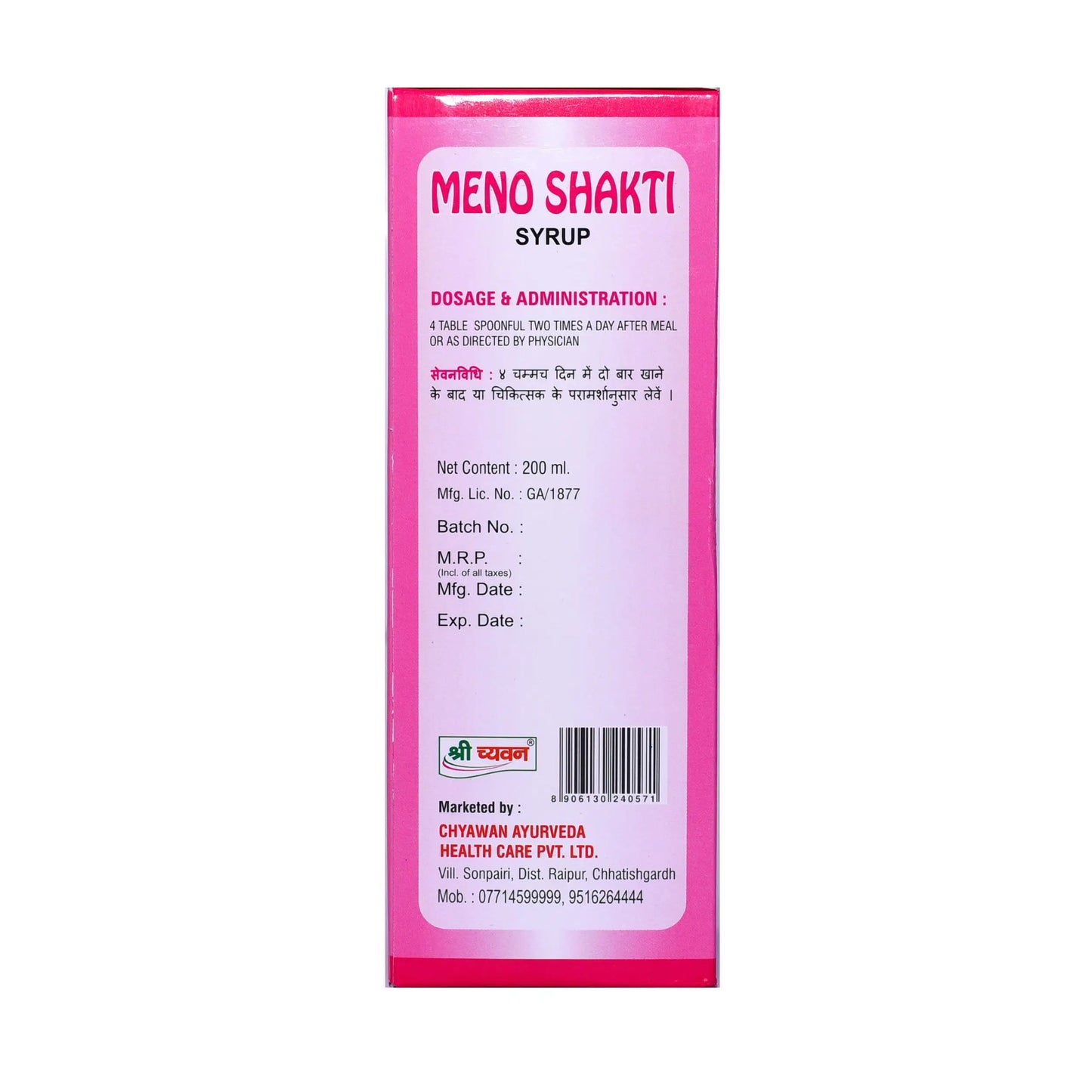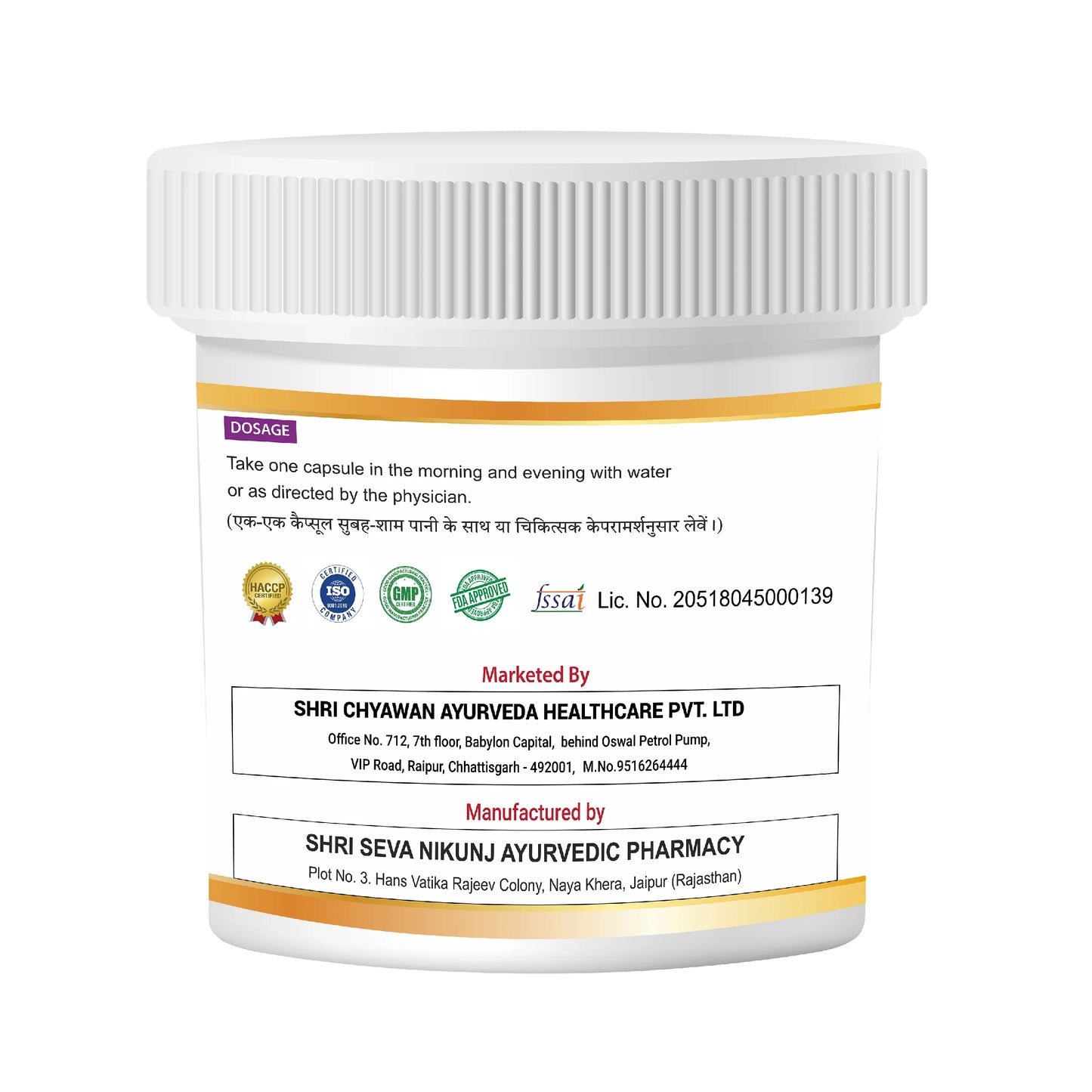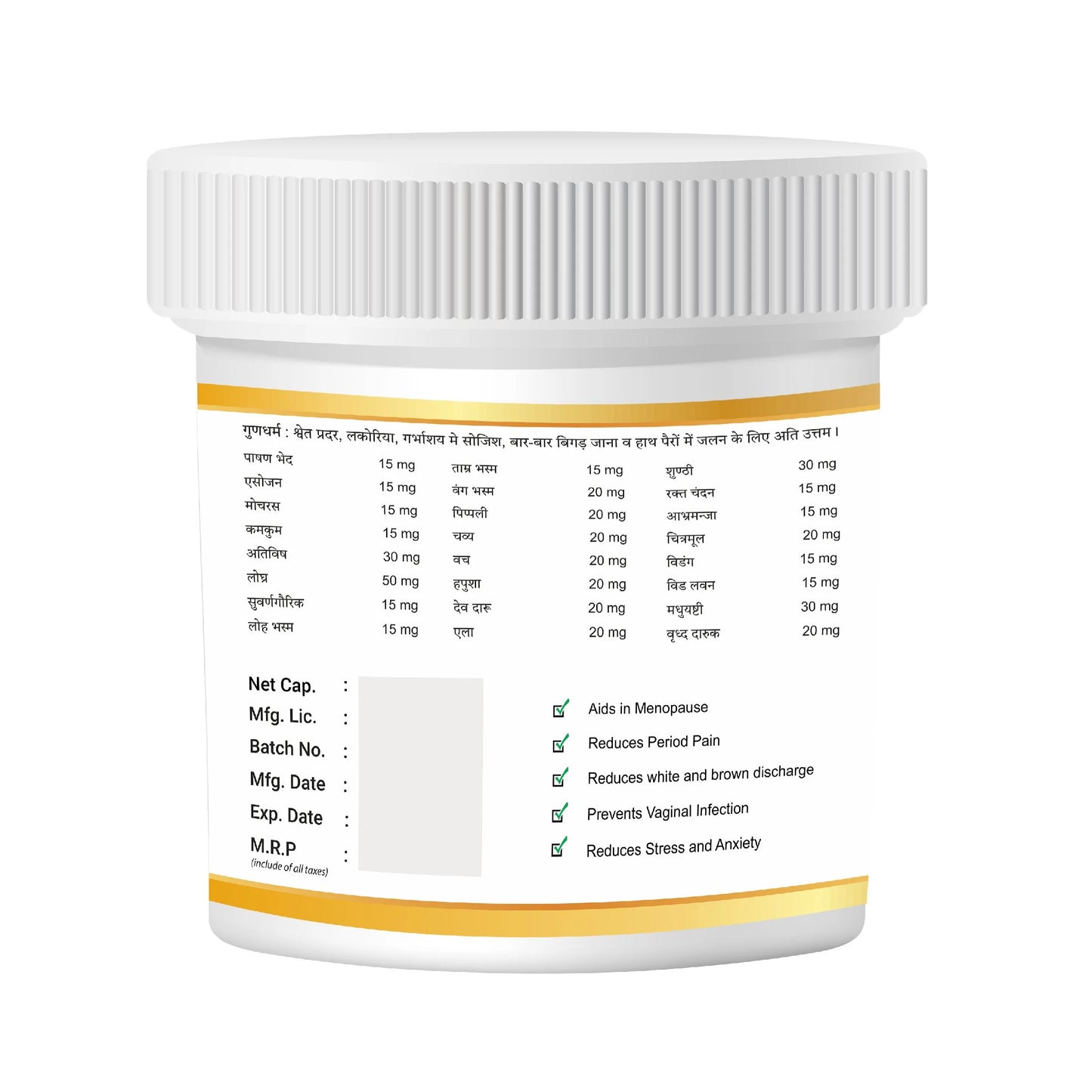

Menstruation is an important part of women’s health, but many women experience period-related concerns such as delayed periods, irregular cycles, painful cramps, heavy bleeding, mood changes, and weakness. These problems may occur occasionally due to stress or lifestyle changes, while repeated symptoms can sometimes indicate an underlying health condition.
Ayurveda offers a holistic approach to women’s wellness by focusing on diet, daily routine, stress management, physical activity, and traditionally used herbal preparations. However, choosing ayurvedic medicine should always depend on the underlying cause of the problem rather than symptoms alone.
This guide explains ayurveda, common menstrual concerns, the possible role of Ayurvedic medicine, and important precautions for women.
Understanding Common Period Problems
A menstrual cycle may vary from woman to woman. Some women have a cycle every 21–35 days, while others may experience occasional changes. Period problems may include:
- Delayed or missed periods
- Irregular menstrual cycles
- Very heavy or prolonged bleeding
- Painful periods and abdominal cramps
- Premenstrual mood changes
- Bloating and breast tenderness
- Fatigue and weakness during menstruation
- Spotting between periods
Occasional changes may be linked to stress, travel, poor sleep, sudden weight changes, intense exercise, or changes in routine. However, persistent or severe symptoms should not be ignored. Conditions such as polycystic ovary syndrome, thyroid disorders, endometriosis, fibroids, pregnancy, and other hormonal concerns may also affect menstruation.
Ayurveda for Periods: A Holistic Approach
In Ayurveda, menstrual health is traditionally associated with the balance of doshas, digestive health, lifestyle, and overall well-being. The Ayurvedic approach generally focuses on supporting the body through:
- Balanced and nourishing meals
- Regular sleep and daily routines
- Gentle physical activity
- Stress reduction
- Adequate hydration
- Healthy digestion
- Individualised herbal support when appropriate
The objective is not simply to make periods arrive quickly, but to understand the factors that may be affecting the menstrual cycle. A qualified Ayurvedic practitioner may consider a woman’s age, cycle pattern, symptoms, medical history, diet, stress levels, and other health concerns before suggesting a suitable approach.
Ayurvedic Medicine for Periods Problem
Women searching for ayurvedic medicine for periods problem should understand that there is no single remedy suitable for everyone. Period problems can have different causes, and the same herbal preparation may not be appropriate for every woman.
Traditionally used Ayurvedic herbs and formulations may be recommended by practitioners to support menstrual comfort, digestion, stress management, and general women’s wellness. However, scientific evidence for many Ayurvedic products remains limited, and their effectiveness may vary depending on the formulation and individual condition.
Before using any Ayurvedic medicine, check the following:
- Choose products from a reliable and transparent manufacturer.
- Read the complete ingredient and safety information.
- Avoid taking multiple herbal products without professional guidance.
- Inform your doctor about all supplements and medicines you use.
- Do not use herbal medicine to delay diagnosis or treatment.
Some Ayurvedic preparations may contain metals such as lead, mercury, or arsenic, which can be harmful. Herbal products may also interact with prescription medicines.

Ayurvedic Medicine for Periods Delay
A delayed period can occur for several reasons, including stress, changes in body weight, hormonal imbalance, PCOS, thyroid problems, pregnancy, excessive exercise, or certain medicines. Therefore, ayurvedic medicine for periods delay should not be selected without first understanding why the period is late.
If pregnancy is possible, a pregnancy test should be considered before taking any medicine. If periods remain absent or irregular, a healthcare professional may recommend an examination, blood tests, or an ultrasound.
Ayurveda may be used as a complementary approach for lifestyle support and overall wellness, but it should not be considered a guaranteed method to bring on periods. Women should be particularly careful with products promoted as “instant period” or “fast period-starting” remedies, as their ingredients and safety may not always be clear.
Ayurvedic Medicine for Regular Periods
Women looking for ayurvedic medicine for regular periods should focus on long-term menstrual health rather than quick results. Regular meals, adequate sleep, stress management, and maintaining a healthy level of physical activity may support overall hormonal and metabolic health.
A practical daily routine may include:
- Eating meals at consistent times
- Including vegetables, fruits, whole grains, pulses, and healthy fats
- Drinking enough water throughout the day
- Practising yoga, walking, or another comfortable form of exercise
- Limiting excessive processed foods and sugary drinks
- Maintaining a regular sleep schedule
- Tracking period dates and symptoms
If irregular periods are associated with PCOS, lifestyle changes and medical treatment may help manage symptoms and reduce long-term health risks. PCOS is a chronic hormonal and metabolic condition, and there is currently no permanent cure, although symptoms can be managed through appropriate care.
Ayurvedic Medicine for Irregular Periods
Ayurvedic medicine for irregular periods may be considered as part of a broader, personalised wellness plan. However, irregular periods should not automatically be assumed to result from a dosha imbalance.
A woman may have irregular periods because of:
- PCOS
- Thyroid disorders
- Sudden weight gain or weight loss
- High stress levels
- Poor sleep
- Excessive physical training
- Perimenopause
- Certain medications
- Pregnancy or breastfeeding
A healthcare professional can help identify the cause. Once serious causes are ruled out, Ayurvedic care may focus on nutrition, digestion, relaxation, exercise, and carefully selected herbal preparations.

Can Ayurveda Help with Period Pain?
Mild menstrual cramps are common and may sometimes be managed with rest, gentle movement, a warm water bottle, or heat therapy. Severe pain, pain that suddenly becomes worse, or pain that interferes with daily activities requires medical evaluation.
Ayurvedic wellness practices such as gentle yoga, breathing exercises, warm meals, and relaxation techniques may help some women feel more comfortable. However, persistent or severe period pain may be linked to conditions such as endometriosis, adenomyosis, fibroids, or other disorders and should not be treated only with home remedies.
Safety Tips Before Taking Ayurvedic Medicine
Natural does not always mean safe. Before using any periods ayurvedic medicine, women who are pregnant, breastfeeding, trying to conceive, or taking medicines should consult a qualified healthcare professional.
It is also important to avoid self-medication with strong herbal combinations or products that promise guaranteed results. Do not stop prescribed medicines without medical advice. Ayurveda may complement conventional care, but it should not replace necessary diagnosis, testing, or treatment.
Conclusion
Period problems deserve attention because menstrual health is closely connected with overall women’s health. Ayurveda focuses on a balanced lifestyle, healthy digestion, stress management, and personalised care. Ayurvedic medicine for periods problem may be considered only after understanding the underlying cause and checking product safety.
For the best results, maintain a period diary, follow a healthy routine, and consult a qualified healthcare professional when symptoms are persistent, severe, or unusual. A well-informed and balanced approach can support better menstrual wellness while helping women receive timely care when needed.