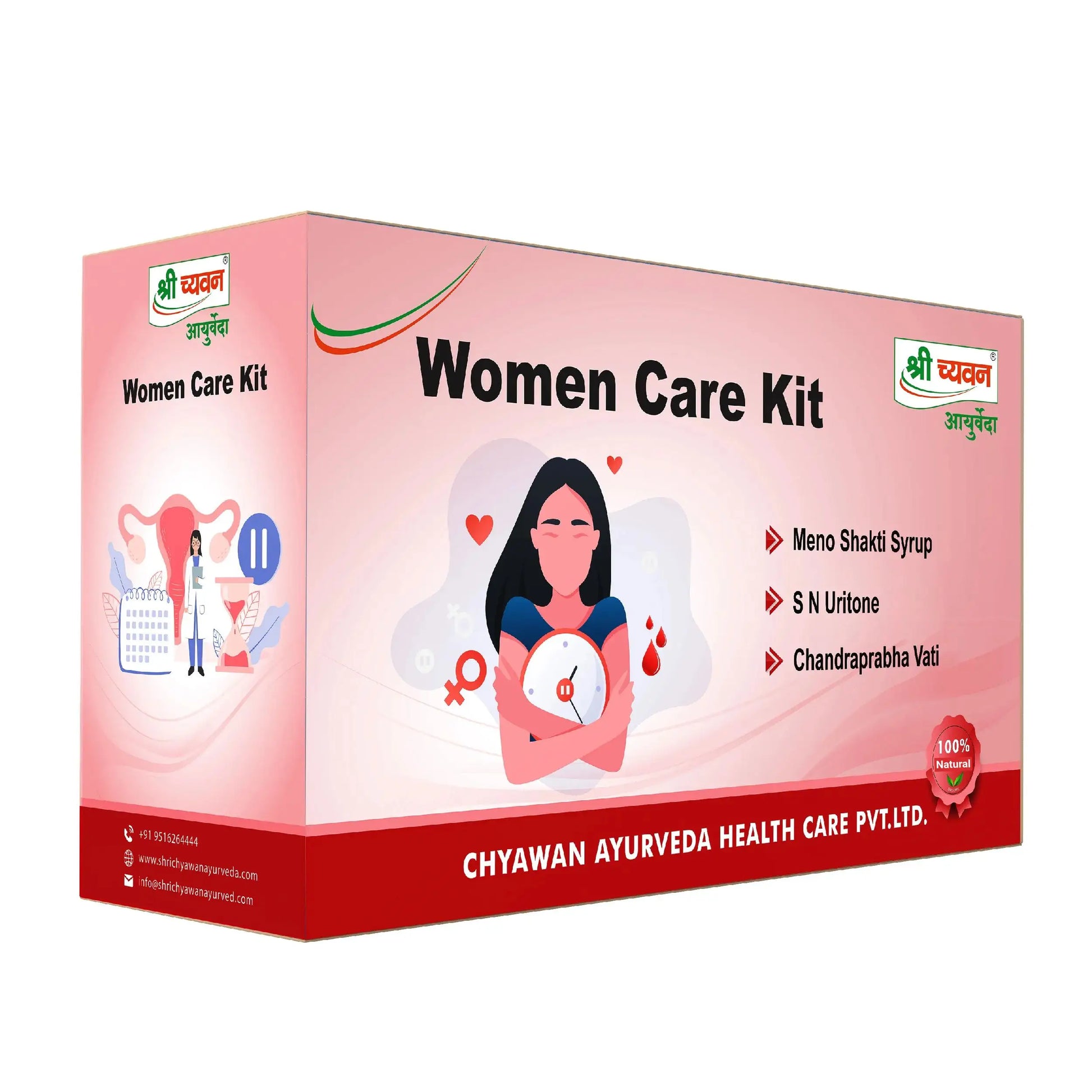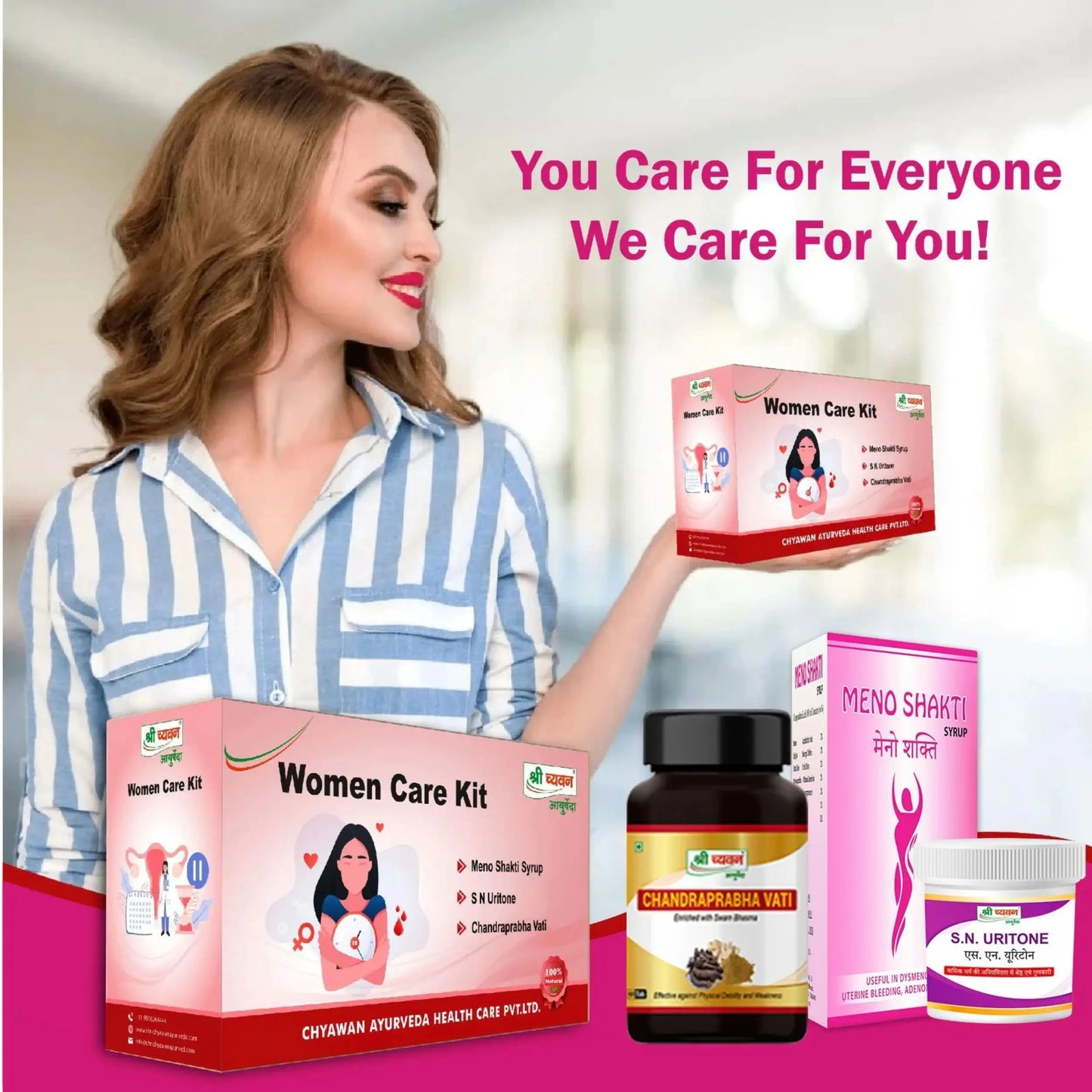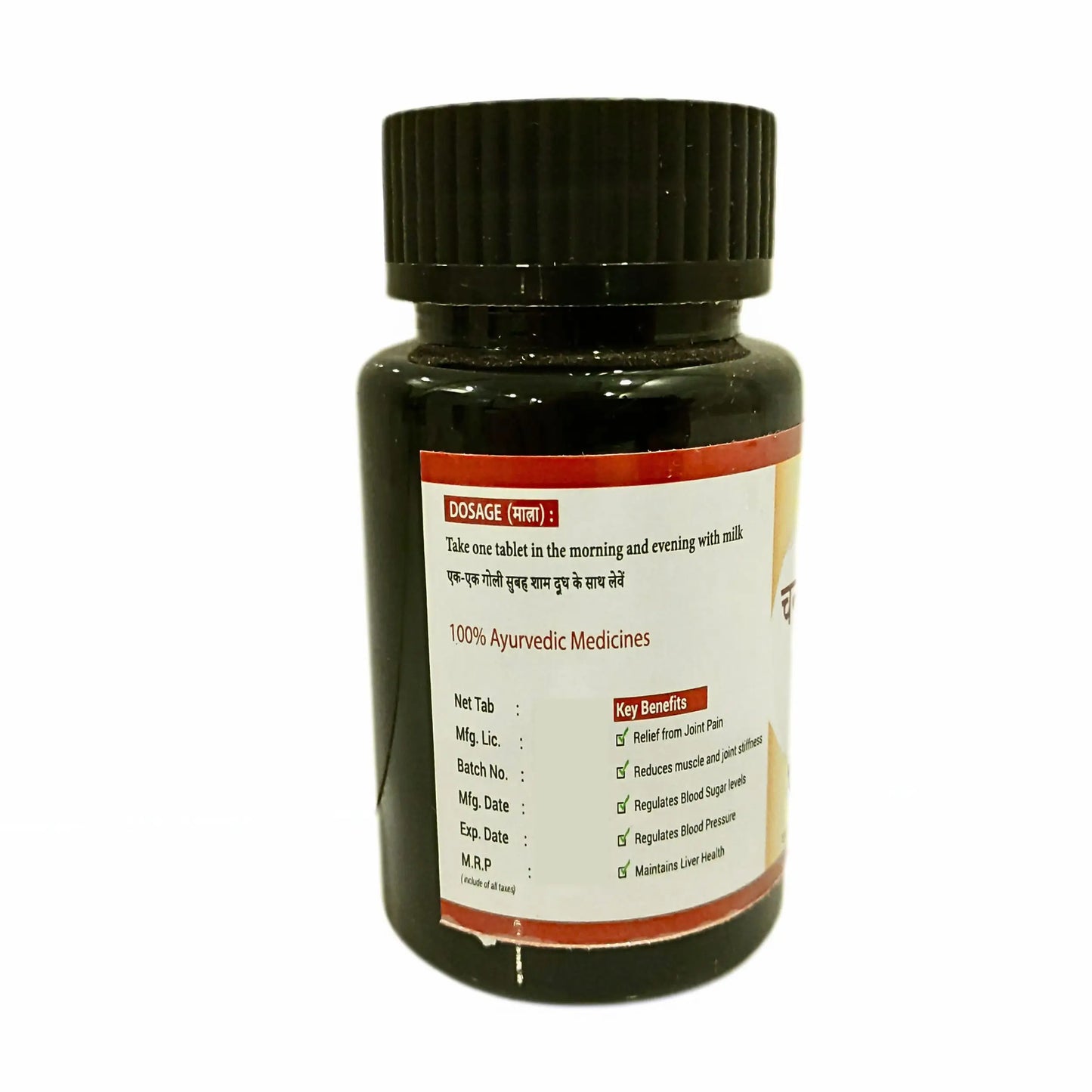

Women's health is closely connected with hormonal, metabolic, reproductive, and emotional well-being. PCOS and PCOD are two terms frequently used when discussing hormonal and menstrual concerns among women. Symptoms such as irregular periods, acne, unwanted hair growth, weight changes, and difficulty with ovulation can affect everyday life and confidence.
PCOS is a common hormonal condition and can also be associated with metabolic concerns such as insulin resistance. It is a long-term condition that can affect women differently, so identifying the underlying problem and receiving appropriate medical evaluation is important.
Alongside appropriate medical care, many women in India are interested in Ayurveda for women's health. Ayurvedic medicine may be used as part of a broader wellness plan involving nutrition, physical activity, stress management, and traditional herbal practices.
Understanding PCOS and PCOD
PCOS stands for Polycystic Ovary Syndrome. It can affect ovulation and hormone levels and may result in irregular or infrequent menstrual periods. Other possible symptoms include acne, excess facial or body hair, hair thinning, and fertility difficulties.
PCOD is a term commonly used in India for a condition involving ovarian and hormonal disturbances. Because terminology and symptoms can vary, women experiencing persistent menstrual or hormonal problems should obtain an appropriate medical assessment instead of relying only on self-diagnosis.
Common Symptoms Women May Notice
Hormonal and reproductive concerns can appear in different ways. Common symptoms associated with PCOS include:
- Irregular or infrequent periods
- Unpredictable menstrual cycles
- Acne or oily skin
- Excess facial or body hair
- Hair thinning
- Difficulty with ovulation
- Weight-management difficulties
- Mood and energy changes
- Fertility concerns
Not every woman experiences the same combination of symptoms. Some women with PCOS may not have ovarian cysts visible on an ultrasound, while others may have only some of the commonly associated symptoms.
Ayurveda for Women's Health
Ayurveda takes a whole-body approach to health. Rather than focusing exclusively on one symptom, traditional Ayurvedic wellness considers digestion, daily routine, nutrition, activity, stress, sleep, and individual constitution.
For women concerned about PCOS or PCOD, this broader approach can include:
- Balanced and nutritious meals
- Regular physical activity
- Consistent sleep
- Stress-management practices
- Yoga and breathing exercises
- Traditional herbal preparations when appropriate
This approach can complement an individual's healthcare plan, but Ayurvedic products should not be considered a substitute for diagnosis or evidence-based treatment when medical care is needed.
PCOS Medicine in Ayurveda
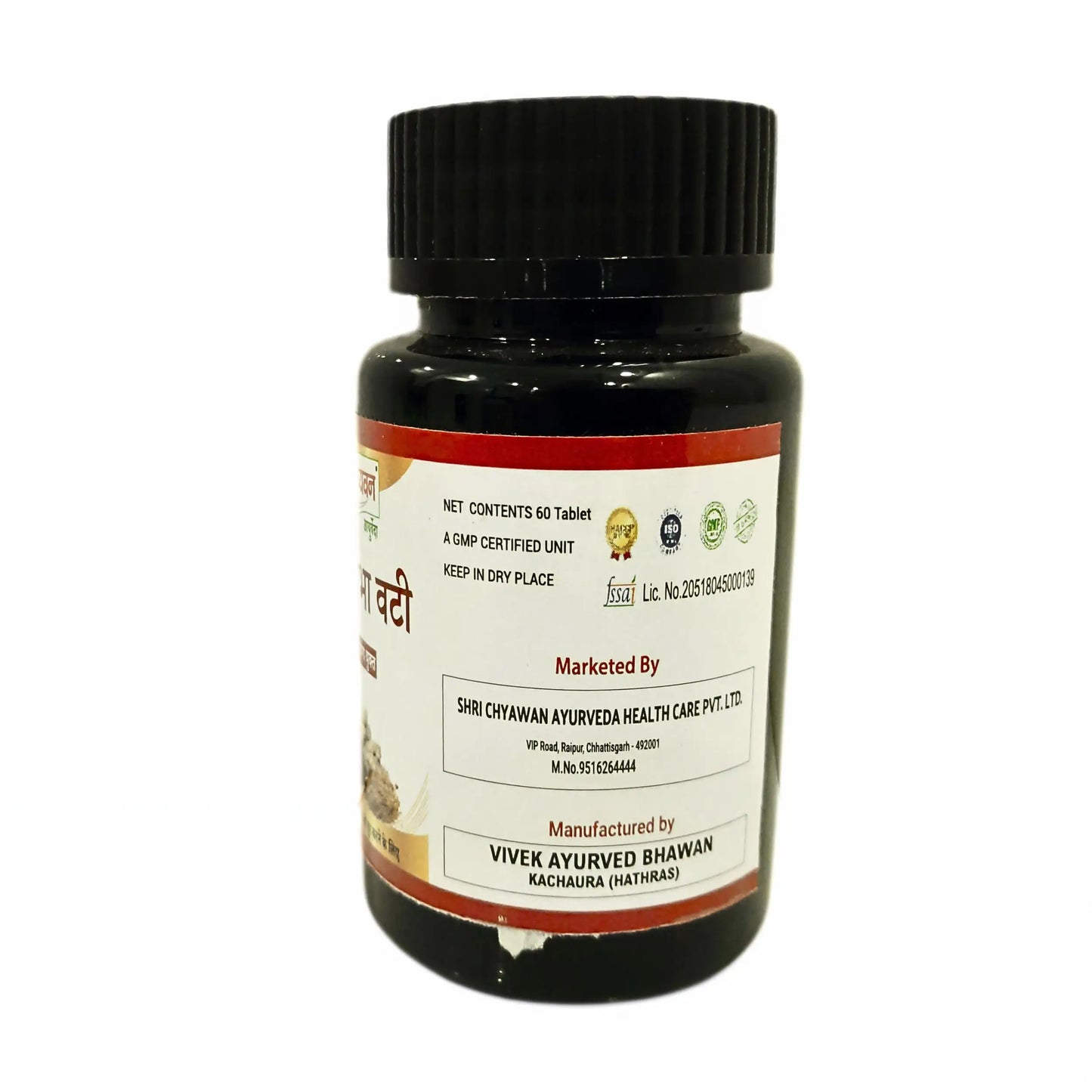
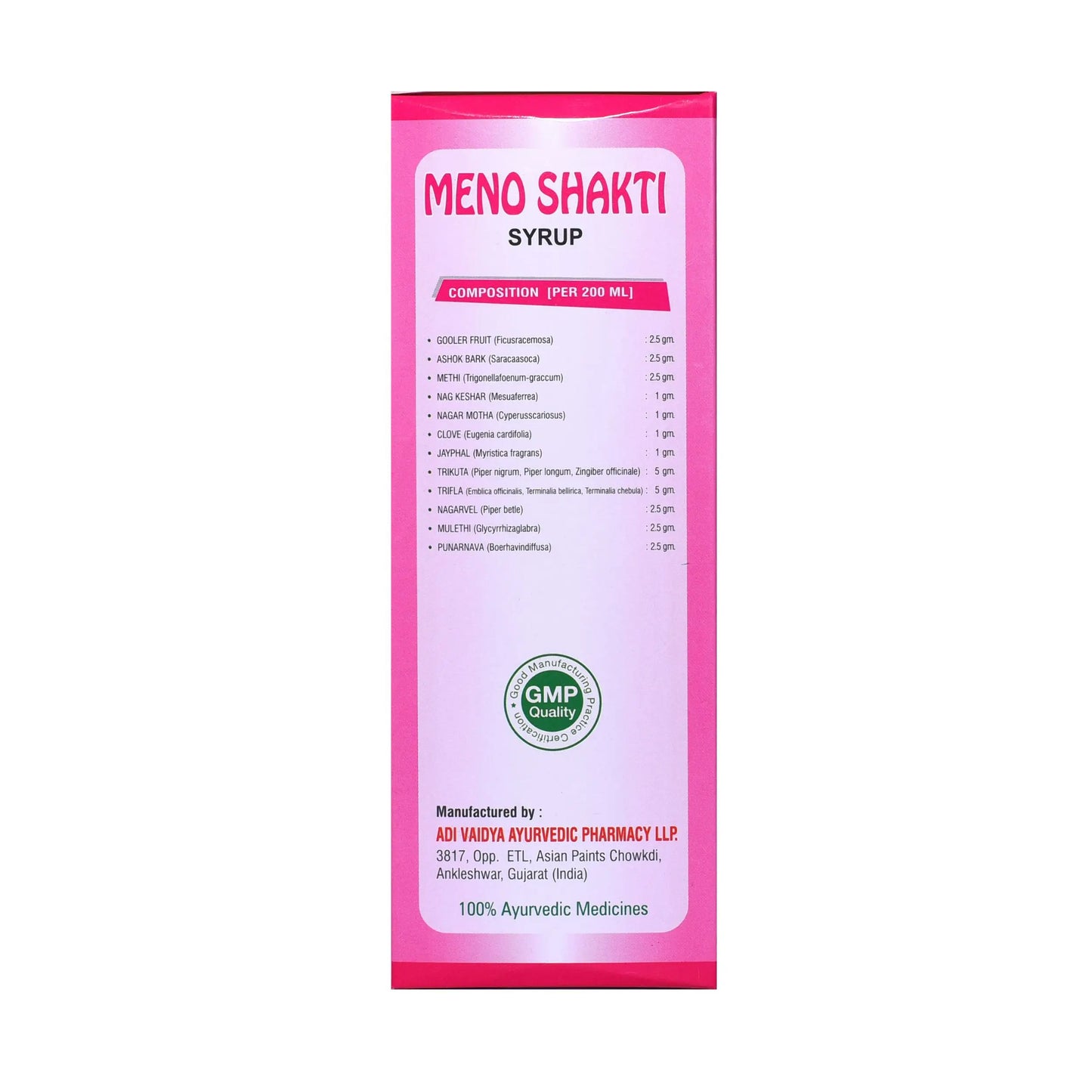
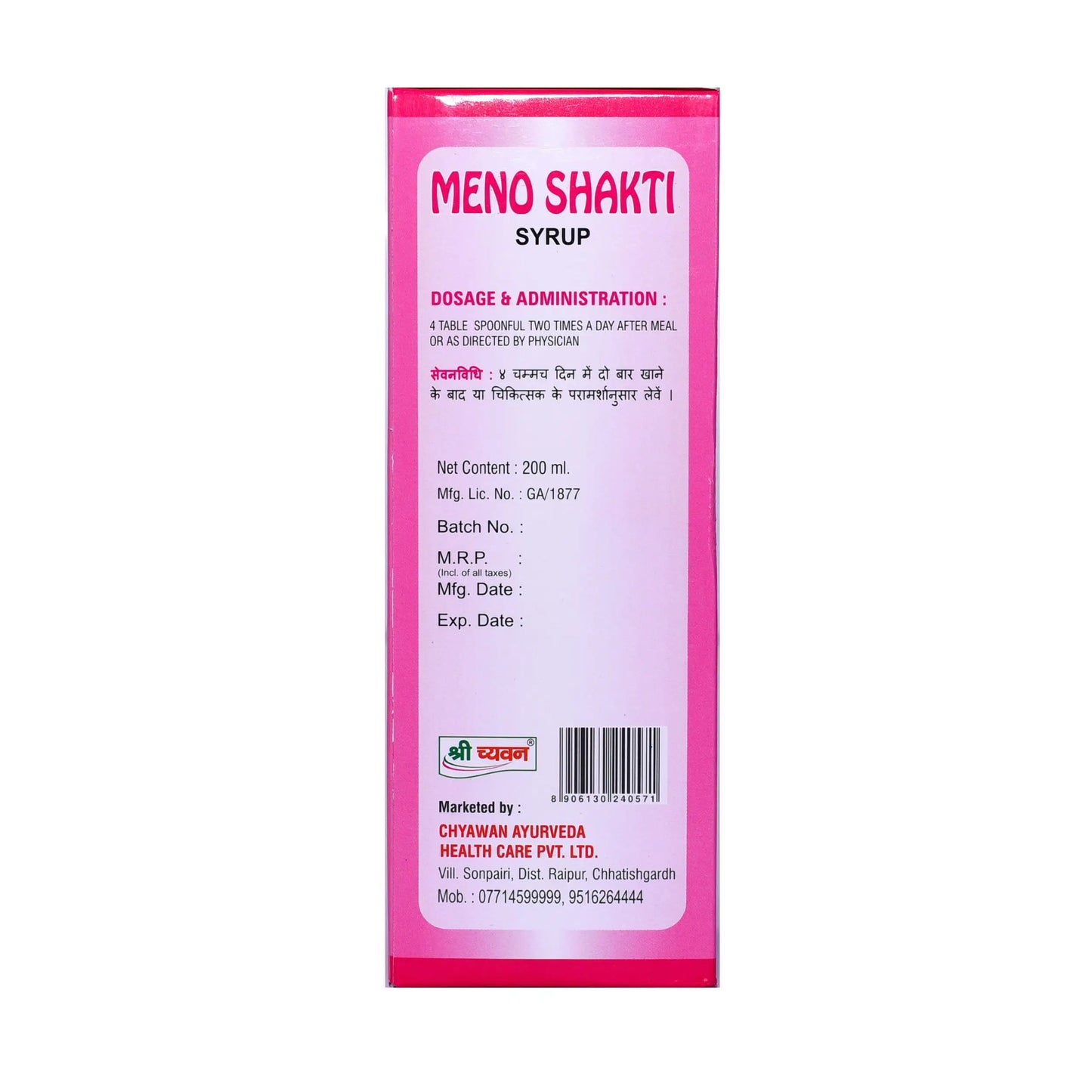
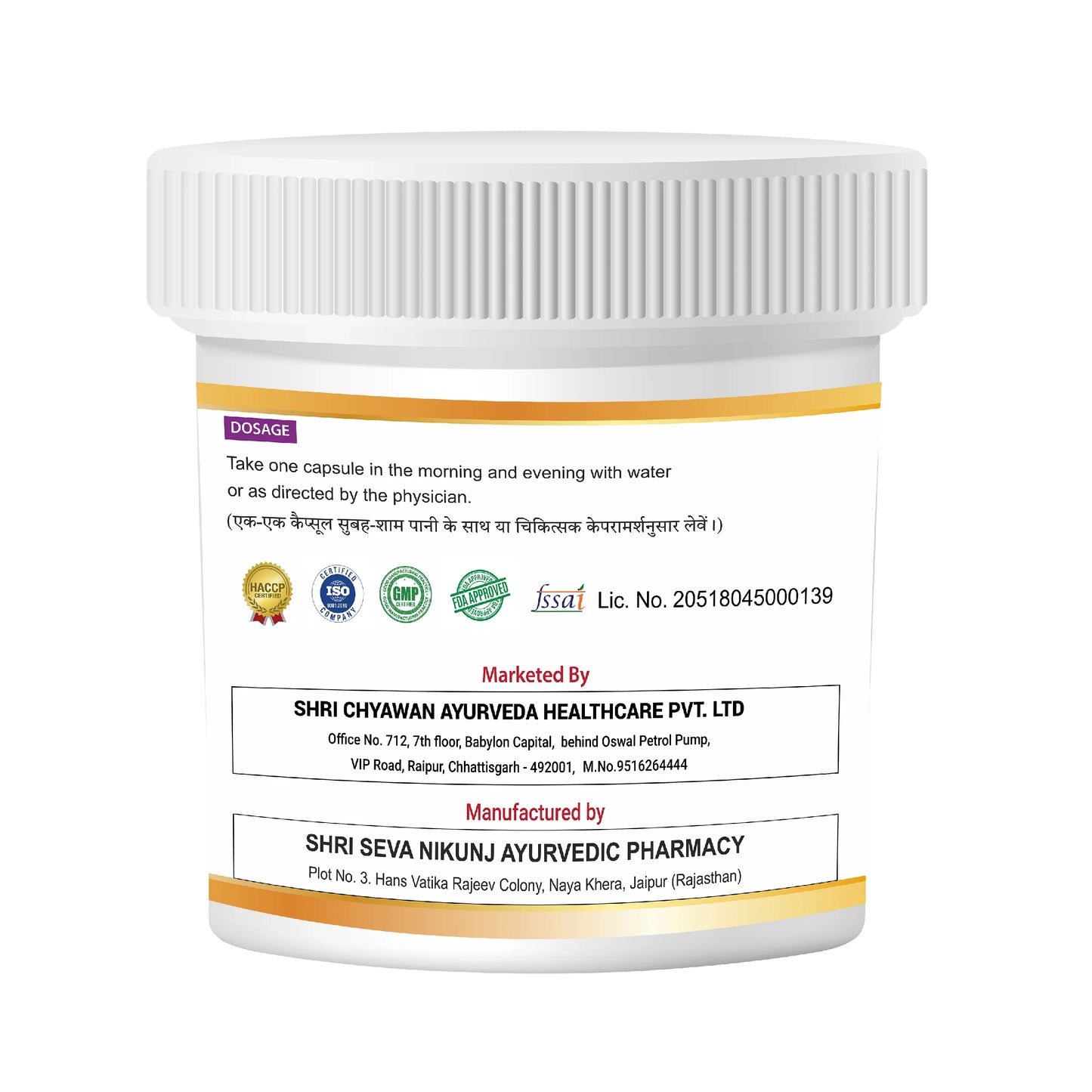
When people search for PCOS medicine in Ayurveda, they are often looking for herbal products that can support menstrual and women's wellness.
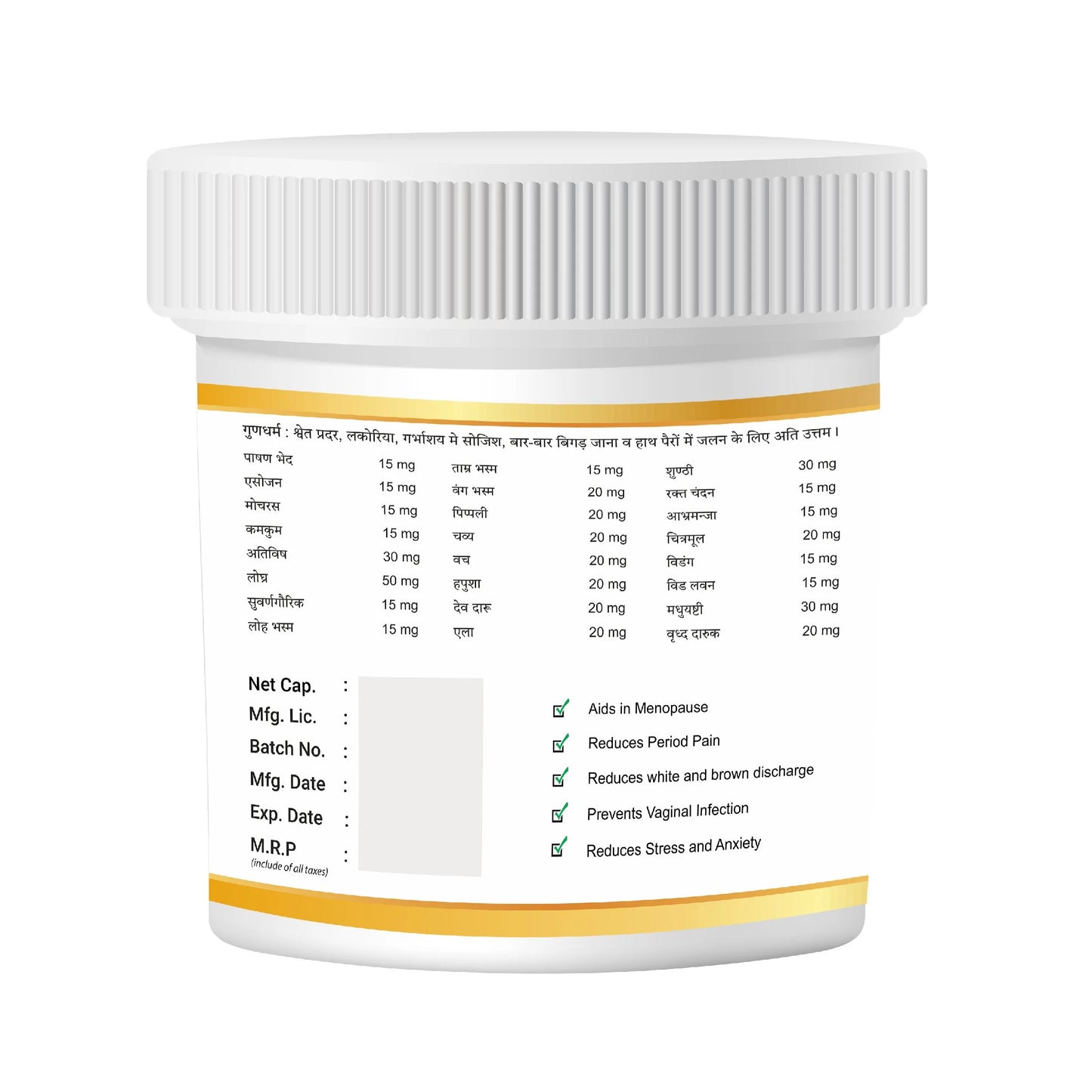
Traditional Ayurvedic formulations may contain herbs such as Shatavari, Ashoka, Lodhra, or Ashwagandha. However, the suitability of a particular herb or formulation depends on the individual's health, medications, pregnancy status, and other factors.
Scientific evidence for Ayurvedic treatments across health conditions remains limited, and product quality can vary. Therefore, consumers should select products carefully and consult a qualified healthcare professional before starting herbal preparations.
Ayurvedic Medicine for PCOS and PCOD
Ayurvedic medicine for PCOS or PCOD is generally discussed as part of a holistic approach to women's wellness.
The potential areas of support include:
Menstrual Wellness
Irregular periods are a common feature of PCOS. Supporting overall metabolic and hormonal health may be an important part of managing menstrual concerns.
However, persistent irregular or absent periods should not simply be treated with a supplement. Menstrual changes can have several causes and may require medical evaluation.
Metabolic Wellness
PCOS can be associated with insulin resistance and an increased risk of metabolic problems. Healthy eating and regular physical activity are important components of PCOS management.
Stress Management
Stress does not cause every case of PCOS, but managing stress can contribute to overall well-being. Meditation, yoga, adequate sleep, and relaxation practices can be useful additions to a healthy routine.
Traditional Herbs Used in Ayurvedic Women's Wellness
Shatavari
Shatavari is traditionally associated with women's reproductive wellness. It is commonly included in Ayurvedic formulations designed for female health.
Ashoka
Ashoka has a long history of use in traditional Ayurvedic formulations associated with menstrual and uterine wellness.
Lodhra
Lodhra is another traditional Ayurvedic ingredient frequently associated with women's reproductive health.
Ashwagandha
Ashwagandha is traditionally used in Ayurveda for general vitality and stress-related wellness.
It is important to remember that traditional use does not automatically establish that a herb can treat PCOS. Evidence for specific Ayurvedic preparations varies, and more high-quality research is needed.

Choosing the Best Ayurvedic Medicine for PCOS
There is no single Ayurvedic product that can be considered the universally best medicine for PCOS problem for every woman.
Before selecting a product, consider:
Check the Ingredients
Read the complete ingredient list and understand what herbs or other substances are included.
Choose Quality-Assured Products
Look for reputable manufacturers, appropriate labeling, batch information, and transparent ingredient information.
Avoid Unsupported Claims
Be cautious about products promising to permanently cure PCOS, guarantee pregnancy, or regulate hormones within a fixed number of days.
Consider Your Existing Medicines
Herbal products can interact with medicines or may be unsuitable for certain health conditions. Discuss their use with a qualified healthcare professional when appropriate.
Lifestyle Habits That Support Women's Health
Ayurvedic medicine works best within a healthy daily routine rather than as an isolated solution.
Eat a Balanced Diet
Build meals around vegetables, whole grains, legumes, quality protein sources, fruits, nuts, and seeds according to your individual nutritional needs.
Reducing highly processed foods and excessive added sugar can also support healthier eating habits.
Stay Physically Active
Walking, strength training, cycling, swimming, yoga, or other enjoyable forms of movement can help support overall metabolic health.
Healthy lifestyle behaviours are recommended for women with PCOS even when weight loss is not a goal.
Maintain Healthy Sleep
A consistent sleep schedule can support energy, mood, and general well-being.
Manage Stress
Meditation, deep breathing, yoga, hobbies, and adequate rest can help create a more sustainable daily routine.

Why a Holistic Approach Matters
PCOS is not limited to the reproductive system. It can have metabolic and emotional effects as well. Women with PCOS may have a higher risk of insulin resistance, type 2 diabetes, obesity, and some other long-term health concern.
This is why simply searching for the best medicine for PCOS problem may not be enough. A better approach is to consider menstrual health, nutrition, physical activity, metabolic health, mental well-being, and appropriate medical monitoring together.
Conclusion
PCOS and PCOD can affect menstrual health, hormones, metabolism, reproductive function, and quality of life. For women in India looking for natural approaches, Ayurveda offers a holistic philosophy that emphasizes nutrition, lifestyle, stress management, and traditional herbal support.
Ayurvedic medicine for PCOS and PCOD may be considered as part of an individualized wellness plan, suitable for every woman. The right approach depends on symptoms, health history, medications, and individual needs.
Combining healthy lifestyle habits with appropriate medical evaluation and responsible use of Ayurvedic products can provide a more balanced approach to long-term women's health.