
Polycystic ovary syndrome, commonly known as PCOS or PCOD, is one of the most frequently discussed hormonal health concerns among women of reproductive age. Irregular periods, acne, unwanted facial or body hair, weight changes, and difficulties with ovulation can affect women differently.
Many women in India explore Ayurveda as a complementary approach to support hormonal, menstrual, and overall wellness.
Ayurveda traditionally focuses on an individual’s overall health rather than addressing only one symptom. This may include diet, daily routine, physical activity, stress management, and appropriately selected herbal preparations. However, PCOD/PCOS is a long-term hormonal and metabolic condition, so Ayurvedic care should not replace proper diagnosis or necessary medical treatment. The World Health Organization notes that PCOS currently has no cure, but lifestyle measures, medicines, and fertility treatments can help manage symptoms and reduce health risks.
What Is PCOD and How Can It Affect Women?
PCOD is a term commonly used in India, while polycystic ovary syndrome (PCOS) is the medical diagnosis used internationally. PCOS can involve hormonal and metabolic changes and may affect menstrual cycles and ovulation.
Common symptoms can include:
- Irregular or infrequent periods
- Difficulty with ovulation
- Acne or oily skin
- Increased facial or body hair
- Hair thinning or female-pattern hair loss
- Weight gain or difficulty managing weight
- Fertility difficulties
The condition can also be associated with insulin resistance, type 2 diabetes, obesity, high blood pressure, and other longer-term health concerns.
Because symptoms can overlap with other health conditions, women should avoid assuming that every irregular period is caused by PCOD or PCOS.
Ayurveda for Women's Health and PCOD Wellness
Ayurveda has traditionally taken a holistic view of women's health. Instead of focusing exclusively on menstrual symptoms, an Ayurvedic approach may consider digestion, food habits, daily routine, physical activity, sleep, stress, and overall well-being.
For women experiencing PCOD-related concerns, this broader approach can be useful as part of a healthy lifestyle.
Important areas may include:
Balanced Nutrition
A balanced eating pattern can play an important role in overall metabolic health. Meals can include vegetables, fruits, pulses, whole grains, nuts, seeds, and other nutrient-rich foods according to individual dietary needs.
Reducing excessive intake of highly processed foods and added sugars may also support healthier eating habits.
WHO recommends that healthy diets be based on adequacy, balance, moderation, and diversity, with minimally processed and unprocessed foods forming the foundation.
Regular Physical Activity
Movement is another important part of PCOD wellness. Walking, yoga, strength exercises, cycling, or other enjoyable activities can be incorporated into a regular routine.
The goal should not be to pursue extreme exercise or rapid weight loss. Consistency and an activity level that suits an individual's health and fitness are more practical.
Stress Management
Stress can affect overall well-being and may make it harder to maintain healthy lifestyle habits. Relaxation techniques, breathing exercises, meditation, yoga, hobbies, and adequate rest can support emotional wellness.
Healthy Sleep Routine
Maintaining a consistent sleep schedule is another simple habit that can support general health. Going to bed and waking up at relatively consistent times may help establish a more structured daily routine.

Ayurvedic Medicine for PCOD
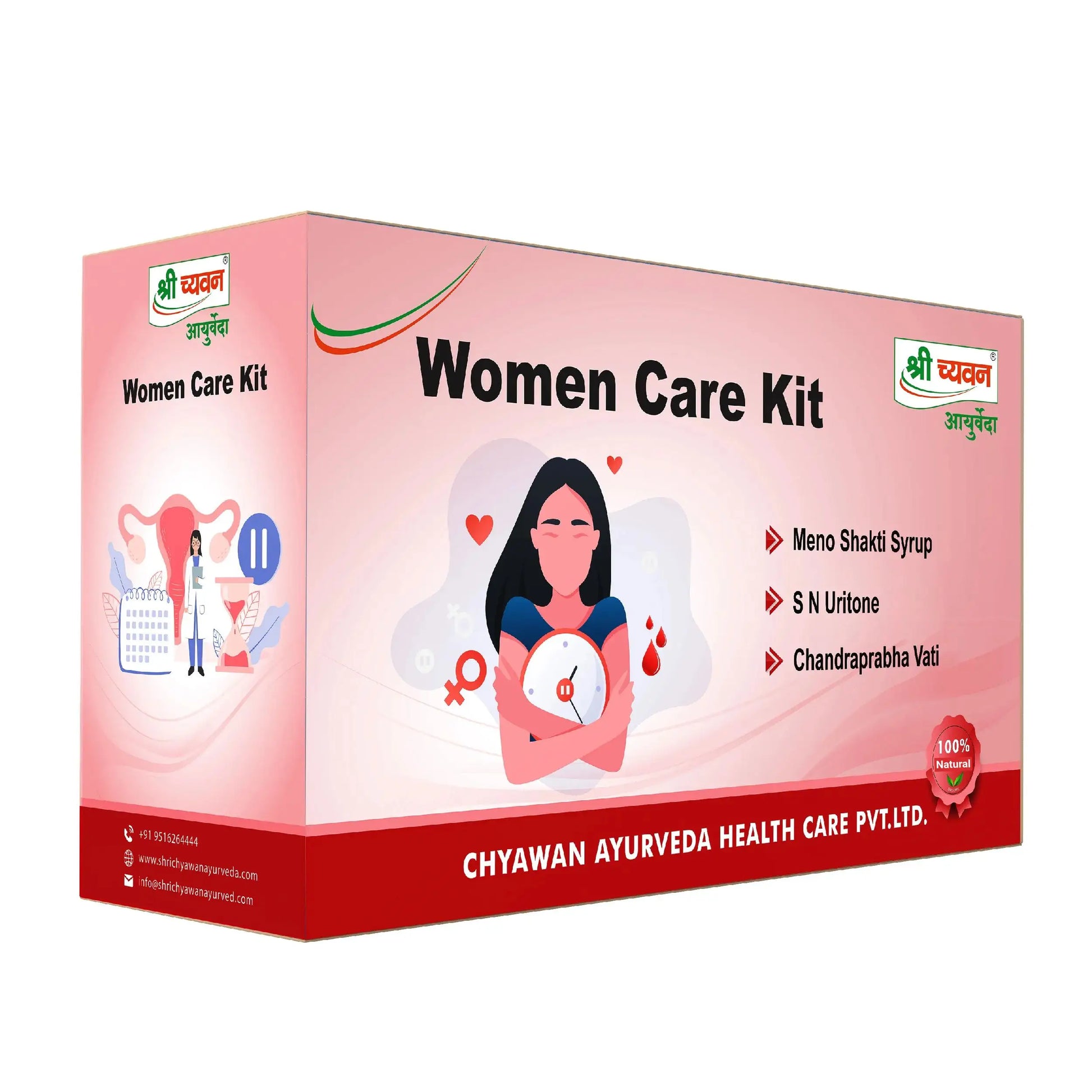
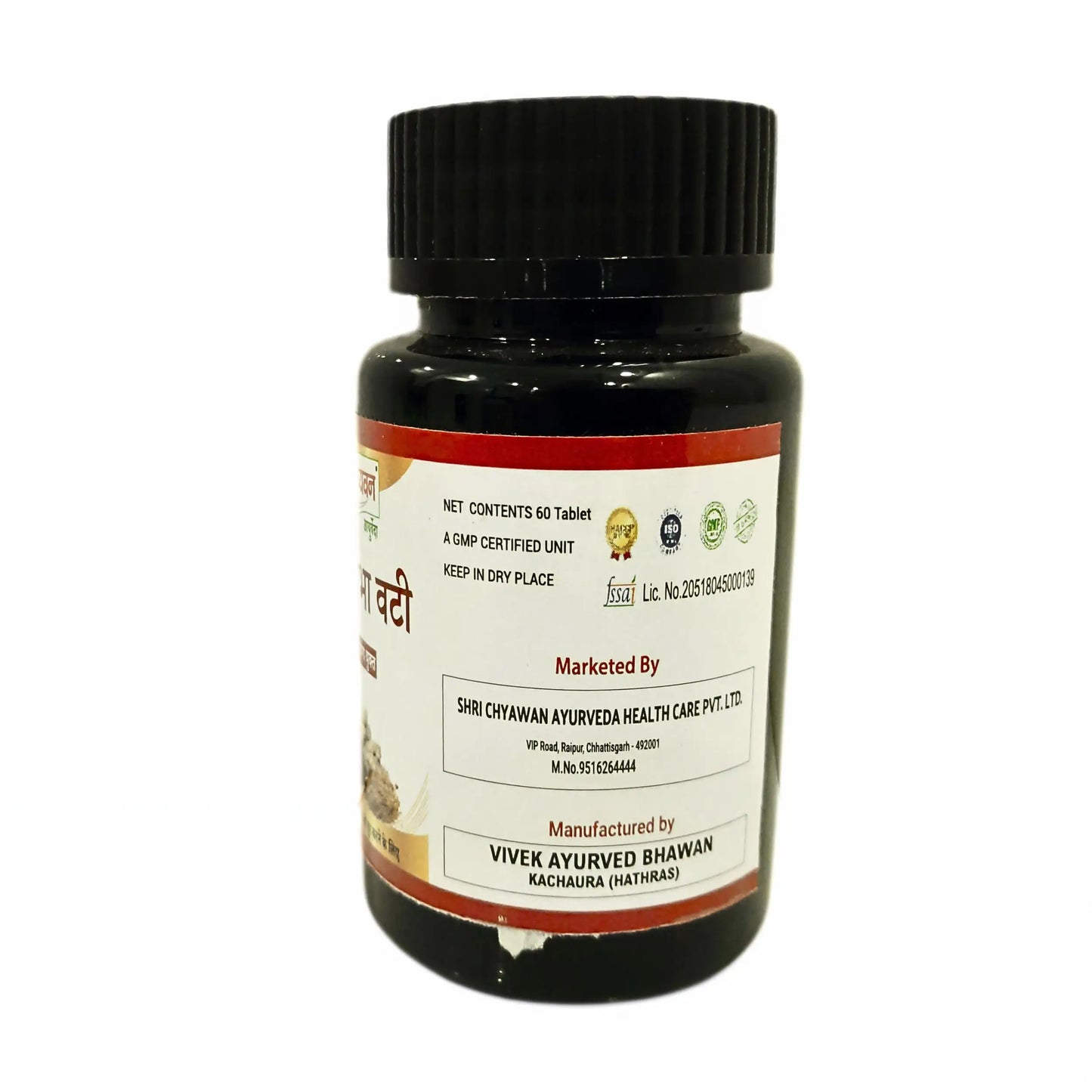
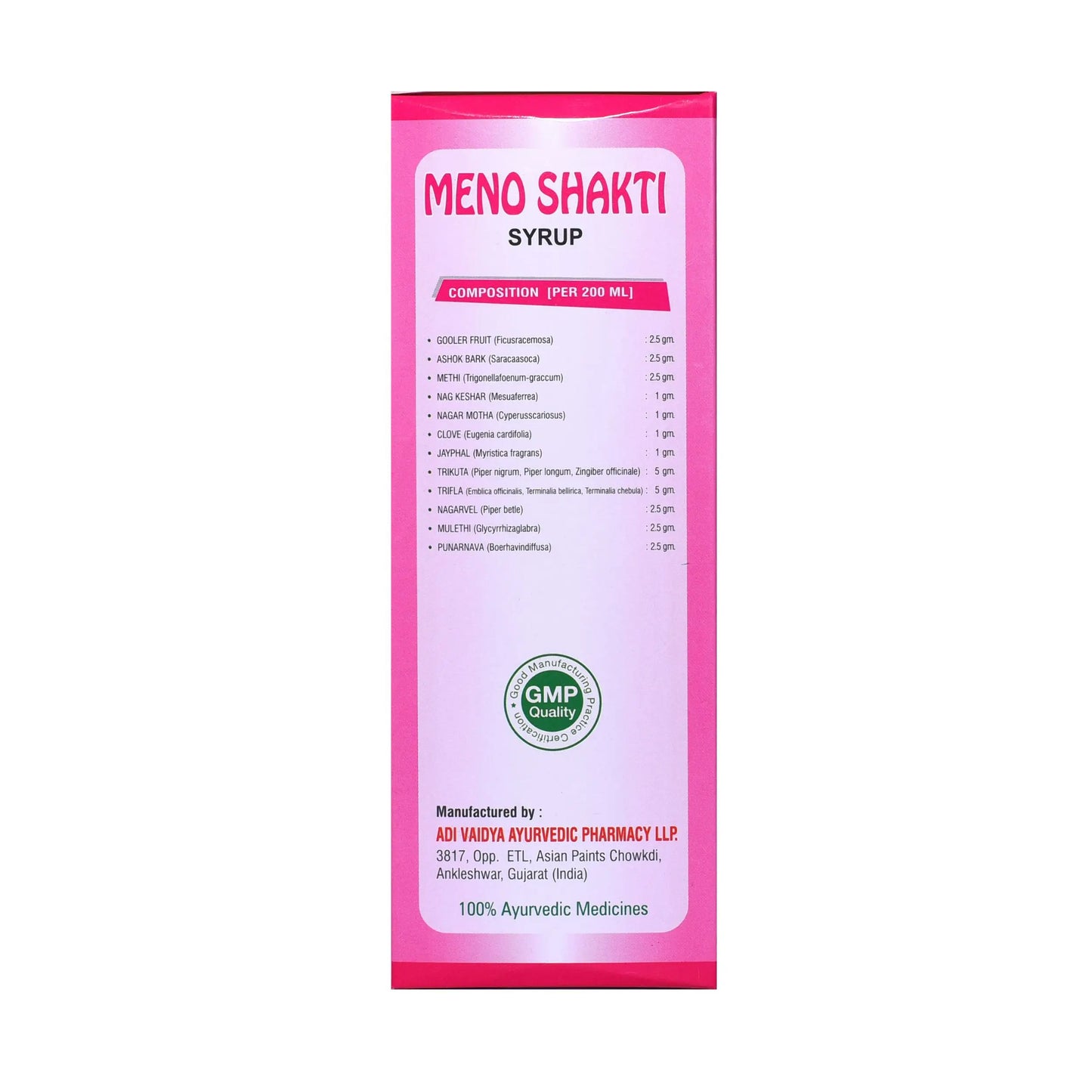
Women searching for ayurvedic medicine for PCOD should understand that there is no universally suitable Ayurvedic medicine for every woman.
PCOD symptoms and health needs vary considerably. One woman may primarily experience irregular periods, another may struggle with acne or excess hair, while another may be concerned about weight, metabolic health, or fertility.
Therefore, selecting an Ayurvedic formulation should involve consideration of:
- Individual symptoms
- Age and stage of life
- Menstrual cycle pattern
- Existing medical conditions
- Current medicines and supplements
- Pregnancy or plans for pregnancy
- Dietary and lifestyle habits
Ayurvedic preparations can contain different herbs and, in some cases, mineral or metal-based ingredients. Scientific evidence for many Ayurvedic approaches remains limited, and product quality and safety can vary. NCCIH also cautions that some Ayurvedic preparations may contain potentially toxic amounts of lead, mercury, or arsenic.
For these reasons, women should choose products carefully and consult an appropriately qualified healthcare professional.
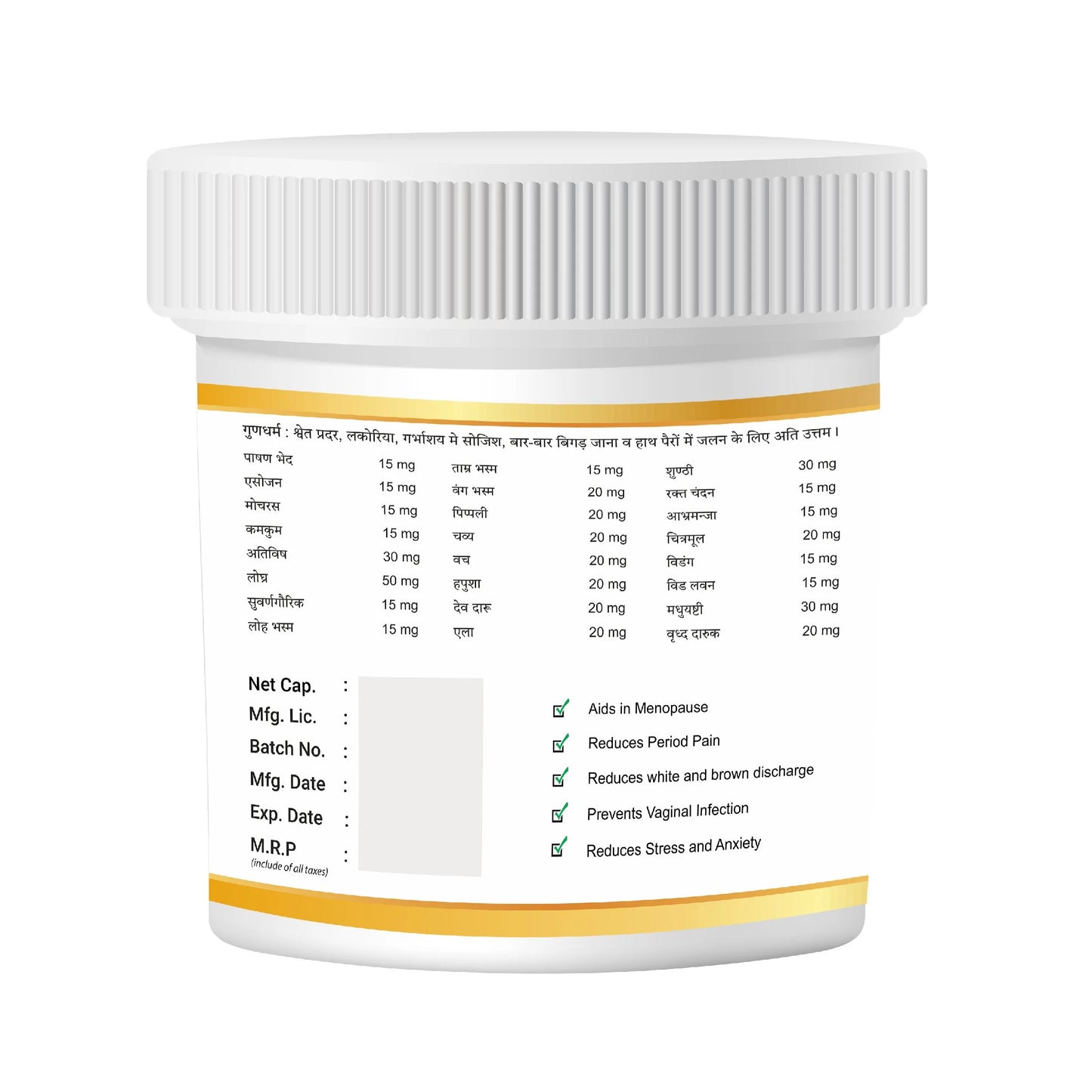
PCOD Medicine in Ayurveda and Herbal Wellness
The phrase PCOD medicine in Ayurveda can refer to a broad range of traditional herbal preparations and lifestyle approaches. Ayurveda is not simply about taking a tablet or capsule; traditional Ayurvedic care may involve diet, exercise, daily routines, and other personalised practices.
Some Ayurvedic herbs are traditionally used for women's wellness, digestion, stress support, or metabolic health. However, the presence of an herb in an Ayurvedic formulation does not automatically prove that the formulation can treat PCOS.
Women should therefore look beyond marketing claims such as “permanent cure,” “guaranteed hormonal balance,” or “PCOD completely cured.” Evidence-based information and professional guidance are important when deciding whether a product is appropriate.
How to Choose the Best Ayurvedic Medicine for PCOD
Searching for the best Ayurvedic medicine for PCOD may produce numerous products online and in stores. Instead of choosing a product simply because it is labelled “best,” consider its quality, ingredients, intended use, and safety.
Before purchasing an Ayurvedic product, check:
1. Ingredient transparency
Look for a clearly stated list of ingredients and product information.
2. Manufacturer credibility
Choose products from established manufacturers that provide appropriate quality and manufacturing information.
3. Appropriate claims
Be cautious about products promising a guaranteed cure for PCOD, instant periods, or guaranteed fertility.
4. Medical compatibility
Tell your doctor or healthcare professional about herbal products you are using, particularly if you take prescription medicines.
5. Individual suitability
A product suitable for one person may not be suitable for another.
Herbal and dietary supplements can interact with medicines, and contamination is another safety concern.

Can Ayurveda Cure PCOD?
There is currently no established cure for PCOS. Ayurvedic approaches may be considered as complementary wellness support, but it is not appropriate to claim that a particular Ayurvedic medicine permanently cures PCOD.
Women with persistent symptoms should receive an appropriate evaluation. Depending on the situation, healthcare professionals may assess menstrual history, hormone-related symptoms, blood glucose or metabolic health, and other possible causes of irregular periods.
Early attention can be especially important because PCOS is associated with longer-term metabolic and reproductive health risks.
Conclusion
PCOD is more than an occasional menstrual problem. It can involve hormonal, reproductive, and metabolic health, making long-term care important. Ayurvedic medicine for PCOD may be explored as part of a broader wellness strategy and should be selected carefully based on individual needs.
Rather than looking only for the best Ayurvedic medicine for PCOD, women should focus on product quality, transparent ingredients, healthy lifestyle habits, regular monitoring, and professional advice. Ayurveda may have a role as a complementary approach, but it should not delay appropriate diagnosis or evidence-based treatment.
A balanced approach combining informed lifestyle choices, appropriate medical care, and carefully considered Ayurvedic wellness practices can help women take a more responsible approach to PCOD management.