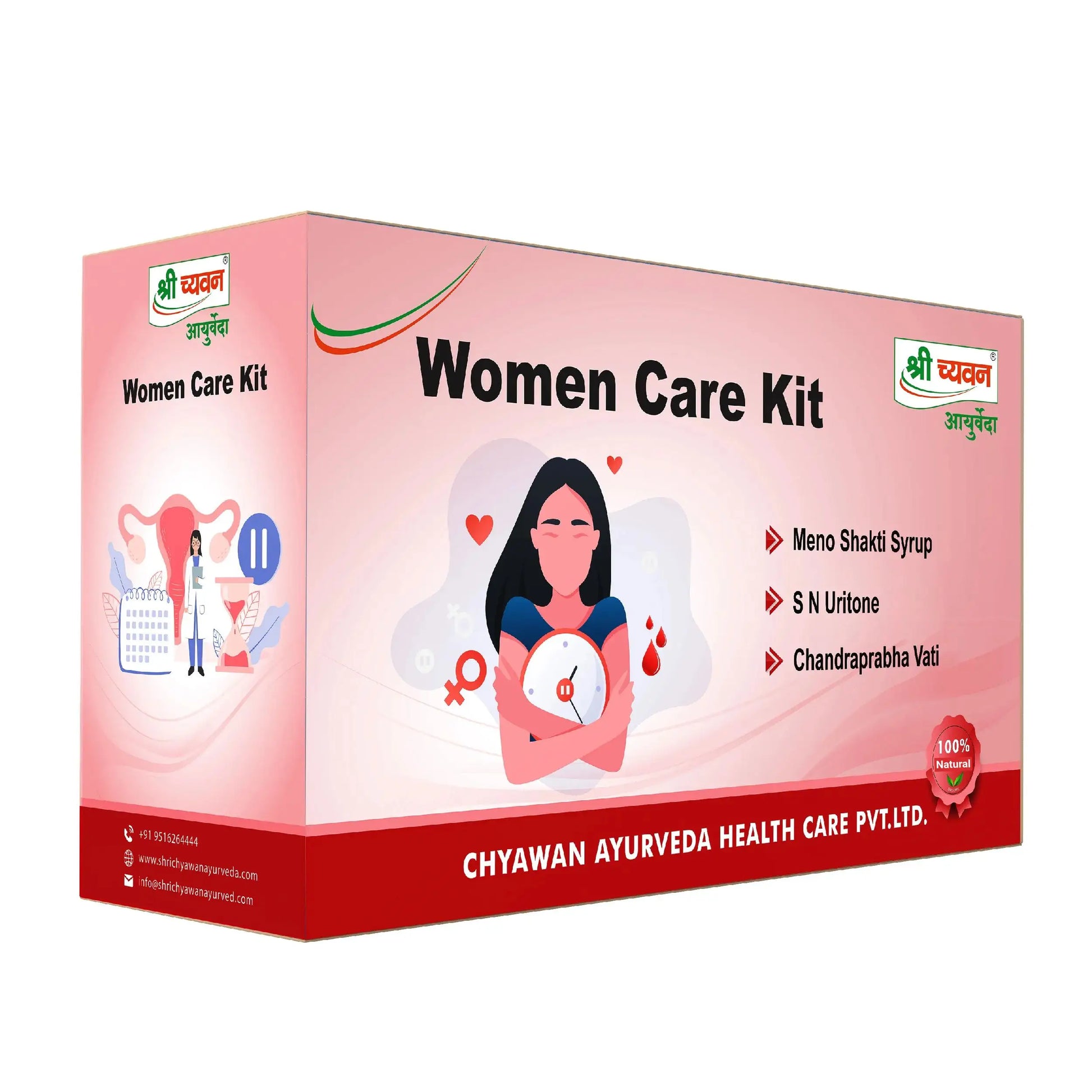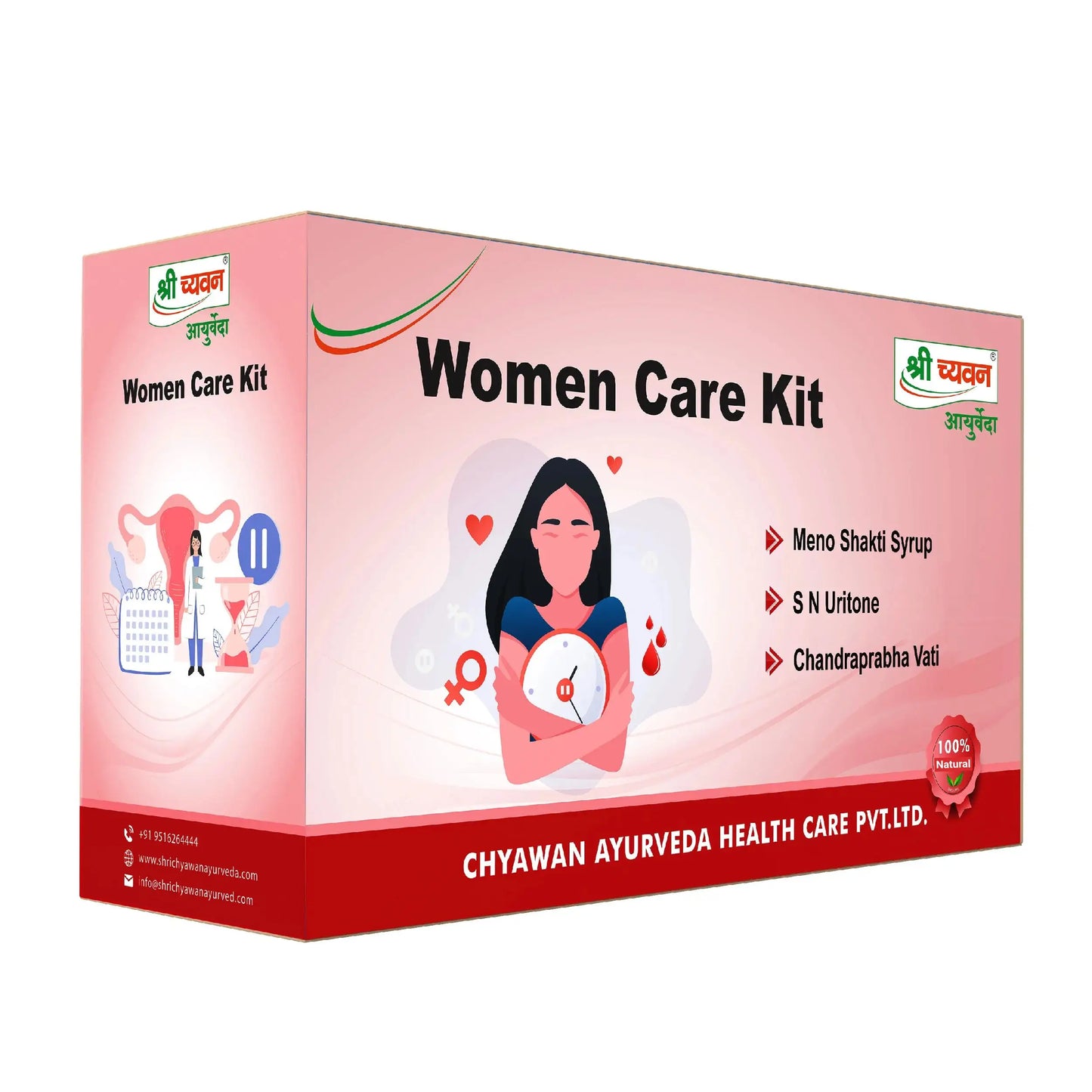

PCOD (Polycystic Ovarian Disease) is one of the most common hormonal disorders affecting women of reproductive age in India. It can lead to irregular periods, weight gain, acne, hair fall, mood swings, and fertility challenges. With changing lifestyles, unhealthy dietary habits, and increasing stress levels, the prevalence of PCOD has grown significantly among young women.
Many women are now turning towards Ayurveda for PCOD management because it focuses on balancing the body naturally rather than only addressing symptoms. Ayurvedic medicine aims to support hormonal health, regulate menstrual cycles, and improve overall reproductive wellness through herbs, lifestyle modifications, and healthy nutrition.
In this article, we will explore how Ayurvedic medicine can help regulate periods naturally and support long-term women's health.
What is PCOD?
PCOD is a condition in which the ovaries produce immature eggs that may develop into small cysts. These cysts can interfere with ovulation and affect hormone levels in the body.
When hormones become imbalanced, women may experience irregular menstrual cycles and various other symptoms that impact daily life.
Common Symptoms of PCOD
Women with PCOD may experience:
- Irregular or delayed periods
- Missed menstrual cycles
- Excessive hair growth on the face or body
- Acne and oily skin
- Weight gain
- Hair thinning
- Mood changes
- Difficulty conceiving
- Fatigue and low energy
The severity of symptoms may vary from one woman to another.
Why Does PCOD Affect Periods?
A normal menstrual cycle depends on healthy ovulation and balanced hormones. In women with PCOD, ovulation may become irregular or absent, causing periods to become delayed, infrequent, or unpredictable.
Hormonal imbalances involving estrogen, progesterone, insulin, and androgen levels often contribute to these menstrual irregularities.
Ayurveda for PCOD
Ayurveda views PCOD as an imbalance involving Kapha and Vata doshas along with weakened digestive and metabolic functions.
According to Ayurvedic principles:
- Excess Kapha can contribute to cyst formation and sluggish metabolism.
- Disturbed Vata can interfere with menstrual flow and reproductive functions.
- Impaired digestion may lead to toxin accumulation, affecting hormonal balance.
The Ayurvedic approach focuses on restoring balance naturally through herbs, diet, exercise, and healthy lifestyle habits.
How Ayurvedic Medicine Helps Regulate Periods
Ayurvedic formulations are designed to support the body's natural functions and reproductive health.
Supports Hormonal Balance
Certain Ayurvedic herbs help maintain healthy hormonal activity, which may contribute to more regular menstrual cycles.
Promotes Healthy Ovulation
Ayurvedic remedies aim to support ovarian function and reproductive wellness.
Supports Metabolism
Healthy metabolism plays an important role in hormonal regulation and weight management.
Encourages Better Digestion
Ayurveda considers strong digestion essential for overall health and hormone balance.
Helps Manage Stress
Stress can worsen PCOD symptoms. Ayurvedic herbs and wellness practices help support emotional well-being.
Best Ayurvedic Medicine for PCOD
Several herbs have traditionally been used in Ayurvedic formulations for women's reproductive health.
Shatavari
Shatavari is one of the most valued herbs for female wellness.
Benefits
- Supports hormonal balance
- Promotes menstrual regularity
- Supports reproductive health
- Helps maintain overall vitality
Ashoka
Ashoka is commonly used in Ayurvedic medicine for menstrual wellness.
Benefits
- Supports uterine health
- Helps maintain healthy menstrual cycles
- Promotes female reproductive wellness
Lodhra
Lodhra is known for supporting women's hormonal and reproductive health.
Benefits
- Supports menstrual regularity
- Promotes hormonal balance
- Supports reproductive function
Ashwagandha
Stress is often associated with hormonal disturbances.
Benefits
- Supports stress management
- Promotes energy and vitality
- Supports emotional balance
- Helps maintain hormonal wellness
Guduchi
Guduchi is widely used as a rejuvenating herb.
Benefits
- Supports healthy metabolism
- Promotes overall wellness
- Supports immune health
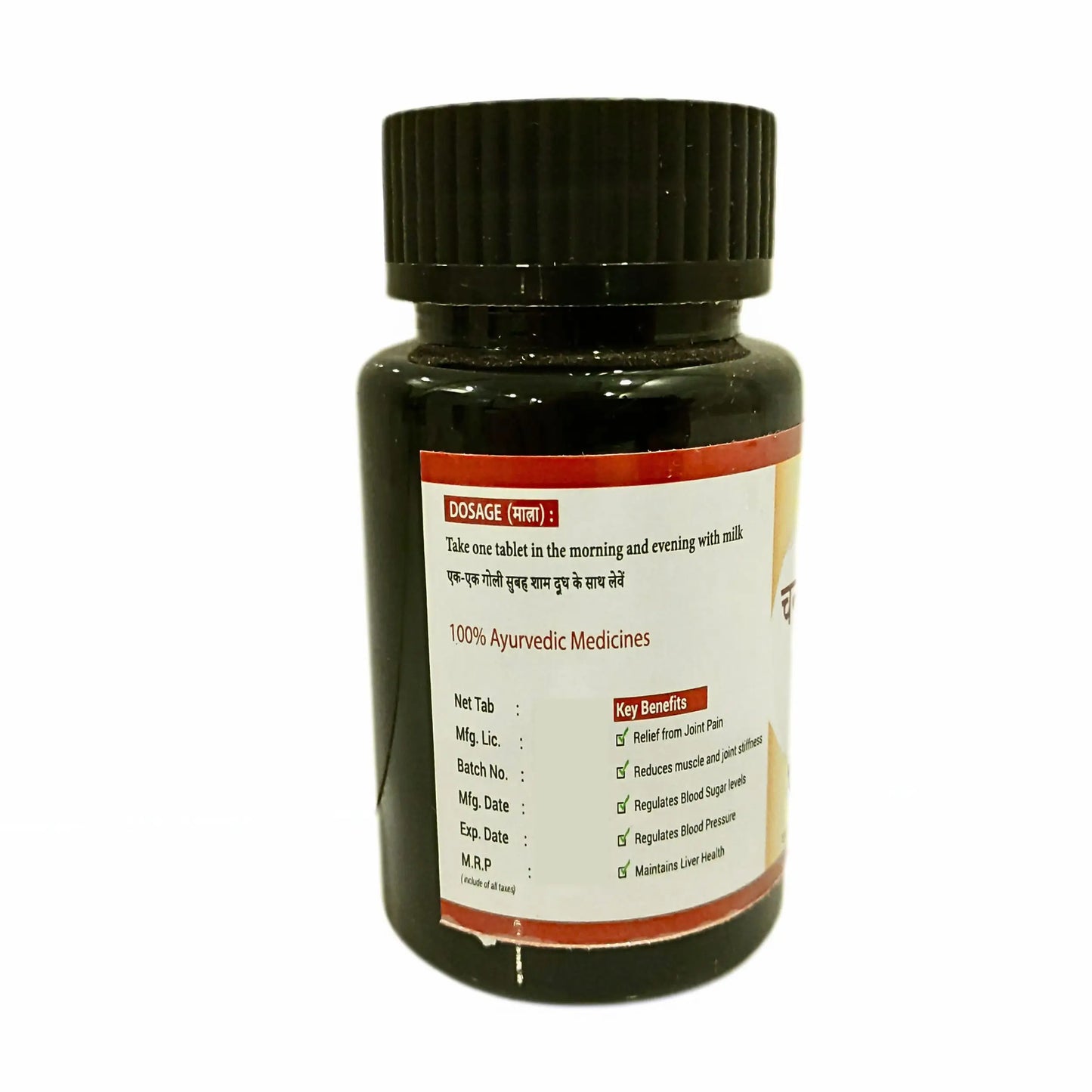
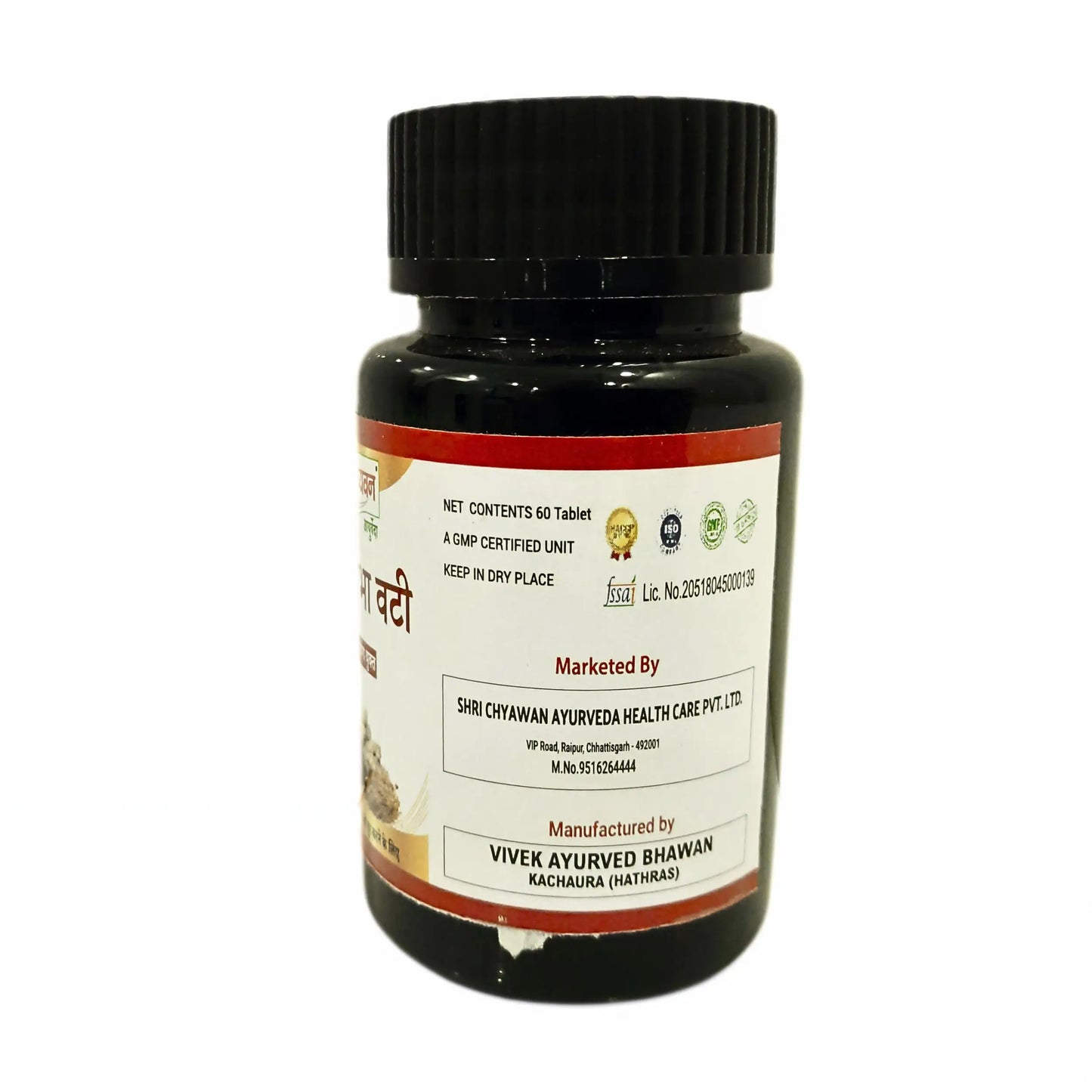
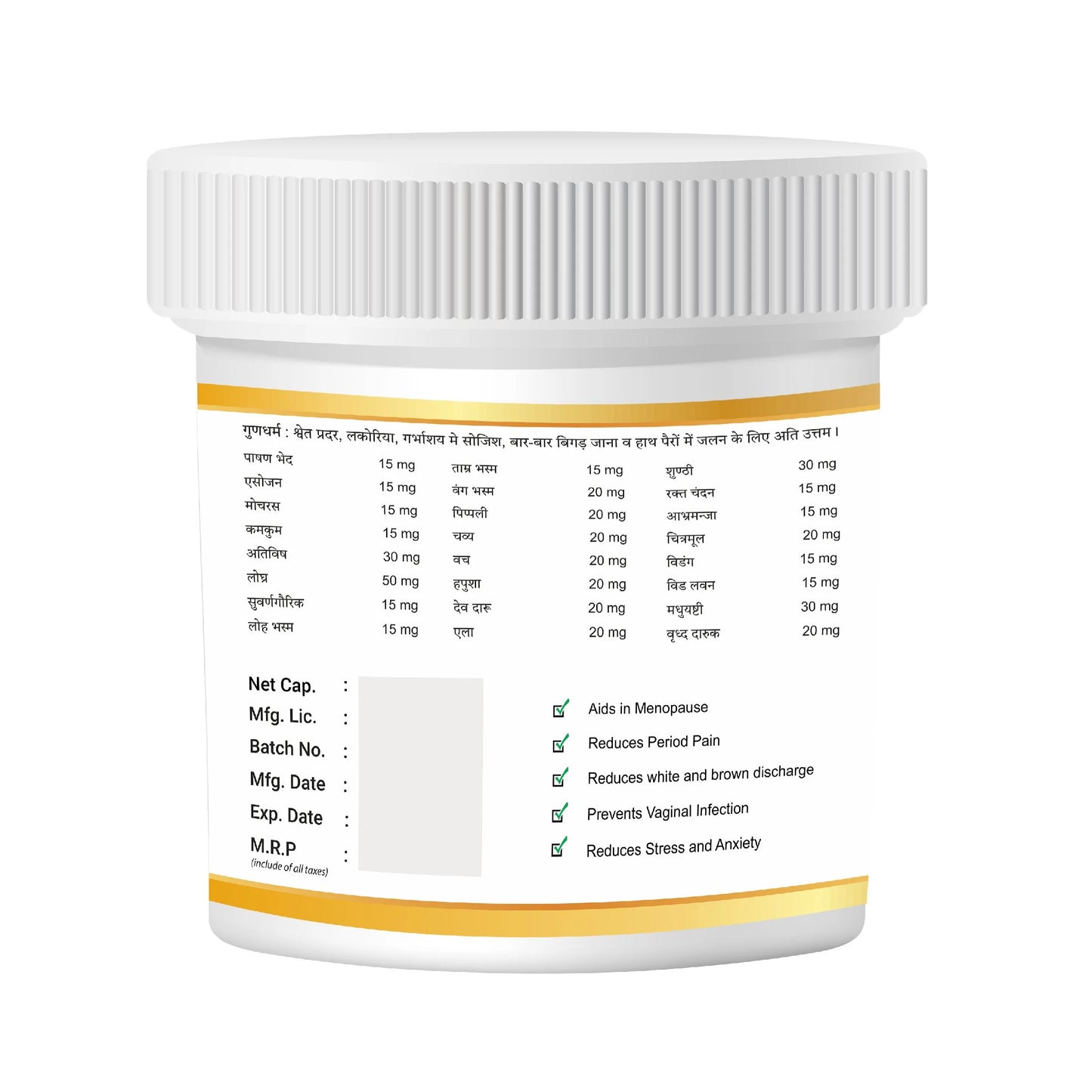
PCOD Ayurvedic Tablets
Ayurvedic tablets are among the most popular options for women seeking convenient daily support.
Benefits of PCOD Ayurvedic Tablets
- Easy to consume
- Convenient dosage
- Supports hormonal health
- Helps maintain menstrual regularity
- Supports reproductive wellness
Many Ayurvedic tablets combine multiple herbs that work together to support female health naturally.
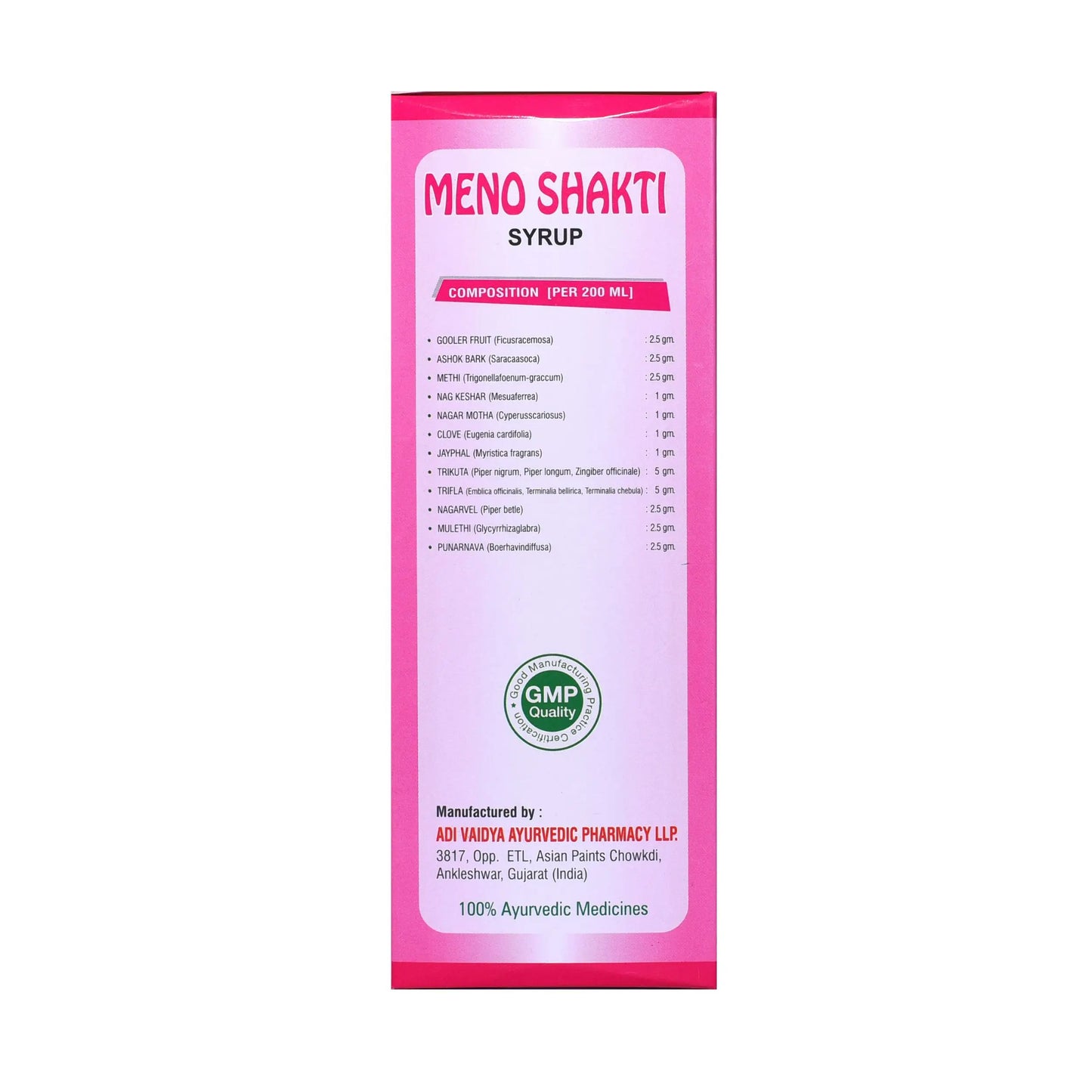
PCOD Ayurvedic Syrup
Ayurvedic syrups are another commonly preferred option because they are easy to consume and often contain a blend of traditional herbs.
Benefits of PCOD Ayurvedic Syrup
- Easy daily consumption
- Supports healthy menstrual cycles
- Promotes hormonal balance
- Supports reproductive health
- Helps maintain overall wellness
Many women choose Ayurvedic syrups as part of their regular wellness routine.

Importance of Diet in PCOD Management
Diet plays a major role in managing PCOD naturally.
Foods to Include
Fresh Vegetables
Vegetables provide essential nutrients and fibre.
Seasonal Fruits
Choose fruits rich in vitamins and antioxidants.
Whole Grains
Whole grains support sustained energy and digestion.
Nuts and Seeds
Healthy fats contribute to hormone production and balance.
Protein-Rich Foods
Protein supports metabolism and helps maintain healthy body composition.
Foods to Limit
Women with PCOD should try to reduce:
- Refined sugar
- Processed foods
- Sugary beverages
- Deep-fried snacks
- Excessive junk food
Healthier food choices support hormonal wellness and metabolic health.
Lifestyle Tips for Women with PCOD
Exercise Regularly
Physical activity supports weight management and hormone balance.
Maintain Healthy Sleep Patterns
Good sleep supports hormone production and recovery.
Manage Stress
Stress can negatively affect menstrual health and hormone levels.
Stay Hydrated
Proper hydration supports overall bodily functions.
Follow a Consistent Routine
Ayurveda emphasizes daily routines to support long-term wellness.
Yoga for PCOD
Yoga is often recommended as part of a healthy lifestyle for women with PCOD.
Helpful Yoga Poses
- Butterfly Pose
- Cobra Pose
- Child's Pose
- Cat-Cow Stretch
- Bridge Pose
Regular practice may help improve flexibility, circulation, and relaxation.

Long-Term Benefits of Ayurveda for PCOD
Many women choose Ayurveda because it focuses on sustainable wellness rather than short-term symptom management.
Potential Benefits
- Supports hormonal balance naturally
- Promotes menstrual regularity
- Supports reproductive health
- Encourages healthy metabolism
- Supports emotional well-being
- Promotes overall wellness
When combined with a healthy lifestyle, Ayurvedic practices may help women achieve better long-term health outcomes.
Frequently Asked Questions (FAQs)
1. What is the best Ayurvedic medicine for PCOD?
Herbs such as Shatavari, Ashoka, Lodhra, Ashwagandha, and Guduchi are commonly used in Ayurvedic formulations that support hormonal and reproductive health.
2. Can Ayurveda help regulate irregular periods in PCOD?
Ayurveda focuses on supporting hormonal balance and reproductive wellness, which may help maintain healthier menstrual cycles.
3. Are PCOD Ayurvedic tablets useful for women's health?
Many Ayurvedic tablets contain herbs traditionally used to support menstrual and hormonal wellness.
4. What are the benefits of PCOD Ayurvedic syrup?
Ayurvedic syrups may support hormonal balance, reproductive wellness, and menstrual health as part of a healthy lifestyle.
5. Is diet important in managing PCOD?
Yes. A nutritious diet plays a major role in supporting hormone balance, metabolism, and overall wellness.
6. Can stress worsen PCOD symptoms?
Stress can influence hormone levels and may contribute to menstrual irregularities and other PCOD-related concerns.
7. How long does Ayurveda take to show results for PCOD?
Results vary depending on individual health conditions, consistency, lifestyle habits, and overall wellness practices.
Conclusion
PCOD is a growing health concern among women in India, often affecting menstrual cycles, hormonal balance, and overall well-being. While managing PCOD requires a comprehensive approach, Ayurveda offers a natural pathway toward supporting reproductive health and menstrual regularity.
By combining Ayurvedic medicine for PCOD, with tablets, syrups, healthy nutrition, regular exercise, and stress management, women can take positive steps toward achieving better hormonal balance and long-term wellness.