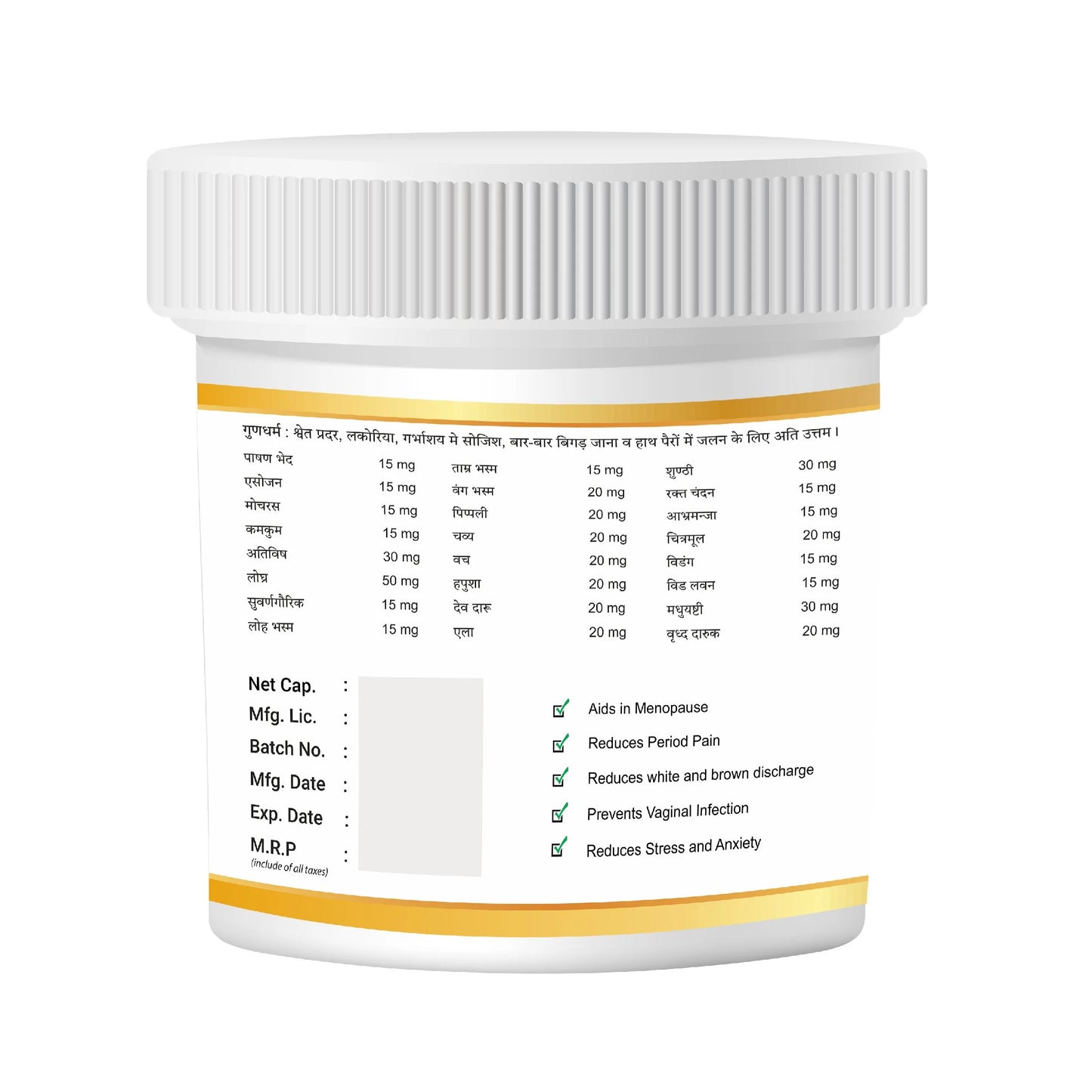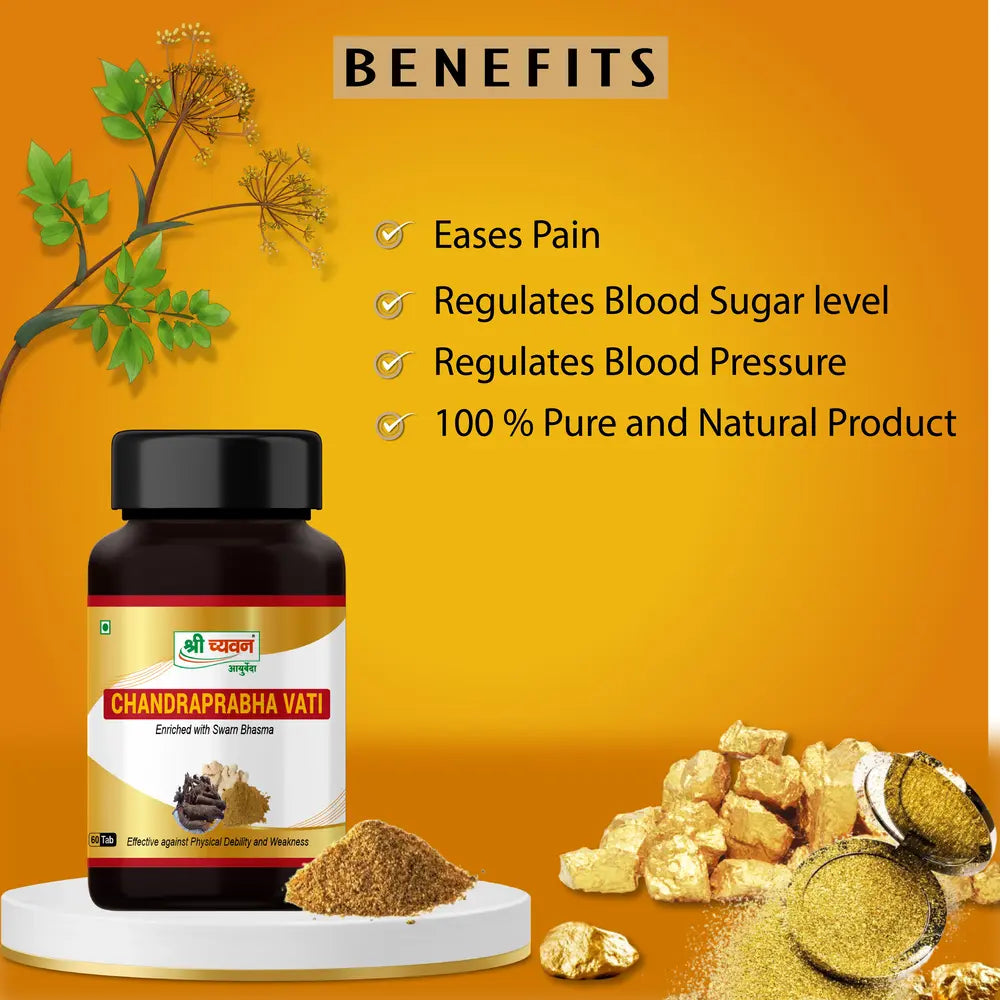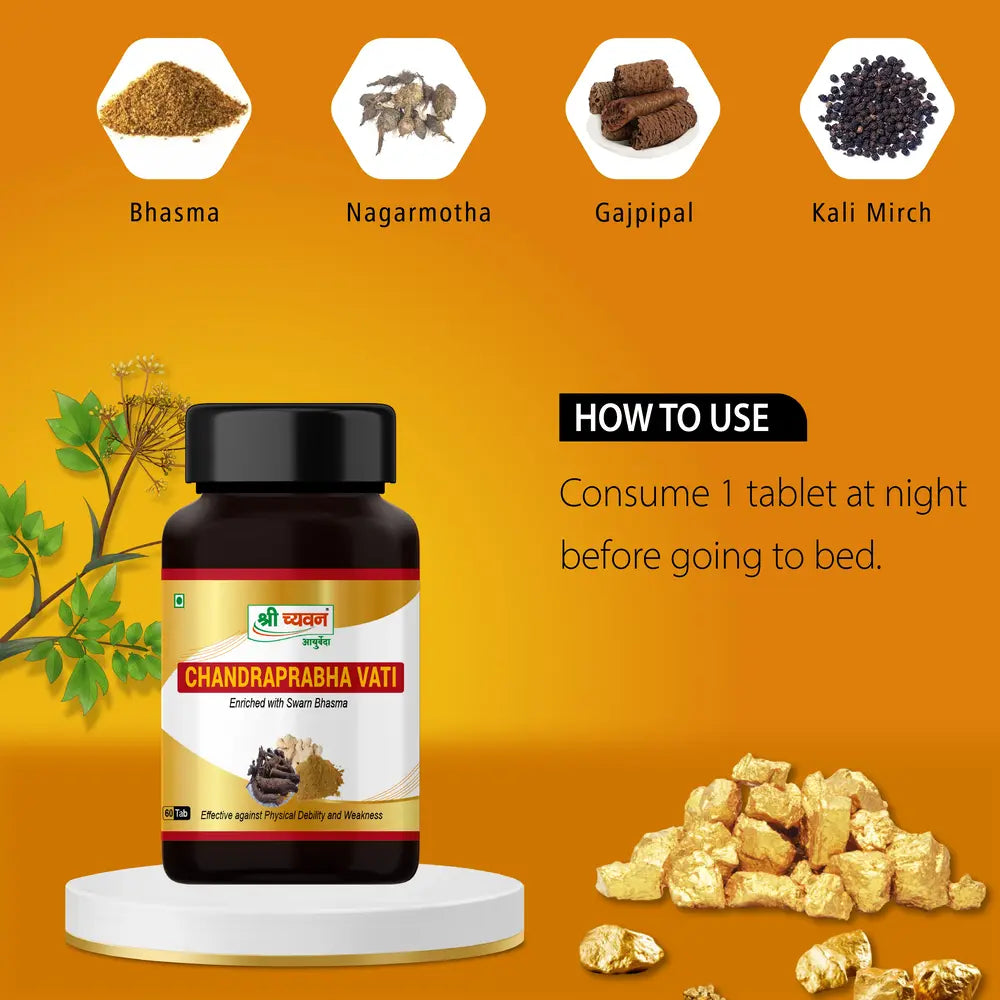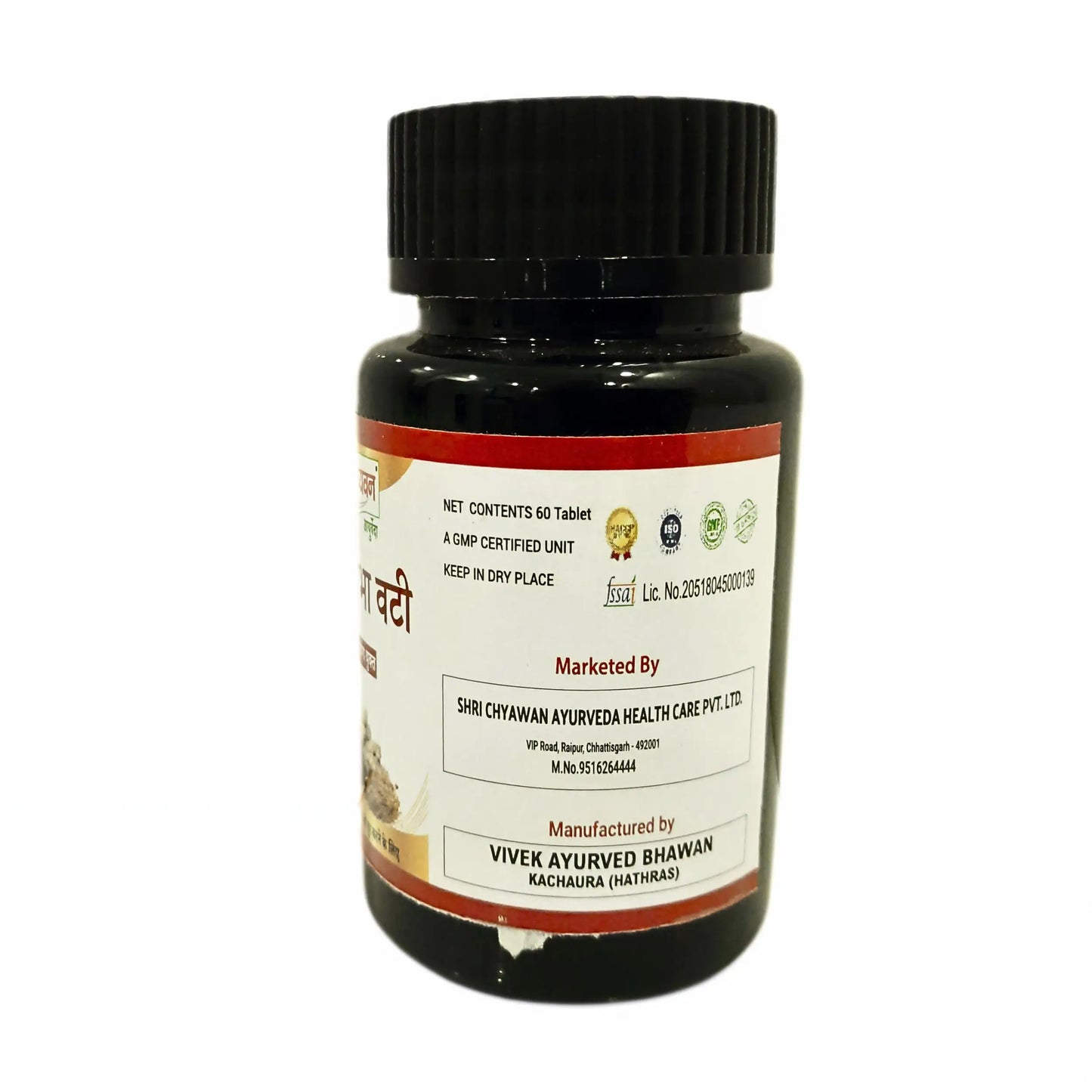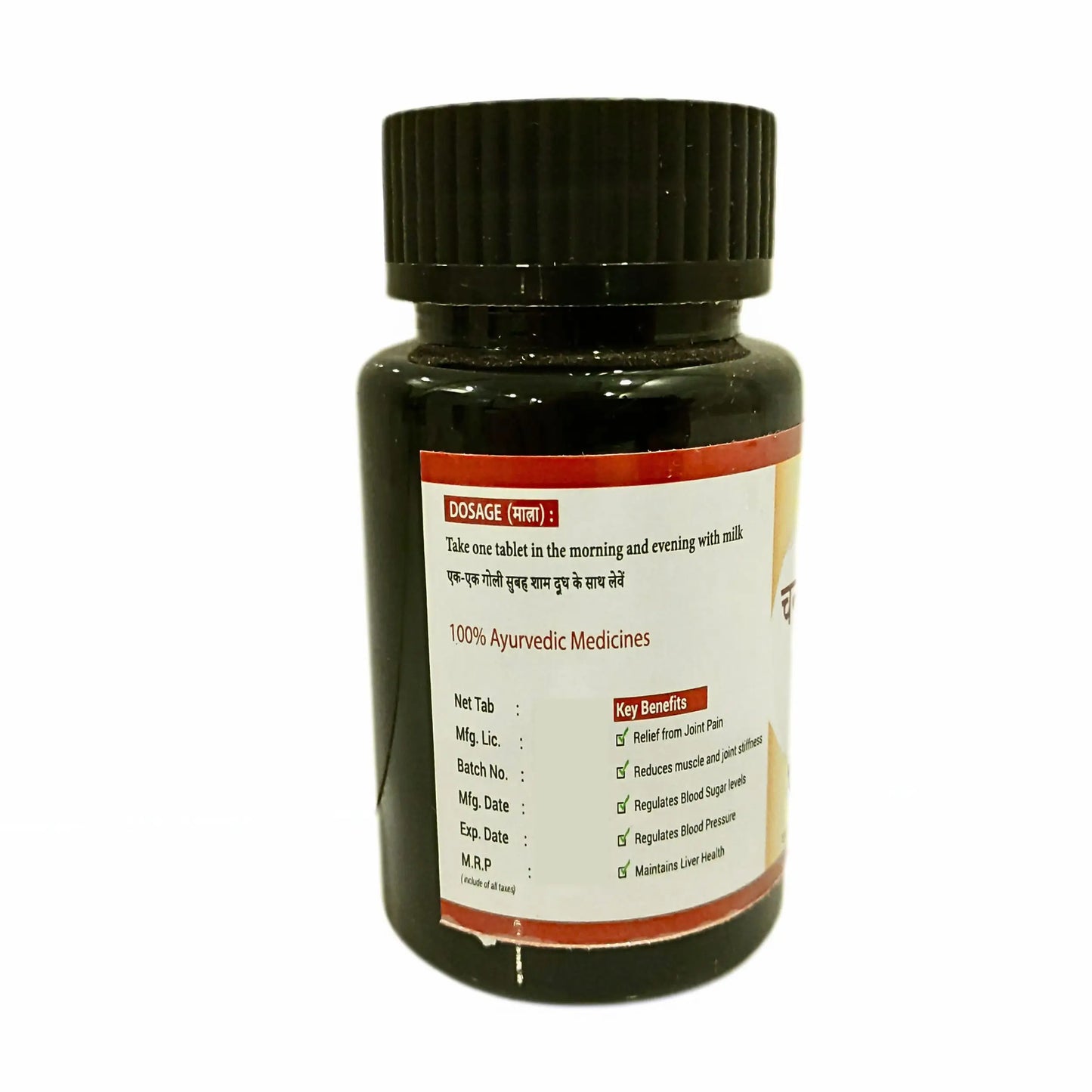

PCOD (Polycystic Ovarian Disease) has become one of the most common hormonal disorders affecting women in India. Changing lifestyles, unhealthy eating habits, stress, and lack of physical activity have contributed significantly to the growing number of PCOD cases. Women with PCOD often experience irregular periods, weight gain, acne, hair fall, mood swings, and fertility-related concerns.
While conventional treatments may help manage symptoms, many women are now exploring Ayurveda for PCOD as a natural and holistic approach. Ayurveda focuses on correcting the root cause of hormonal imbalance rather than simply suppressing symptoms. With the right Ayurvedic medicines, healthy lifestyle practices, and dietary modifications, women can support long-term reproductive and hormonal health.
In this article, we will discuss how Ayurvedic medicine approaches PCOS and PCOD management, and practical tips for long-term relief.
What is PCOD?
PCOD is a condition where the ovaries produce immature or partially mature eggs, which may eventually form cysts. This hormonal imbalance can interfere with ovulation and menstrual cycles.
Women with PCOD may experience symptoms that affect both physical and emotional health. Early management is important to prevent complications and improve overall well-being.
Common Symptoms of PCOD
Symptoms can vary from person to person, but some of the most common signs include:
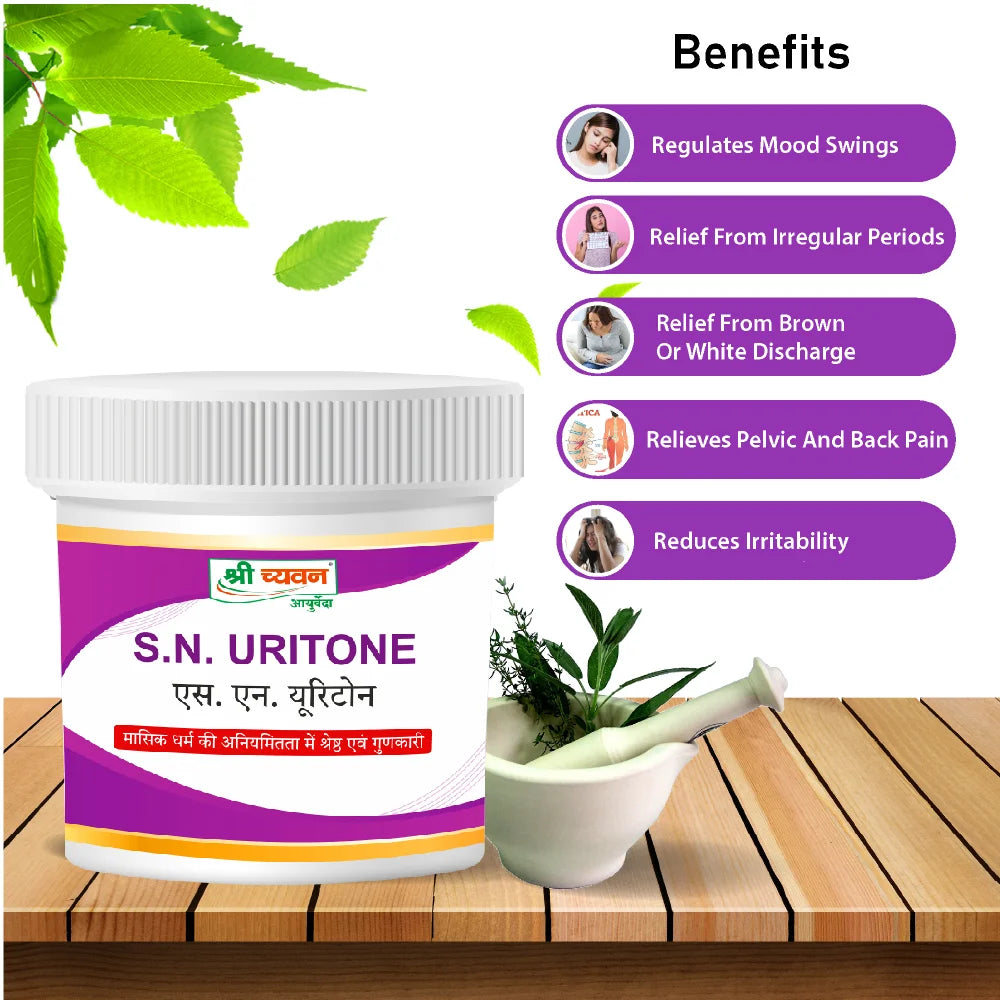
- Irregular or missed periods
- Weight gain, especially around the abdomen
- Acne and oily skin
- Hair thinning or excessive hair fall
- Excess facial or body hair growth
- Difficulty conceiving
- Mood swings
- Fatigue and low energy
- Sleep disturbances
If these symptoms persist, professional medical evaluation is recommended to identify the underlying cause.
Understanding PCOD in Ayurveda
According to Ayurveda, PCOD is not viewed as a single disease but rather as an imbalance in the body's natural systems. It is often associated with disturbances in Kapha and Vata doshas.
Kapha Imbalance
Excess Kapha may contribute to:
- Weight gain
- Sluggish metabolism
- Cyst formation
- Hormonal imbalance
Vata Imbalance
Disturbed Vata can affect:
- Ovulation
- Menstrual regularity
- Reproductive function
Ayurveda aims to restore balance through herbal support, proper nutrition, detoxification, and healthy lifestyle practices.
Why Choose Ayurveda for PCOD?
Many women choose Ayurvedic treatment because it focuses on overall wellness rather than symptom management alone.
Benefits of Ayurveda for PCOD
- Supports hormonal balance naturally
- Promotes regular menstrual cycles
- Encourages healthy metabolism
- Supports reproductive health
- Helps maintain healthy weight
- Focuses on long-term wellness
- Encourages lifestyle improvements
The holistic nature of Ayurveda makes it a popular choice among women looking for sustainable solutions.
Best Ayurvedic Medicine for PCOD
Several Ayurvedic herbs have traditionally been used to support hormonal and reproductive health.
Shatavari
Shatavari is one of the most widely used herbs for women's wellness.
Benefits
- Supports hormonal balance
- Helps maintain menstrual regularity
- Promotes reproductive health
- Supports overall vitality
Ashoka
Ashoka has been used in Ayurvedic formulations for centuries.
Benefits
- Supports uterine health
- Helps manage menstrual irregularities
- Promotes reproductive wellness
Lodhra
Lodhra is commonly included in Ayurvedic formulations for women.
Benefits
- Supports healthy menstrual cycles
- Helps maintain hormonal balance
- Supports reproductive function
Ashwagandha
Stress can worsen hormonal imbalance and PCOD symptoms.
Benefits
- Supports stress management
- Improves energy levels
- Promotes hormonal wellness
- Supports emotional balance
Guduchi
Guduchi is known for its rejuvenating properties.
Benefits
- Supports metabolism
- Promotes overall wellness
- Helps maintain immune health
- Supports healthy bodily functions
PCOD Medicine in Ayurveda
Ayurvedic formulations often combine multiple herbs to support reproductive and hormonal health.
These formulations may be available in the form of:
- Tablets
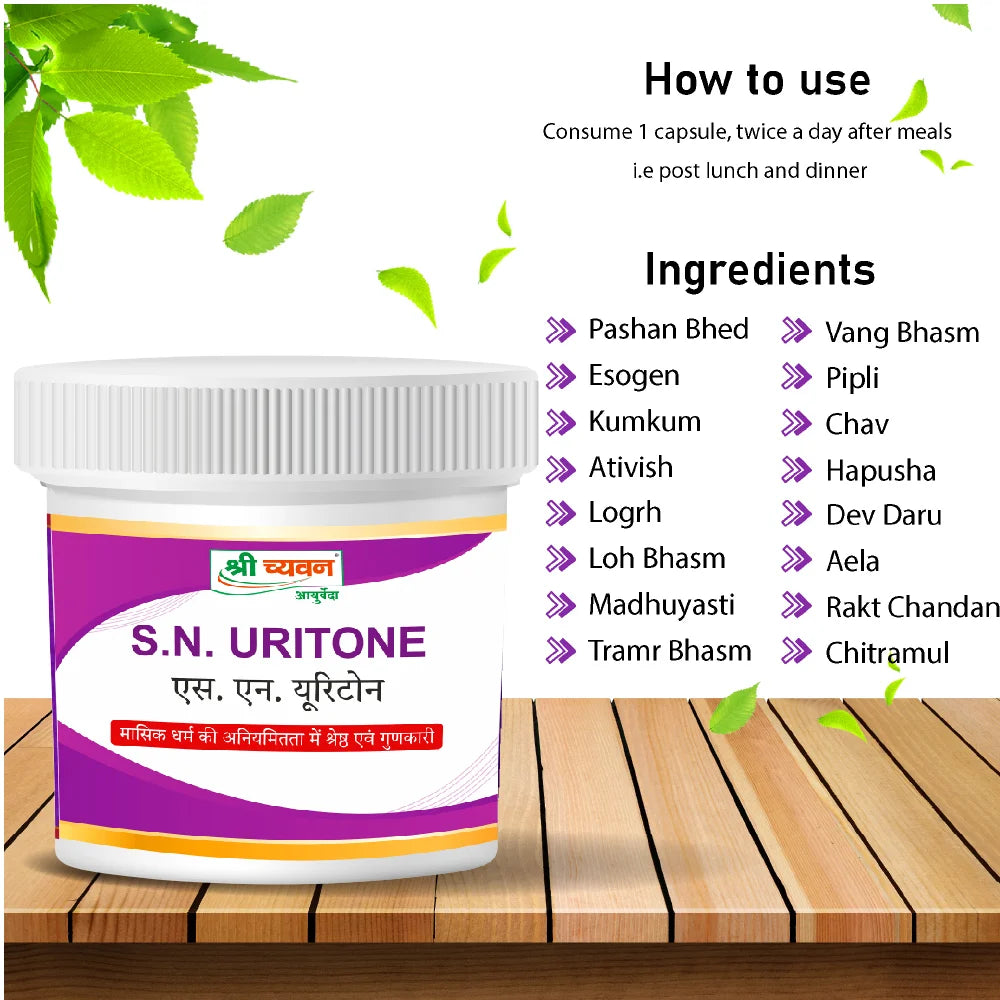
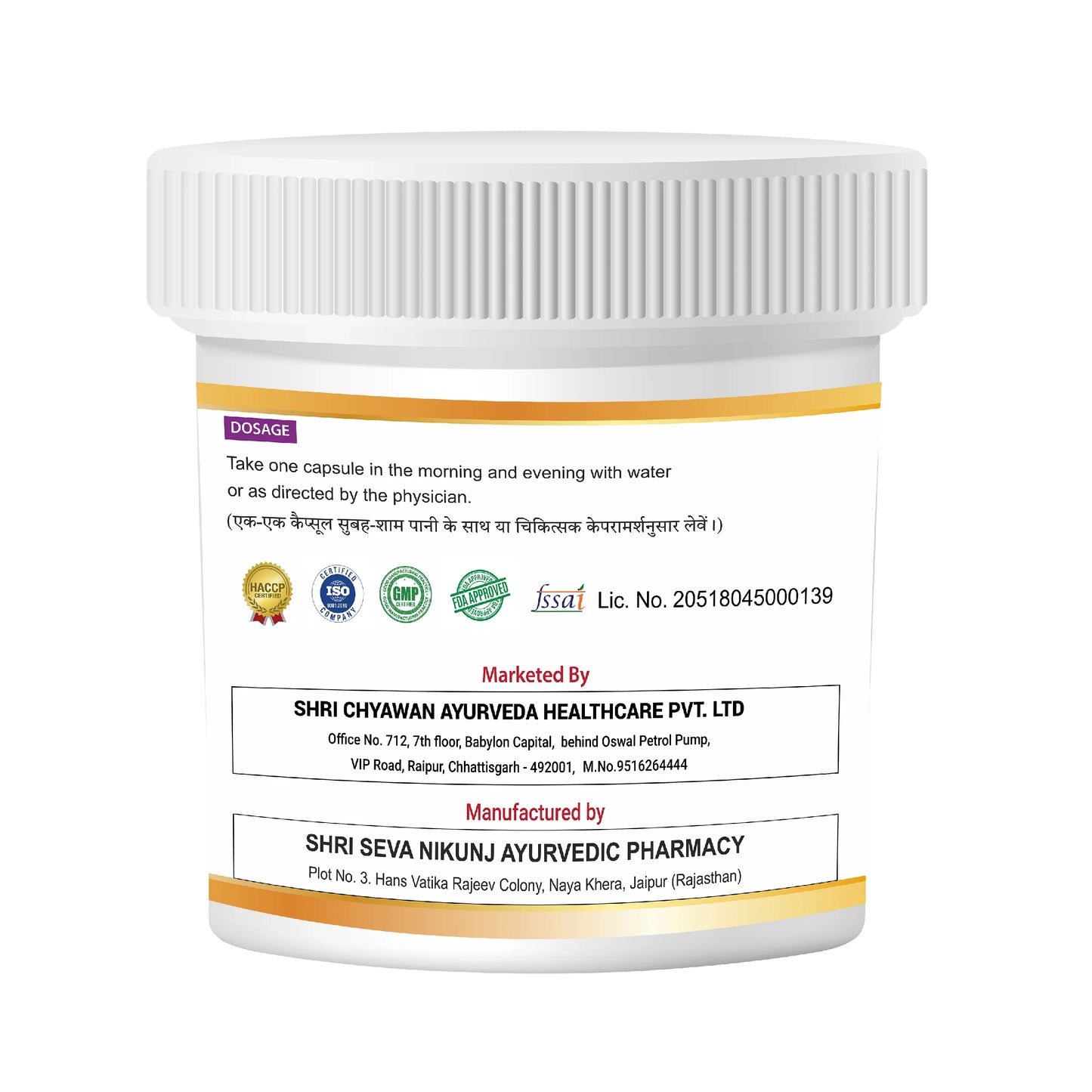
- Capsules
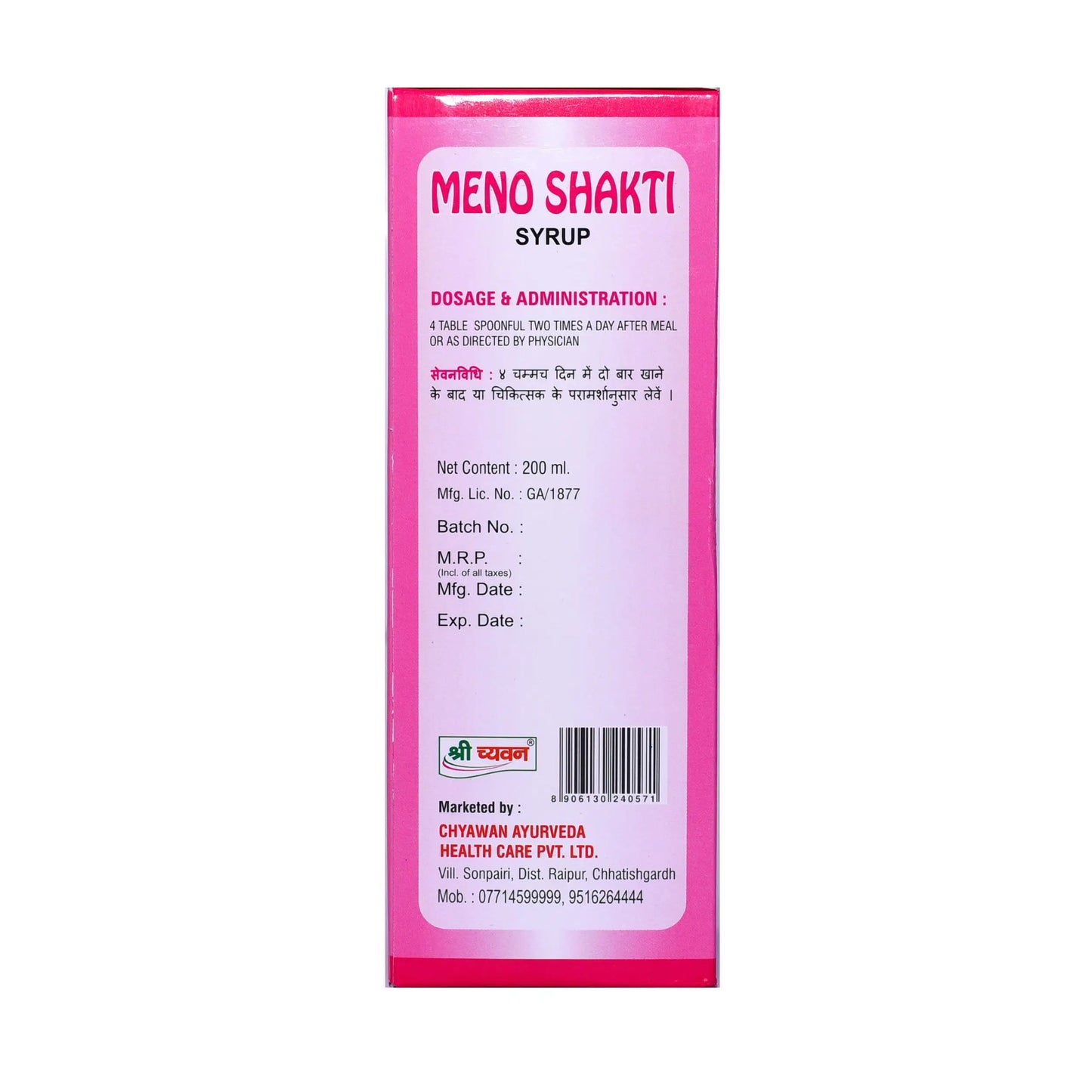
- Syrups
- Powders
- Herbal decoctions
The choice of formulation depends on individual needs and professional guidance.
Ayurvedic Medicine for PCOS and PCOD
Although PCOS and PCOD are often used interchangeably, both conditions involve hormonal imbalance and reproductive health concerns.
Ayurvedic management typically focuses on:
- Hormonal support
- Metabolic balance
- Digestive health
- Stress reduction
- Menstrual regularity
A comprehensive approach helps support long-term health outcomes.
Diet Tips for Managing PCOD Naturally
Diet plays a major role in supporting hormonal health.
Foods to Include
Fresh Vegetables
Green vegetables provide essential nutrients and fibre.
Seasonal Fruits
Choose fruits that are rich in vitamins and antioxidants.
Whole Grains
Whole grains support digestive health and sustained energy.
Nuts and Seeds
Healthy fats help support hormonal balance.
Lentils and Legumes
They provide plant-based protein and essential nutrients.
Foods to Limit
Women managing PCOD should try to reduce:
- Refined sugar
- White flour products
- Packaged snacks
- Sugary beverages
- Deep-fried foods
- Excessive processed foods
Making healthier food choices can positively impact hormonal wellness.

Importance of Physical Activity in PCOD
Regular exercise plays a significant role in supporting hormonal balance.
Benefits of Exercise
- Supports healthy weight management
- Improves metabolism
- Promotes better mood
- Helps reduce stress
- Supports reproductive health
Even simple activities such as walking, yoga, or cycling can contribute to better health.
Yoga for PCOD Management
Yoga is often recommended as part of a healthy lifestyle.
Helpful Yoga Practices
- Butterfly Pose
- Cobra Pose
- Child's Pose
- Cat-Cow Stretch
- Bridge Pose
Regular practice may help improve flexibility, circulation, and relaxation.
Stress Management and Hormonal Health
Stress can significantly affect hormone production and menstrual cycles.
Ways to Reduce Stress
- Meditation
- Deep breathing exercises
- Spending time outdoors
- Maintaining a healthy sleep routine
- Practicing mindfulness
Managing stress effectively can support overall hormonal wellness.
Sleep and PCOD
Poor sleep habits may contribute to hormonal imbalance.
Tips for Better Sleep
- Maintain a regular sleep schedule
- Avoid screen time before bed
- Create a relaxing bedtime routine
- Limit caffeine intake late in the day
Quality sleep is essential for healthy hormone regulation.

Long-Term Lifestyle Changes for PCOD
Ayurveda emphasizes consistency rather than quick fixes.
Women seeking long-term relief from PCOD should focus on:
- Balanced nutrition
- Regular physical activity
- Stress management
- Adequate sleep
- Healthy daily routines
- Consistent wellness practices
These habits can support hormonal balance and overall well-being over time.
Frequently Asked Questions (FAQs)
1. What is the best Ayurvedic medicine for PCOD?
Herbs such as Shatavari, Ashoka, Lodhra, Ashwagandha, and Guduchi are commonly used in Ayurvedic formulations that support women's reproductive and hormonal health.
2. Can Ayurveda help with irregular periods caused by PCOD?
Ayurveda focuses on supporting hormonal balance and reproductive wellness, which may help improve menstrual regularity over time.
3. Is Ayurveda useful for PCOS and PCOD?
Many women choose Ayurveda because it promotes a holistic approach that supports hormonal, metabolic, and reproductive health.
4. How long does Ayurvedic treatment for PCOD take?
The timeline varies depending on individual health conditions, lifestyle factors, and consistency in following wellness recommendations.
5. Can lifestyle changes improve PCOD symptoms?
Yes. Healthy eating habits, regular exercise, stress management, and adequate sleep can play an important role in managing PCOD.
6. Does stress affect PCOD?
Stress can influence hormone levels and may worsen symptoms associated with PCOD and hormonal imbalance.
7. Is diet important in managing PCOD?
Yes. A balanced diet rich in whole foods and nutrients supports healthy hormone function and overall wellness.
Conclusion
PCOD is a common hormonal condition that affects millions of women across India. While it can impact menstrual health, fertility, metabolism, and emotional well-being, a holistic approach can make a meaningful difference.
Ayurveda for PCOD focuses on restoring balance within the body through traditional herbs, healthy nutrition, stress management, and lifestyle modifications. By combining the best Ayurvedic medicine for PCOD with sustainable daily habits, women can work toward improved hormonal health and long-term wellness.
Consistency, patience, and a comprehensive wellness approach remain the keys to managing PCOD naturally and effectively.