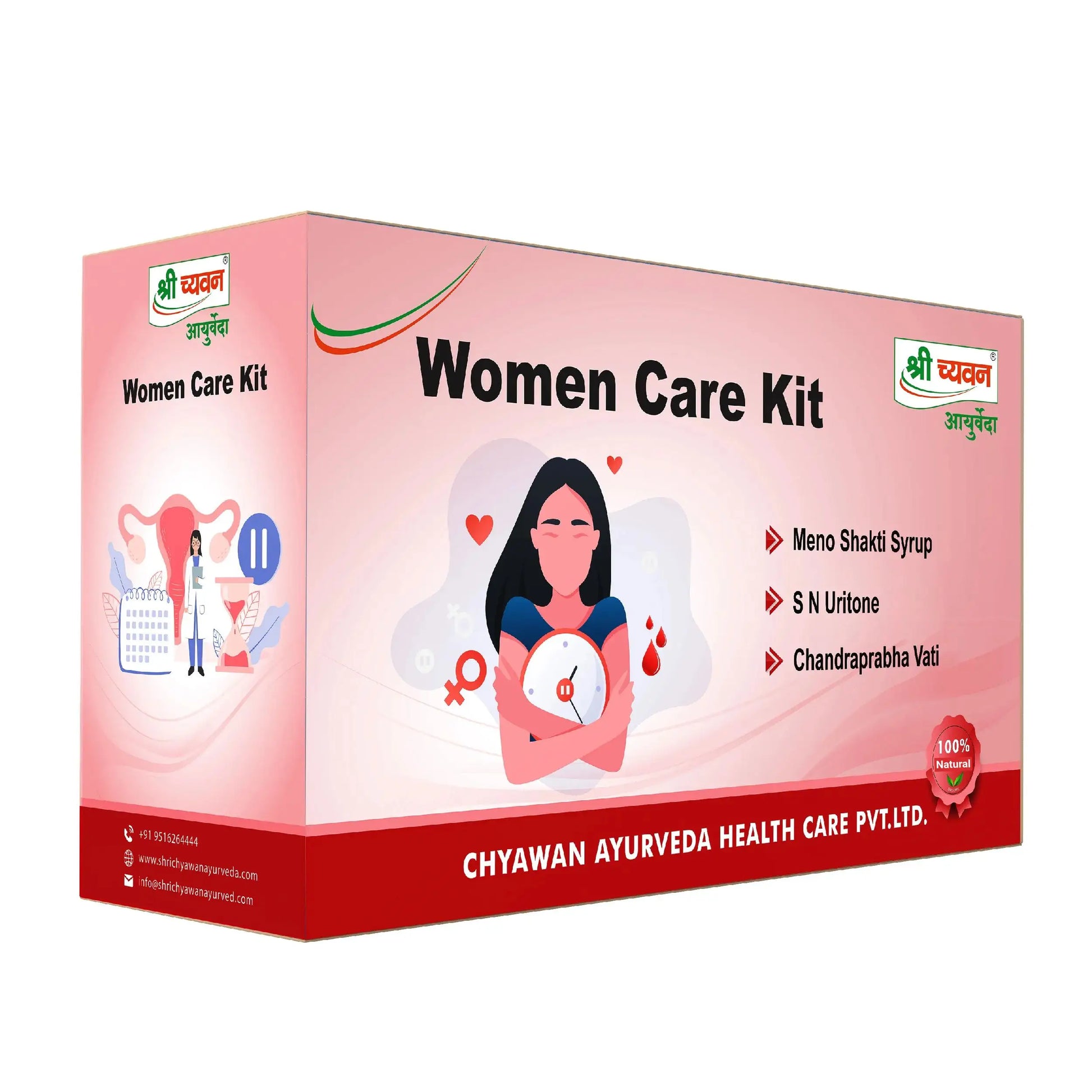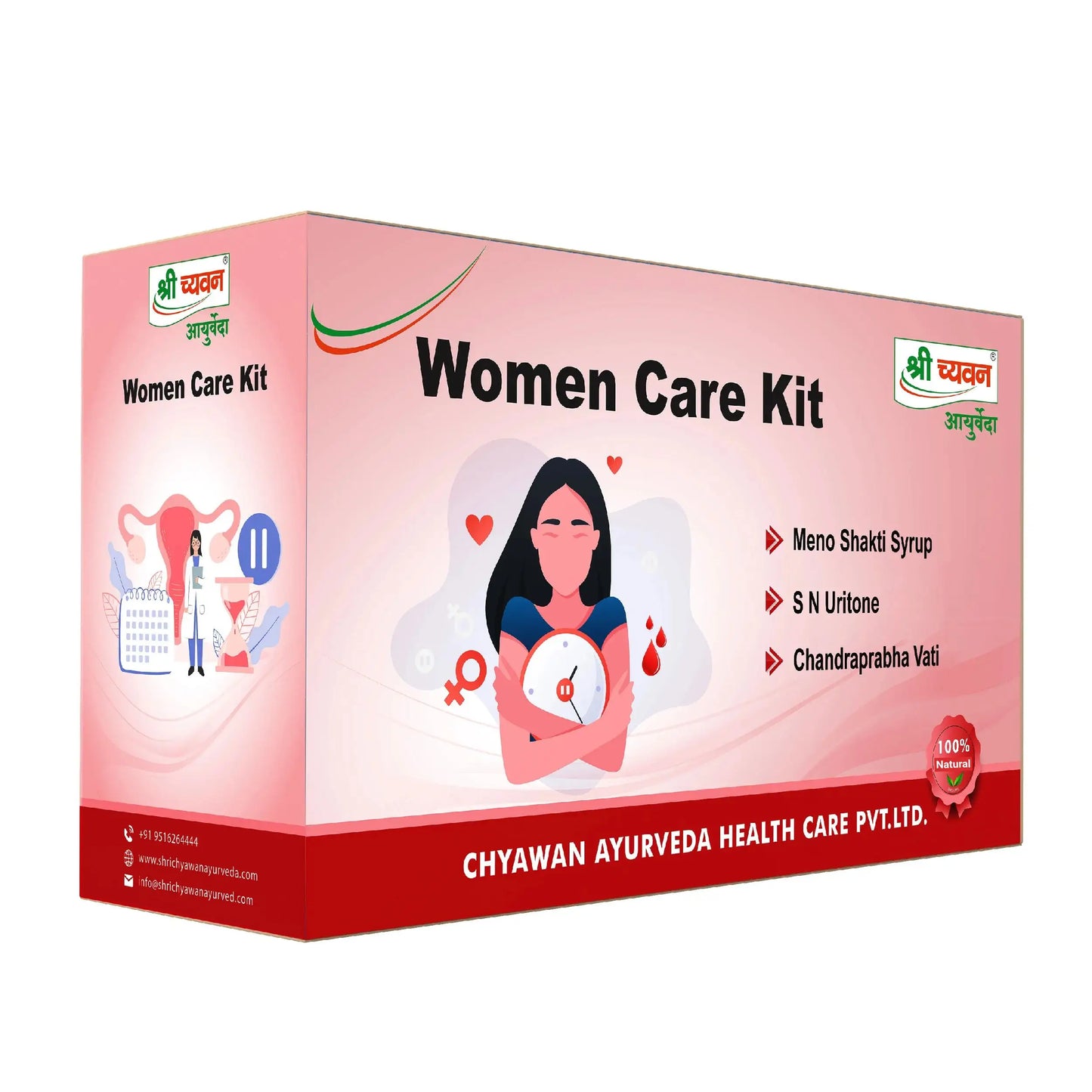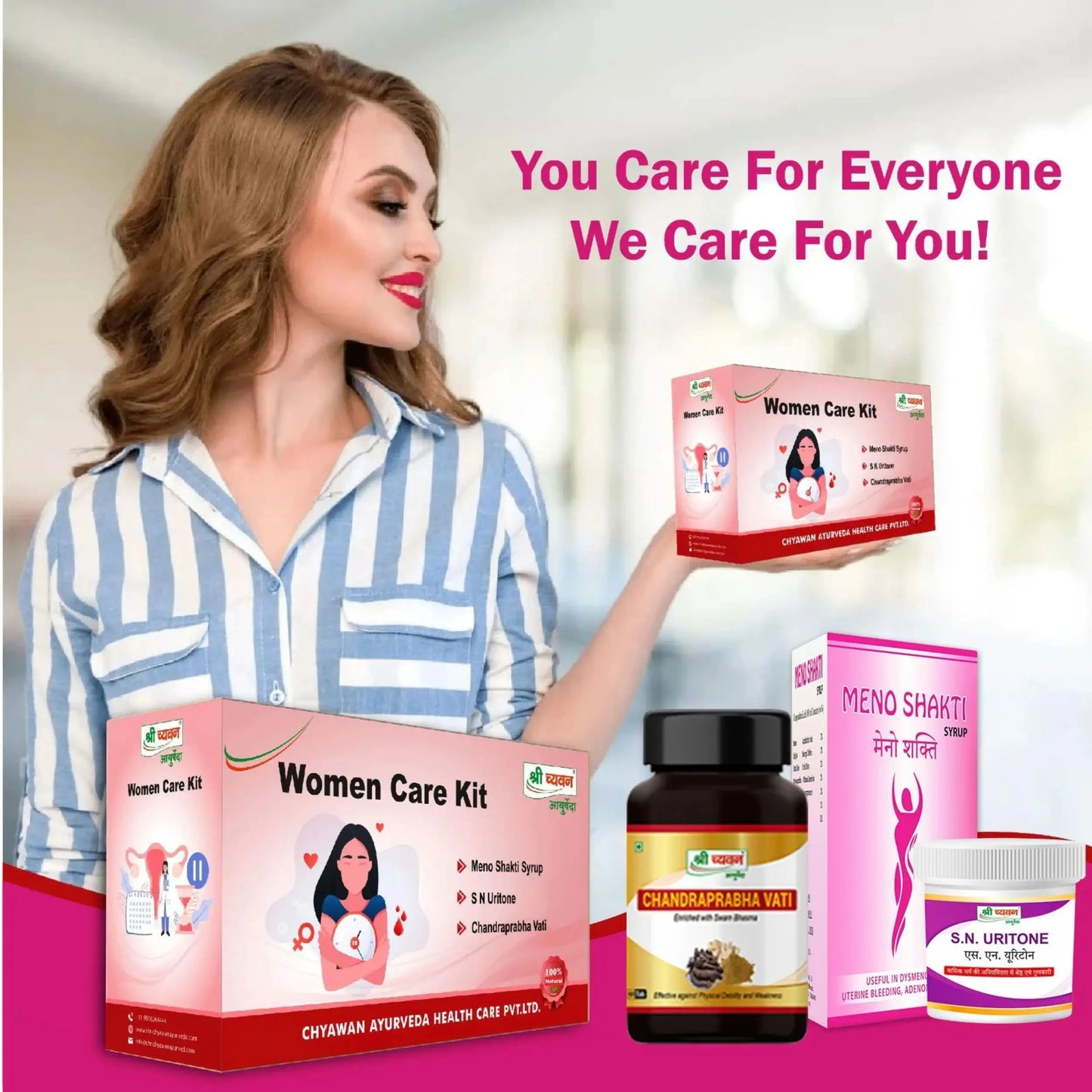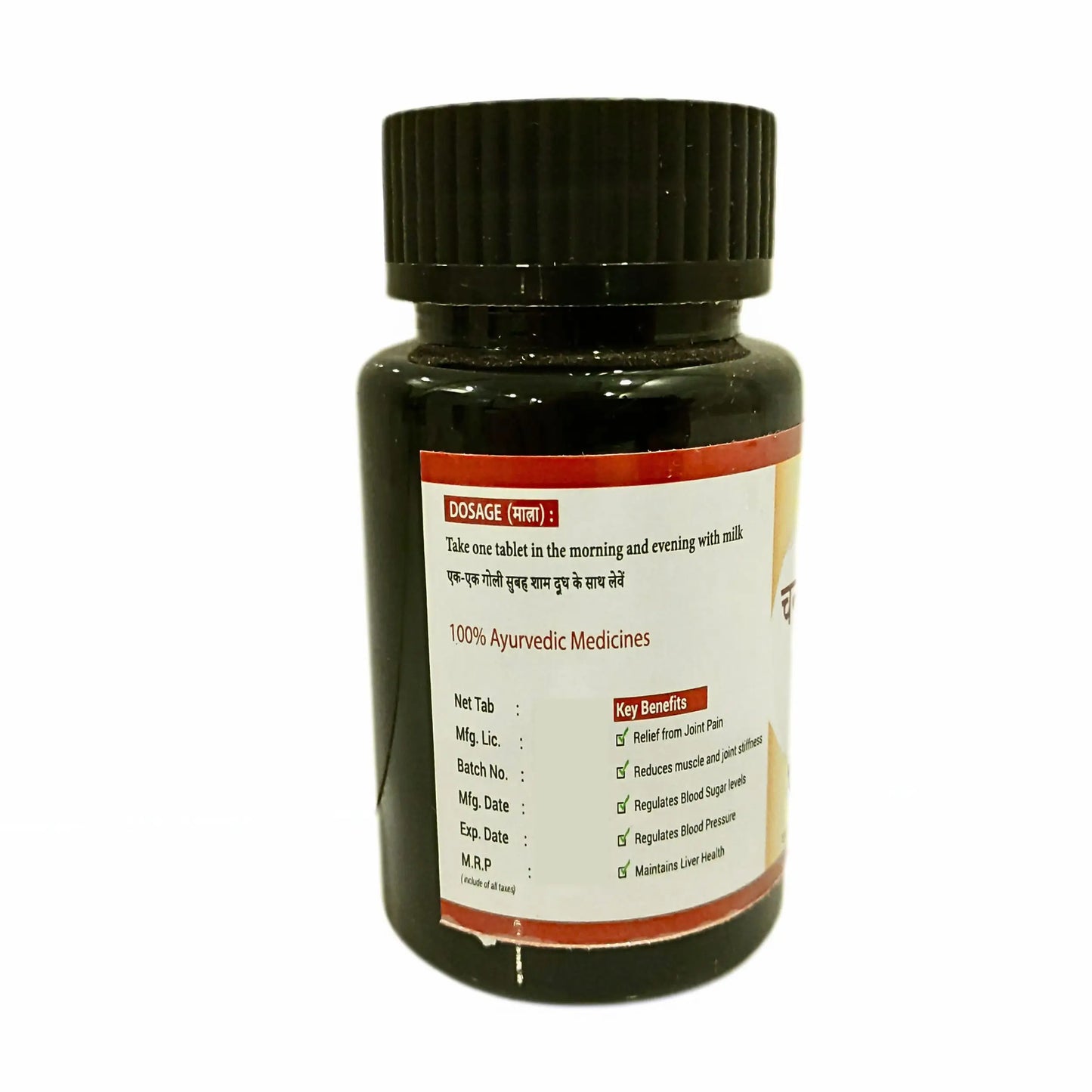

Polycystic ovary syndrome, commonly called PCOS and often referred to as PCOD in India, is a common hormonal and metabolic condition that can affect menstrual cycles, ovulation, skin, hair, weight, and fertility. Women experiencing these concerns often search for PCOD medicine in Ayurveda as they explore holistic approaches to women's health.
Ayurveda traditionally takes a broader approach to wellness by considering diet, lifestyle, digestion, daily routine, stress, and individual health needs. Herbal preparations may be considered as part of this approach, but choosing a product should be done carefully. There is no single Ayurvedic medicine that is suitable for every woman, and Ayurvedic products should not be promoted as a guaranteed cure for PCOS.
This guide explains what women should consider when exploring Ayurvedic support for PCOD and how lifestyle can complement overall women's wellness.
Understanding PCOD and PCOS
PCOS is associated with hormonal changes and can affect ovulation and menstrual cycles. Common symptoms include irregular or infrequent periods, acne, increased facial or body hair, scalp hair thinning, and difficulty becoming pregnant. PCOS is also associated with metabolic concerns such as insulin resistance, type 2 diabetes, and obesity.
Not every woman experiences the same symptoms. Some may mainly have irregular periods, while others may be concerned about acne, unwanted hair growth, weight management, or fertility.
Because several other conditions can cause similar symptoms, women should seek appropriate medical evaluation rather than assuming that irregular periods automatically mean PCOD.
Ayurveda for PCOD and Women's Health
Ayurveda traditionally approaches health through an individual's overall physical and lifestyle patterns. When women explore Ayurveda for PCOD, the focus may include healthy food choices, regular activity, adequate sleep, stress management, and appropriately selected herbal preparations.
A holistic routine may include:
- Eating balanced and nutritious meals
- Maintaining a consistent sleep schedule
- Staying physically active
- Managing everyday stress
- Maintaining healthy body weight where appropriate
- Tracking menstrual cycles
- Following professional guidance for herbal products
Healthy eating and physical activity are also important components of PCOS management. WHO recommends healthy lifestyle behaviours for women with PCOS, including when these changes do not necessarily result in weight loss.
Ayurvedic Medicine for PCOD What Should You Look For?
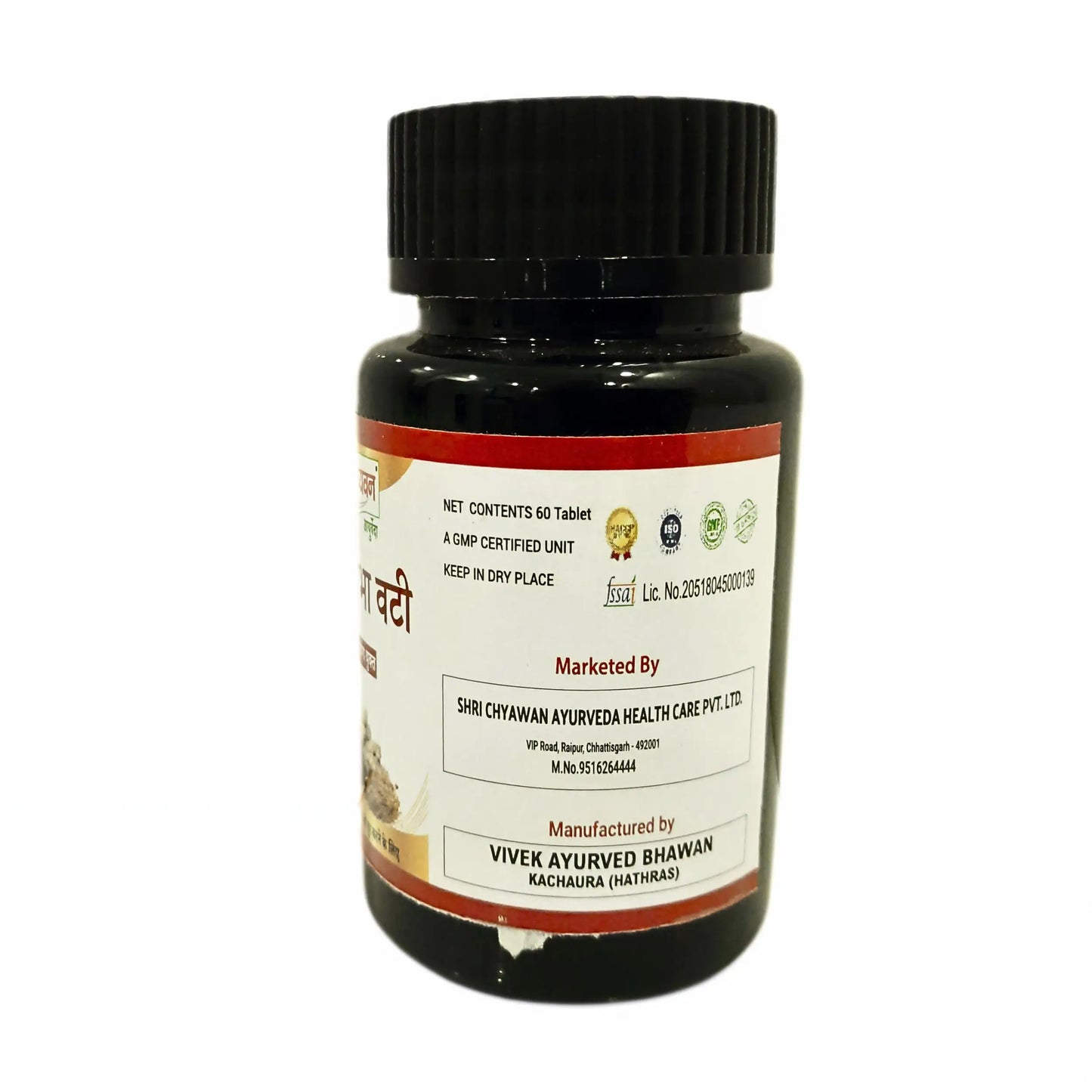
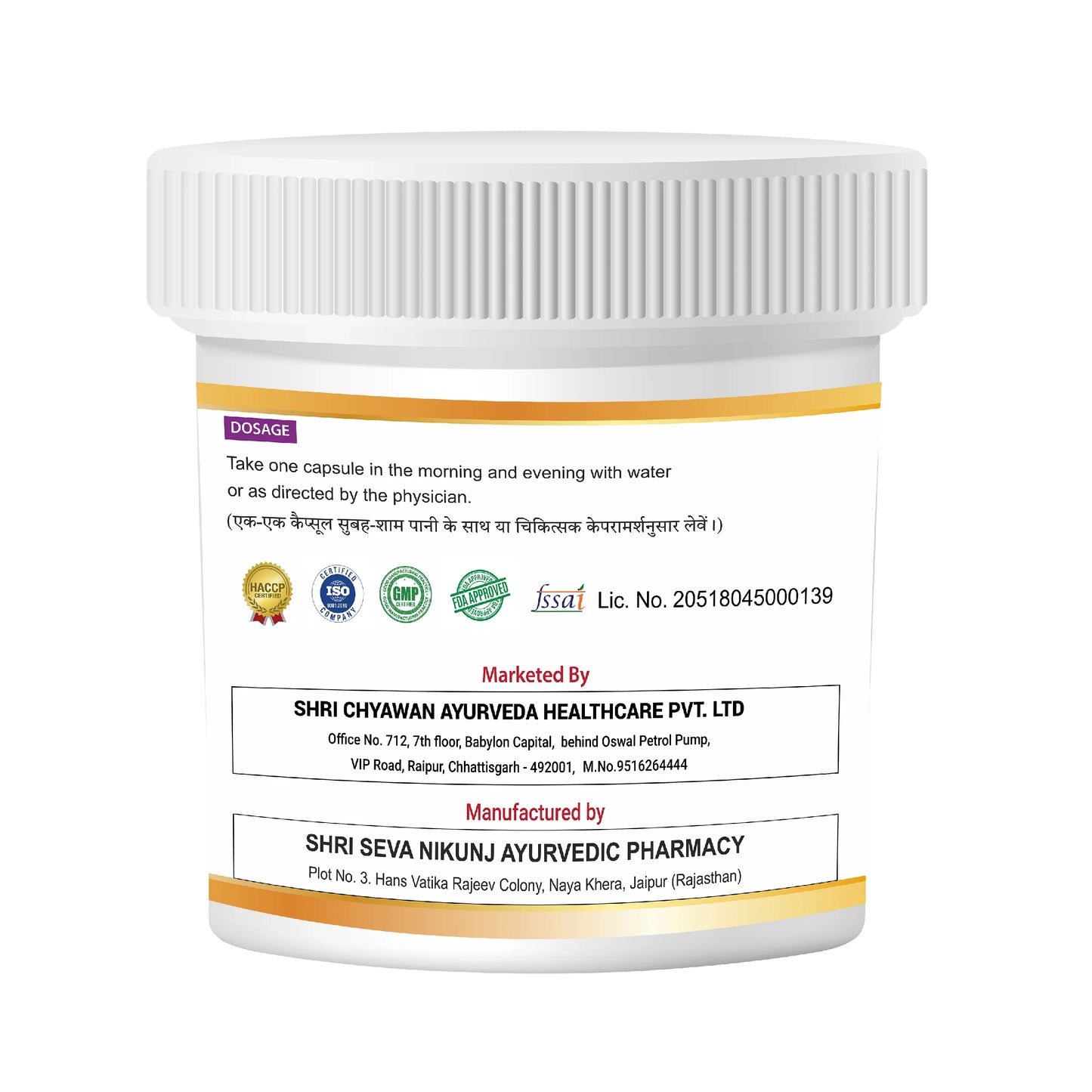
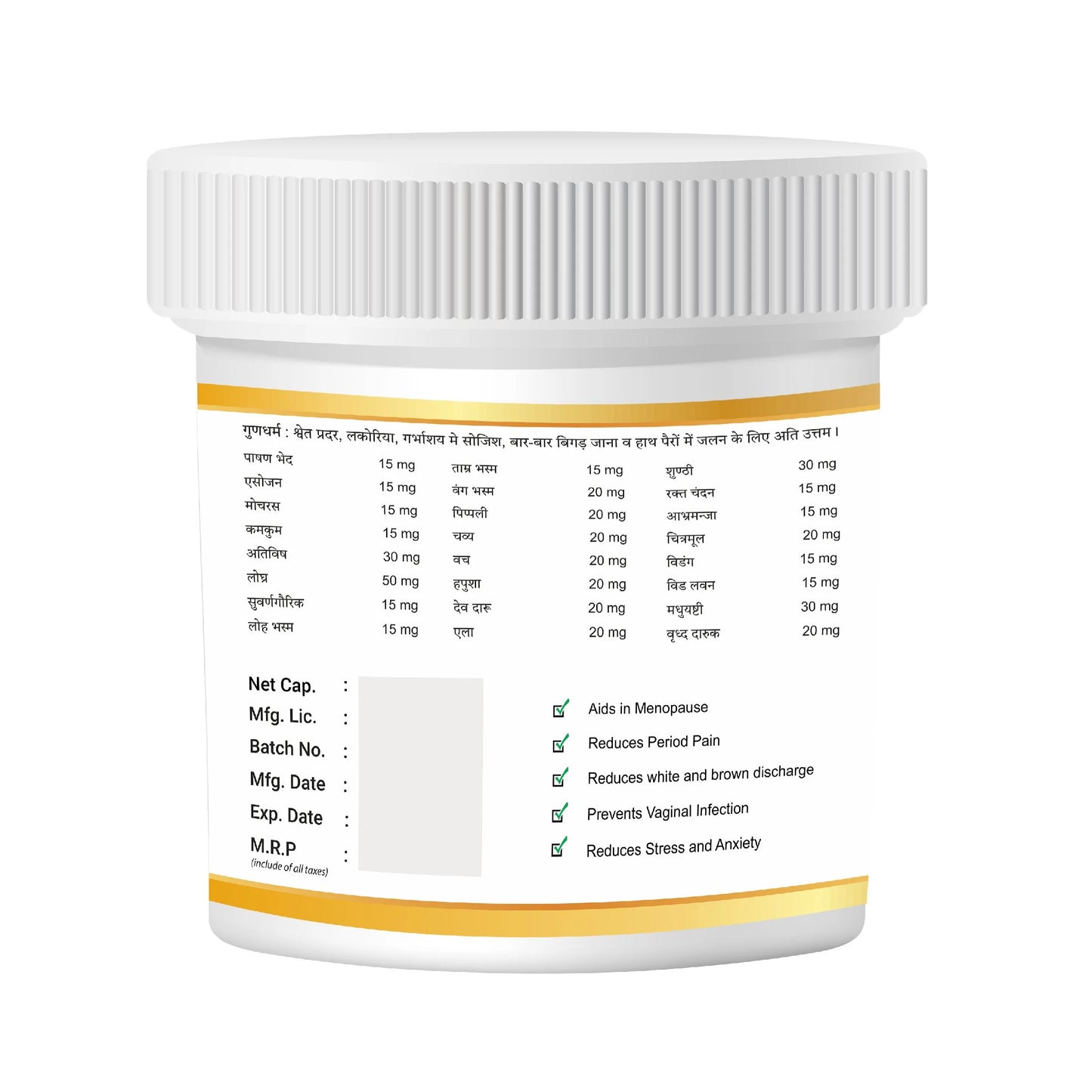
When searching for Ayurvedic medicine for PCOD, women may find tablets, capsules, powders, syrups, and other herbal formulations. The important point is to understand that the form of the product does not determine whether it is appropriate for an individual.
Before choosing any Ayurvedic product, consider the following factors.
1. Check the Ingredients
Always read the complete ingredient list. A product should clearly identify its ingredients rather than relying only on broad claims such as “natural hormonal support.”
Understanding the ingredients can also help women discuss potential interactions with their healthcare professional.
2. Look for Transparent Product Information
Reliable products should provide clear information about the manufacturer, ingredients, directions for use, batch details, and other relevant product information.
WHO has published benchmarks for Ayurveda that include considerations related to quality, safety, qualified practice, and Ayurvedic health products.
3. Avoid Guaranteed Cure Claims
Be cautious of products claiming to permanently cure PCOD, guarantee pregnancy, instantly balance hormones, or produce immediate results.
PCOS is a chronic condition, and WHO states that there is currently no cure. Treatment and lifestyle measures can help manage symptoms and reduce longer-term health risks.
4. Consider Your Individual Health
A product that is appropriate for one woman may not be appropriate for another. Existing health conditions, medicines, pregnancy, breastfeeding, allergies, and fertility plans can all influence whether an herbal product is suitable.
This is particularly important for women taking medicines for diabetes, thyroid conditions, blood pressure, or other health concerns.

Best Ayurvedic Medicine for PCOD Is Not the Same for Everyone
The phrase best Ayurvedic medicine for PCOD is commonly used when searching online, but there is no universal product that can be identified as the best choice for all women.
PCOS can present differently from one individual to another. Therefore, the right approach should consider the specific symptoms and overall health of the woman.
For example, one person may primarily want support for menstrual wellness, while another may be managing weight-related or metabolic concerns. Someone planning pregnancy may have completely different healthcare priorities.
Instead of choosing a product only because it is advertised as “best,” look at its ingredients, quality information, intended use, safety considerations, and professional guidance.
PCOD Medicine in Ayurveda and Herbal Support
PCOD medicine in Ayurveda may refer to traditional herbal formulations used as part of a broader Ayurvedic wellness approach. Some women may choose herbal products alongside lifestyle changes, but scientific evidence for many Ayurvedic preparations remains limited.
NCCIH notes that there is limited scientific evidence for many Ayurvedic approaches and that research quality varies. It also advises people not to use Ayurvedic medicine to postpone appropriate conventional healthcare.
Therefore, Ayurvedic herbal support should be viewed carefully and realistically. It may complement a wellness plan, but it should not be presented as a replacement for necessary diagnosis or treatment.
PCOD Ayurvedic Tablet What to Consider
A PCOD Ayurvedic tablet can be convenient for women who prefer a measured solid formulation. However, convenience alone should not determine product selection.
Before using a tablet, check:
- Complete ingredient information
- Recommended usage instructions
- Manufacturer information
- Product quality and authenticity
- Possible interactions with medicines
- Whether it is appropriate for your personal health situation
Do not assume that a tablet is safe simply because it is labelled Ayurvedic or herbal. “Natural” does not automatically mean safe, and herbal products can have side effects or interact with medicines.

PCOD Ayurvedic Syrup and What Women Should Know
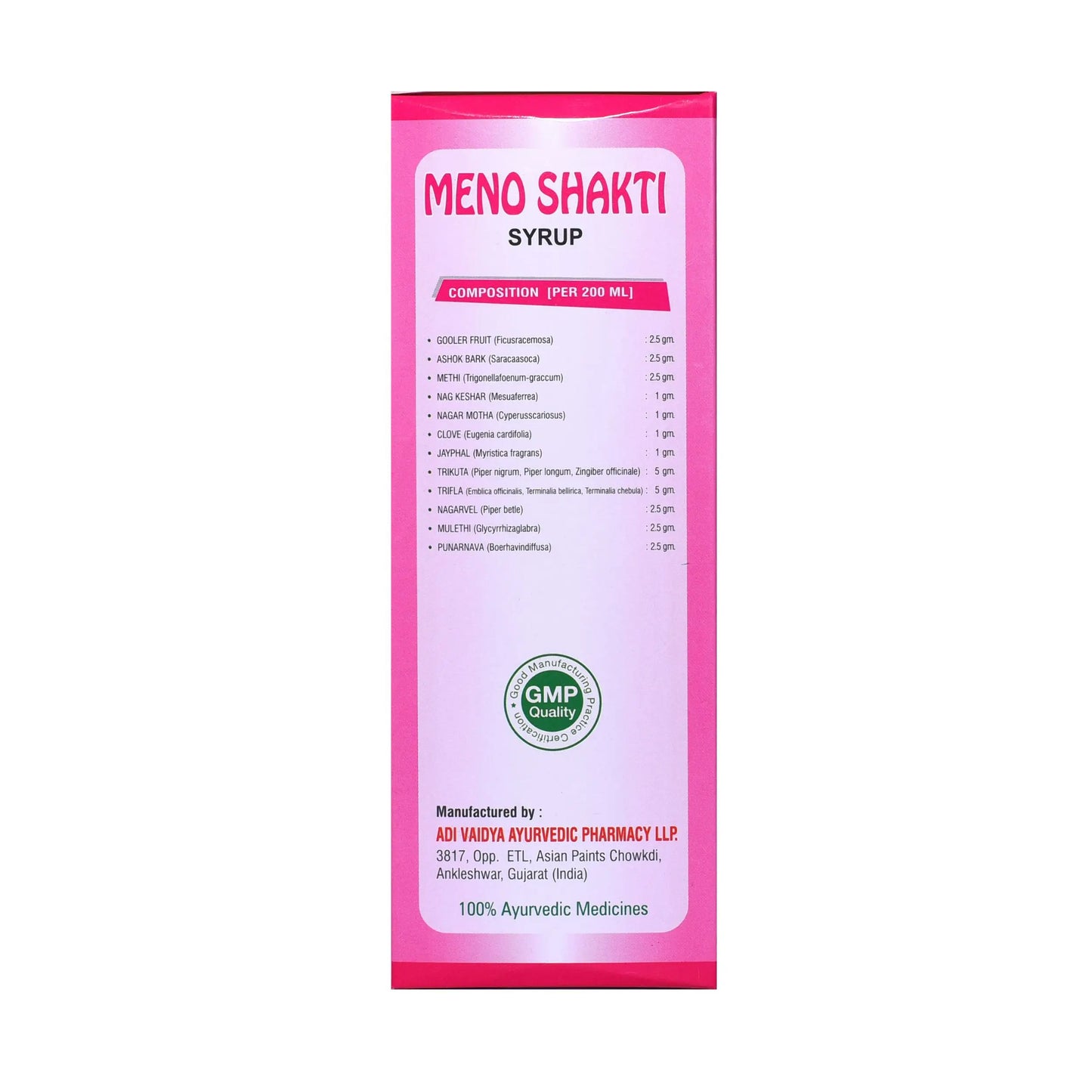
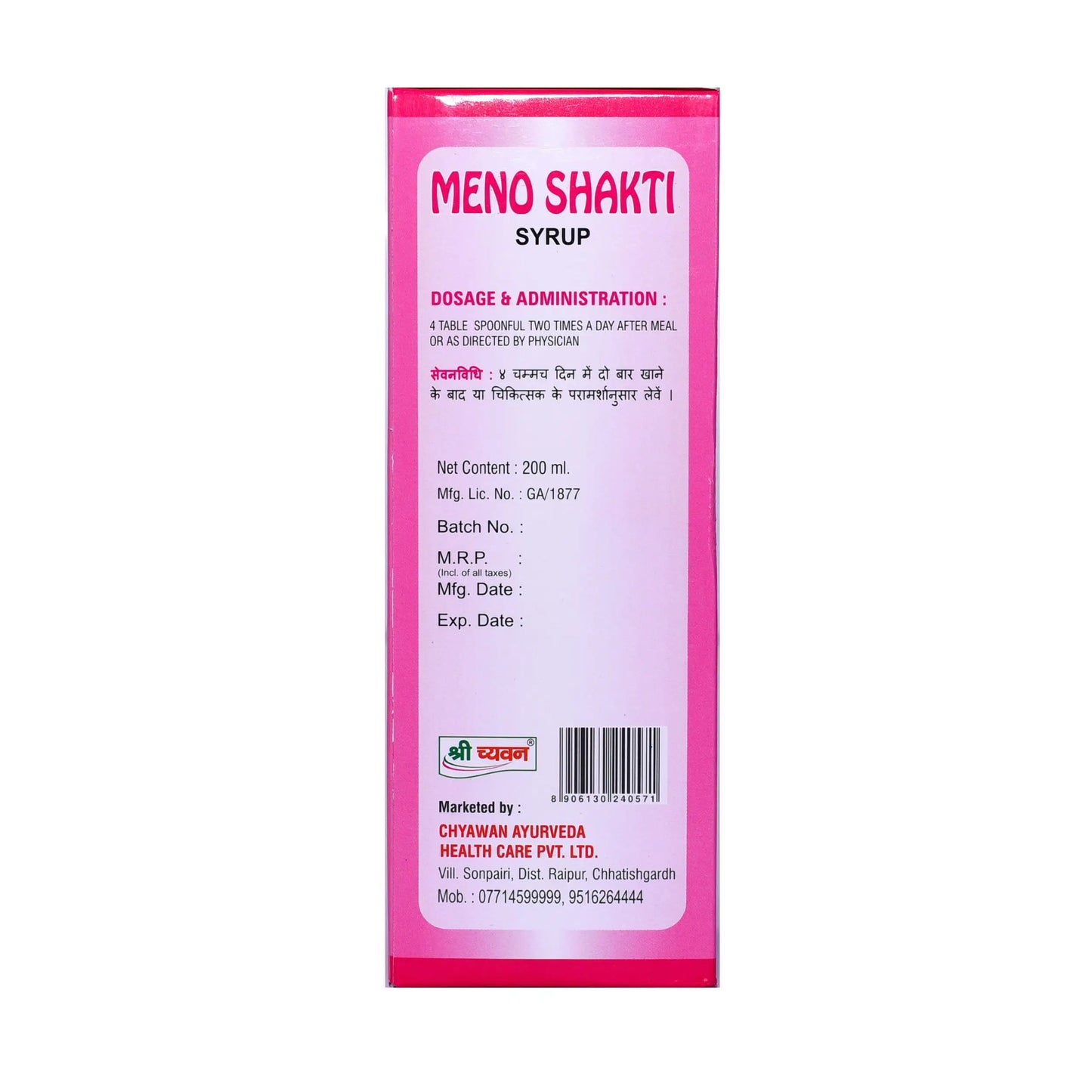
A PCOD Ayurvedic syrup is another form of herbal product available to consumers. Syrups may contain combinations of herbs and other ingredients, so reading the label is equally important.
Women should avoid choosing a syrup based only on claims such as “fast results” or “guaranteed regular periods.” Instead, consider the product's ingredients, quality information, intended purpose, and suitability.
If you are already taking prescription medicines or other supplements, speak with a healthcare professional before adding an Ayurvedic syrup to your routine. Herbal products can interact with medicines, and the safety of many combinations is not well established.
Conclusion
Choosing an Ayurvedic medicine for PCOD should involve more than selecting a product with a “best” label. Women should consider the ingredients, product quality, individual health needs, possible medicine interactions, and the evidence behind the claims.
A balanced approach that combines nutritious food, regular physical activity, adequate sleep, stress management, appropriate healthcare, and carefully selected complementary support can help women take a more informed approach to PCOD and overall women's health.