
Piles, also known as hemorrhoids, have become a common health concern among people of all age groups in India. Sedentary lifestyles, irregular eating habits, low-fiber diets, inadequate water intake, and chronic constipation are some of the major factors associated with this condition. While piles can vary in severity, common symptoms often include pain, itching, swelling, discomfort during bowel movements, and bleeding.
Many individuals seek natural and holistic approaches to support their digestive health and overall well-being. As a result, interest in piles medicine in Ayurveda has grown significantly over the years. Ayurveda focuses on maintaining digestive balance, supporting healthy bowel habits, and promoting lifestyle practices that contribute to long-term wellness.
In this article, we will explore different forms of piles medicine and understand how Ayurveda support individuals dealing with piles-related discomfort.
Understanding Piles and Its Common Symptoms
Piles develop when the veins in the lower rectum or around the anus become enlarged. This may happen gradually due to increased pressure caused by repeated straining during bowel movements, prolonged sitting, obesity, or poor digestive health.
Common Symptoms of Piles
- Pain or discomfort during bowel movements
- Itching around the anal area
- Swelling and irritation
- Burning sensation
- Bleeding during stool passage
- Feeling of heaviness or pressure in the rectal region
- Difficulty sitting comfortably for long periods
The intensity of these symptoms may vary from person to person.
Why Ayurveda Focuses on Digestive Health
One of the key principles of Ayurveda is that good digestion is essential for overall health. According to Ayurvedic philosophy, digestive imbalance can contribute to irregular bowel habits and constipation, which may increase strain during bowel movements.
Goals of Ayurvedic Piles Care
- Support healthy digestion
- Promote bowel regularity
- Encourage healthy elimination
- Support daily comfort
- Improve overall wellness through lifestyle balance
This holistic approach is one reason why many people prefer piles care medicine rooted in Ayurvedic traditions.
Piles Medicine in Ayurveda
Ayurvedic formulations often include herbs traditionally used to support digestive wellness and bowel health.
Common Herbs Used in Ayurvedic Piles Medicine
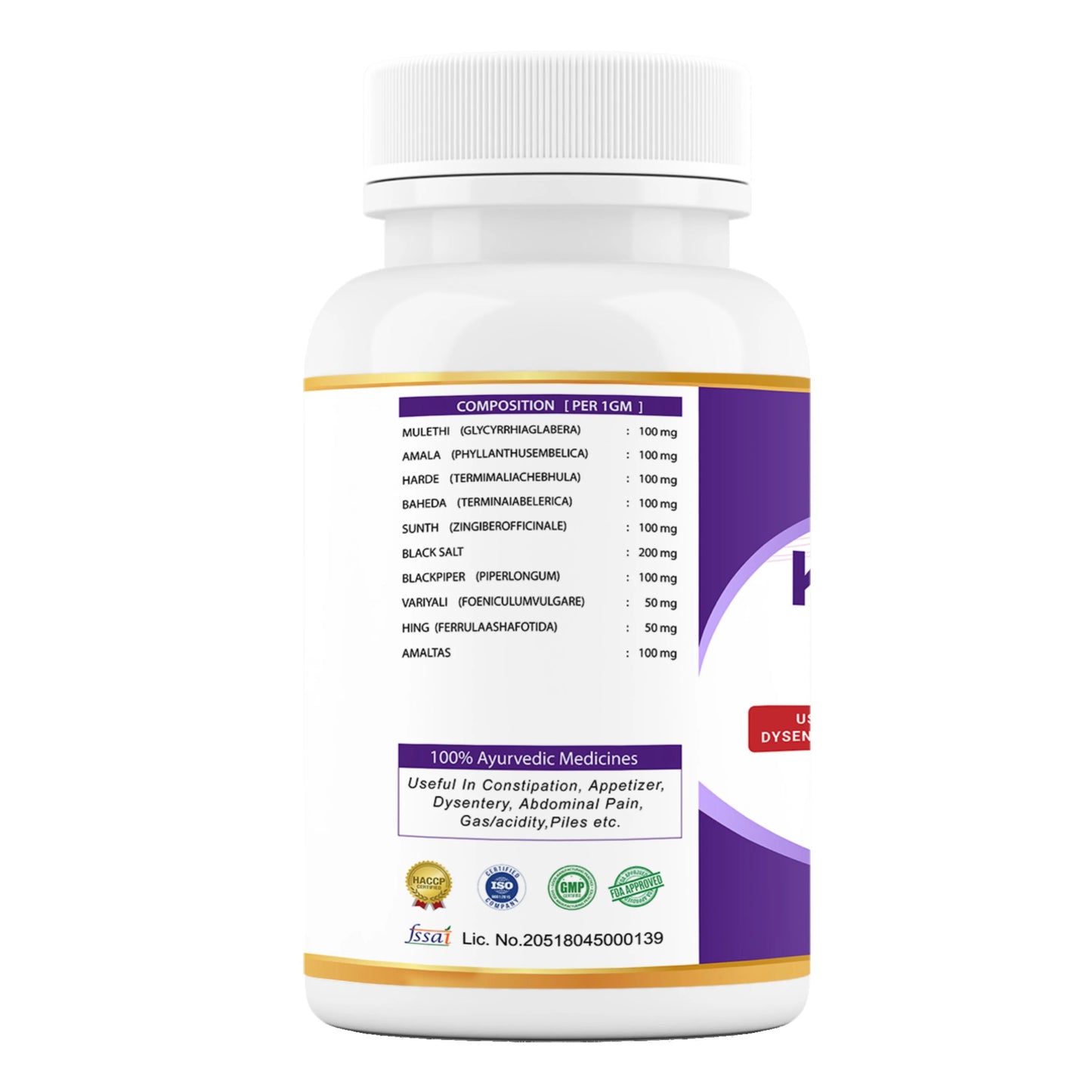
Triphala
A traditional Ayurvedic combination known for supporting digestive function and bowel regularity.
Haritaki
Widely used in Ayurveda to support digestive wellness.
Amla
Rich in natural antioxidants and commonly included in Ayurvedic formulations.
Neem
Traditionally used in various Ayurvedic preparations.
Guggul
Frequently used in Ayurvedic wellness products.
Nagkesar
A well-known herb used in traditional Ayurvedic formulations.
These ingredients are often combined in different formulations depending on the intended purpose.
Piles Medicine Tablet
Among various options available today, piles medicine tablet formulations are one of the most popular choices.
Why Tablets Are Preferred
- Convenient daily use
- Easy dosage management
- Travel-friendly
- Commonly available across India
- Suitable for long-term wellness routines
Many individuals incorporate Ayurvedic tablets into their digestive health management plans.
What to Look for in a Piles Medicine Tablet
- Quality herbal ingredients
- Transparent labeling
- Trusted manufacturing standards
- Easy-to-follow dosage instructions
Choosing products from reputable manufacturers is important for consistency and quality.
Piles Medicine Churna
Another traditional form of Ayurvedic support is piles medicine churna.
Churna refers to finely powdered herbal formulations that have been used in Ayurveda for generations.
Benefits of Churna-Based Formulations
- Traditional Ayurvedic preparation
- Easy to mix with water or as directed
- Often used as part of digestive wellness routines
- Supports healthy dietary habits when combined with lifestyle improvements
Many people prefer churna because of its traditional Ayurvedic roots and flexibility of use.
Piles Medicine Cream
External discomfort is often one of the most challenging aspects of piles. In such cases, piles medicine cream may be used as part of a supportive care routine.
Role of Piles Medicine Cream
Creams are commonly applied externally to provide soothing care around the affected area.
Features Often Found in Ayurvedic Creams
- Smooth texture
- Easy application
- Skin-friendly ingredients
- Suitable for regular use
Common ingredients may include Aloe Vera, Neem, Turmeric, and herbal oils traditionally used in Ayurvedic skin-care preparations.
Piles Medicine Ointment
Piles medicine ointment is another external care option frequently chosen by individuals seeking additional comfort.
How Ointments Differ from Creams
Ointments are generally thicker in consistency and may remain on the skin longer than creams.
Advantages of Ointments
- Long-lasting coverage
- Additional moisturization
- Suitable for overnight application
- Supports skin comfort
Many individuals choose ointments for nighttime use as part of their overall piles care routine.

Managing Pain and Discomfort Naturally
Pain is one of the most common reasons people seek piles care solutions.
Supportive Habits for Daily Comfort
- Avoid prolonged sitting
- Maintain healthy bowel habits
- Stay physically active
- Consume a balanced diet
- Drink adequate water throughout the day
Combining healthy habits with appropriate piles care measures may contribute to improved daily comfort.
Managing Itching and Irritation
Itching can interfere with daily activities and affect overall comfort.
Tips for Supporting Skin Comfort
- Maintain proper hygiene
- Avoid harsh soaps
- Wear breathable clothing
- Keep the area dry and clean
- Use external care products as directed
Proper skin care can play an important role in overall comfort.
Managing Swelling Through Lifestyle Support
Swelling is another common symptom associated with piles.
Lifestyle Measures That May Help
- Avoid excessive straining
- Increase fiber intake
- Stay hydrated
- Include physical activity in daily routines
- Avoid sitting continuously for long hours
Healthy lifestyle habits support digestive wellness and may contribute to overall comfort.
Importance of a Fiber-Rich Diet
Diet plays a central role in digestive health.
Foods to Include
Fruits
- Papaya
- Apples
- Pears
- Bananas
Vegetables
- Spinach
- Bottle gourd
- Carrots
- Beetroot
Whole Grains
- Oats
- Brown rice
- Whole wheat products
Fiber supports healthy bowel movements and digestive balance.
Hydration Matters
Water intake is often overlooked but remains essential for digestive wellness.
Benefits of Staying Hydrated
- Supports digestion
- Helps maintain stool softness
- Promotes healthy elimination
- Supports overall body functions
Regular hydration should be a part of every digestive health plan.

Lifestyle Habits That Support Piles Care
Regular Physical Activity
Walking, yoga, and stretching exercises support digestive health.
Healthy Eating Schedule
Eating meals on time may help maintain digestive balance.
Stress Management
Stress can influence digestive patterns and overall well-being.
Adequate Sleep
Proper rest supports overall health and recovery.
When Should You Seek Professional Medical Advice?
While supportive care measures may be useful, professional medical evaluation is important if symptoms become severe or persistent.
Consult a Healthcare Professional If
- Bleeding becomes frequent
- Pain significantly worsens
- Swelling increases
- Symptoms persist for an extended period
- Daily activities become difficult
A proper evaluation helps determine the most appropriate course of action.
Conclusion
Piles can affect comfort, confidence, and daily routines, making proper care important. Piles medicine in Ayurveda focuses on digestive wellness, bowel regularity, and healthy lifestyle habits. Whether you choose a tablet, cream, ointment and churna combining these options with a balanced diet, adequate hydration, and regular physical activity can support overall digestive health.
For many people across India, Ayurvedic piles care remains a trusted approach because it emphasizes holistic wellness rather than focusing solely on symptoms. With the right lifestyle choices and supportive care practices, it is possible to work toward better comfort and improved quality of life.