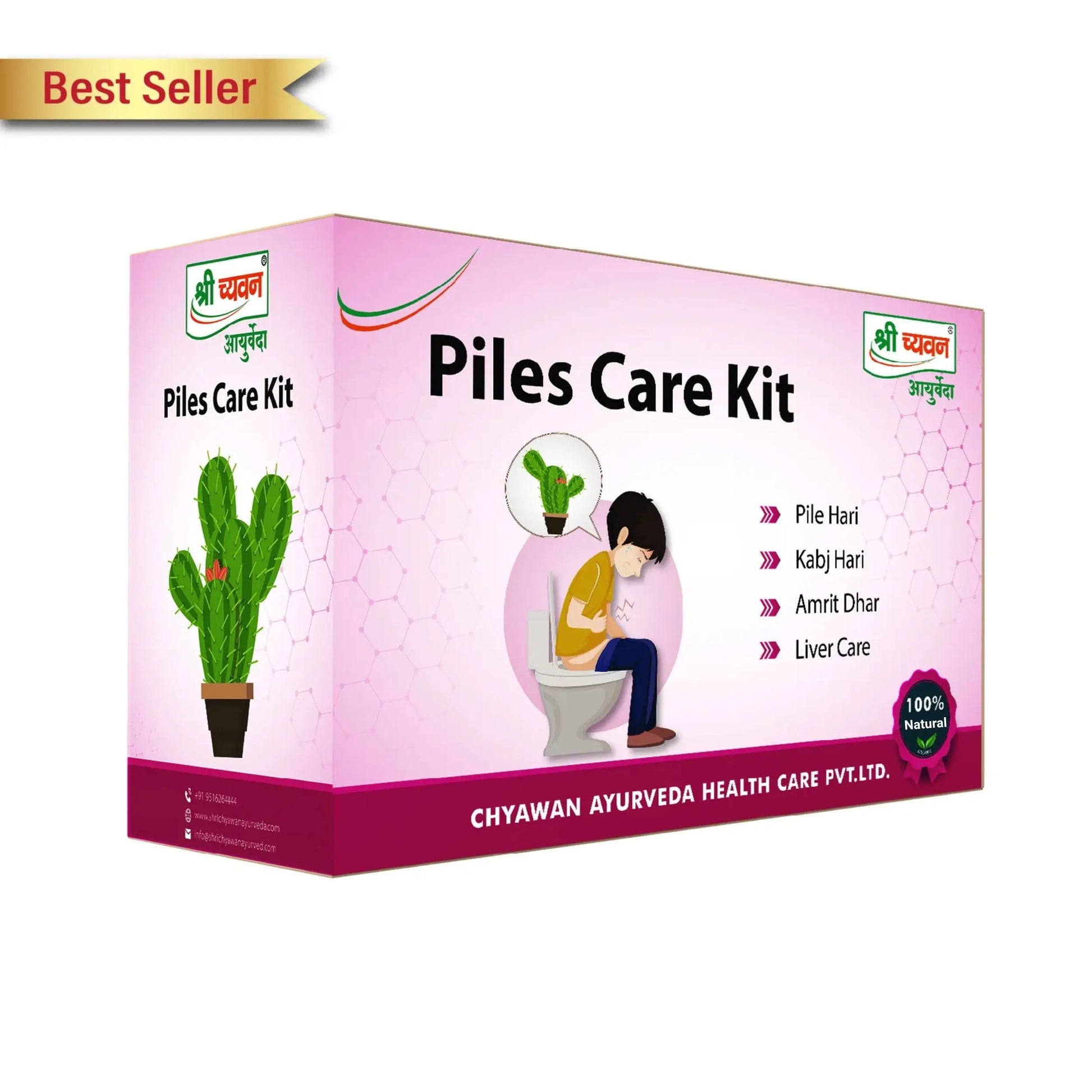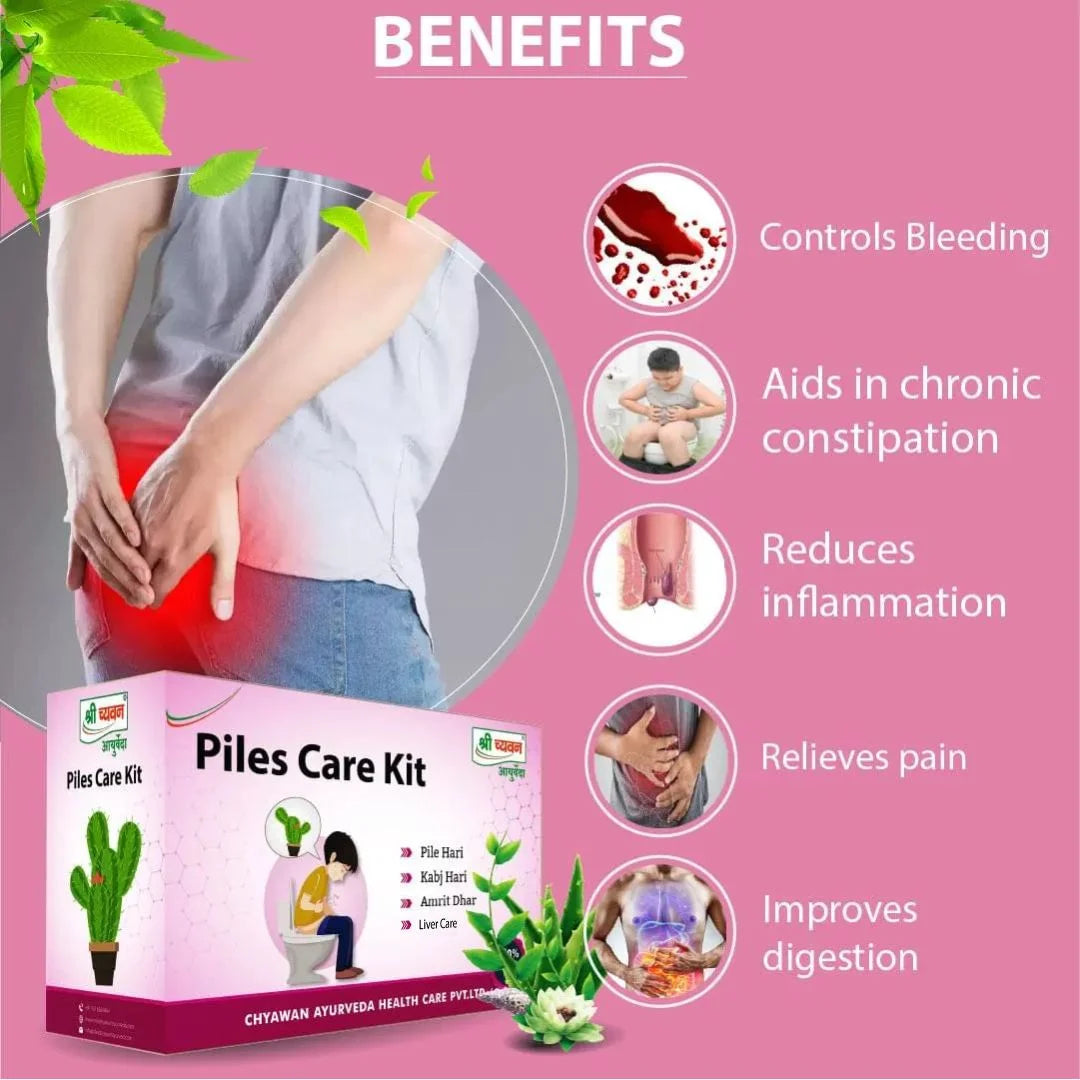

Piles, commonly known as hemorrhoids, are one of the most common anorectal health concerns in India. Due to changing lifestyles, poor dietary habits, lack of physical activity, and increasing cases of chronic constipation, the number of people experiencing piles-related discomfort continues to rise every year.
Among the various symptoms of piles, bleeding, pain, swelling, itching, and irritation are often the most concerning. These symptoms can interfere with daily activities, reduce comfort, and affect overall quality of life. As a result, many individuals seek natural and holistic approaches that support digestive health and long-term wellness.
This is where Ayurveda for piles continues to play an important role. Ayurvedic wellness practices focus on digestive balance, healthy bowel habits, and lifestyle management.
In this article, we will explore how Ayurvedic support is commonly used for bleeding piles, pain, and swelling, and what factors may help support long-term digestive health.
Understanding Bleeding Piles
Bleeding piles occur when swollen veins around the rectum become irritated during bowel movements. The bleeding is often noticed as small amounts of blood during or after passing stool.
Common Symptoms Associated with Bleeding Piles
- Pain during bowel movements
- Swelling around the anal area
- Itching and irritation
- Burning sensation
- Discomfort while sitting
- Visible blood during stool passage
- Feeling of incomplete bowel evacuation
While mild symptoms may be manageable through lifestyle changes and supportive care, persistent bleeding should always be evaluated by a healthcare professional.
Why Piles Develop
Several factors can contribute to the development of piles.
Chronic Constipation
Repeated straining during bowel movements increases pressure on rectal veins.
Low Fiber Diet
Insufficient fiber may lead to hard stools and irregular bowel movements.
Prolonged Sitting
Long sitting hours, especially among office workers, may contribute to increased rectal pressure.
Physical Inactivity
Lack of exercise can affect digestion and bowel regularity.
Poor Hydration
Inadequate water intake may make stool harder and more difficult to pass.
These factors highlight the importance of digestive health in piles management.
Ayurveda for Piles: A Holistic Approach
Unlike approaches that focus only on symptoms, Ayurveda for piles emphasizes overall digestive wellness and lifestyle balance.
The traditional Ayurvedic perspective considers digestive disturbances as an important factor in maintaining overall health.
Key Areas of Focus
- Healthy digestion
- Regular bowel movements
- Balanced daily routines
- Proper dietary habits
- Overall wellness support
This holistic philosophy is one reason why piles ayurvedic medicine remains popular among many individuals in India.
What to Look for in Ayurvedic Medicine for Piles
Choosing the right best ayurvedic medicine for piles involves several considerations.
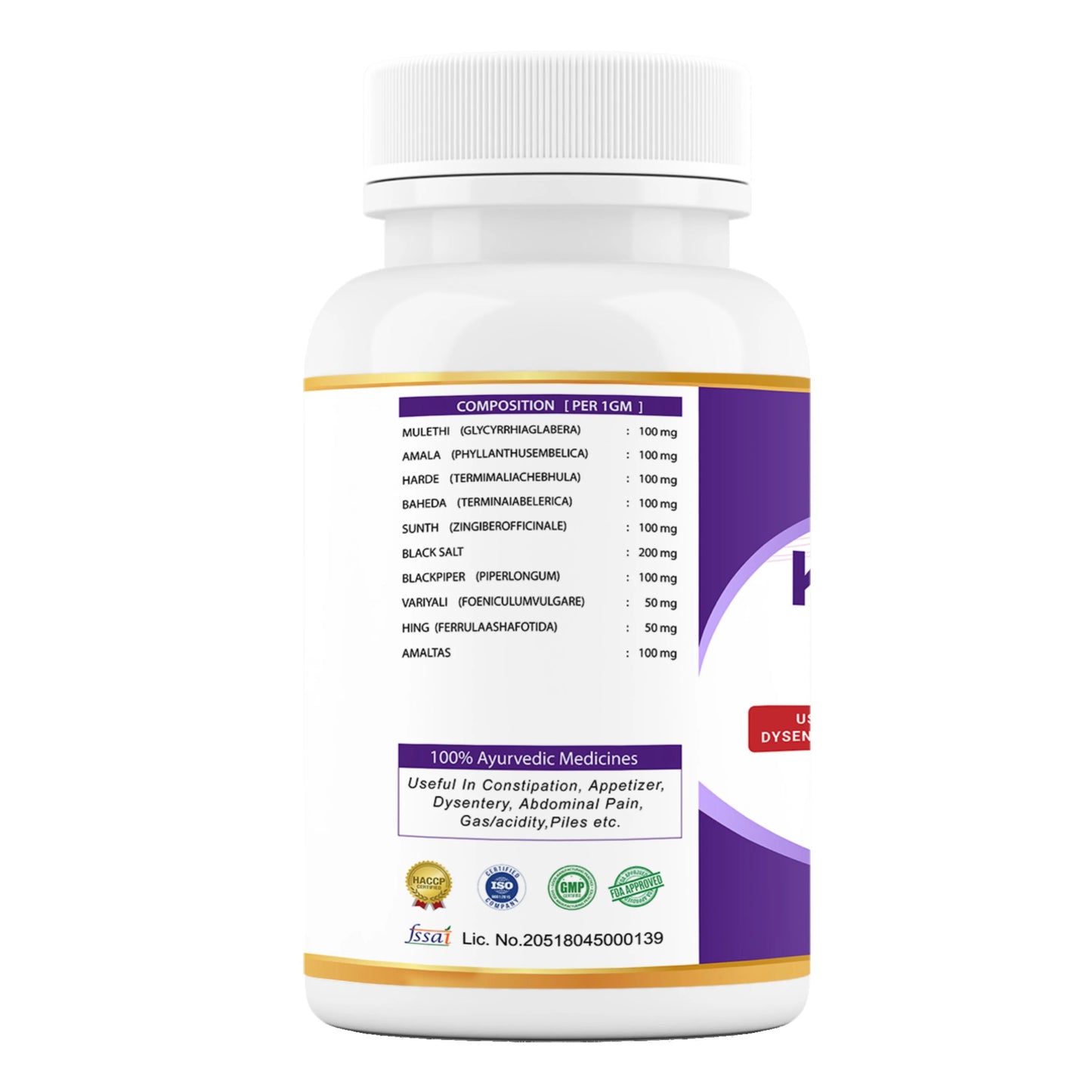
Herbal Composition
Many Ayurvedic formulations contain herbs traditionally used to support digestive wellness.
Common Ingredients
- Triphala
- Haritaki
- Amla
- Neem
- Guggul
- Nagkesar
These herbs have been used in Ayurvedic practices for generations.
Digestive Support
A quality ayurvedic medicine for piles often focuses on digestive balance.
Digestive support may help promote:
- Comfortable bowel movements
- Healthy elimination
- Better bowel regularity
- Reduced strain during stool passage
Quality and Authenticity
When selecting any Ayurvedic product, it is important to consider:
- Ingredient transparency
- Quality manufacturing standards
- Proper labeling
- Trusted brands
Quality assurance plays an important role in product selection.
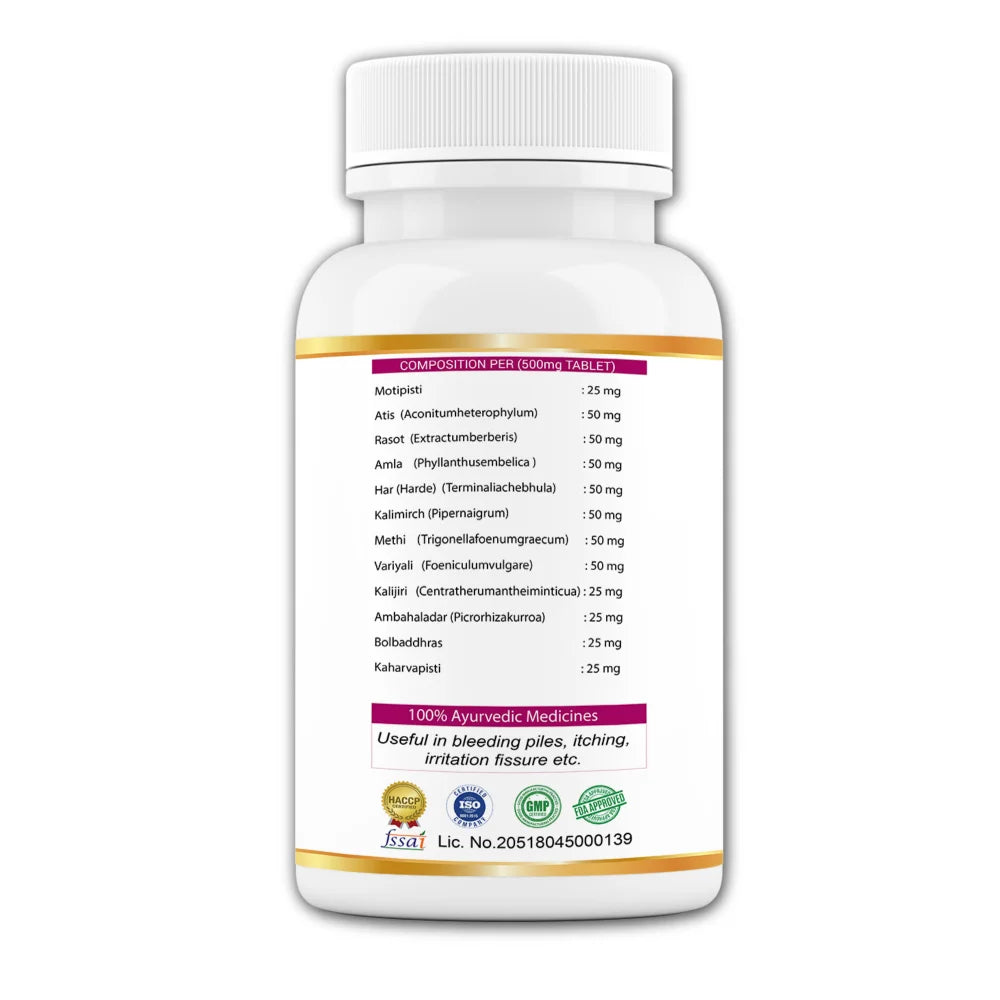
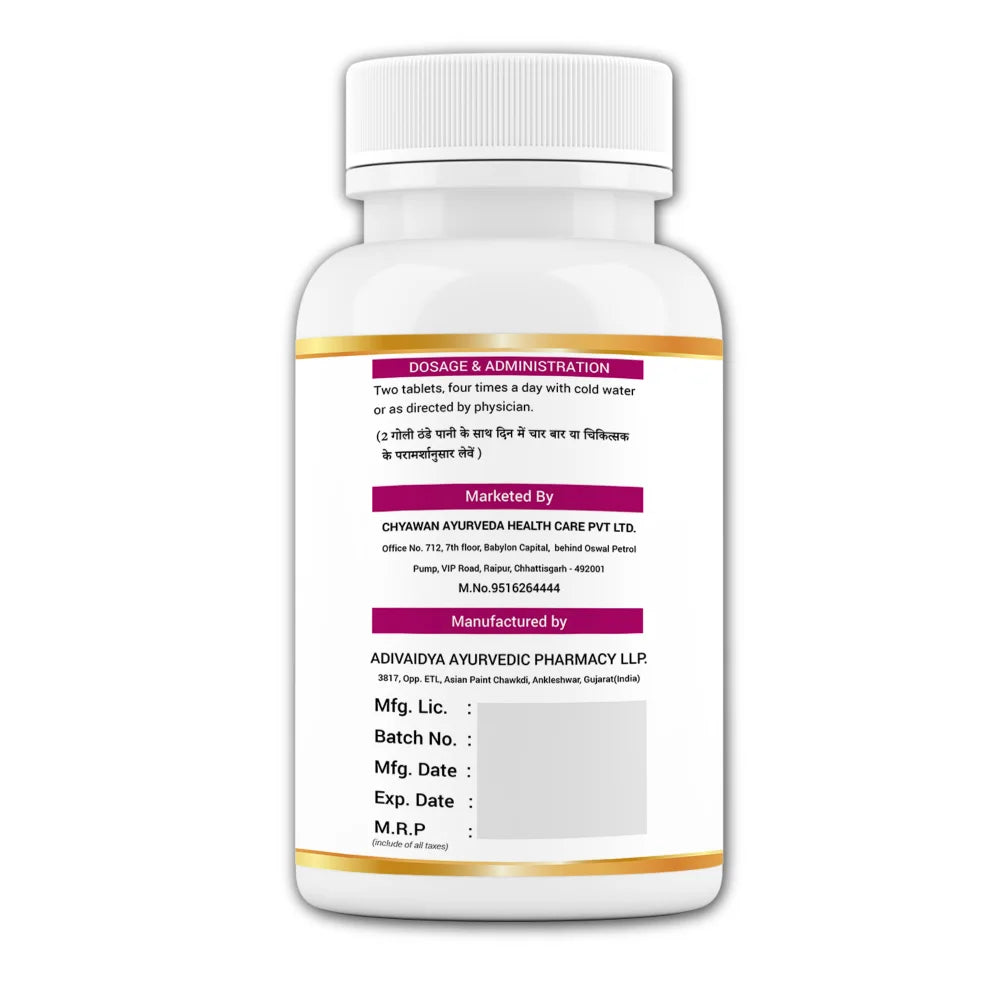
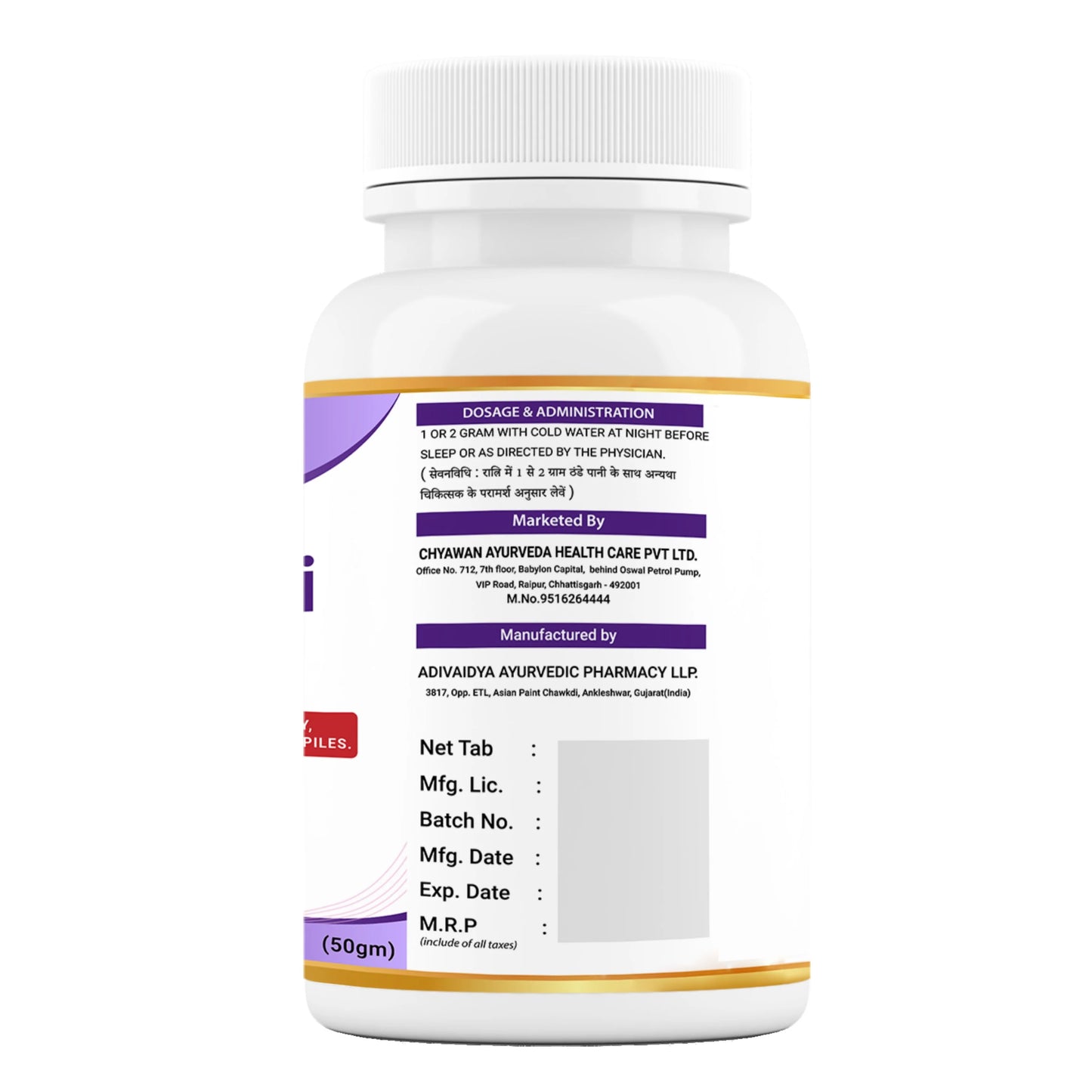
Ayurvedic Tablets for Piles
Ayurvedic tablets for piles are among the most commonly chosen forms of Ayurvedic support.
Many people prefer tablets because they are convenient and easy to incorporate into daily routines.
Benefits of Ayurvedic Piles Tablets
- Easy to consume
- Convenient for regular use
- Portable and travel-friendly
- Often formulated with multiple herbs
An ayurvedic piles tablet is frequently included as part of a broader digestive wellness plan.
Ayurvedic Piles Cream for External Comfort
Many individuals experiencing piles-related discomfort also seek external support.
Role of Ayurvedic Piles Cream
Ayurvedic cream for piles is commonly applied externally for soothing care around the affected area.
Features Often Found in Ayurvedic Creams
- Lightweight texture
- Easy application
- Quick absorption
- Skin-friendly formulations
Common herbal ingredients may include Aloe Vera, Neem, Turmeric, and Coconut Oil.

Ayurvedic Ointment for Piles
Another commonly used option is ayurvedic ointment for piles.
Compared to creams, ointments generally have a thicker consistency and may remain on the skin longer.
Why Some People Prefer Ointments
- Longer-lasting coverage
- Additional moisturization
- Suitable for nighttime use
- Protective skin support
Many people choose ointments as part of their evening care routine.
Supporting Piles Care Through Diet
Diet plays a major role in digestive health and bowel regularity.
Fiber-Rich Foods to Include
Fruits
- Papaya
- Banana
- Apple
- Pear
Vegetables
- Spinach
- Bottle Gourd
- Carrots
- Beetroot
Whole Grains
- Oats
- Brown Rice
- Whole Wheat
Fiber supports healthy bowel habits and digestive wellness.

Importance of Hydration
Water is often overlooked but plays a crucial role in digestive function.
Benefits of Staying Hydrated
- Supports digestion
- Helps maintain stool softness
- Promotes bowel regularity
- Supports overall health
Adequate hydration is an important part of any digestive wellness strategy.
Lifestyle Habits That Support Digestive Wellness
Stay Active
Walking and regular exercise may help support healthy digestion.
Avoid Long Sitting Hours
Frequent movement can help reduce prolonged pressure on the lower body.
Maintain Healthy Body Weight
Weight management contributes to overall wellness.
Follow Regular Meal Times
Consistent eating habits may support digestive balance.
Get Adequate Sleep
Proper rest supports overall physical well-being.
Natural Wellness Practices
Many people combine with supportive lifestyle practices.
Warm Sitz Bath
A commonly used method for temporary comfort.
Yoga and Stretching
May help support circulation and digestive function.
Stress Management
Stress can influence digestive patterns and overall wellness.
Healthy Bowel Habits
Avoiding unnecessary straining can support long-term comfort.
Conclusion
Bleeding piles, pain, and swelling can affect daily comfort and overall quality of life. Maintaining healthy digestion, regular bowel habits, proper hydration, and an active lifestyle are important factors in supporting digestive wellness.
Ayurvedic medicine for piles, includes tablets, cream, and ointment continues to be widely used by people seeking natural support for digestive health. Combined with healthy lifestyle choices, these approaches may contribute to long-term wellness and improved daily comfort.