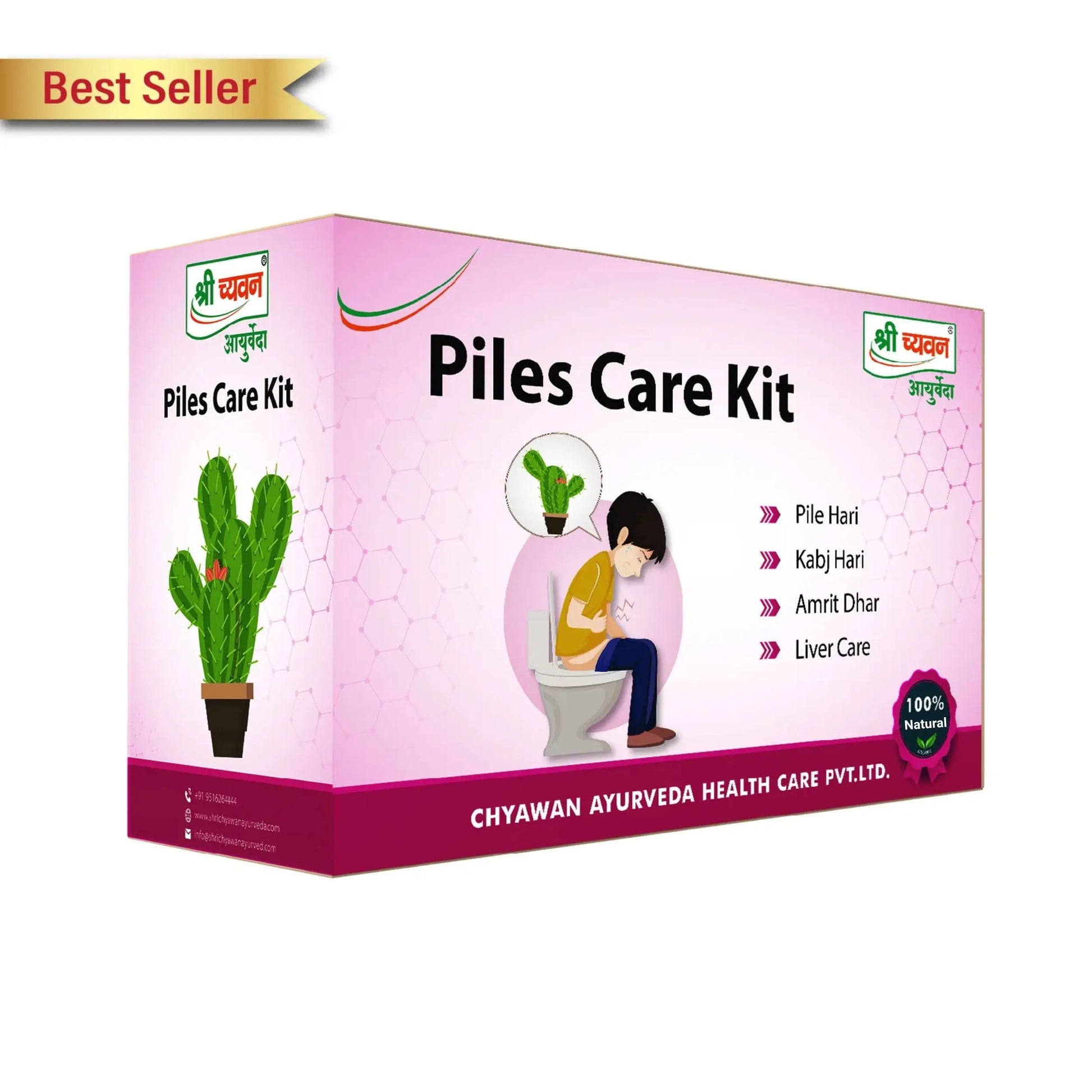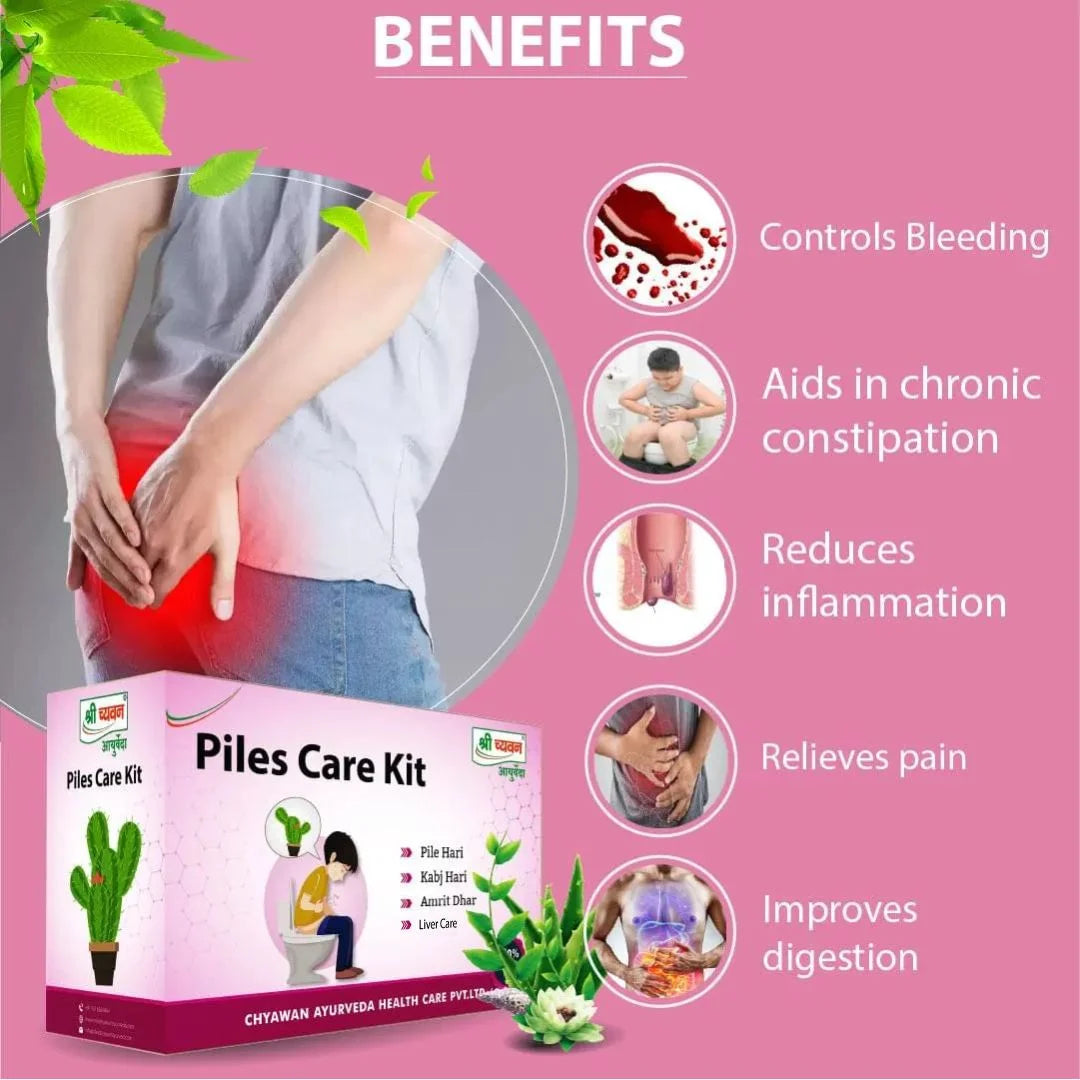

Piles, also called hemorrhoids, are a common anorectal concern that can affect comfort during sitting, walking, working, and bowel movements. Symptoms may include itching, irritation, swelling, discomfort, or bleeding. Constipation, hard stools, prolonged sitting, low-fiber diets, and repeated straining during bowel movements can contribute to piles-related problems.
For people interested in traditional wellness approaches, Ayurveda offers a holistic perspective that gives importance to digestion, bowel habits, diet, daily routine, and overall balance. This has made Ayurvedic Medicine a popular search among people looking for natural support.
However, choosing an Ayurvedic product should be done carefully, particularly when bleeding is involved. Rectal bleeding can have different causes, so persistent or significant bleeding should be evaluated by a qualified healthcare professional.
Understanding Bleeding Piles
Bleeding may occur with internal hemorrhoids, particularly during or after passing stool. The blood may appear bright red, but the presence of blood should not automatically be assumed to be caused by piles.
Several factors can influence piles-related symptoms, including:
- Constipation
- Hard stools
- Excessive straining
- Spending a long time on the toilet
- Low dietary fiber
- Sedentary lifestyle
- Inadequate fluid intake
Understanding these factors is important because effective piles care involves more than selecting a single product.
The Ayurvedic Perspective on Piles
Traditional Ayurveda places considerable importance on digestive health and regular elimination. In Ayurvedic texts, piles are traditionally discussed under the term "Arsha."
An Ayurvedic approach may focus on maintaining digestive balance through appropriate food, daily routines, physical activity, and traditional herbal preparations.
This broader approach can include:
- Supporting healthy digestion
- Encouraging regular bowel habits
- Maintaining adequate hydration
- Choosing balanced meals
- Staying physically active
- Using appropriate herbal products when suitable
The objective is to make digestive wellness part of everyday health rather than relying only on occasional symptom management.
Choosing Ayurvedic Medicine for Piles
The market contains numerous herbal formulations, making it difficult to determine which product is appropriate. When considering Ayurvedic Piles Medicine, look beyond promotional claims.
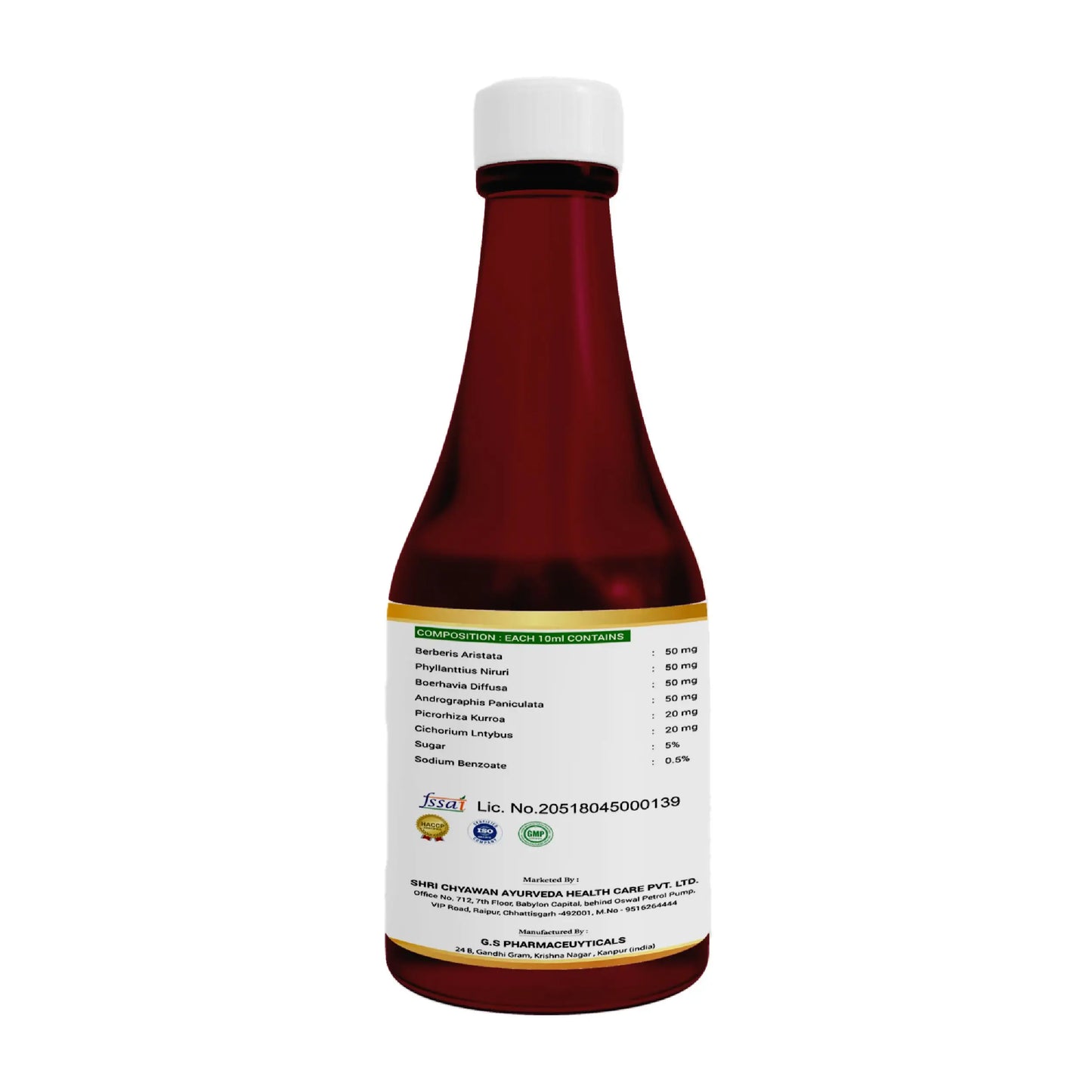
Check the Ingredients
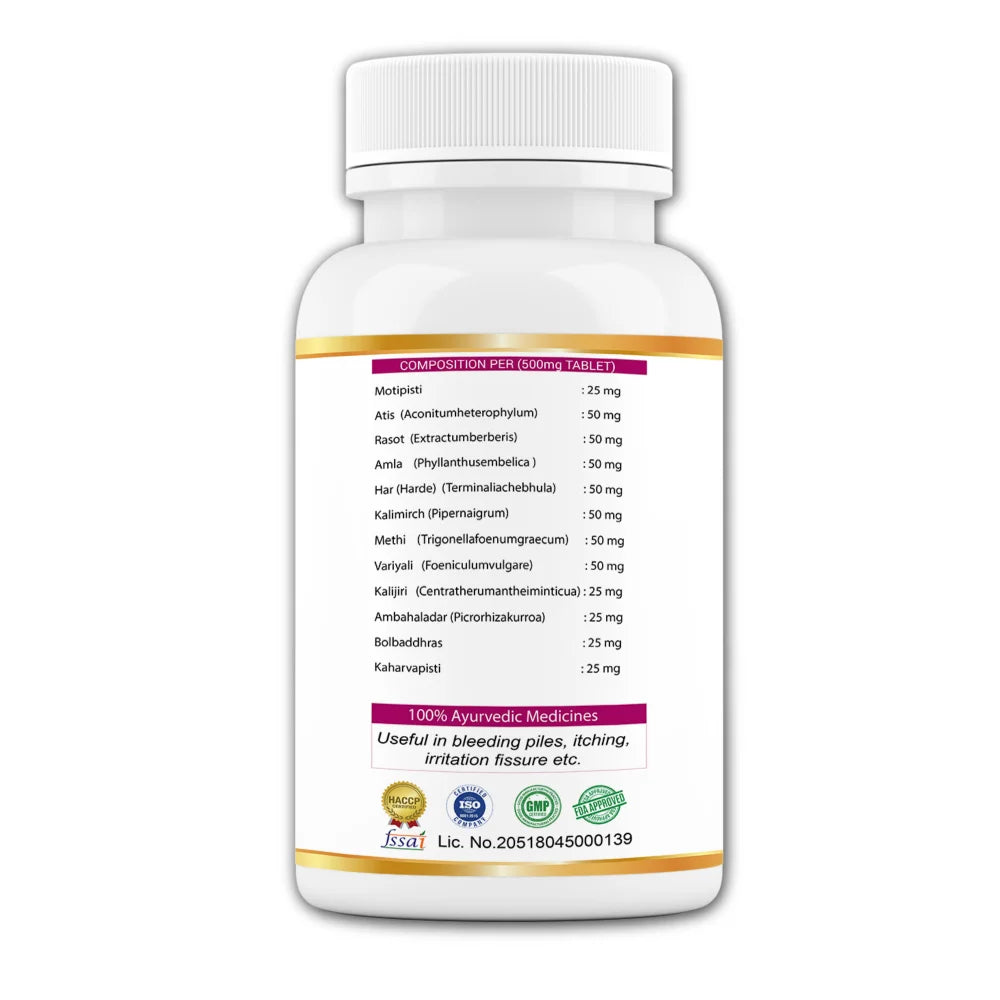
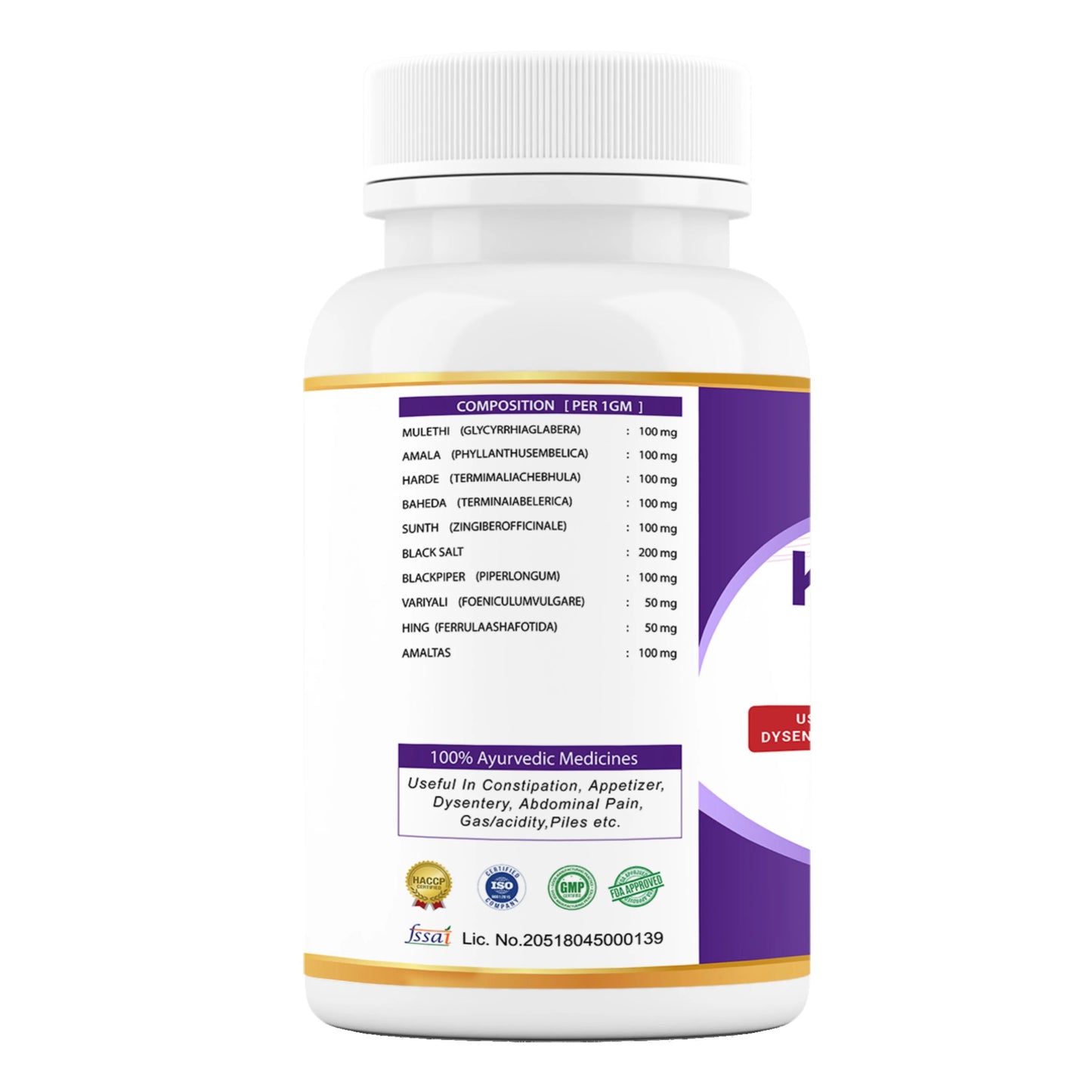
A quality product should clearly disclose its ingredients. Traditional Ayurvedic formulations may contain different herbs depending on their intended use.
Reading the ingredient list allows consumers to understand what they are purchasing and identify ingredients they may need to avoid because of allergies, sensitivities, or interactions.
Examine the Label
Before purchasing, check for:
- Manufacturer information
- Ingredient list
- Batch number
- Manufacturing date
- Expiry date
- Recommended usage
- Storage instructions
- Relevant precautions
Transparent labelling is an important part of responsible product selection.
Best Ayurvedic Medicine for Piles Should Fit Individual Needs
People often search for the Best Ayurvedic Medicine for Piles, but there is no universal product that is automatically suitable for every person.
Individual needs can differ according to:
- Type of symptoms
- Bowel habits
- Dietary pattern
- Age
- Existing health conditions
- Other medicines being taken
- Lifestyle
A product that suits one person may not necessarily be appropriate for another. If symptoms are persistent, professional guidance is preferable to self-selection.
Ayurvedic Medicine for Bleeding Piles Requires Extra Care
Searching for Ayurvedic Medicine for Bleeding Piles is understandable, but bleeding should always be treated as a symptom that deserves attention.
If bleeding is occasional and you have already been diagnosed with hemorrhoids, your healthcare professional can help you understand suitable options. If the bleeding is new, recurrent, heavy, or unexplained, medical assessment is important.
Do not rely solely on an online product description to determine the cause of rectal bleeding.
Ayurvedic Medicine for Piles Pain and Everyday Comfort
Pain and irritation can make normal activities uncomfortable. People searching for Ayurvedic Medicine for Piles Pain may be looking for herbal support alongside lifestyle changes.
Daily comfort can also be supported by practical measures such as:
- Avoiding unnecessary straining
- Maintaining softer stools through appropriate nutrition
- Drinking adequate fluids
- Taking regular movement breaks
- Maintaining good hygiene
- Avoiding prolonged sitting on the toilet
If pain becomes severe or suddenly worsens, seek medical advice rather than continuing self-care indefinitely.
Ayurvedic Syrup for Piles
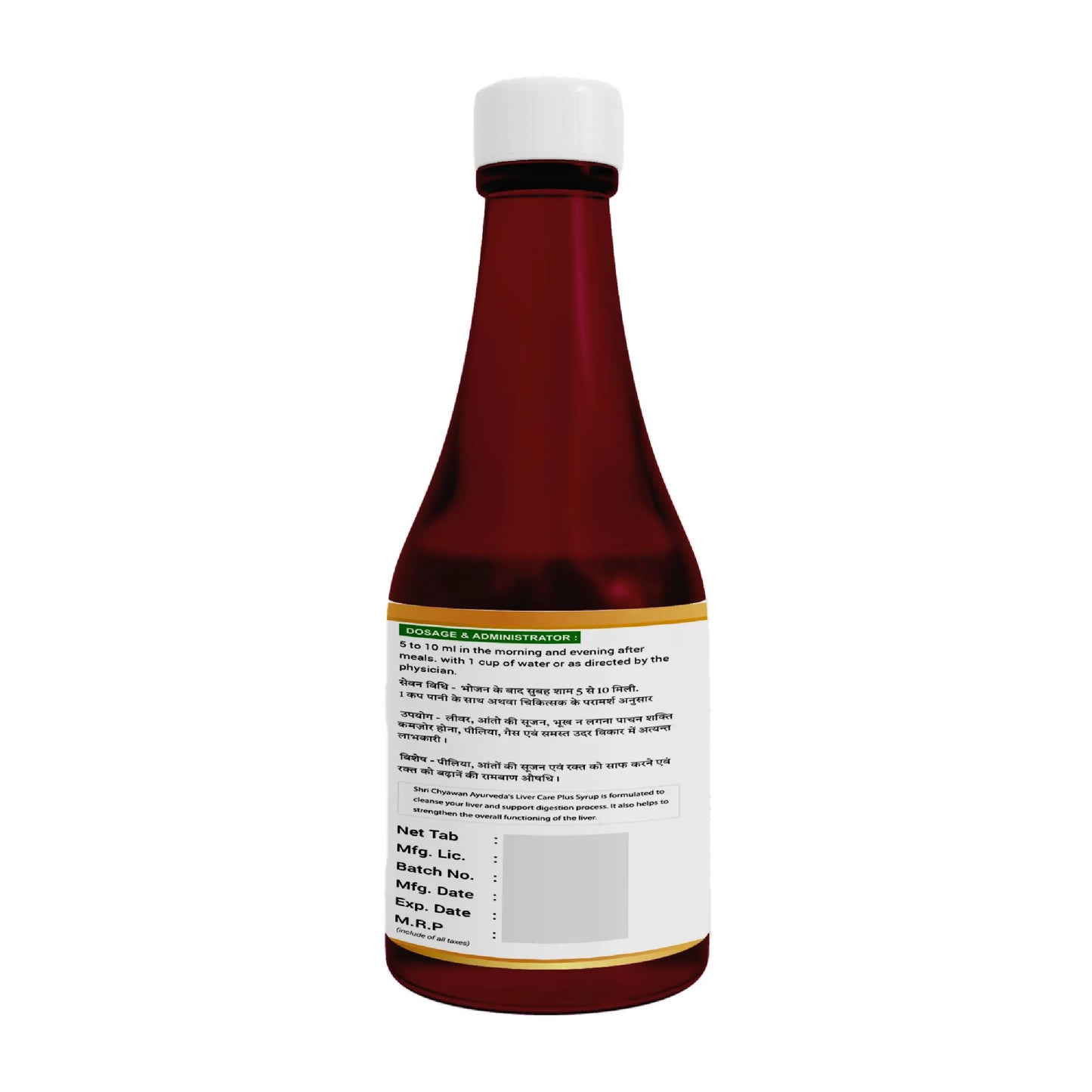
An Ayurvedic Syrup for Piles may appeal to people who prefer liquid herbal formulations. Syrups can be convenient for individuals who find tablets difficult to consume.
When choosing a syrup, consider:
- Ingredient transparency
- Manufacturer reputation
- Clear usage directions
- Proper packaging
- Expiry information
- Storage requirements
Liquid products are not automatically more effective than tablets. Their suitability depends on the individual formulation and the person's needs.

Best Ayurvedic Syrup for Piles
When searching for the Best Ayurvedic Syrup for Piles, avoid selecting a product solely because of words such as "fast," "guaranteed," or "permanent cure."
Instead, compare products based on:
- Quality of manufacturing
- Clearly listed ingredients
- Transparent labeling
- Appropriate usage instructions
- Brand reliability
- Suitability for your individual situation
Responsible selection is particularly important when symptoms include bleeding.
Ayurvedic Tablet for Piles
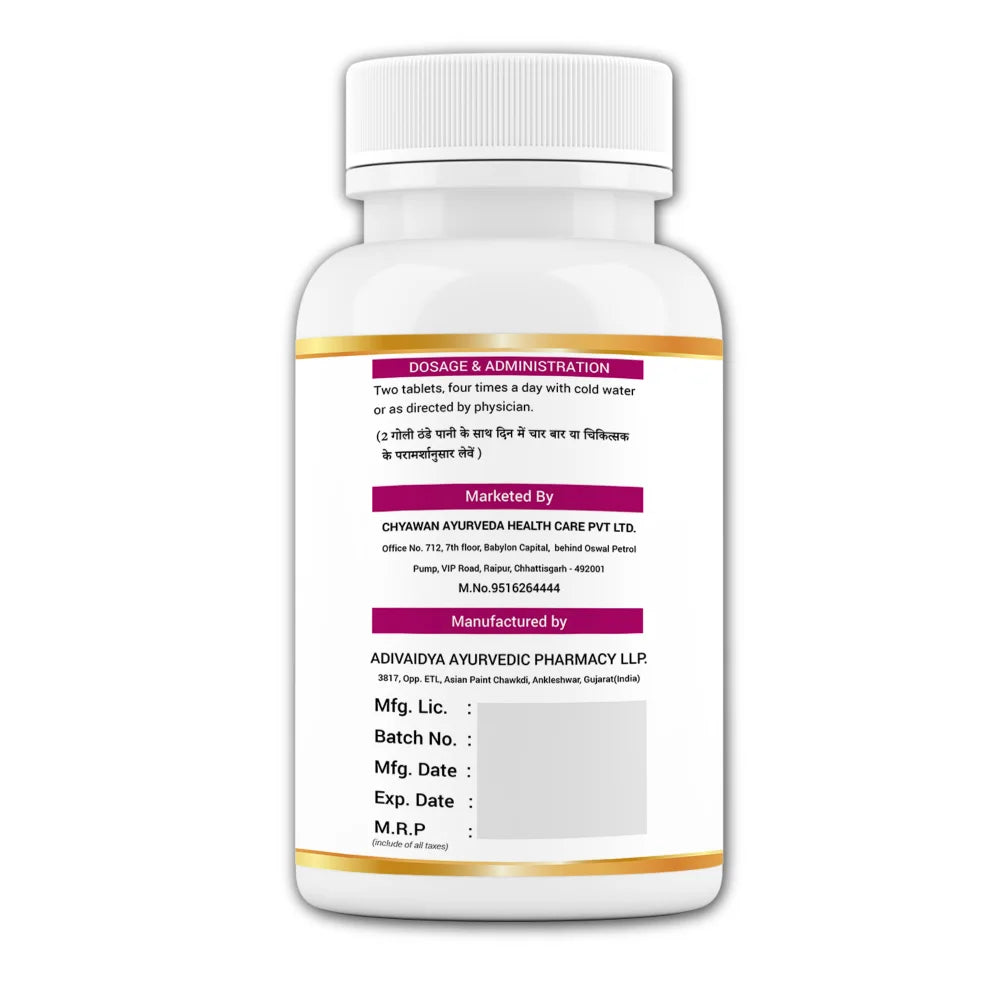
An Ayurvedic Tablet for Piles is another convenient format. Tablets are easy to store, carry, and incorporate into a regular routine.
Before using a tablet, read the product directions carefully. If you are already taking prescription medicines or other supplements, consult a healthcare professional before adding a new herbal product.
The term "herbal" does not automatically mean that a product is suitable for everyone.
Best Ayurvedic Tablet for Piles
The Best Ayurvedic Tablet for Piles should be selected based on product quality and individual suitability rather than popularity alone.
A useful checklist includes:
- Is the formulation clearly described?
- Are the ingredients disclosed?
- Is the manufacturer identifiable?
- Are dosage and precautions provided?
- Is the product properly packaged?
- Is the product appropriate for your situation?
These questions can help consumers make more informed decisions.

Food and Digestive Wellness
Nutrition is an important part of piles care. A diet containing adequate fiber can help support regular bowel movements and may make stools easier to pass.
Useful food choices can include:
Fruits
- Papaya
- Guava
- Pears
- Apples
- Oranges
Vegetables
- Spinach
- Carrots
- Pumpkin
- Bottle gourd
- Beans
Whole Grains
- Oats
- Brown rice
- Whole wheat
- Millets
Pulses and Legumes
- Lentils
- Chickpeas
- Beans
If your current diet contains little fiber, increase it gradually and drink adequate fluids.
Hydration and Bowel Habits
Adequate fluid intake supports normal digestive function. Combined with fiber-rich foods, sufficient fluids can help maintain comfortable bowel habits.
Good toilet habits are equally important. Avoid repeatedly delaying the urge to pass stool, excessive straining, and spending unnecessarily long periods sitting on the toilet.
These simple habits can become part of a practical daily wellness routine.
Conclusion
Ayurveda emphasizes the relationship between digestion, bowel habits, diet, and everyday lifestyle. Ayurvedic Medicine for Piles, may be considered as part of a broader wellness routine when appropriate.
Most importantly, bleeding should not be ignored. Combining sensible dietary and lifestyle habits with appropriate professional guidance can provide a more responsible approach to managing piles and maintaining digestive wellness.