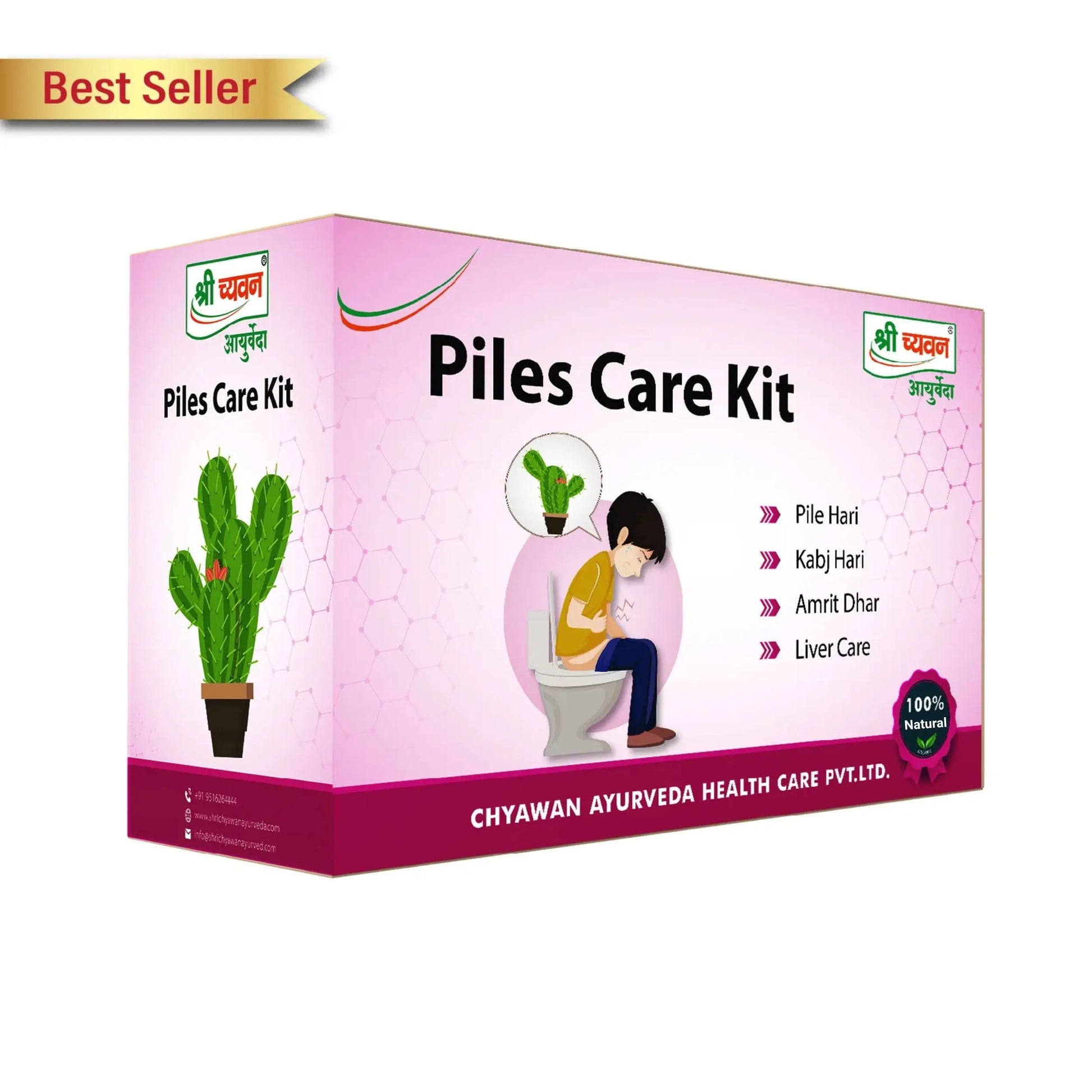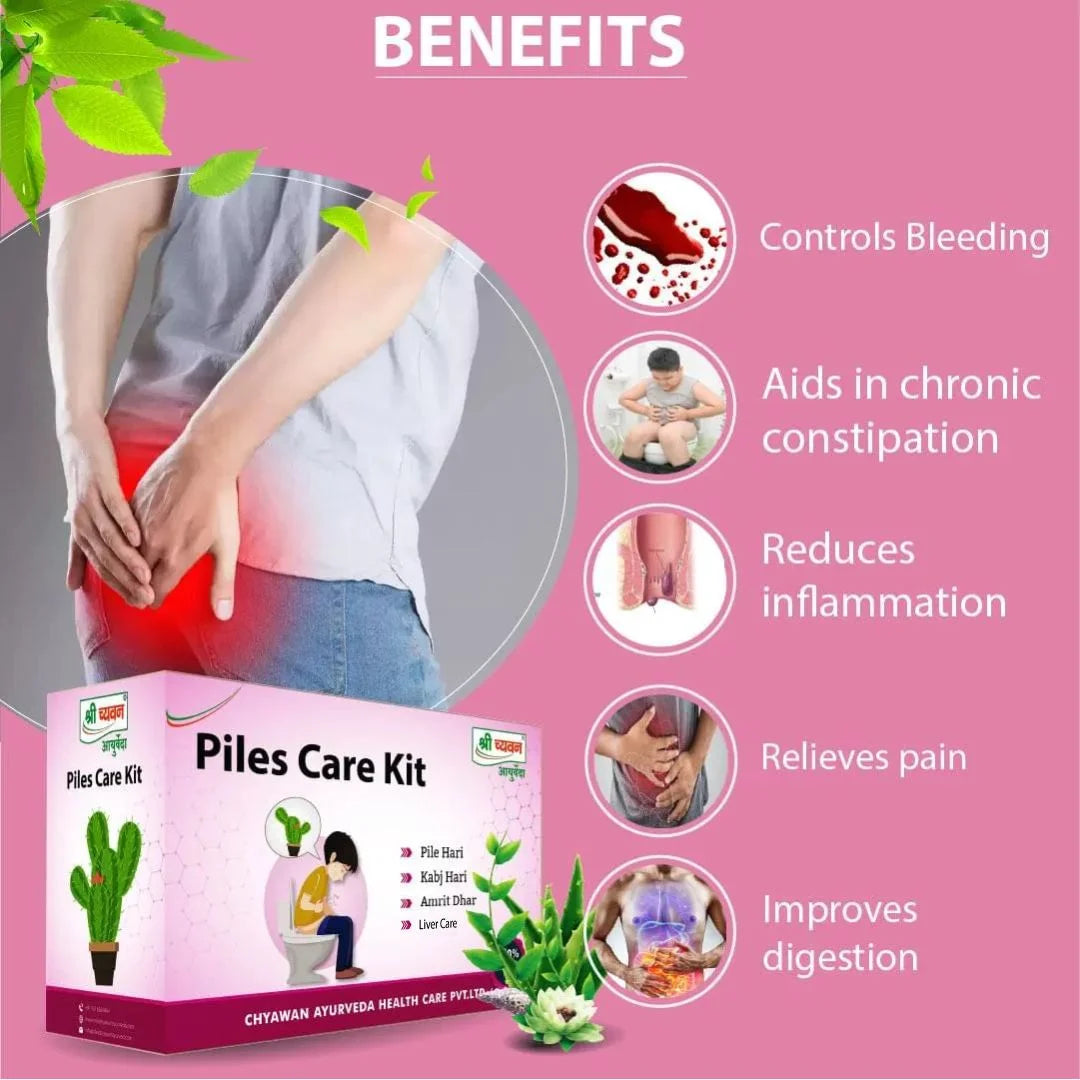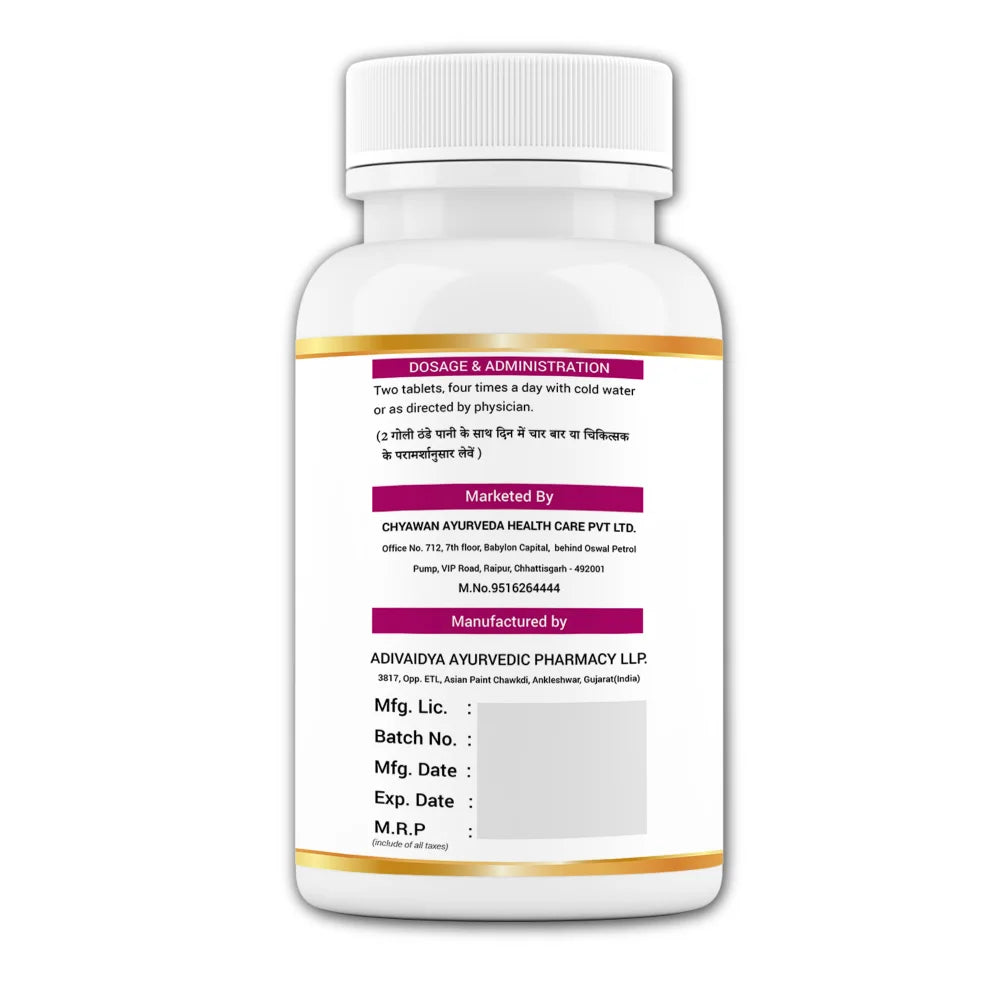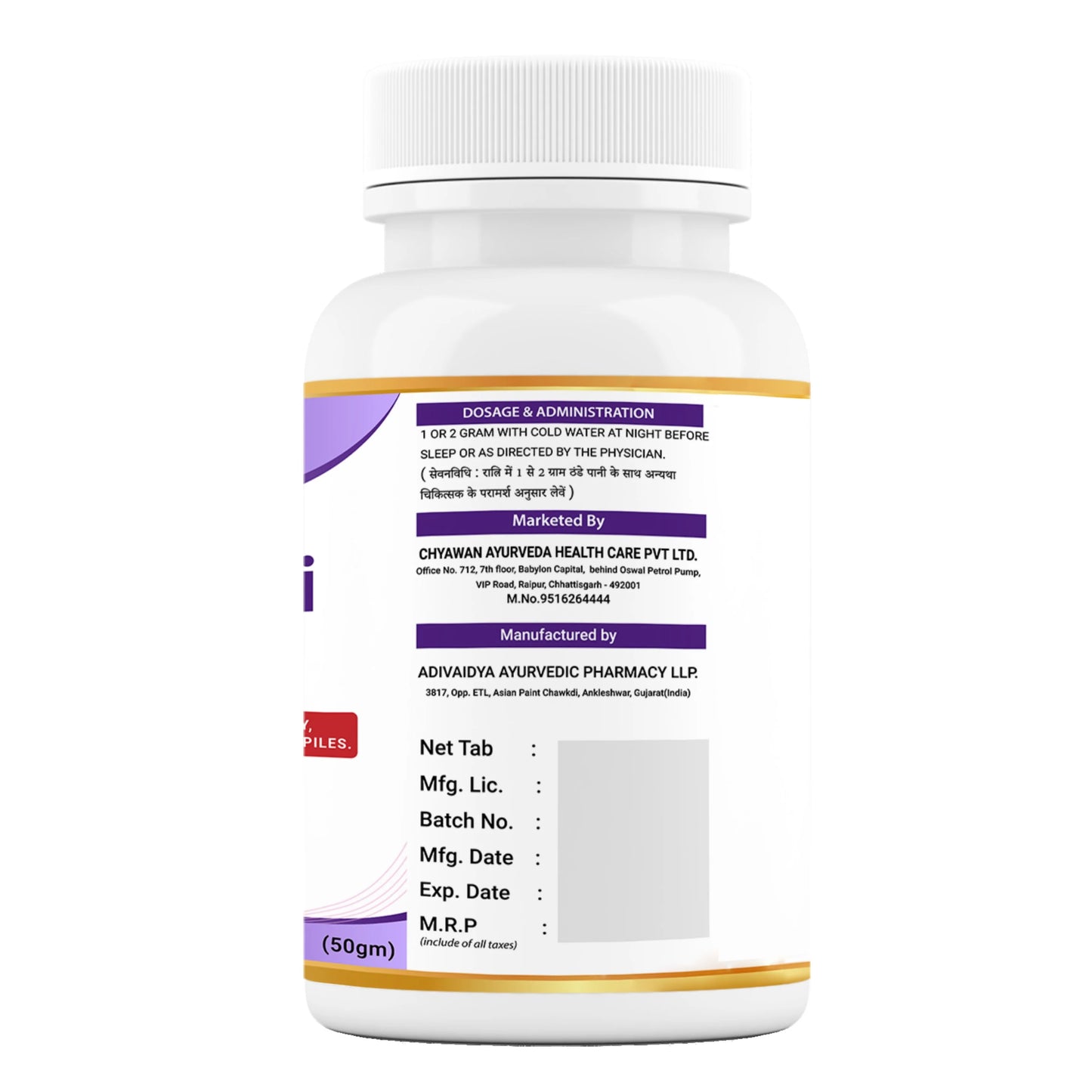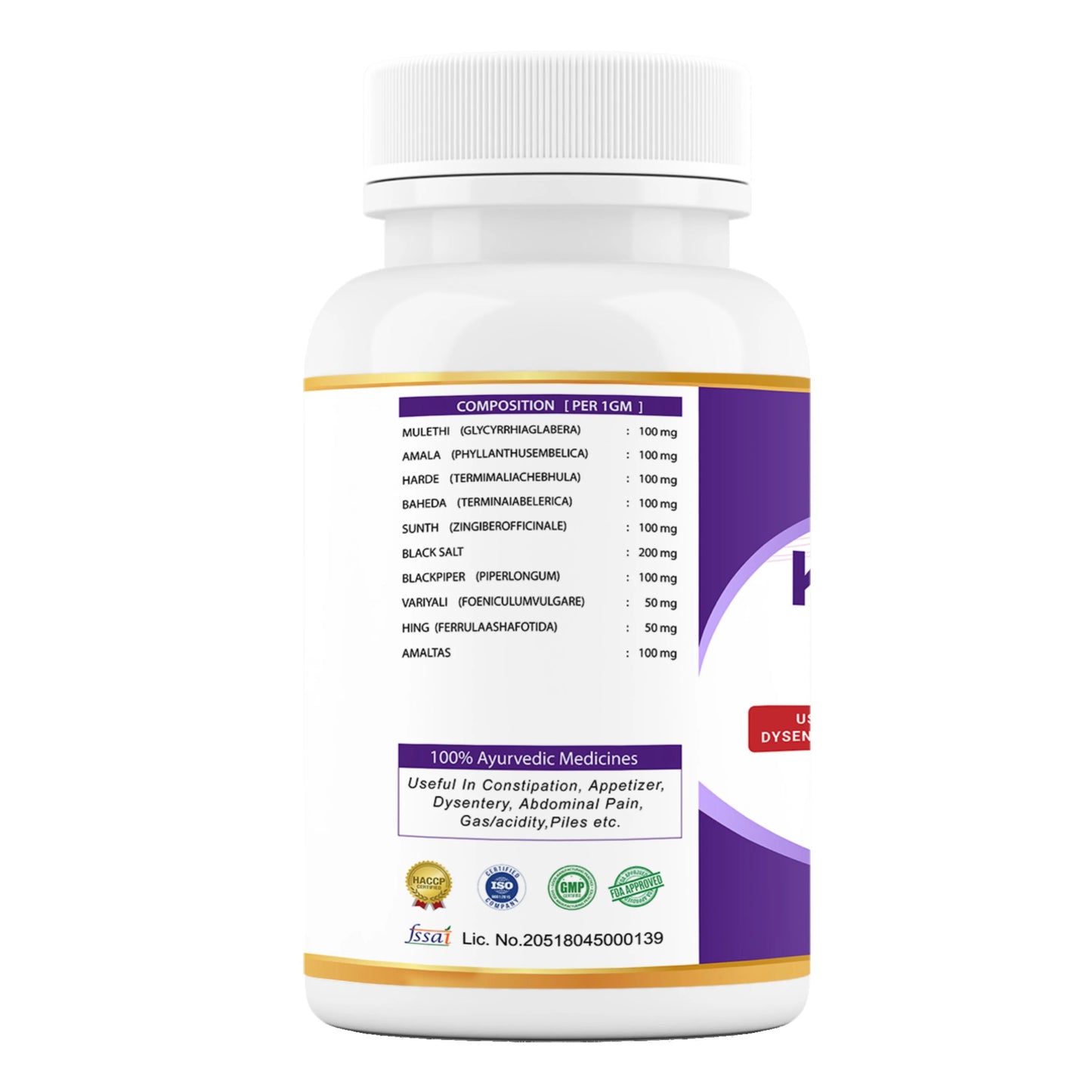

Piles, medically known as haemorrhoids, are a common condition involving swollen and inflamed veins around the anus or lower rectum. Depending on the type and severity, people may experience itching, discomfort, swelling, lumps around the anal area, or bleeding during bowel movements. Internal and external piles can have different symptoms, so understanding the condition is an important first step toward appropriate care.
When searching for Ayurveda, product should not be based only on its name or promotional claims. Daily comfort often depends on several factors, including diet, bowel habits, hydration, physical activity, hygiene, and appropriate medical guidance.
This guide explains how these aspects casn fit into a practical daily piles-care routine.
Understanding Piles and Everyday Discomfort
Piles can become more noticeable when there is repeated pressure around the anal area. Constipation, straining during bowel movements, spending too much time on the toilet, a low-fibre diet, pregnancy, ageing, and some lifestyle factors can increase the likelihood of haemorrhoids.
For many people, the goal of daily care is not simply to find a product but to reduce habits that may contribute to hard stools and straining. A consistent routine can help support comfortable bowel movements and digestive wellness.
This is where piles care becomes broader than simply taking a tablet or powder.
Ayurveda for Piles and the Importance of a Holistic Routine
Ayurveda traditionally takes a broader approach to wellness, considering diet, digestion, lifestyle and daily routines together. People interested in Ayurveda for piles may therefore explore dietary habits and traditional herbal formulations alongside general measures for bowel wellness.
However, an Ayurvedic product should be selected carefully. Herbal does not automatically mean suitable for everyone, and individual ingredients can have different effects or precautions.
A responsible approach is to look at the complete formulation, follow the manufacturer's directions, and consult a qualified healthcare professional when symptoms are persistent or significant.
Rather than expecting one product to solve every concern, think of piles care as a combination of appropriate product selection and healthy daily habits.
What to Look for in Piles Medicine
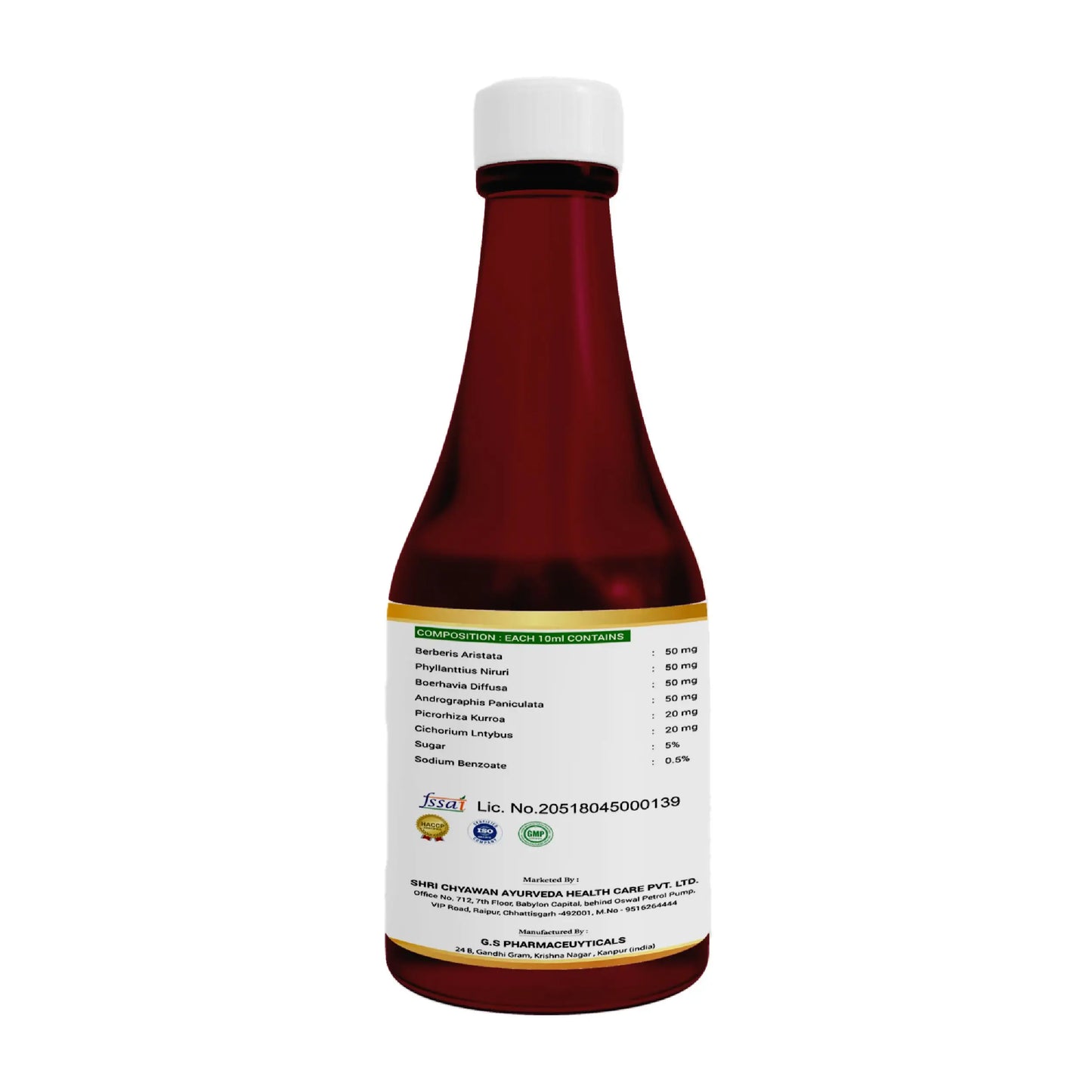
The term piles medicine can describe different types of products. Depending on the formulation, these may be intended to support digestive comfort, bowel regularity, or temporary relief from certain symptoms.
Before choosing any product, consider:
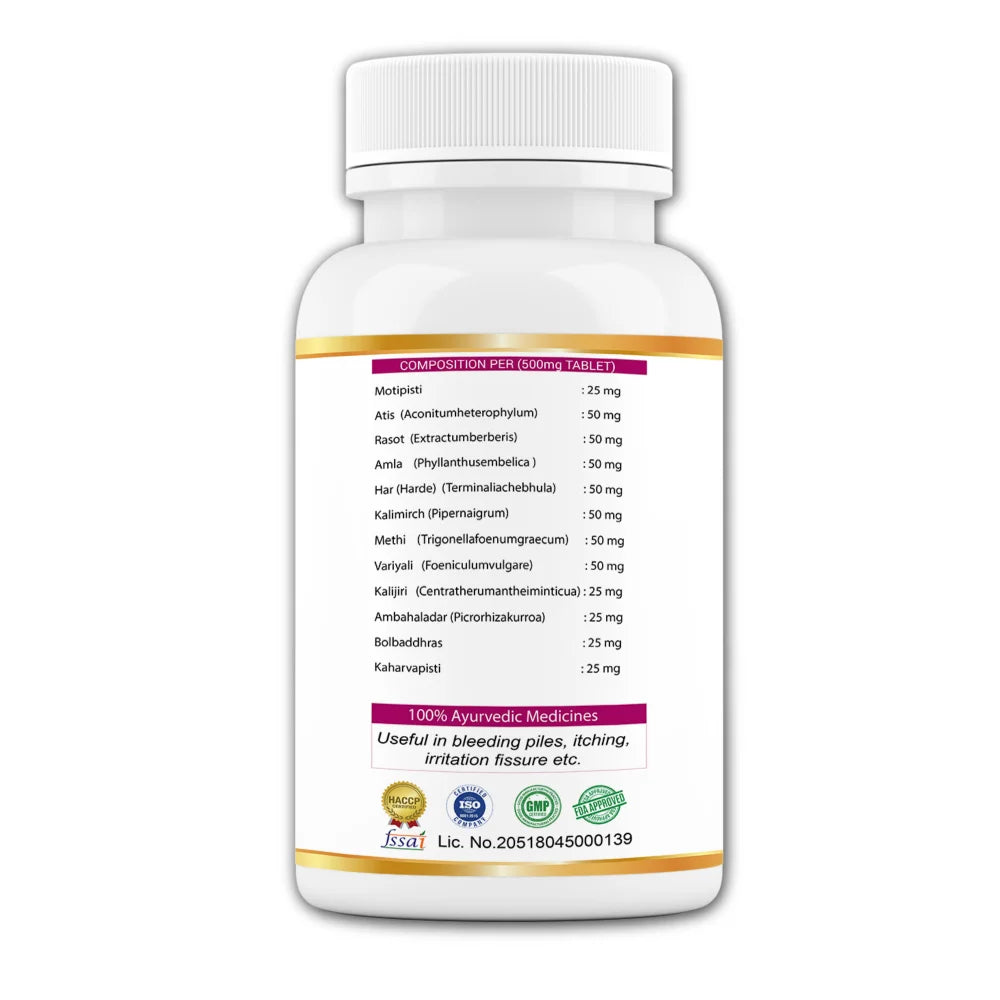
- The complete ingredient list
- Recommended dosage and directions
- Manufacturer and product information
- Expiry date and storage instructions
- Possible precautions and contraindications
- Whether the product is appropriate for your individual needs
- Whether you are already taking other medicines
Avoid relying on claims such as "permanent cure" or "instant results" without understanding what the product actually contains.
A product may be useful as part of a care routine, but it should not replace medical assessment when symptoms are severe, recurrent, or unusual.
Piles Care Medicine and Digestive Wellness
Piles care medicine may be considered alongside dietary and lifestyle changes, particularly when constipation or irregular bowel habits are contributing to discomfort.
One of the most important daily goals is to avoid excessive straining. Hard stools can make bowel movements more difficult and may increase pressure around the anal area.
Fibre-rich foods can help make stools softer and easier to pass. Drinking enough fluids also helps fibre work effectively. NIDDK recommends increasing fibre gradually and discussing individual fluid needs with a healthcare professional.
This means piles care should ideally include both product awareness and attention to everyday digestive habits.
Piles Care Tablet and Product Selection
Piles care tablet may be convenient for people who prefer a tablet-based format. Depending on its ingredients, a tablet may be formulated for digestive support or general piles care.
However, different formulations should not be treated as interchangeable.
Before taking a piles care tablet, check the label carefully. Follow the recommended serving and avoid taking more than the stated amount. If you have an existing medical condition, are pregnant or breastfeeding, or regularly take prescription medicines, professional advice can help determine whether the product is appropriate.
It is also better to avoid combining multiple products with similar ingredients unless advised by a healthcare professional.

Piles Churna and Traditional Digestive Support
Piles churna refers to a powdered formulation that may contain a combination of herbs or other ingredients traditionally used for digestive wellness.
People who choose a churna should pay attention to its ingredient profile and instructions. Some digestive powders may contain fibre or ingredients that influence bowel movements. Increasing fibre too quickly can cause bloating or gas in some people, which is why gradual dietary changes are generally preferable.
When using piles churna, take it according to the product directions rather than assuming that a larger quantity will provide better results.
Adequate fluid intake is also important when increasing fibre intake.
Diet Routine for Better Bowel Comfort
Food choices can play an important role in a piles-care routine.
Include Fibre-Rich Foods
Consider adding foods such as:
- Whole grains
- Oats
- Lentils and dals
- Chickpeas and beans
- Fresh fruits
- Vegetables
- Nuts and seeds
Fibre can help increase stool bulk and make it easier to pass. NIDDK notes that high-fibre foods can help soften stools and support the prevention and management of haemorrhoids.
Increase Fibre Gradually
If your usual diet contains very little fibre, suddenly adding large quantities may cause bloating or gas. Increase fibre progressively and maintain adequate fluid intake.
Limit Highly Processed, Low-Fibre Foods
Foods such as many fast foods, chips and highly processed meals tend to provide little fibre. If constipation is contributing to your symptoms, replacing some of these foods with fibre-rich choices may support better bowel habits.
Hydration and Piles Care
Adequate hydration is another important part of a daily routine. Water and other suitable fluids can work together with dietary fibre to help maintain softer stools.
Your fluid requirement depends on factors such as activity level, climate and individual health. Instead of following a fixed amount without considering your circumstances, ask a healthcare professional if you need personalised guidance.
For people living in warmer parts of India or those who are physically active, paying attention to hydration throughout the day can be particularly practical.
Toilet Habits That Can Make a Difference
Daily toilet habits are often overlooked.
Try not to ignore the natural urge to have a bowel movement. Avoid excessive pushing or straining, and do not spend unnecessarily long periods sitting on the toilet.
Using your phone while sitting on the toilet can unintentionally extend the amount of time spent there. Developing a simple toilet routine without prolonged sitting may be a useful part of piles care.
These measures are consistent with clinical guidance that recommends avoiding straining and prolonged toilet sitting.

Physical Activity and Daily Movement
A sedentary routine can contribute to constipation in some people. Regular physical activity can support overall digestive health and bowel regularity.
You do not necessarily need an intensive exercise programme. Depending on your fitness level, simple activities such as walking, stretching, or other suitable movement can help make your daily routine more active.
If you spend several hours working at a desk, taking short movement breaks during the day can be a practical habit.
Hygiene and Comfort
Gentle hygiene is important when dealing with anal discomfort. Keep the area clean and dry, and avoid excessive rubbing that may irritate sensitive skin.
Warm baths may also provide temporary comfort for some people experiencing itching or discomfort. Clinical guidance commonly includes warm-water baths as one supportive measure for haemorrhoid symptoms.
Conclusion
Managing piles is often about creating a sustainable daily routine rather than depending on a single product. Piles medicine may be considered according to their formulation and individual requirements, but product selection should be combined with healthy dietary and toilet habits.
For people exploring Ayurveda choosing quality formulations and taking professional guidance when necessary, can help create a more informed approach to wellness.