
Piles, also known as hemorrhoids, are one of the most common digestive health concerns in India. Millions of people experience symptoms such as discomfort during bowel movements, swelling around the anal area, irritation, and in some cases, bleeding. These symptoms can affect daily activities, productivity, and overall quality of life.
With growing awareness about natural healthcare, many individuals are exploring Ayurveda for piles as a supportive approach to digestive wellness. Ayurvedic practices focus on maintaining healthy digestion, supporting bowel regularity, and promoting overall balance within the body.
In this article, we will explore how ayurvedic piles tablet formulations are traditionally used, why they are popular in India, and how they may support people dealing with bleeding and painful piles.
Understanding Piles and Their Symptoms
Piles occur when veins around the rectum or anus become swollen due to excessive pressure. This pressure can result from chronic constipation, prolonged sitting, low-fiber diets, obesity, pregnancy, or repeated straining during bowel movements.
Common Symptoms of Piles
- Pain during bowel movements
- Burning sensation
- Swelling around the anus
- Itching and irritation
- Discomfort while sitting
- Occasional bleeding during stool passing
- Feeling of incomplete bowel evacuation
Symptoms may vary depending on the severity and type of piles.
Why Bleeding and Pain Occur in Piles
Bleeding often occurs when swollen veins become irritated during bowel movements. Hard stools and excessive straining may increase the likelihood of discomfort.
Pain may develop due to:
- Inflammation of swollen veins
- Irritation of surrounding tissues
- Constipation-related pressure
- Prolonged sitting
Managing these contributing factors is often an important part of overall piles care.
Ayurveda for Piles: A Holistic Perspective
Unlike approaches that focus only on symptoms, Ayurveda for piles emphasizes digestive health and healthy elimination.
According to traditional Ayurvedic principles, digestive imbalance may contribute to conditions that increase discomfort around the anorectal region.
Key Ayurvedic Focus Areas
- Supporting healthy digestion
- Encouraging regular bowel movements
- Promoting digestive balance
- Supporting overall wellness
- Maintaining healthy lifestyle habits
This comprehensive approach is one reason why ayurvedic medicine for piles remains widely used in India.
What Are Ayurvedic Tablets for Piles?
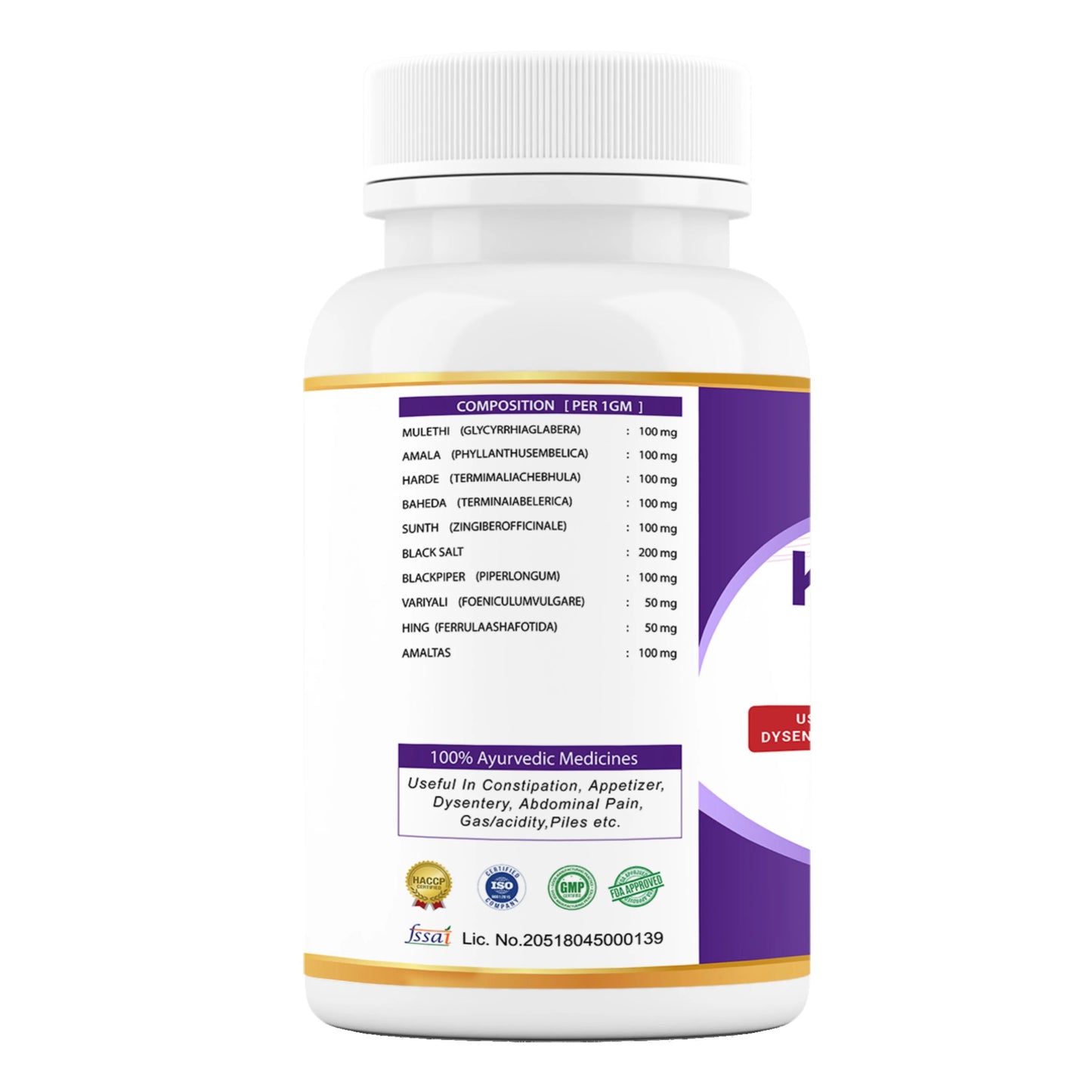
Ayurvedic tablets for piles are herbal formulations traditionally used to support digestive health and bowel regularity.
These tablets often contain a combination of herbs that have been used in Ayurvedic wellness practices for generations.
Common Objectives of Ayurvedic Tablets
- Support digestive function
- Encourage comfortable bowel movements
- Promote regular elimination
- Support digestive balance
- Complement healthy dietary habits
Many people consider them an important part of a natural digestive wellness routine.
How Ayurvedic Piles Tablet Supports Digestive Health
One of the major goals of an ayurvedic piles tablet is supporting healthy digestion.
Better Digestion
Digestive wellness is closely connected to bowel regularity. A healthy digestive system may help reduce unnecessary strain during bowel movements.
Support for Bowel Regularity
Many Ayurvedic herbs are traditionally used to encourage regular bowel habits.
Healthy Elimination
Comfortable bowel movements are often considered important for maintaining digestive wellness.
Overall Digestive Balance
Ayurvedic formulations frequently focus on supporting the body's natural digestive processes.
Common Herbs Used in Ayurvedic Piles Medicine
The effectiveness of ayurvedic piles medicine is often linked to its herbal composition.
Triphala
A traditional Ayurvedic combination widely known for supporting digestive wellness and bowel regularity.
Haritaki
Frequently used in Ayurvedic formulations aimed at digestive support.
Amla
A natural source of antioxidants commonly included in Ayurvedic wellness products.
Neem
Traditionally valued in Ayurvedic practices for its supportive properties.
Guggul
A popular ingredient in various Ayurvedic formulations.
Nagkesar
Often included in traditional herbal combinations used for anorectal wellness support.
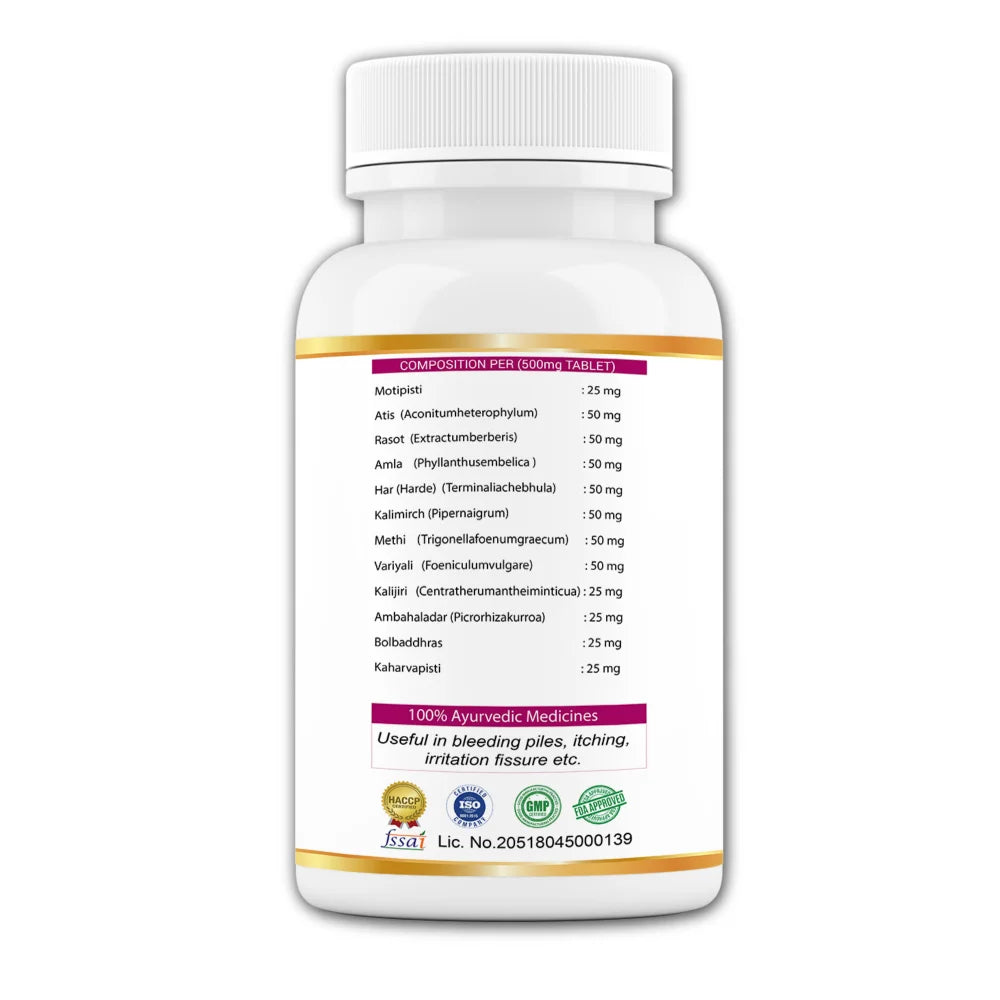
These ingredients are commonly found in many piles ayurvedic tablet.
Why Ayurvedic Tablets Are Popular for Piles Support
Several factors contribute to the growing popularity of Ayurvedic formulations in India.
Natural Ingredients
Many people prefer herbal ingredients over synthetic alternatives.
Long Tradition of Use
Ayurveda has been part of Indian healthcare traditions for centuries.
Digestive Wellness Focus
The emphasis on digestion aligns with the belief that healthy bowel habits contribute to overall wellness.
Lifestyle Compatibility
Ayurvedic tablets can often be incorporated into broader wellness routines involving diet and exercise.

Supporting Piles Management Through Diet
Even the best ayurvedic medicine for piles works best when combined with healthy dietary habits.
Fiber-Rich Foods
Include foods such as:
- Oats
- Brown rice
- Whole wheat
- Fruits
- Vegetables
- Salads
Fresh Fruits
Helpful options include:
- Papaya
- Apples
- Pears
- Bananas
Adequate Water Intake
Hydration plays an important role in supporting digestive health.
Lifestyle Habits That May Support Comfort
Stay Active
Walking and regular movement help support healthy digestion.
Avoid Prolonged Sitting
Long periods of sitting may increase pressure around the rectal area.
Maintain Healthy Weight
Weight management may contribute to overall wellness.
Follow Regular Meal Timings
Consistent eating habits support digestive balance.
Avoid Excessive Straining
Healthy bowel habits may help reduce unnecessary pressure.
Additional Wellness Practices
Many people combine ayurvedic medicine for piles with supportive lifestyle measures.
Warm Sitz Bath
A commonly used practice for temporary comfort.
Yoga and Stretching
Gentle physical activity may support circulation and digestive wellness.
Stress Management
Mental well-being can indirectly influence digestive health.
Proper Sleep
Quality sleep contributes to overall health and recovery.

Choosing the Best Ayurvedic Tablets for Piles
When evaluating best ayurvedic tablets for piles, consider factors such as:
Ingredient Transparency
Look for clearly listed herbal ingredients.
Manufacturer Reputation
Choose products from reputable companies.
Quality Standards
Check for quality certifications and manufacturing practices.
Suitability
Select products that align with your individual wellness goals.
Conclusion
Bleeding and painful piles can create discomfort and affect quality of life. Maintaining healthy digestion, regular bowel habits, and an active lifestyle are important components of long-term wellness.
Ayurvedic tablets for piles have gained popularity because they focus on digestive balance and overall well-being rather than only addressing surface-level discomfort. Combined with healthy eating habits, adequate hydration, physical activity, and proper self-care may become a valuable part of a comprehensive wellness routine.
Frequently Asked Questions (FAQs)
1. What are Ayurvedic tablets for piles?
Ayurvedic tablets for piles are herbal formulations traditionally used to support digestive health and bowel regularity.
2. How do Ayurvedic piles tablets support digestive wellness?
They often contain herbs traditionally used to encourage healthy digestion and regular elimination.
3. What herbs are commonly used in Ayurvedic piles medicine?
Common herbs include Triphala, Haritaki, Amla, Neem, Guggul, and Nagkesar.
4. Why is digestion important in piles management?
Healthy digestion may help support regular bowel movements and reduce excessive strain.
5. What foods are recommended for digestive wellness?
Fiber-rich foods such as fruits, vegetables, whole grains, oats, and salads are commonly recommended.