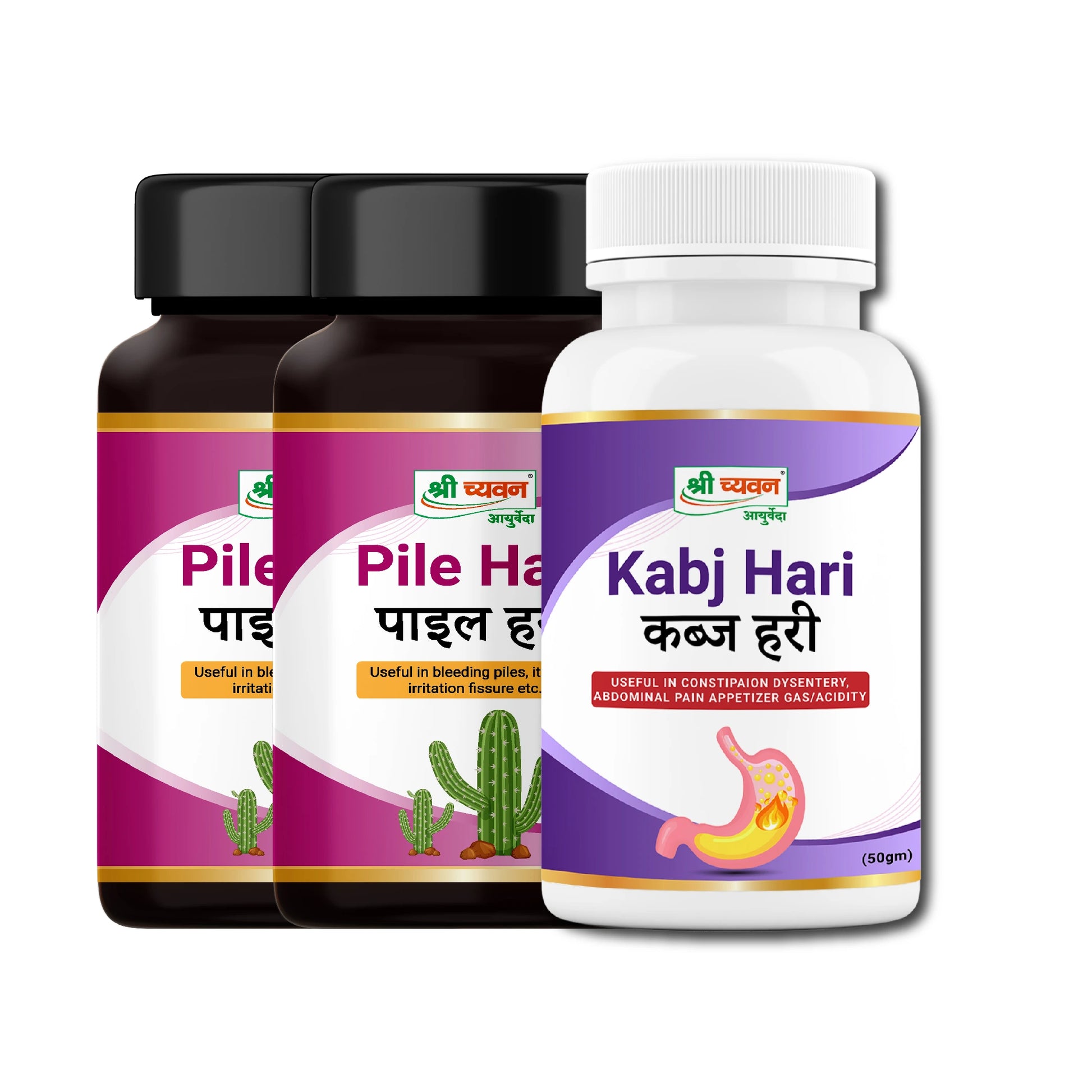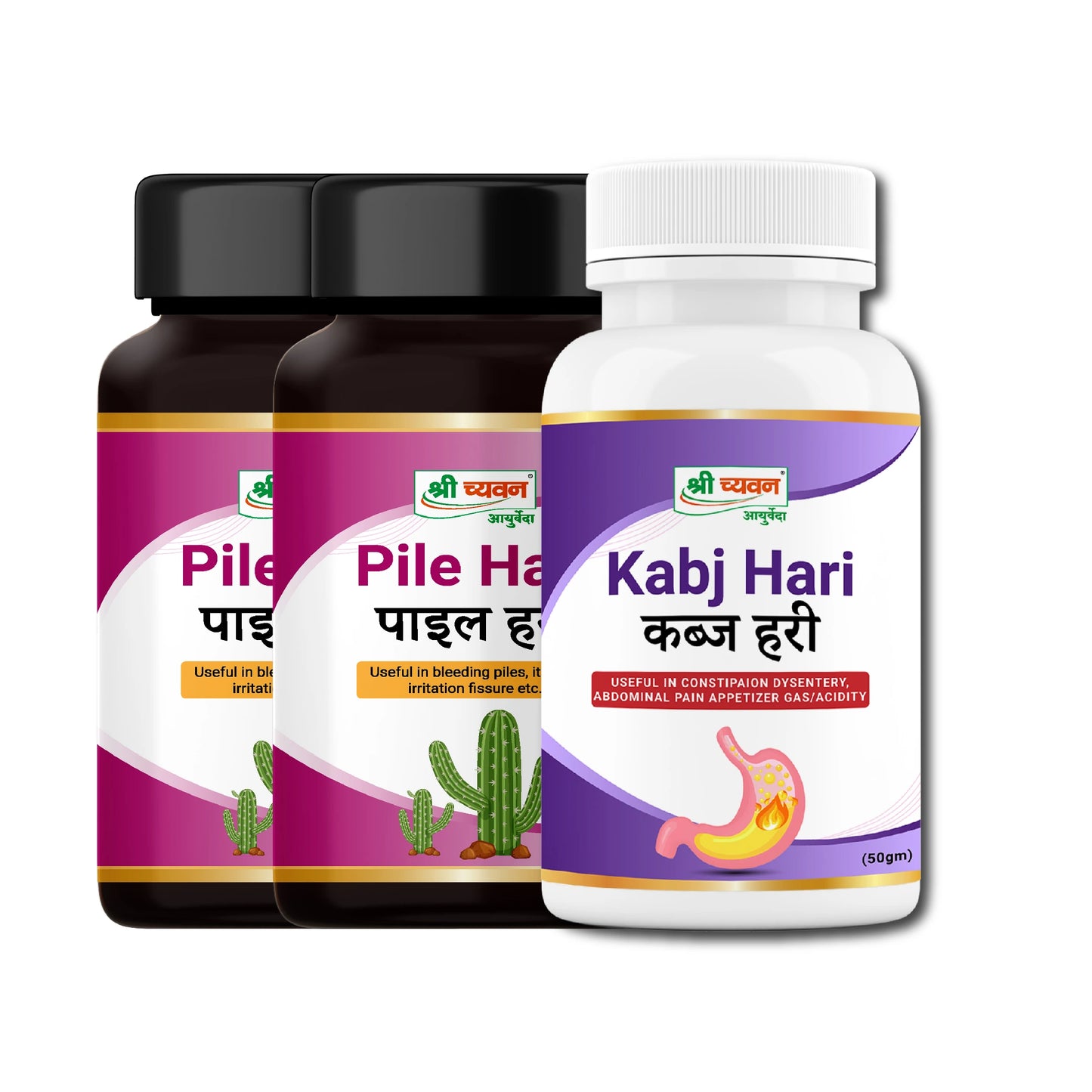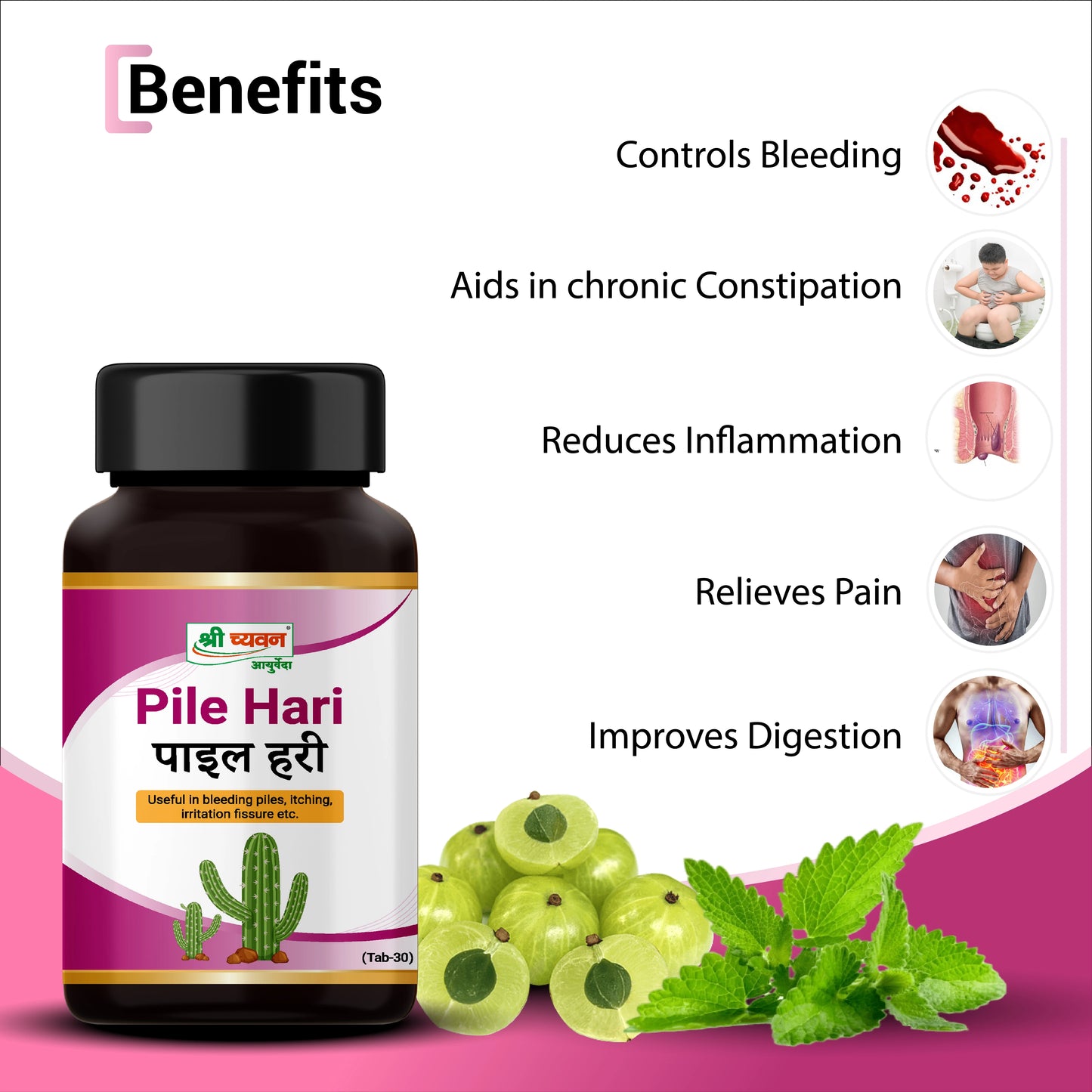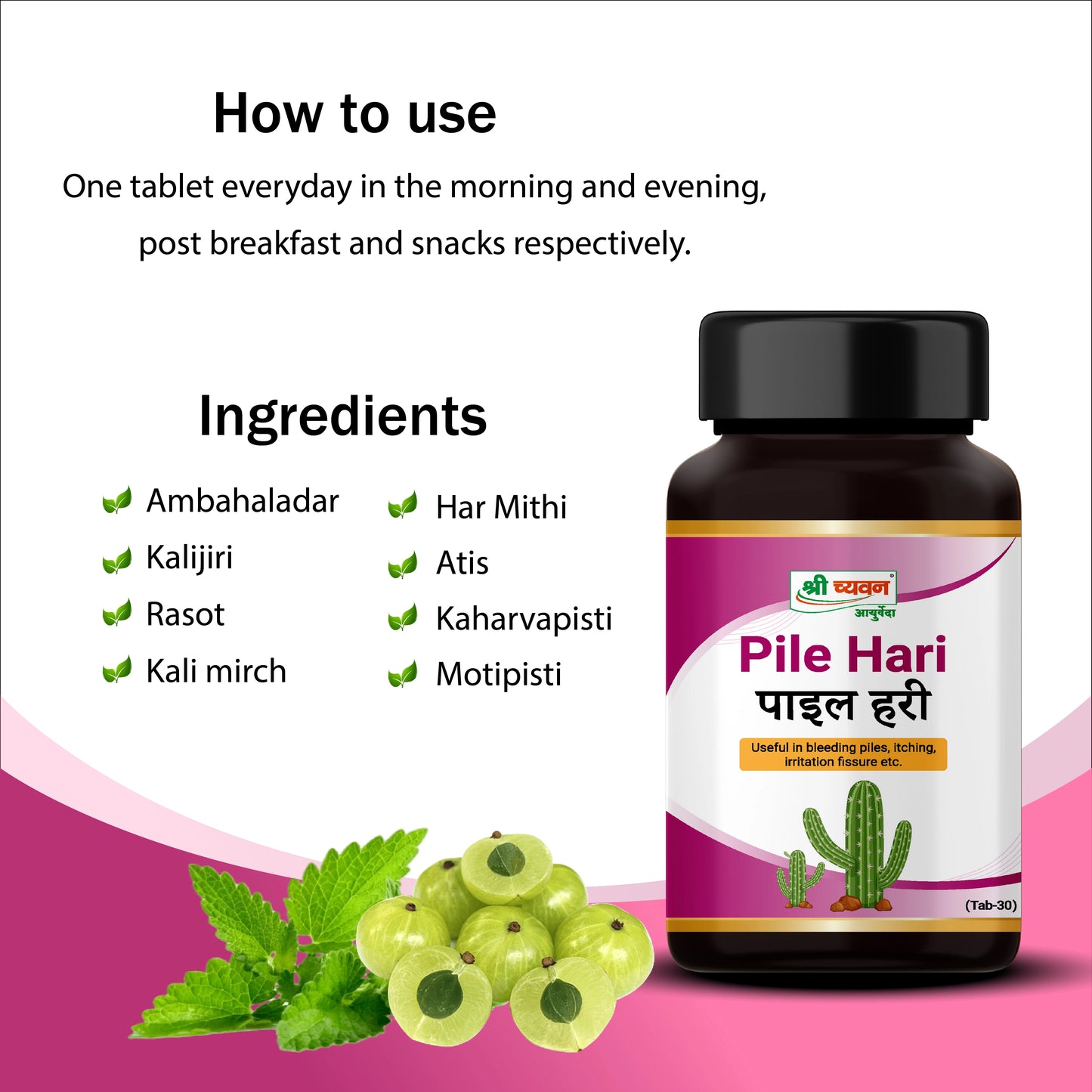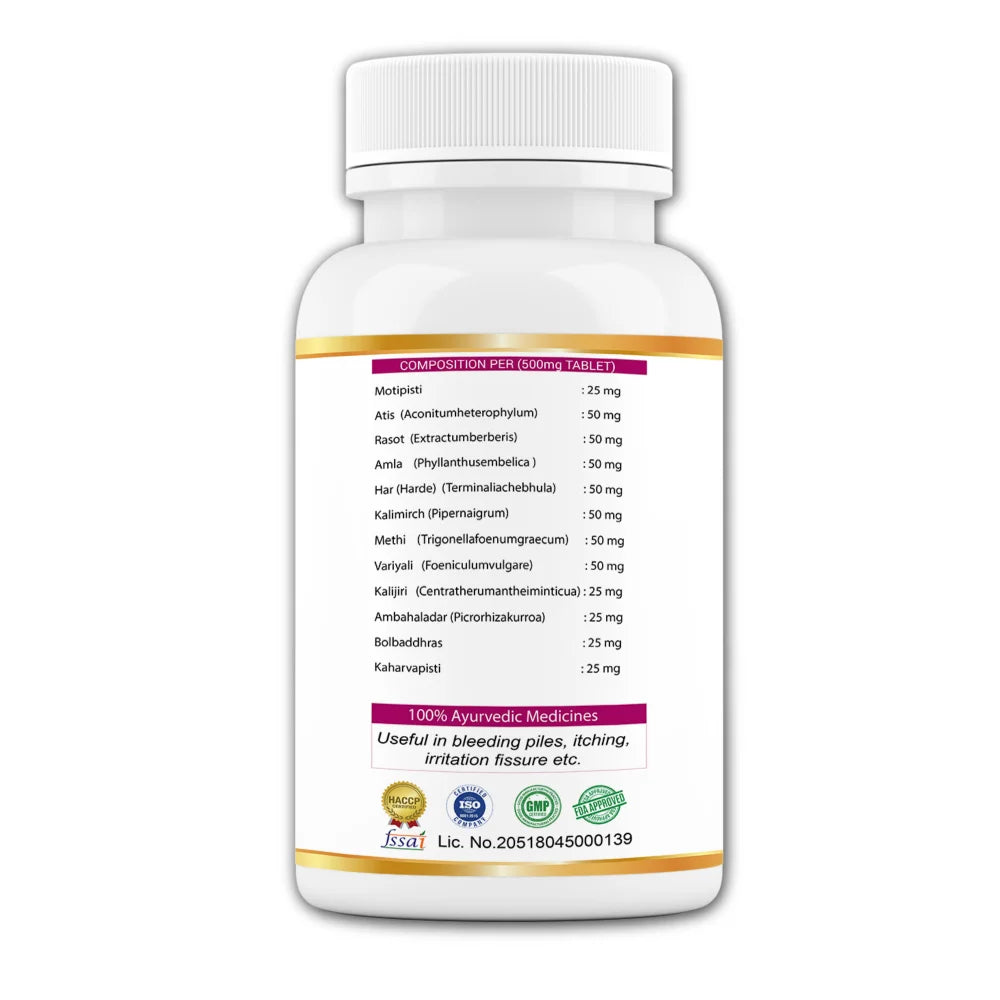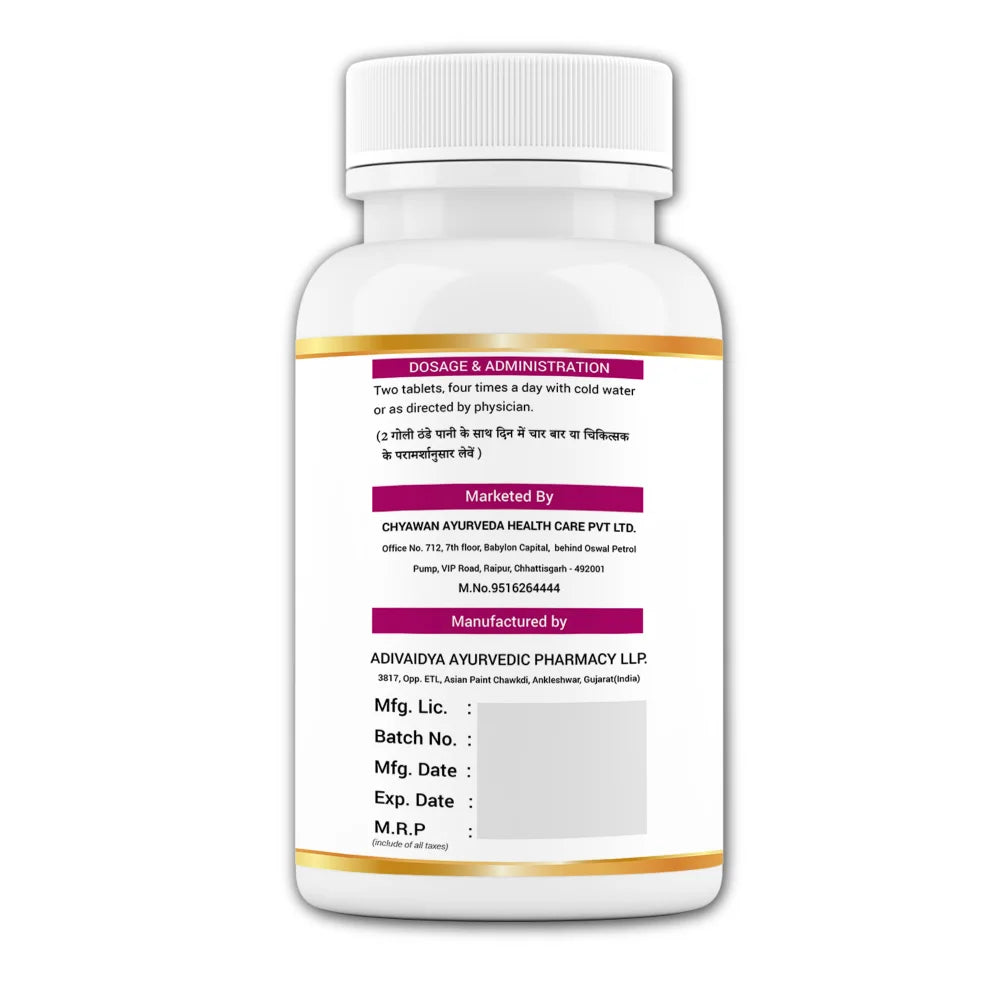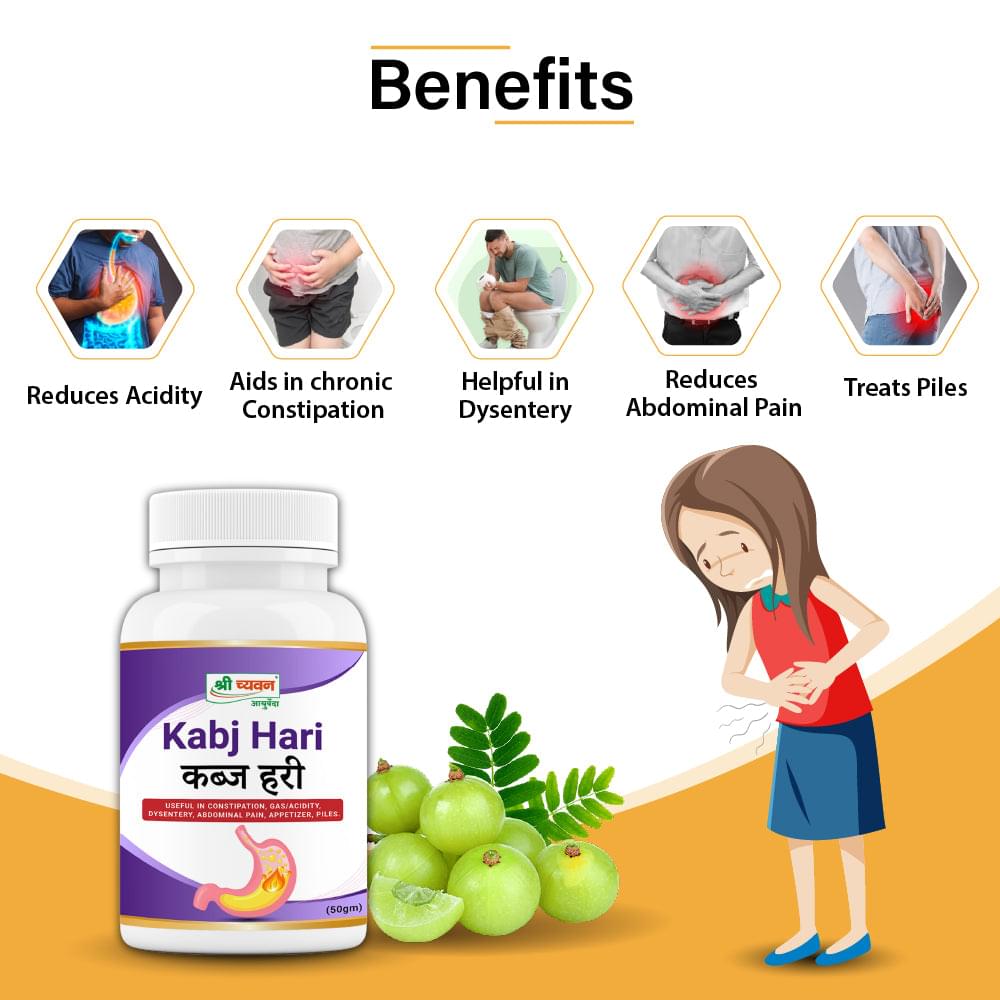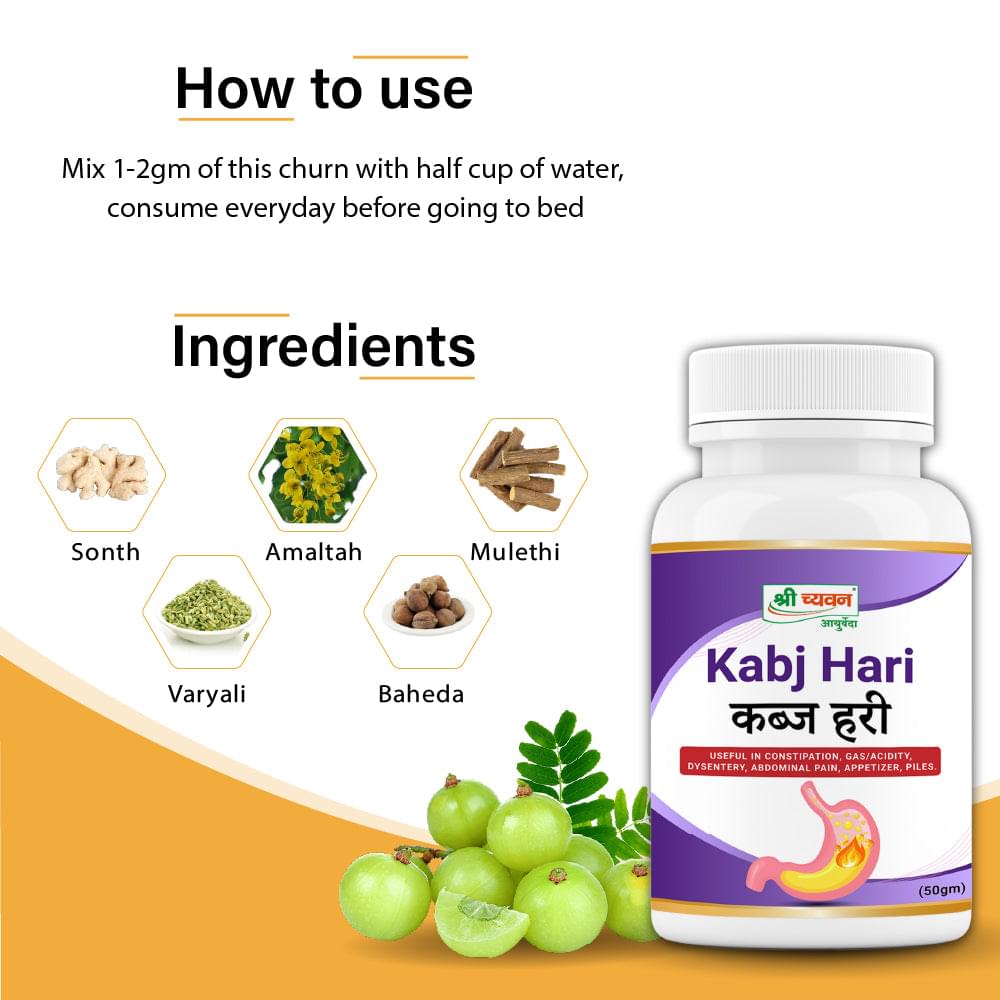

Piles, also known as hemorrhoids, are among the most common digestive and anorectal conditions affecting people across India. While mild piles may cause itching, discomfort, and swelling, bleeding piles often create additional concern for patients. Seeing blood during bowel movements can be alarming and may impact daily comfort and confidence.
Many individuals today are exploring natural ways to support digestive health and manage piles-related discomfort. Ayurveda focuses on supporting digestion, promoting healthy bowel habits, and maintaining overall wellness rather than merely addressing surface symptoms. This is where Ayurvedic tablets and capsule formulations have gained popularity
Understanding Bleeding Piles
Bleeding piles generally occur when swollen veins in the rectal region become irritated during bowel movements. This irritation can happen due to excessive straining, chronic constipation, or repeated pressure on the rectal veins.
Common Signs of Bleeding Piles
- Blood spots during bowel movements
- Discomfort while passing stool
- Swelling around the anal region
- Burning sensation
- Itching and irritation
- Feeling of incomplete bowel evacuation
These symptoms may vary from person to person, depending on the severity of the condition.
Why Piles Are Becoming More Common in India
Modern lifestyles have contributed significantly to digestive issues that may increase the likelihood of piles.
Common Contributing Factors
- Low fiber diet
- Irregular meal timings
- Insufficient water intake
- Long sitting hours
- Lack of physical activity
- Chronic constipation
- Excessive consumption of processed foods
Improving these habits is often considered an important part of long-term piles management.
Ayurveda and Piles Management
Ayurvedic medicine for piles is based on the traditional principles of maintaining digestive balance and supporting healthy elimination.
According to Ayurveda, digestive disturbances and bowel irregularities may contribute to discomfort associated with piles.
Ayurvedic Approach
- Support healthy digestion
- Promote regular bowel movements
- Maintain digestive balance
- Encourage healthy lifestyle habits
- Support overall wellness
This holistic perspective is one of the reasons why many people seek medicine for piles based on Ayurvedic principles.
Ayurvedic Tablets for Piles
Ayurvedic tablets for piles are among the most commonly used Ayurvedic formulations for digestive support.
These tablets often contain herbal ingredients traditionally used to support bowel regularity and digestive comfort.
Potential Benefits
- Support healthy digestion
- Help maintain regular bowel movements
- Encourage digestive balance
- Support overall gut wellness
- Complement a healthy diet and lifestyle
Many people include ayurvedic piles tablet formulations as part of their daily wellness routine.
Piles Capsule Ayurvedic Formulations
Along with tablets, many individuals prefer piles capsule ayurvedic products because capsules are convenient and easy to consume.
Capsules may contain concentrated herbal extracts commonly used in Ayurvedic formulations.
Why Capsules Are Popular
- Easy to consume
- Convenient for daily use
- Suitable for people with busy lifestyles
- Often contain standardized herbal ingredients
Both tablets and capsules are widely used depending on individual preference.
Common Herbs Found in Ayurvedic Tablets and Capsules
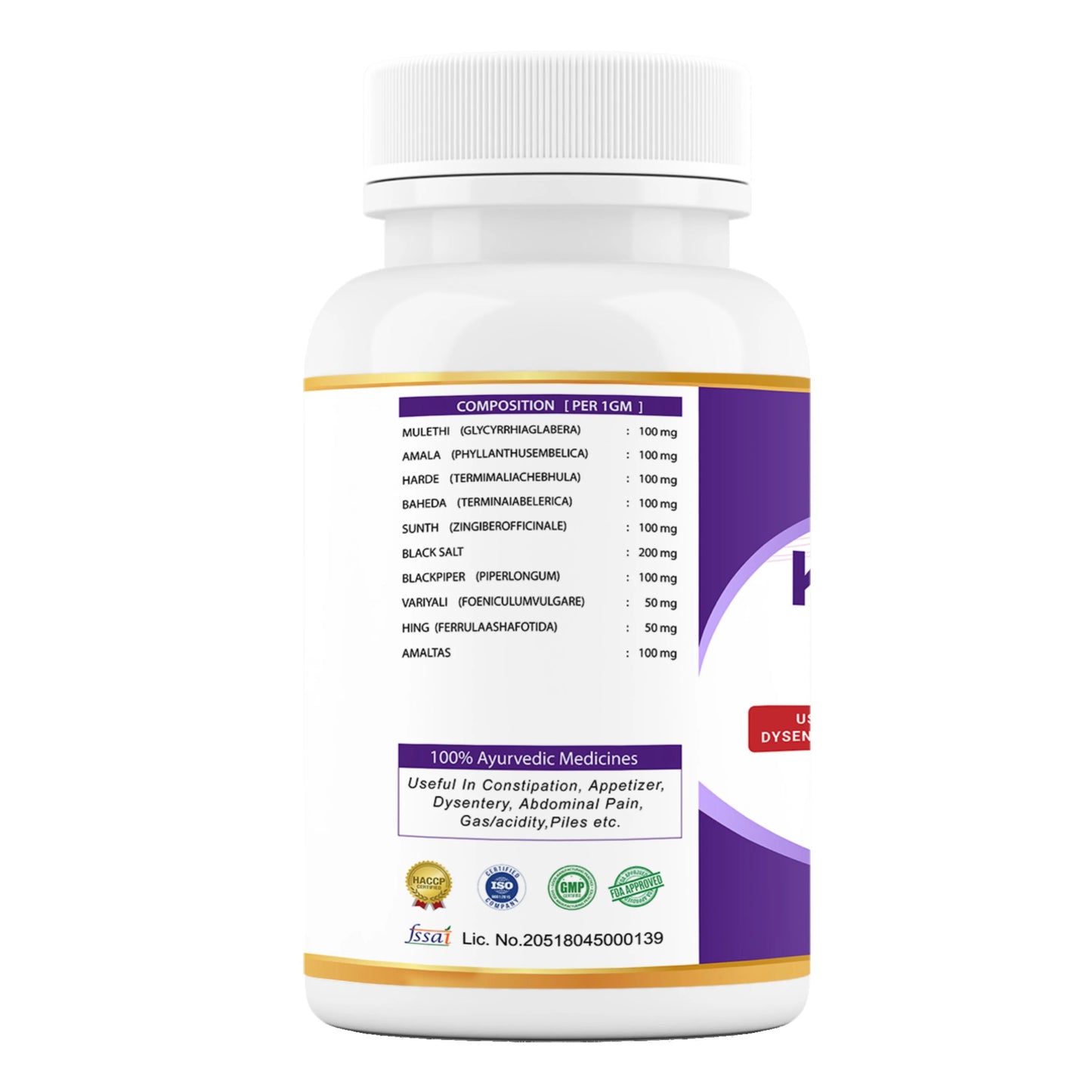
Many tablets for piles and capsules contain traditional Ayurvedic herbs that have been used for digestive wellness for centuries.
Triphala
A well-known Ayurvedic combination traditionally used to support digestion and bowel regularity.
Haritaki
Frequently used in Ayurveda for digestive support.
Amla
Rich in natural antioxidants and commonly included in digestive formulations.
Neem
Traditionally used in Ayurvedic wellness practices.
Nagkesar
Often included in formulations designed for anorectal wellness.
Guggul
Commonly used in Ayurvedic herbal combinations.
These ingredients are frequently found in various best medicine for piles formulations available in the Ayurvedic category.
Tablets vs Capsules: Which One Should You Choose?
Many people ask whether tablets or capsules are better.
The answer often depends on personal preference.
Ayurvedic Tablets
Benefits:
- Widely available
- Traditional format
- Easy to store
Ayurvedic Capsules
Benefits:
- Convenient to swallow
- Portable
- Popular among working professionals
Both options are commonly used in Ayurvedic wellness routines.

Supporting Piles Care Through Diet
Diet plays a crucial role in maintaining digestive health.
Foods That Support Digestive Wellness
- Papaya
- Apples
- Pears
- Bananas
- Oats
- Brown rice
- Whole grains
- Green vegetables
- Salads
Fiber-rich foods help support smoother bowel movements.
Importance of Water Intake
One of the most overlooked aspects of digestive health is hydration.
Benefits of Adequate Hydration
- Helps maintain stool softness
- Supports digestive function
- Encourages regular bowel movements
- Supports overall wellness
Many digestive experts recommend adequate daily water intake as part of healthy bowel habits.
Lifestyle Habits That May Help
Healthy daily routines often complement the use of medicine for piles.
Stay Physically Active
Walking and light exercise support digestive function.
Avoid Prolonged Sitting
Take breaks if your work involves sitting for long periods.
Maintain Healthy Weight
Excess body weight may increase pressure on rectal veins.
Establish Regular Toilet Habits
Avoid delaying bowel movements whenever possible.
Manage Stress
Stress may indirectly affect digestive health and bowel patterns.
Natural Supportive Practices
Warm Sitz Bath
Many people use warm water sitting baths for temporary comfort.
Yoga
Certain yoga practices may help support digestion and circulation.
High-Fiber Diet
Consistent fiber intake supports bowel regularity.
Proper Sleep
Good sleep contributes to overall digestive wellness.

Choosing the Best Medicine for Piles
When selecting a best medicine for piles, it is important to focus on quality and overall digestive support rather than quick fixes.
Consider the Following Factors
- Herbal ingredients
- Manufacturer reputation
- Quality standards
- Ingredient transparency
- Suitability for your individual needs
Always read product labels carefully and seek professional advice when necessary.
Conclusion
Bleeding piles can be uncomfortable and may affect quality of life if not managed properly. A balanced approach that includes healthy eating habits, adequate hydration, physical activity, and digestive wellness can make a significant difference.
Ayurvedic tablets for piles formulations are widely used by people seeking natural digestive support. Combined with a healthy lifestyle, these approaches may contribute to better digestive balance and overall well-being.
Rather than focusing solely on symptoms, Ayurveda emphasizes maintaining digestive health and supporting the body's natural processes, making it a popular choice among individuals looking for long-term wellness solutions.
Frequently Asked Questions (FAQs)
1. What are Ayurvedic tablets for piles?
Ayurvedic tablets for piles are herbal formulations traditionally used to support digestion, bowel regularity, and overall digestive wellness.
2. Are capsules and tablets equally effective?
Both capsules and tablets are commonly used. The choice usually depends on individual preference and convenience.
3. What herbs are commonly found in piles Ayurvedic capsules?
Common ingredients may include Triphala, Haritaki, Amla, Neem, Guggul, and Nagkesar.
4. Why is fiber important for people with piles?
Fiber helps support regular bowel movements and may reduce excessive straining.
5. How much water should be consumed daily?
Individual needs vary, but adequate hydration is important for maintaining healthy digestion and bowel function.