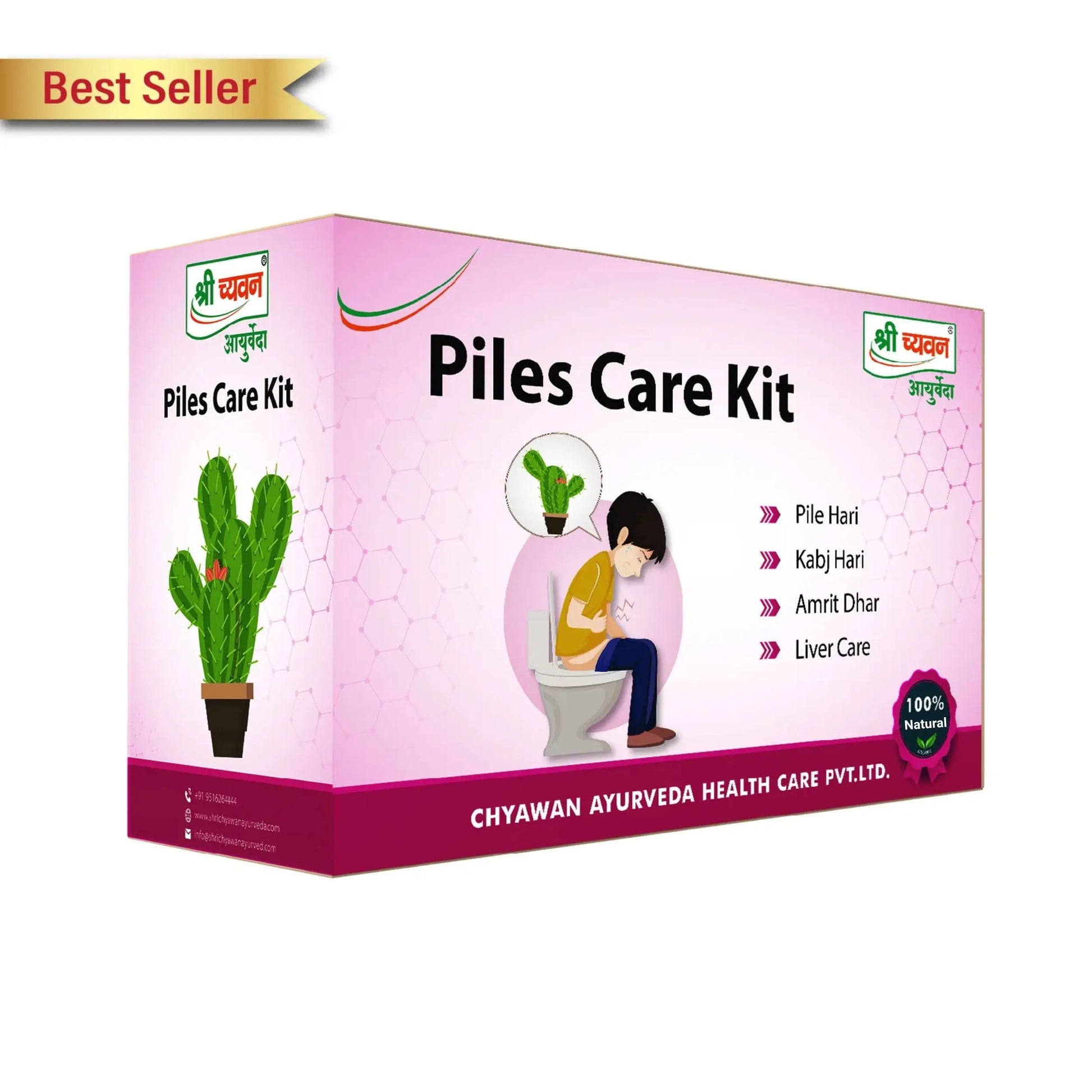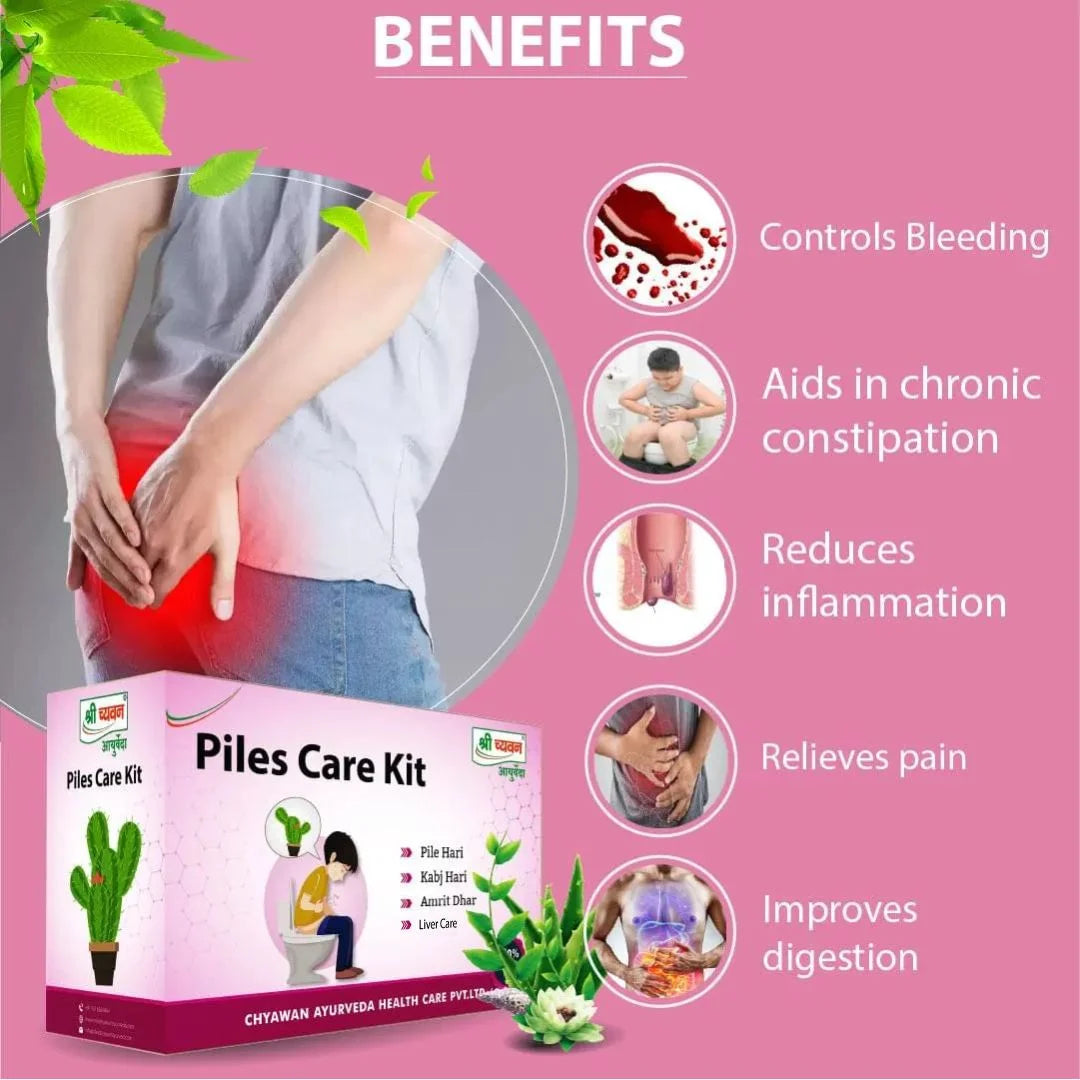

Piles, also known as hemorrhoids, are one of the most common digestive health concerns in India. Due to unhealthy eating habits, constipation, long sitting hours, and lack of physical activity, many people experience discomfort caused by swollen veins around the rectal area. Symptoms like pain, burning sensation, itching, swelling, and bleeding can affect both physical comfort and daily routine.
Today, many people prefer Ayurveda for piles because it focuses on natural healing and long-term digestive balance instead of temporary symptom suppression. Ayurvedic treatment includes different options such as ayurvedic tablet, cream, and ointment for piles. However, many people often wonder which one works best.
In this article, we will understand the difference between tablets, creams, and ointments, how each treatment works, and which option may be more suitable depending on the condition.
Understanding Piles and Its Symptoms
Piles occur when pressure increases in the veins of the rectum and anus, causing inflammation and swelling.
Common Causes of Piles
- Chronic constipation
- Straining during bowel movements
- Low fiber diet
- Sedentary lifestyle
- Obesity
- Pregnancy
Common Symptoms
- Pain during stool passing
- Burning sensation
- Itching around the anus
- Swelling or lumps
- Bleeding in some cases
- Difficulty sitting comfortably
Using the right Ayurvedic Medicine for Piles at an early stage may help manage symptoms more effectively.
Why Ayurveda is Popular for Piles Treatment
Ayurveda focuses on correcting digestion and balancing the body's doshas naturally.
Benefits of Ayurveda for Piles
- Uses herbal ingredients
- Helps improve bowel movement
- Reduces swelling and irritation
- Supports long-term digestive health
- Helps prevent recurrence
This is why many people search for the Best Ayurvedic Medicine for Piles instead of relying only on temporary relief methods.
Ayurvedic Tablet for Piles
It mainly works internally. It focuses on improving digestion, reducing constipation, and lowering pressure on swollen veins.
How Ayurvedic Tablets Help
- Improve bowel movement
- Reduce constipation naturally
- Help reduce inflammation
- Support healing of rectal tissues
- Improve digestive health
Common Herbal Ingredients
- Triphala
- Neem
- Haritaki
- Guggul
- Nagkesar
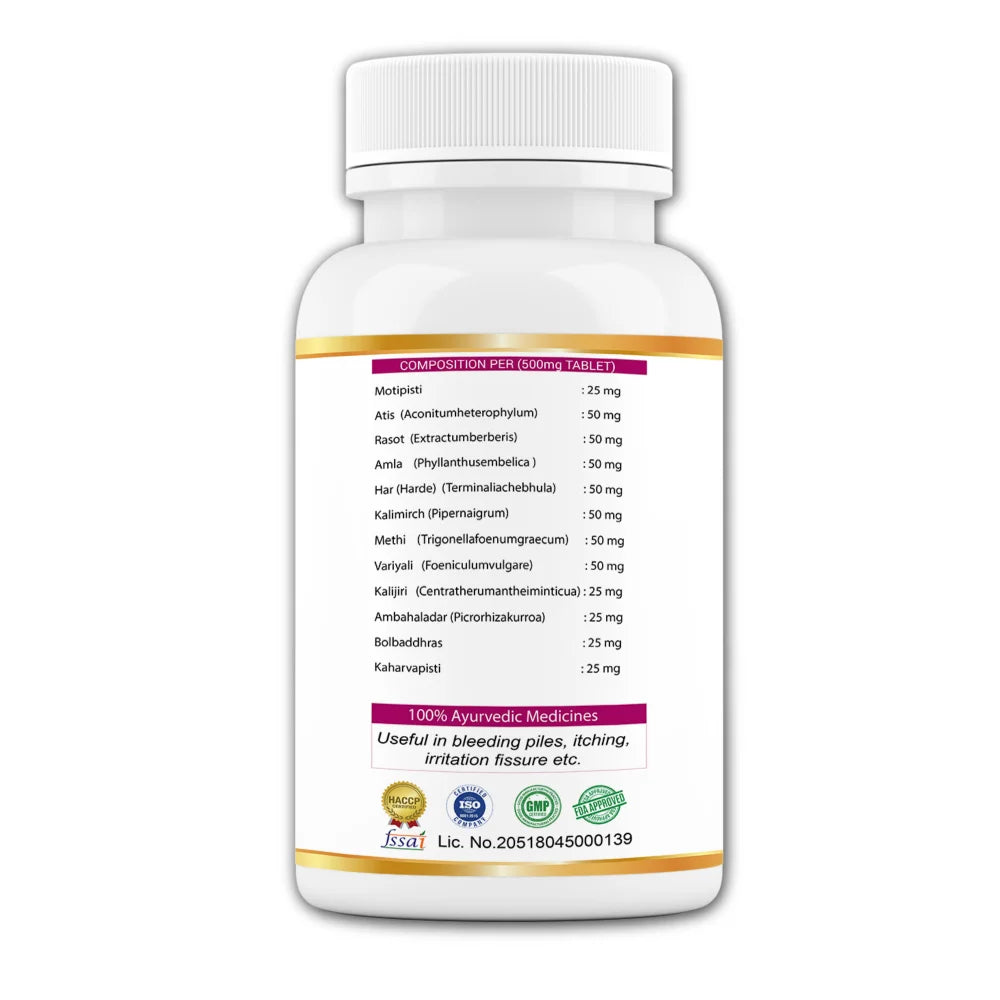
These herbs are widely used in ayurvedic piles tablet formulations because of their digestive and anti-inflammatory properties.
When Tablets Are More Useful
Piles ayurvedic tablet may be more suitable when:
- Constipation is frequent
- Internal piles are present
- Bleeding occurs during bowel movement
- Digestive issues are contributing to piles
Tablets mainly target the root cause of the condition.
Ayurvedic Cream for Piles
Ayurvedic cream for piles is used externally to provide relief from itching, burning, and irritation.
Benefits of Ayurvedic Cream
- Soothes irritated skin
- Provides cooling effect
- Helps reduce itching
- Improves comfort during sitting
- Supports skin healing
Common Ingredients in Ayurvedic Piles Cream
- Aloe Vera
- Neem Extract
- Coconut Oil
- Turmeric
These ingredients help make ayurvedic piles cream suitable for daily external care.
When Cream is More Useful
Creams are often preferred when:
- Burning sensation is severe
- Itching and irritation are common
- Mild external piles are present
- Daytime comfort is needed
Cream usually absorbs quickly and feels lighter on the skin.
Ayurvedic Ointment for Piles
Ayurvedic Ointment for piles is thicker than cream and provides long-lasting relief.
Benefits of Ayurvedic Ointment
- Helps reduce swelling
- Provides deeper moisturization
- Offers long-lasting soothing effect
- Helps calm irritated tissues
- Supports healing in severe discomfort
Many people consider Best Ayurvedic Ointment for piles helpful for nighttime application.
When Ointment is More Useful
Ointments may work better when:
- Pain and swelling are severe
- Skin dryness is present
- Long-lasting relief is needed
- External piles cause discomfort for long periods
Its thicker texture allows longer contact with affected skin.

Tablet vs Cream vs Ointment Which One is Better
There is no single answer because the effectiveness depends on the type and severity of piles.
Tablets
Best For
- Internal piles
- Constipation-related piles
- Digestive imbalance
Main Function
Works internally and targets root causes.
Cream
Best For
- Itching and irritation
- Mild external discomfort
- Quick daytime relief
Main Function
Provides external soothing effect.
Ointment
Best For
- Severe swelling and pain
- External piles
- Nighttime use
Main Function
Offers deep and long-lasting relief.
Which Combination Works Best
In many cases, a combination approach provides better results.
Internal Support
- Ayurvedic tablet for piles
External Support
- Ayurvedic cream for piles
- Ayurvedic ointment for piles
This combined method helps address both symptoms and root causes together.
Lifestyle Habits That Improve Ayurvedic Treatment
Even the Best Ayurvedic Medicine for Piles works better with healthy habits.
Increase Fiber Intake
Include fruits, vegetables, and whole grains in daily meals.
Drink More Water
Hydration keeps stool soft and reduces strain.
Exercise Regularly
Walking and yoga help improve digestion.
Avoid Long Sitting Hours
Long sitting increases pressure on rectal veins.
Maintain Proper Hygiene
Cleanliness helps reduce irritation and discomfort.
Foods Recommended During Piles Treatment
Foods to Include
- Papaya
- Banana
- Oats
- Green vegetables
- Buttermilk
- Brown rice
Foods to Avoid
- Spicy food
- Fried snacks
- Processed food
- Alcohol
- Excess caffeine
Proper diet supports the effectiveness of Piles Ayurvedic Medicine.

Natural Remedies That Support Recovery
Sitz Bath
Warm water bath helps reduce swelling and irritation.
Aloe Vera Gel
Provides cooling relief externally.
Triphala
Supports bowel movement naturally.
Light Exercise
Improves blood circulation and digestion.
Conclusion
Piles can become uncomfortable if ignored, but choosing the right treatment approach may help improve comfort and digestive health naturally. Ayurvedic tablet mainly supports internal healing, while ayurvedic cream and Ointment for piles provide soothing external relief.
There is no single “best” option for everyone. Tablets, creams, and ointments each play different roles depending on the symptoms and severity of the condition. In many cases, combining internal and external Ayurvedic care provides better and more balanced relief.
With proper lifestyle changes, healthy eating habits, and the right Ayurvedic Medicine for Piles, long-term support and natural relief are possible.
FAQs
Q1. Which is better for piles cream or ointment
Cream is lighter and better for quick daytime relief, while ointment provides deeper and longer-lasting relief for severe irritation.
Q2. Do Ayurvedic tablets help in internal piles
Yes, it helps to improve digestion and reduce constipation, which are common causes of internal piles.
Q3. Can cream and tablets be used together
Yes, many people combine tablets with cream or ointment for complete internal and external support.
Q4. What is the benefit of Ayurvedic ointment for piles
It helps soothe swelling, pain, irritation, and dryness around the affected area.
Q5. How long does Ayurvedic treatment take to show improvement
Results may vary, but many people notice gradual improvement within a few weeks with regular care and healthy habits.
Q6. Can piles be managed naturally without surgery
Mild and moderate piles may often be managed with Ayurvedic medicines, proper diet, and lifestyle changes.
Q7. Is Ayurveda safe for long-term piles management
Ayurvedic treatment is generally considered suitable for long-term digestive support when used properly.