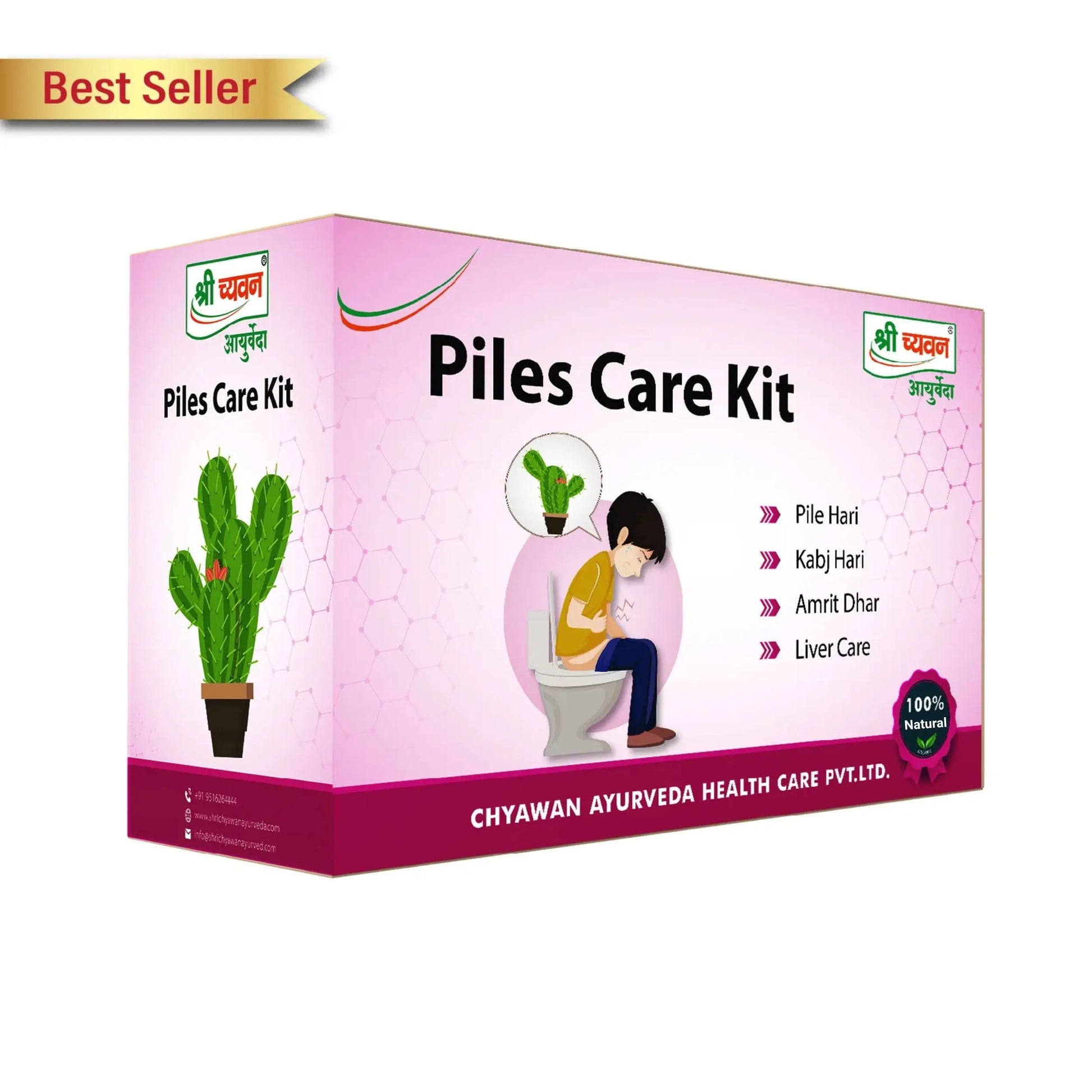

Piles, commonly known as hemorrhoids, can become an uncomfortable part of daily life. Pain while sitting, irritation during bowel movements, itching, swelling, and bleeding can make routine activities difficult. With increasing awareness of natural wellness, many people in India are exploring Ayurveda.
However, choosing a herbal or Ayurvedic product requires informed decision-making, especially when symptoms include pain or bleeding. Consumers should understand the difference between supportive care and medical treatment, check product information carefully, and avoid relying on exaggerated claims.
This article explains important points consumers should know before considering ayurvedic medicine, particularly when dealing with piles-related pain and bleeding.
What Are Piles?
Piles, or hemorrhoids, are swollen veins in the lower rectum or around the anus. They may be internal or external and can produce different symptoms depending on their location and severity.
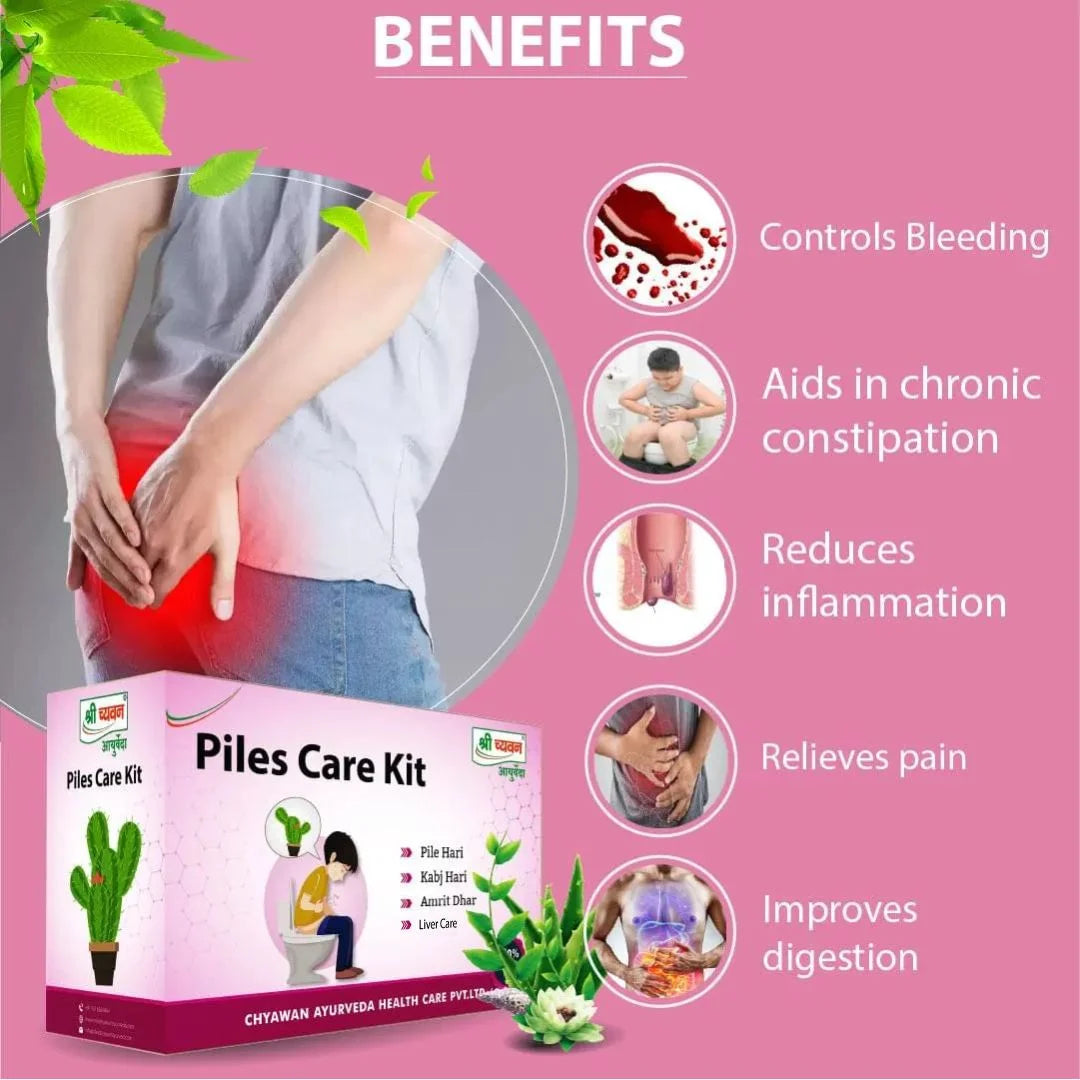
Common symptoms can include:
- Itching around the anus
- Irritation
- Discomfort while sitting
- Swelling or a lump
- Pain, particularly with external hemorrhoids
- Bright-red bleeding during bowel movements
Constipation, hard stools, repeated straining, prolonged sitting on the toilet, and low dietary fiber are among the factors associated with hemorrhoids.
Understanding the possible causes is important because simply choosing a product without addressing bowel habits may not provide a complete approach to piles care.
Ayurveda for Piles A Holistic Perspective
Traditional Ayurveda gives considerable importance to digestion, food habits, bowel regularity, and daily routine. Piles are traditionally discussed under the term "Arsha."
The Ayurvedic approach to wellness may therefore involve more than a particular formulation. It can include appropriate dietary choices, regular daily routines, physical activity, and traditional herbal preparations.
People considering Ayurveda for piles can therefore think about their overall digestive health instead of focusing exclusively on immediate symptom relief.
Ayurvedic Medicine for Piles What Consumers Should Check
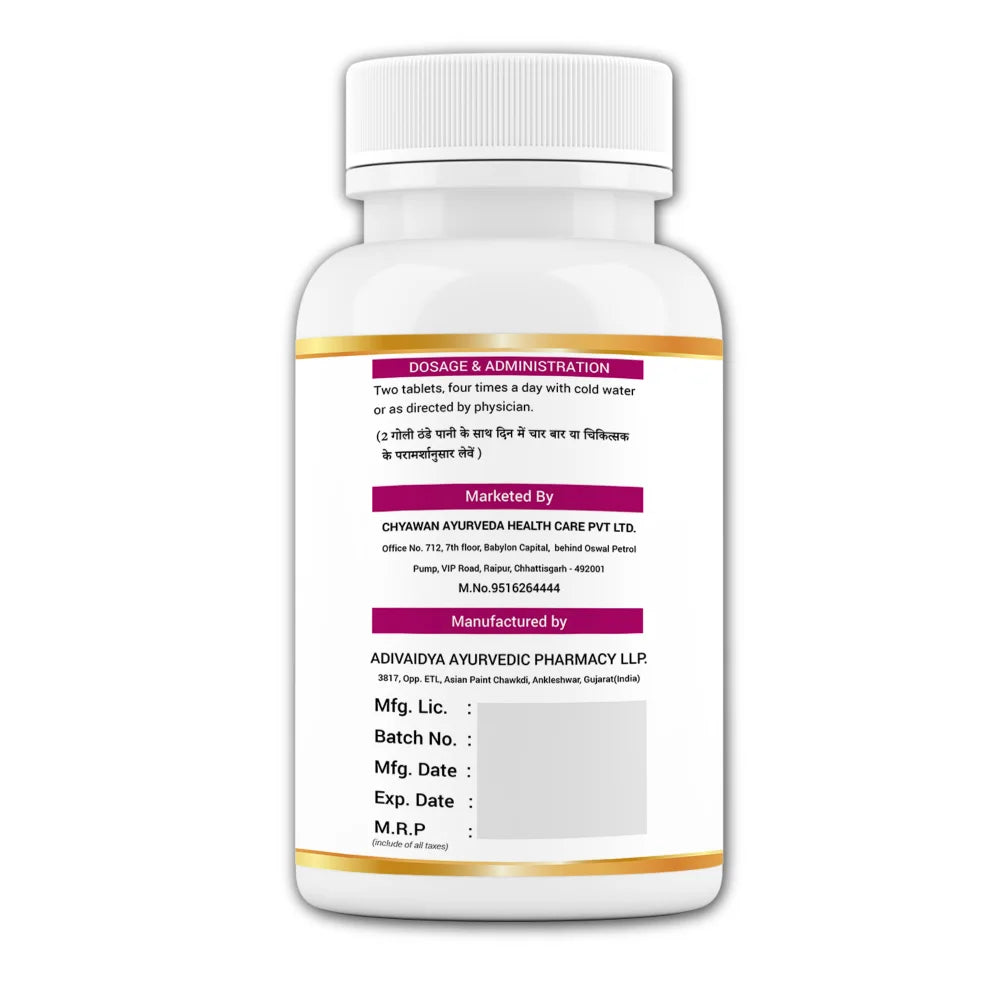
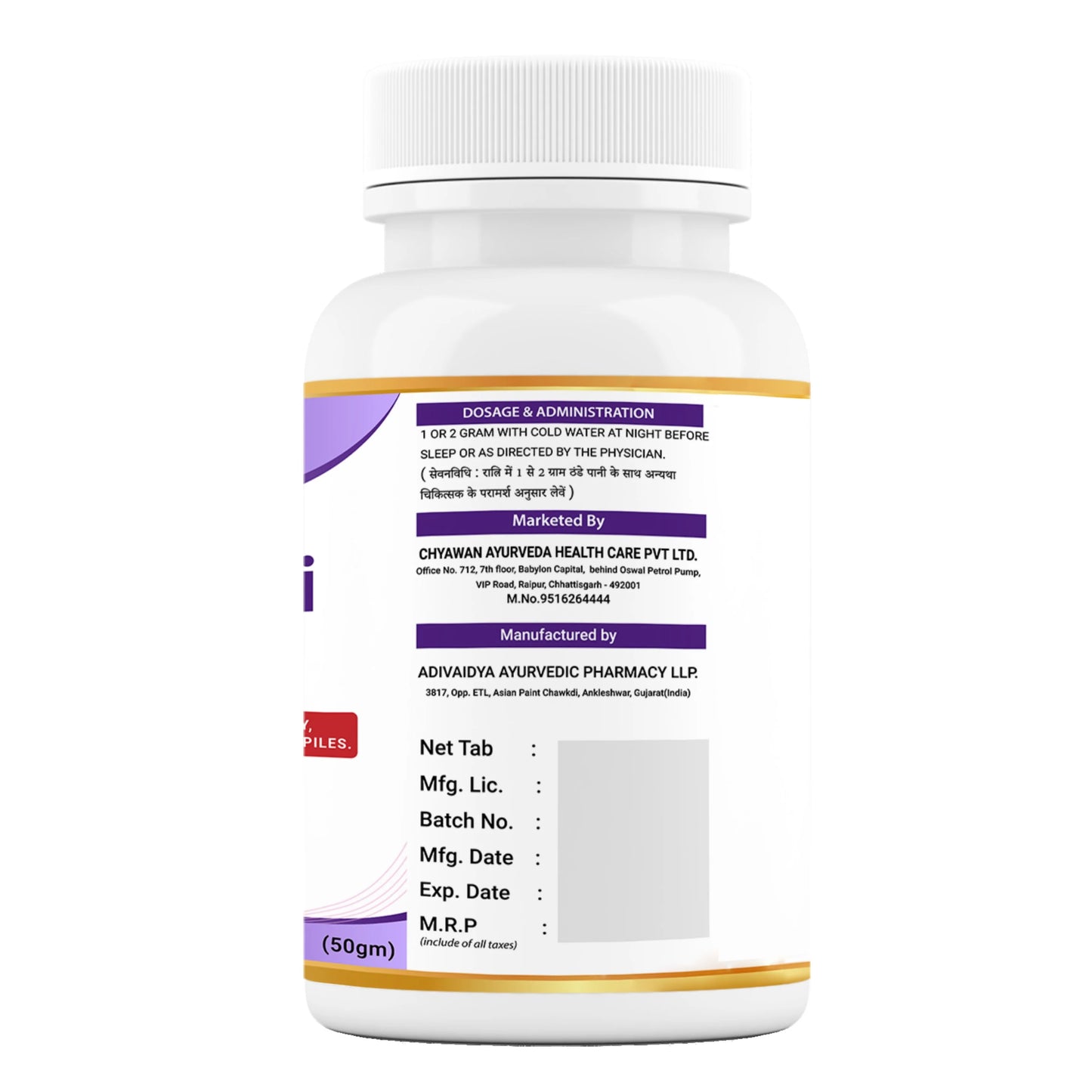
There are many herbal products available through online stores, pharmacies, and wellness retailers. Before purchasing piles ayurvedic medicine consumers should carefully review the product information.
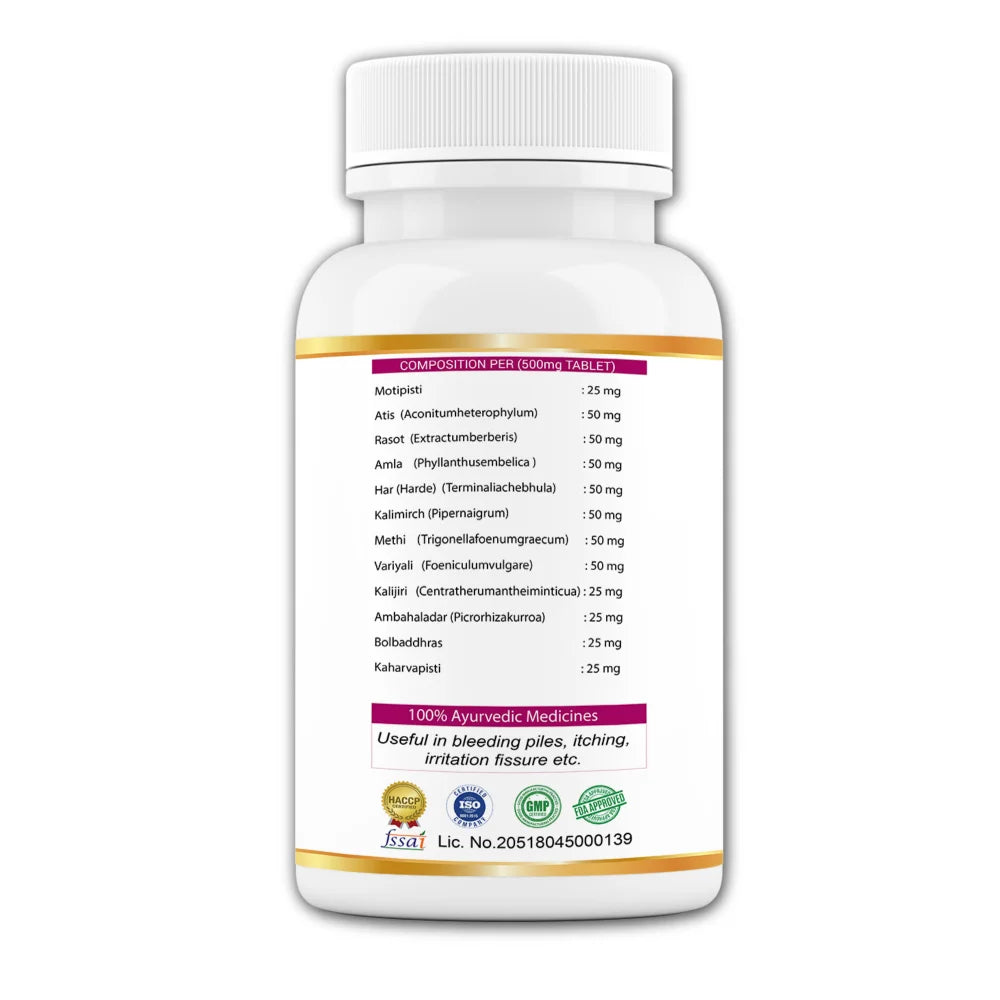
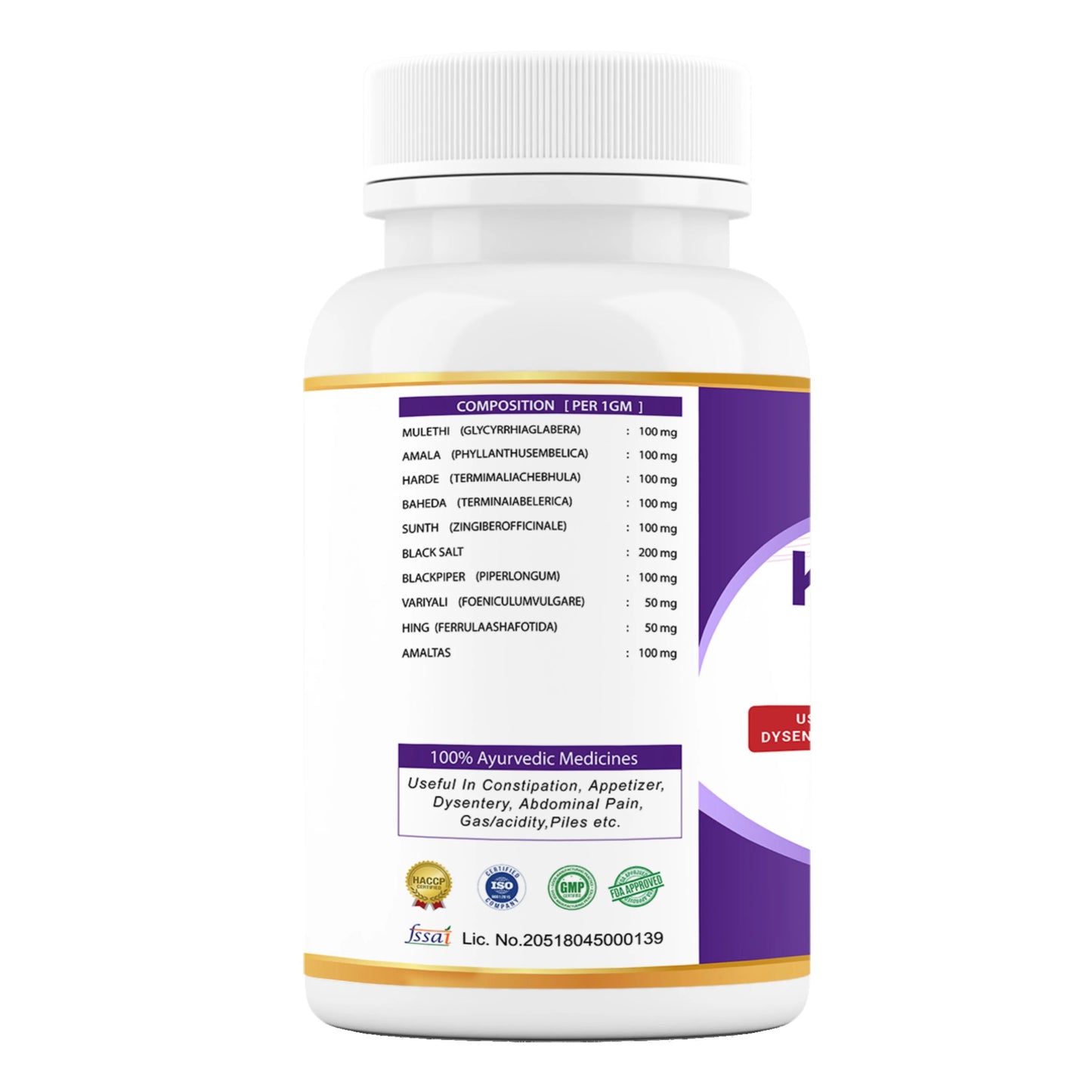
Check the Ingredient List
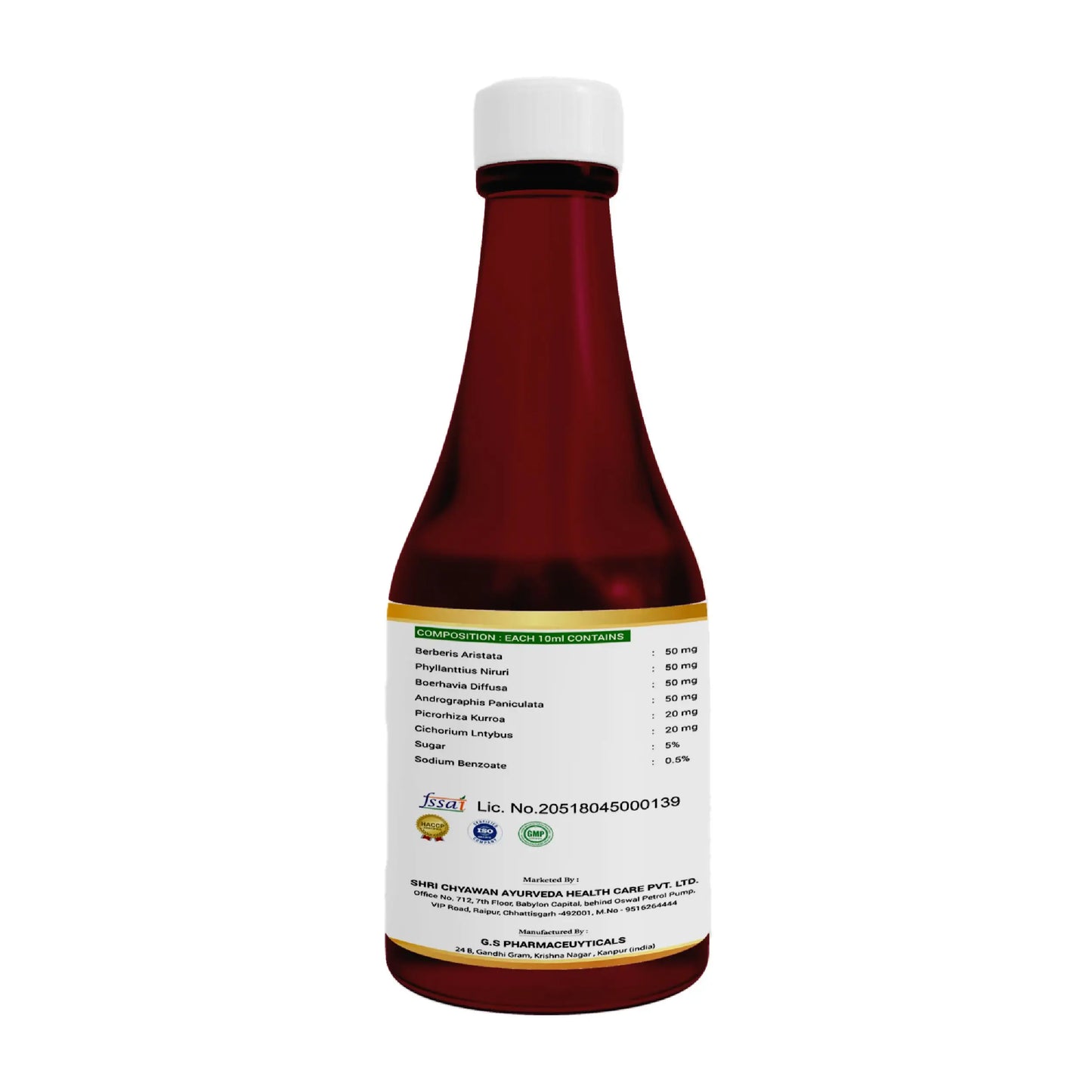
The ingredients should be clearly mentioned on the packaging. Understanding what a product contains allows consumers to make a more informed choice.
If you have known allergies or sensitivities, review the formulation carefully.
Verify Manufacturer Details
Look for clear information about the manufacturer and product origin.
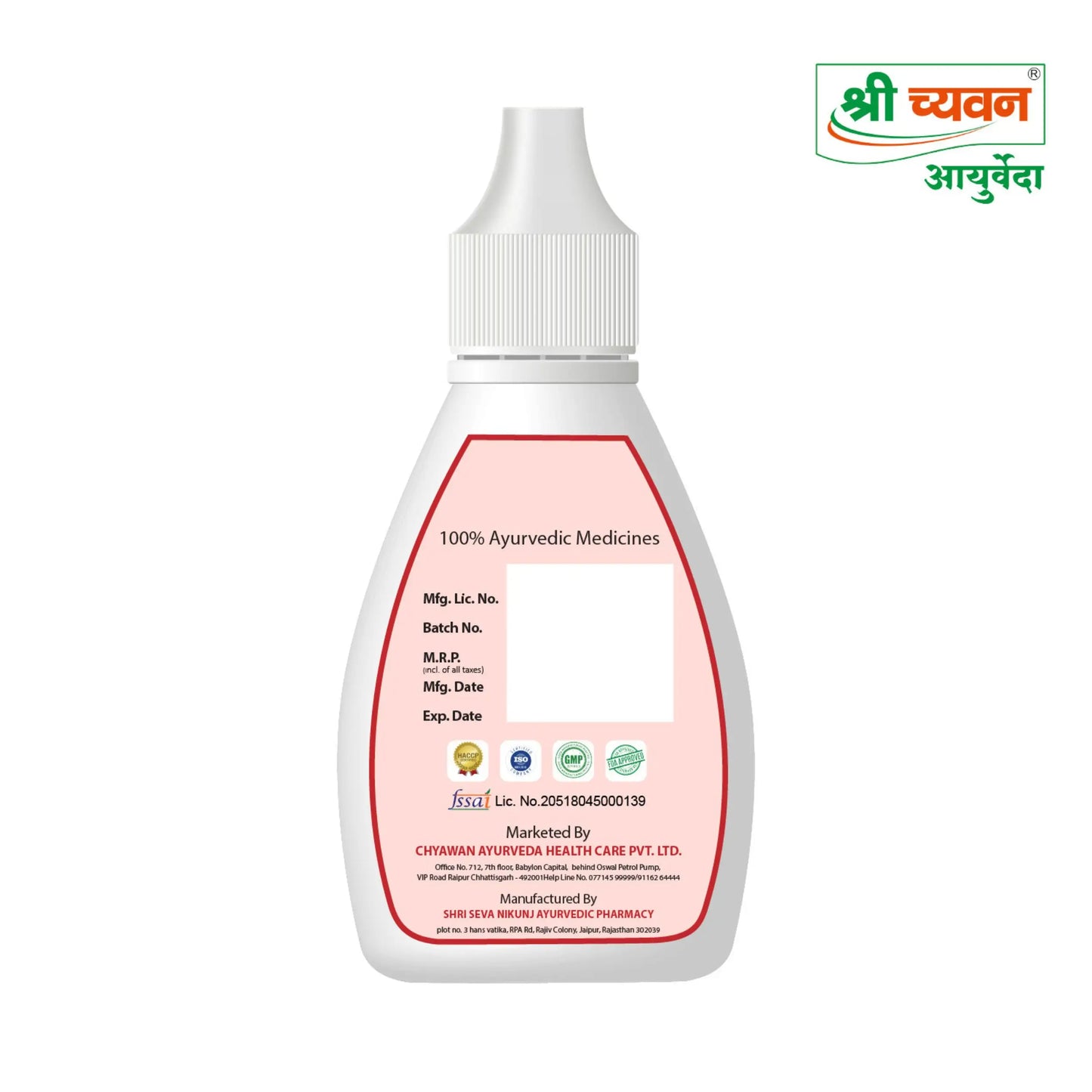
A transparent product should provide relevant information such as:
- Manufacturer name
- Batch number
- Manufacturing date
- Expiry date
- Ingredient information
- Usage instructions
- Storage conditions
Follow Recommended Usage
Never assume that taking more of a herbal product will provide better results. Use the product according to its label instructions or guidance from a qualified healthcare professional.
Why Pain and Bleeding Need Different Attention
Piles symptoms can vary considerably. Mild irritation and occasional discomfort are different from severe pain or repeated bleeding.
This is why consumers searching for Ayurvedic medicine for piles pain should first understand the nature of their symptoms.
Pain may be associated with external hemorrhoids, thrombosed hemorrhoids, or other anorectal conditions. Persistent or severe pain deserves professional evaluation rather than prolonged self-treatment.
Similarly, rectal bleeding should not automatically be assumed to be caused by piles.
Ayurvedic Medicine for Piles Pain Responsible Use
People looking for Ayurvedic medicine for piles pain may want to incorporate traditional herbal products into their wellness routine.
Before doing so, consider:
- How long the pain has been present
- Whether the pain is increasing
- Whether swelling is present
- Whether bleeding is occurring
- Whether bowel movements are difficult
- Whether you have previously been diagnosed with hemorrhoids
If the symptoms are new, severe, or worsening, professional medical advice is more important than simply selecting a product online.

Ayurvedic Medicine for Bleeding Piles Requires Caution
Ayurvedic medicine for bleeding piles is a commonly searched term, but consumers should be particularly careful when blood is involved.
Rectal bleeding can occur with hemorrhoids, but it may also have other causes. Therefore, people experiencing unexplained, persistent, recurrent, or significant bleeding should consult a healthcare professional.
Do not postpone evaluation simply because a product is described as herbal or natural.
Seek prompt medical attention if bleeding is heavy or accompanied by:
- Dizziness
- Weakness
- Severe pain
- Fever
- Abdominal symptoms
- Increasing swelling
- Other unusual symptoms
Getting the cause identified is an important part of responsible healthcare.
What Makes a Better Ayurvedic Piles Product?
There is no single Best ayurvedic medicine for piles that can be considered suitable for every person. Product selection should depend on formulation, quality, individual requirements, and professional advice where necessary.
Consumers can use a simple checklist:
1. Transparent formulation: Ingredients should be clearly disclosed.
2. Reliable manufacturer: Choose a manufacturer that provides complete product information.
3. Proper packaging: Check that the product is sealed and undamaged.
4. Valid expiry date: Never use an expired product.
5. Clear directions: Usage instructions should be easy to understand.
6. Appropriate product type: Choose the formulation that suits your needs and follow the recommended usage.
Don't Judge a Product Only by the Word "Natural"
"Natural" does not automatically mean suitable for everyone. Herbal ingredients can have biological effects and may not be appropriate for people with certain health conditions or for those taking particular medicines.
Before adding a new Ayurvedic product to your routine, discuss it with a qualified healthcare professional if you:
- Take regular prescription medicines
- Have an existing health condition
- Are pregnant or breastfeeding
- Have allergies or known sensitivities
- Are considering using multiple products together
This is particularly important when symptoms are significant.
Diet and Piles Care
Healthy bowel habits are an important part of managing hemorrhoid-related discomfort.
A balanced diet can include a variety of fiber-rich foods such as:
- Fruits
- Green vegetables
- Whole grains
- Oats
- Brown rice
- Lentils
- Beans
- Seeds
Dietary fiber can help support softer and more regular stools. If your existing diet is low in fiber, increase it gradually.

Stay Hydrated
Adequate fluid intake complements a fiber-rich diet and supports normal digestive function.
Instead of drinking very little throughout the day and then consuming a large amount at once, develop a regular hydration routine.
Individual fluid requirements vary, so people with conditions requiring fluid restrictions should follow their healthcare professional's advice.
Physical Activity and Everyday Wellness
Long hours of sitting are common among office employees, drivers, students, and people working from home.
A more active daily routine may include:
- Walking
- Stretching
- Suitable yoga
- Regular breaks from sitting
- Light recreational activities
The objective is to remain consistently active rather than depending on occasional intense exercise.
Conclusion
Ayurveda is widely sought by people looking for traditional and natural approaches to piles care. However, consumers should make informed decisions rather than selecting products based solely on promotional claims.
Whether you are searching for Ayurvedic medicine for piles, examine the ingredients, manufacturer information, usage directions, packaging, and suitability of the product.