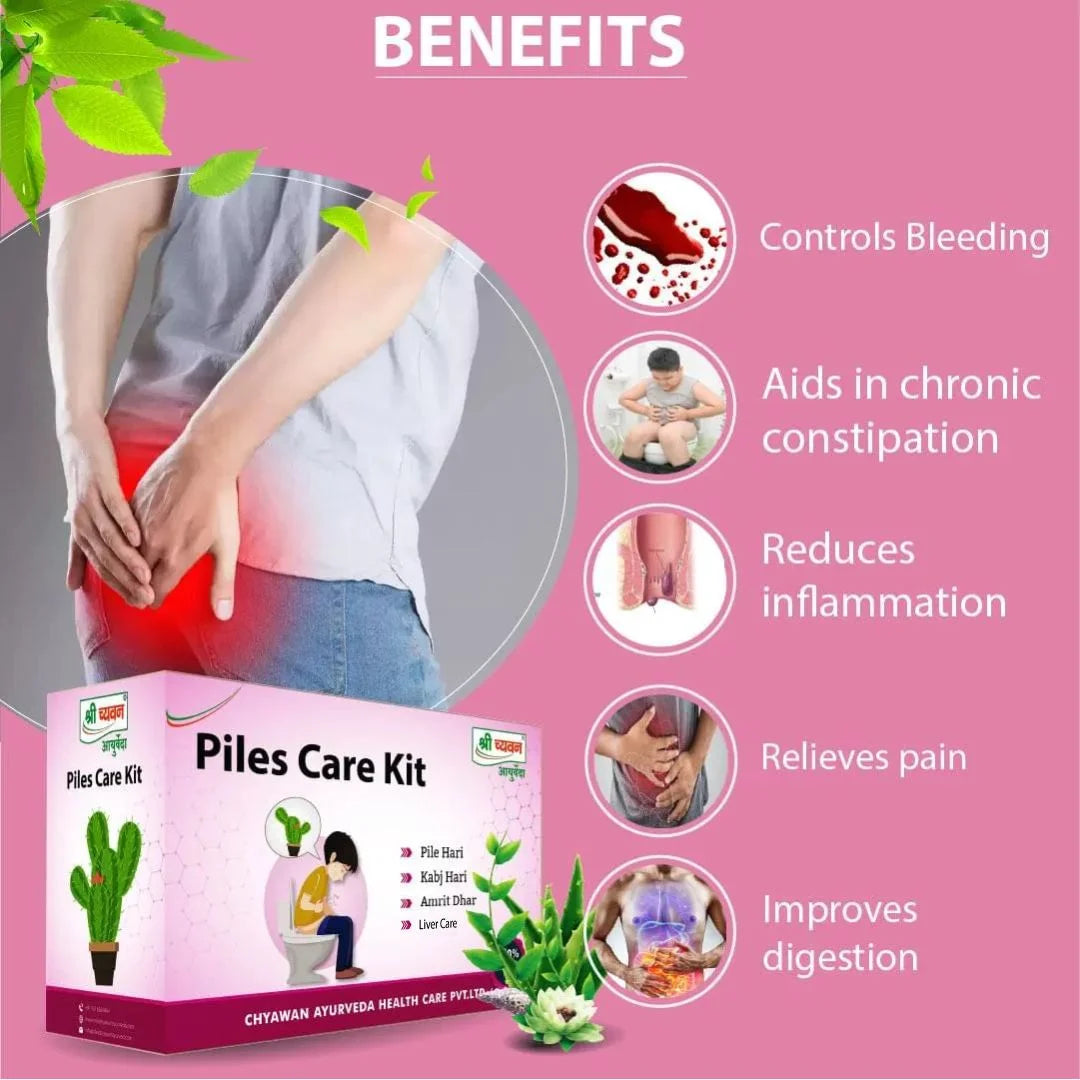

Piles, also known as hemorrhoids, are a common condition that can cause discomfort around the anal area. Symptoms may include itching, irritation, swelling, pain, and bleeding during or after bowel movements. Constipation, hard stools, prolonged sitting, insufficient dietary fiber, and excessive straining while passing stool can contribute to piles-related discomfort.
Many people looking for natural wellness options explore Ayurveda for piles. Ayurveda traditionally takes a broader approach to digestive wellness, giving importance to diet, bowel habits, daily routine, and overall health.
However, using an Ayurvedic product should not mean ignoring the underlying lifestyle factors that can contribute to bowel problems. Combining appropriate care with healthier daily habits can be a more practical approach to supporting digestive and bowel health.
Understanding the Connection Between Piles and Bowel Health
Healthy bowel habits are important for people experiencing piles. When stools become hard or difficult to pass, a person may strain during bowel movements. Repeated straining can increase pressure around the rectal area and may worsen existing discomfort.
Several everyday factors can influence bowel regularity, including:
- Low-fiber meals
- Inadequate fluid intake
- Lack of physical activity
- Frequently delaying bowel movements
- Sitting on the toilet for long periods
- Sudden changes in eating habits
- Sedentary work routines
Therefore, piles care should include attention to bowel habits rather than focusing exclusively on medication.
Ayurveda for Piles and Digestive Wellness
The traditional Ayurvedic approach considers digestion an important part of overall wellness. From this perspective, maintaining appropriate food habits and a consistent daily routine can support normal digestive function.
People exploring Piles ayurvedic medicine may therefore also benefit from understanding the lifestyle practices that accompany traditional approaches.
A practical routine can include:
- Eating balanced meals
- Including naturally fiber-rich foods
- Drinking sufficient fluids
- Staying physically active
- Maintaining regular meal timings
- Avoiding unnecessary straining during bowel movements
- Getting adequate sleep
These habits can complement an overall wellness routine.
Ayurvedic Medicine for Piles Should Be Chosen Carefully
The growing popularity of herbal products means consumers have many options available online and in stores. However, not every product is appropriate for every individual.
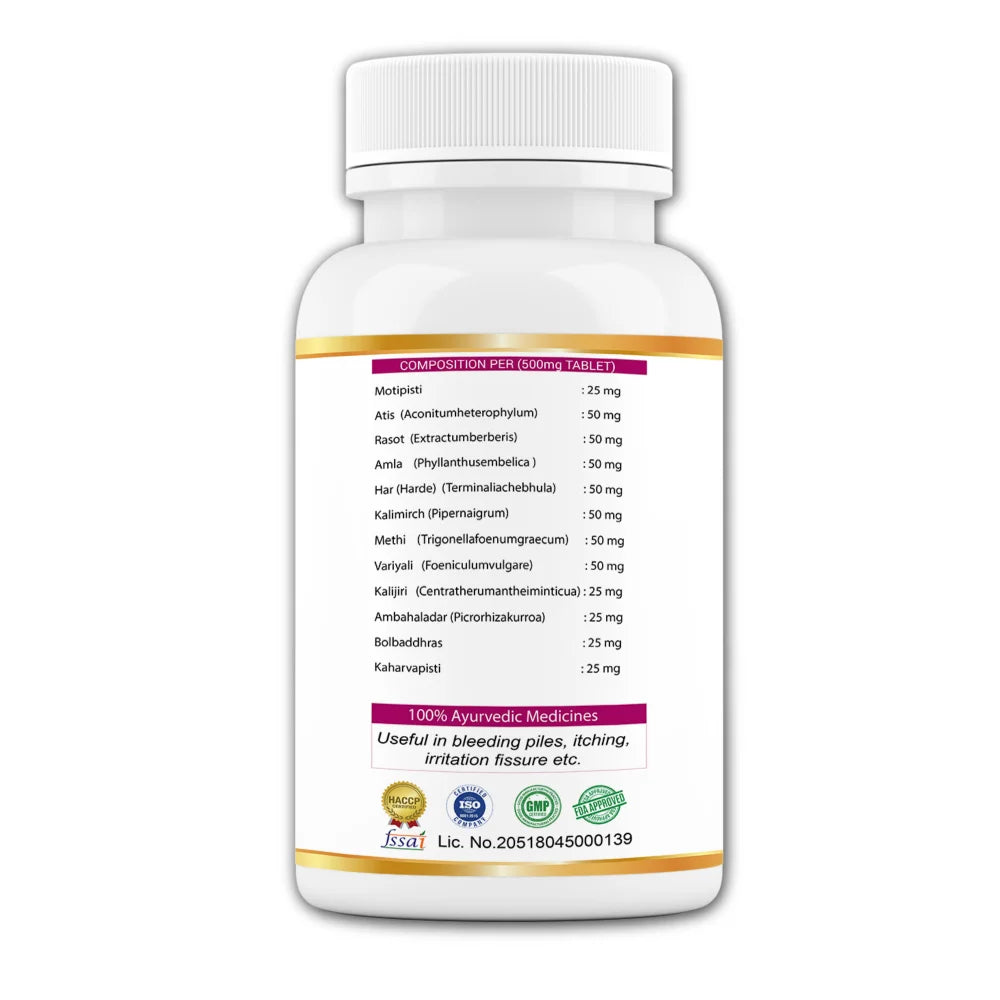
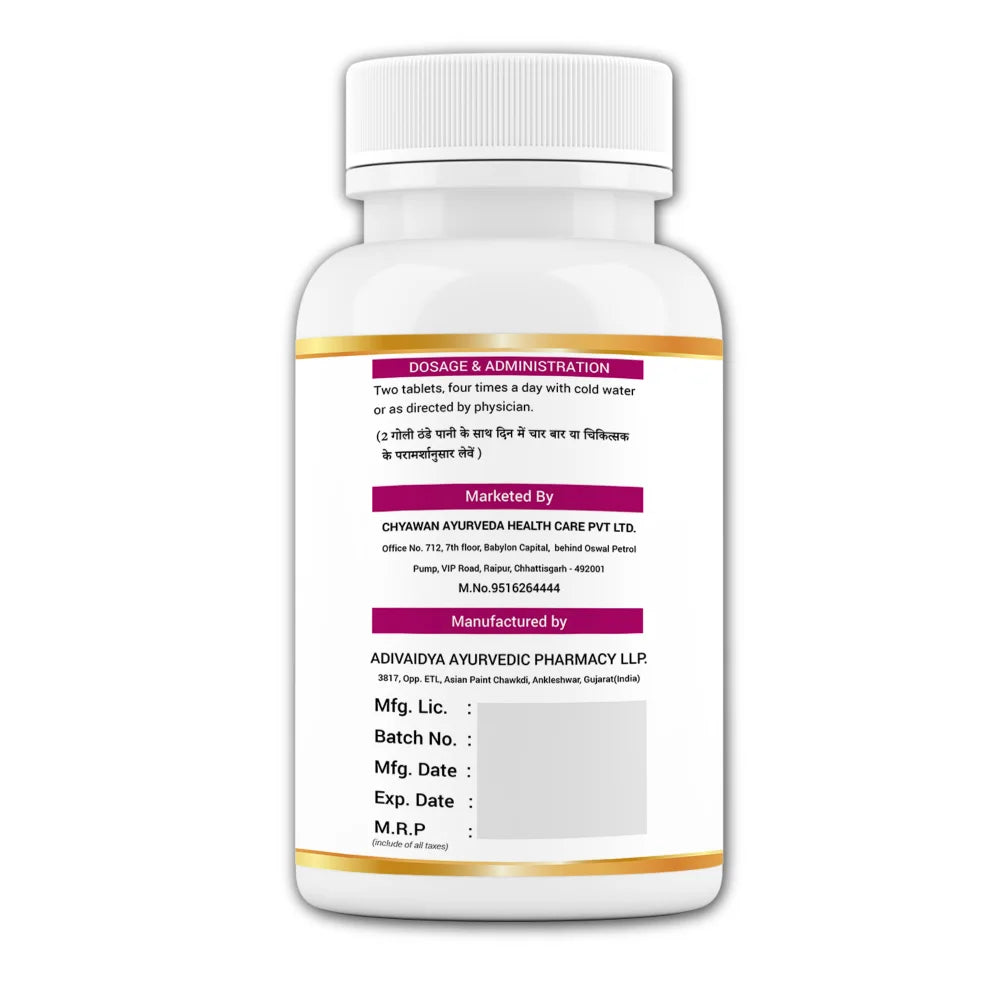
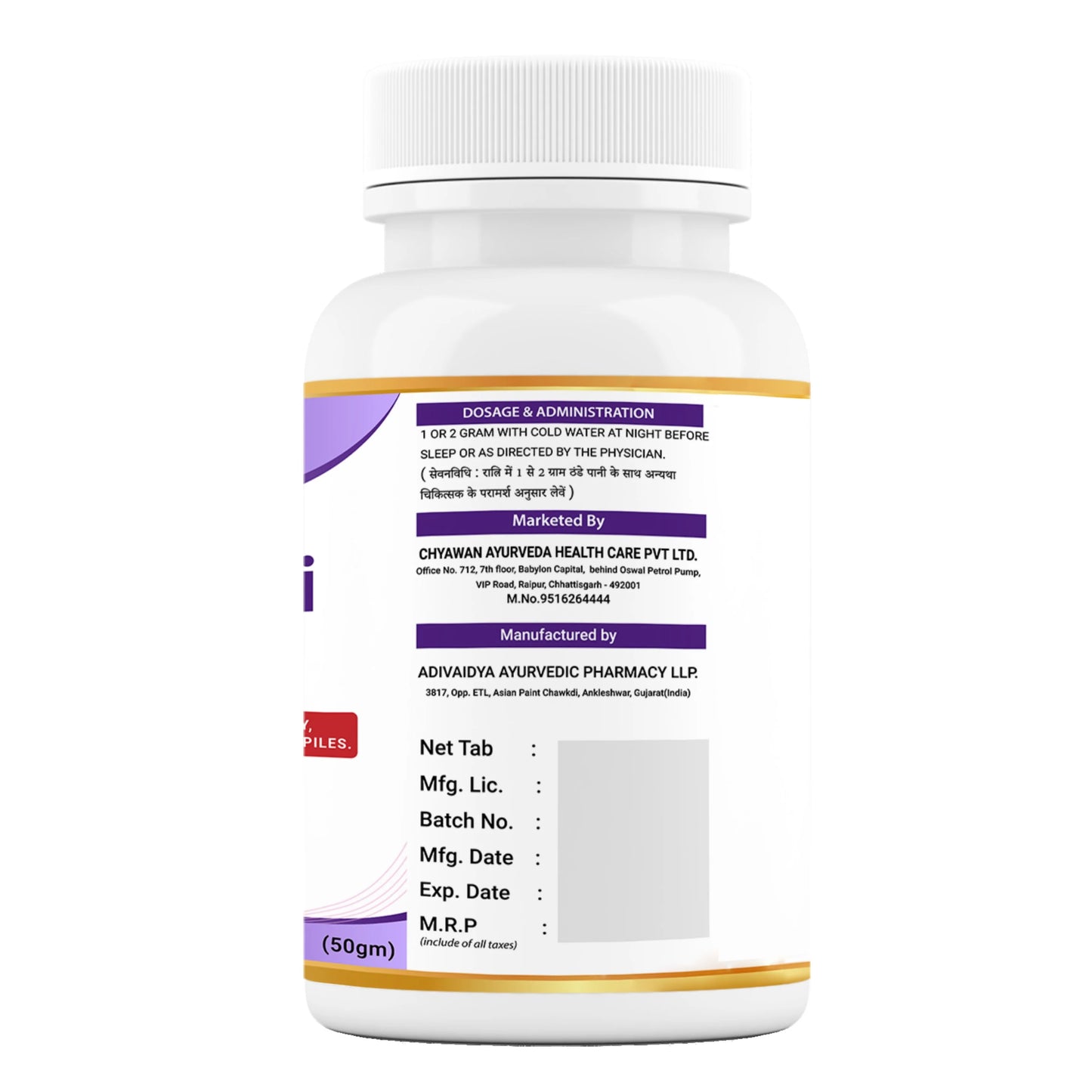
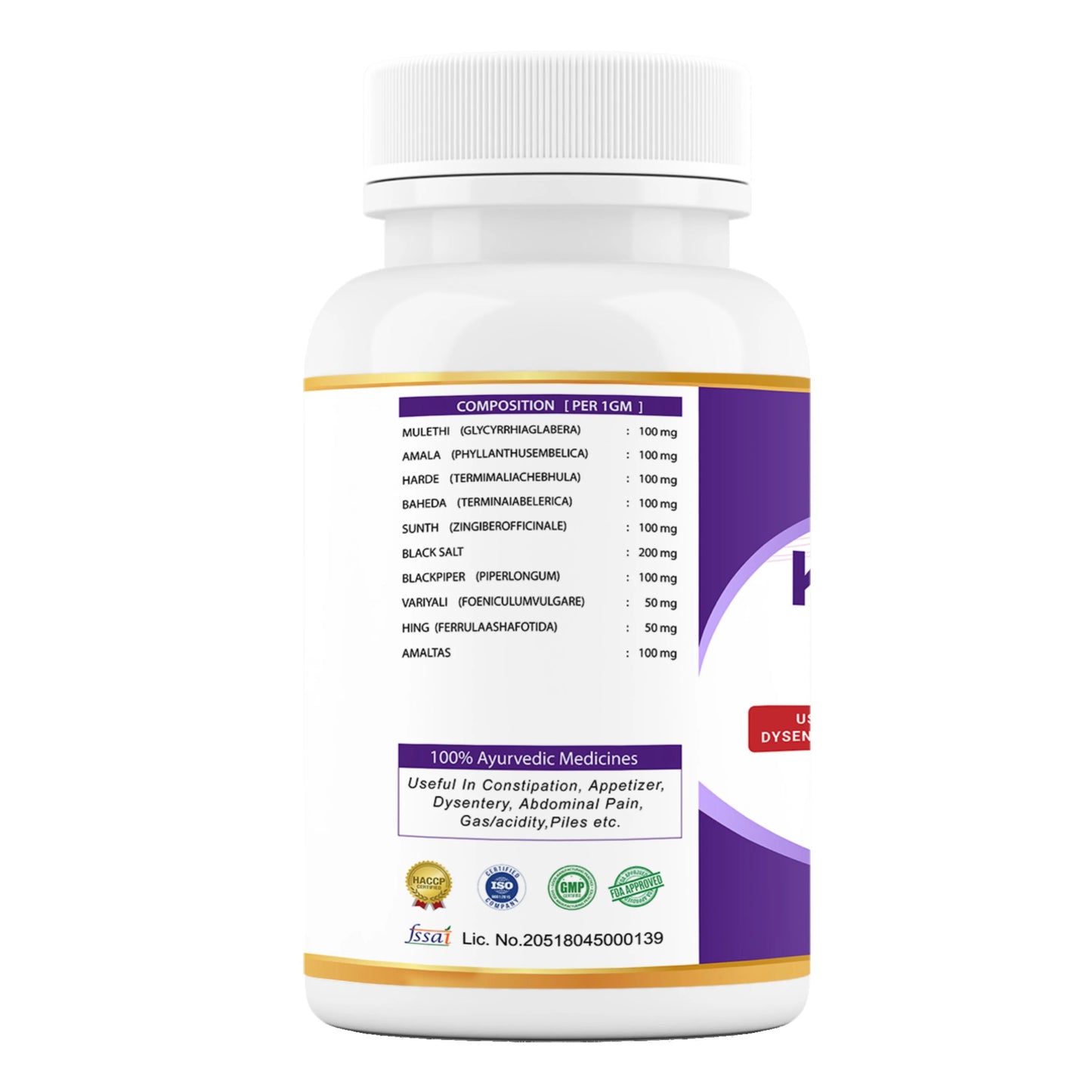
When considering best ayurvedic medicine for piles, look carefully at the product label and manufacturer information.
Check for:
- Complete ingredient information
- Manufacturer details
- Batch number
- Manufacturing date
- Expiry date
- Recommended usage
- Storage instructions
- Relevant warnings or precautions
Avoid choosing a product simply because it is promoted as "natural," "instant," or "permanent." Individual responses to products can vary.
Increase Dietary Fiber Gradually
One of the simplest ways to support bowel health is to include adequate fiber in your diet.
Fiber is found naturally in many foods, including:
Fruits
Papaya, guava, pears, apples, oranges, and berries can be included as part of a balanced diet.
Vegetables
Green leafy vegetables, carrots, pumpkin, beans, peas, and other seasonal vegetables can contribute fiber.
Whole Grains
Oats, whole wheat, brown rice, barley, and millets can provide dietary fiber.
Pulses
Lentils, chickpeas, kidney beans, and other legumes are useful sources of fiber and plant-based nutrients.
If your current diet contains very little fiber, increase it gradually rather than making a sudden major change.
Drink Enough Fluids
Adequate fluid intake is another important part of maintaining comfortable bowel habits.
When increasing fiber intake, sufficient fluids become particularly important. Water can be consumed regularly throughout the day according to individual needs.
Instead of waiting until you feel very thirsty, develop a habit of drinking water at regular intervals.
People with specific medical conditions that require fluid restriction should follow their healthcare professional's recommendations.
Do Not Ignore the Urge to Pass Stool
Regularly delaying bowel movements can interfere with normal toilet habits. Whenever possible, respond to the body's natural urge rather than repeatedly postponing it.
Creating a consistent bathroom routine can make bowel habits more predictable.
At the same time, avoid spending excessive time sitting on the toilet, particularly when there is no bowel movement.

Avoid Excessive Straining
Straining is one of the habits worth addressing when dealing with piles.
If stools are difficult to pass, consider whether your diet, fluid intake, physical activity, or bowel routine needs improvement. Avoid repeatedly forcing a bowel movement.
If constipation continues despite lifestyle changes, speak with a healthcare professional to identify the cause and appropriate management.
Staying Active Can Support Bowel Regularity
Modern lifestyles often involve long hours of sitting, especially for office workers and people who work from home.
Regular movement can be incorporated without requiring an intense exercise routine.
Simple options include:
- Walking after meals
- Taking short movement breaks during work
- Using stairs when appropriate
- Gentle stretching
- Practising suitable yoga exercises
- Going for a daily walk
Aim for consistency rather than occasional intense activity.
Ayurvedic Medicine for Piles Pain and Lifestyle Support
People searching for Ayurvedic medicine for piles pain may be looking for ways to manage discomfort while continuing their daily activities.
Alongside appropriate medical or Ayurvedic care, maintaining healthy bowel habits can be important. Avoiding constipation, reducing unnecessary straining, maintaining adequate hydration, and staying active may help create a more comfortable routine.
However, severe, persistent, or worsening pain should not be managed solely through self-care. Professional evaluation may be necessary.
Ayurvedic Medicine for Piles Bleeding Requires Attention
Bleeding is an important symptom that should not automatically be attributed to piles.
Ayurvedic medicine for bleeding piles are commonly searched terms, but rectal bleeding can have several possible causes. A healthcare professional can determine whether hemorrhoids are responsible and whether further evaluation is required.
Seek medical attention if bleeding is:
- Recurrent
- Heavy
- Associated with severe pain
- Accompanied by weakness or dizziness
- Associated with fever
- Increasing over time
Do not delay professional evaluation because a product is described as herbal or natural.

Limit Habits That May Affect Digestive Comfort
Some everyday dietary habits may make digestive discomfort more noticeable in certain individuals. Pay attention to your body's response to very spicy, heavily processed, or excessively oily foods.
Instead, aim for balanced meals containing vegetables, fruits, whole grains, pulses, and suitable sources of protein.
Rather than following a highly restrictive diet, focus on sustainable eating habits that you can maintain over the long term.
Conclusion
Ayurveda for piles focuses on more than simply finding an ayurvedic medicine for piles. Digestive wellness, diet, hydration, bowel habits, physical activity, and daily routine can all play an important role in maintaining comfort.
People searching for Piles ayurvedic medicine should consider product quality and individual suitability rather than relying only on promotional claims.
A fiber-rich diet, adequate fluids, regular movement, avoiding excessive straining, and maintaining healthy toilet habits can provide a practical foundation for bowel wellness. At the same time, persistent bleeding or severe symptoms should be professionally evaluated.
The goal should not simply be to find a quick solution but to develop sustainable habits that support digestive health and everyday comfort.