
Maintaining a healthy weight has become one of the biggest health priorities for people across India. Sedentary lifestyles, unhealthy eating habits, stress, lack of physical activity, and irregular sleep patterns often contribute to gradual weight gain. While many individuals turn to crash diets or chemical-based supplements for quick results, these methods may not always provide sustainable outcomes.
Ayurveda for weight loss offers a holistic approach that focuses on improving digestion, supporting metabolism, and maintaining overall wellness rather than promising overnight results. By addressing the underlying causes of weight gain, Ayurveda aims to help individuals achieve long-term health goals through natural methods.
This guide explains how ayurvedic medicine works, the difference between weight management for men and women, commonly used Ayurvedic herbs, and healthy lifestyle practices that complement Ayurvedic care.
Understanding Weight Gain Through the Ayurvedic Perspective
According to Ayurveda, excess body weight is associated with an imbalance of Kapha Dosha and weakened digestive fire, known as Agni. When digestion becomes sluggish, food is not processed efficiently, which may contribute to the accumulation of toxins (Ama) and excess fat.
Several lifestyle factors can contribute to this imbalance, including:
- Overeating and frequent snacking
- High intake of processed and sugary foods
- Lack of regular physical activity
- Chronic stress
- Inadequate sleep
- Hormonal changes
- Irregular meal timings
Ayurveda focuses on restoring balance through diet, daily routines, herbal support, and lifestyle improvements.
How Ayurvedic Medicine for Weight Loss Works
Unlike products that claim instant fat loss, Ayurvedic medicine for weight loss is designed to support the body's natural processes.
Traditional Ayurvedic formulations are commonly used to:
- Support healthy digestion
- Promote balanced metabolism
- Help maintain healthy body weight
- Encourage efficient nutrient utilisation
- Support overall digestive wellness
- Complement a balanced diet and regular exercise
Consistent lifestyle changes remain essential for achieving and maintaining healthy body weight.
Ayurvedic Medicine for Weight Loss for Female
Women often experience weight fluctuations due to hormonal changes, pregnancy, menopause, thyroid disorders, or conditions such as PCOS. These factors can make weight management more challenging.
Ayurvedic medicine for weight loss for female is generally selected based on an individual's body constitution (Prakriti), lifestyle, and health needs. Along with herbal support, Ayurveda encourages:
- Eating freshly prepared, balanced meals
- Maintaining regular meal timings
- Practising yoga and light exercise
- Managing stress through meditation and breathing exercises
- Getting sufficient sleep
A personalised approach is recommended because weight management needs vary from person to person.
Ayurvedic Medicine for Weight Loss for Male
Men often aim to reduce abdominal fat while maintaining strength and stamina. Office-based work, poor eating habits, alcohol consumption, and reduced physical activity can contribute to excess body fat.
Ayurvedic medicine for weight loss for male is commonly combined with:
- Regular strength training
- Cardiovascular exercise
- Balanced nutrition
- Adequate hydration
- Proper sleep
Ayurveda promotes gradual and sustainable weight management instead of rapid weight loss.

Ayurvedic Medicine for Fat Loss
Many people search specifically for Ayurvedic medicine for fat loss to reduce stubborn belly fat and overall body fat. Ayurveda does not focus on spot reduction but instead supports healthy metabolism throughout the body.
Traditional Ayurvedic formulations are intended to:
- Support digestive health
- Encourage healthy metabolic function
- Help maintain normal fat metabolism
- Promote overall wellness
Long-term success depends on consistency in healthy eating and physical activity.
Common Herbs Used in Ayurvedic Weight Management
Several herbs have traditionally been used in Ayurveda to support healthy weight management.
Guggul
Guggul is one of the most widely used Ayurvedic herbs for supporting healthy lipid metabolism and overall metabolic function.
Triphala
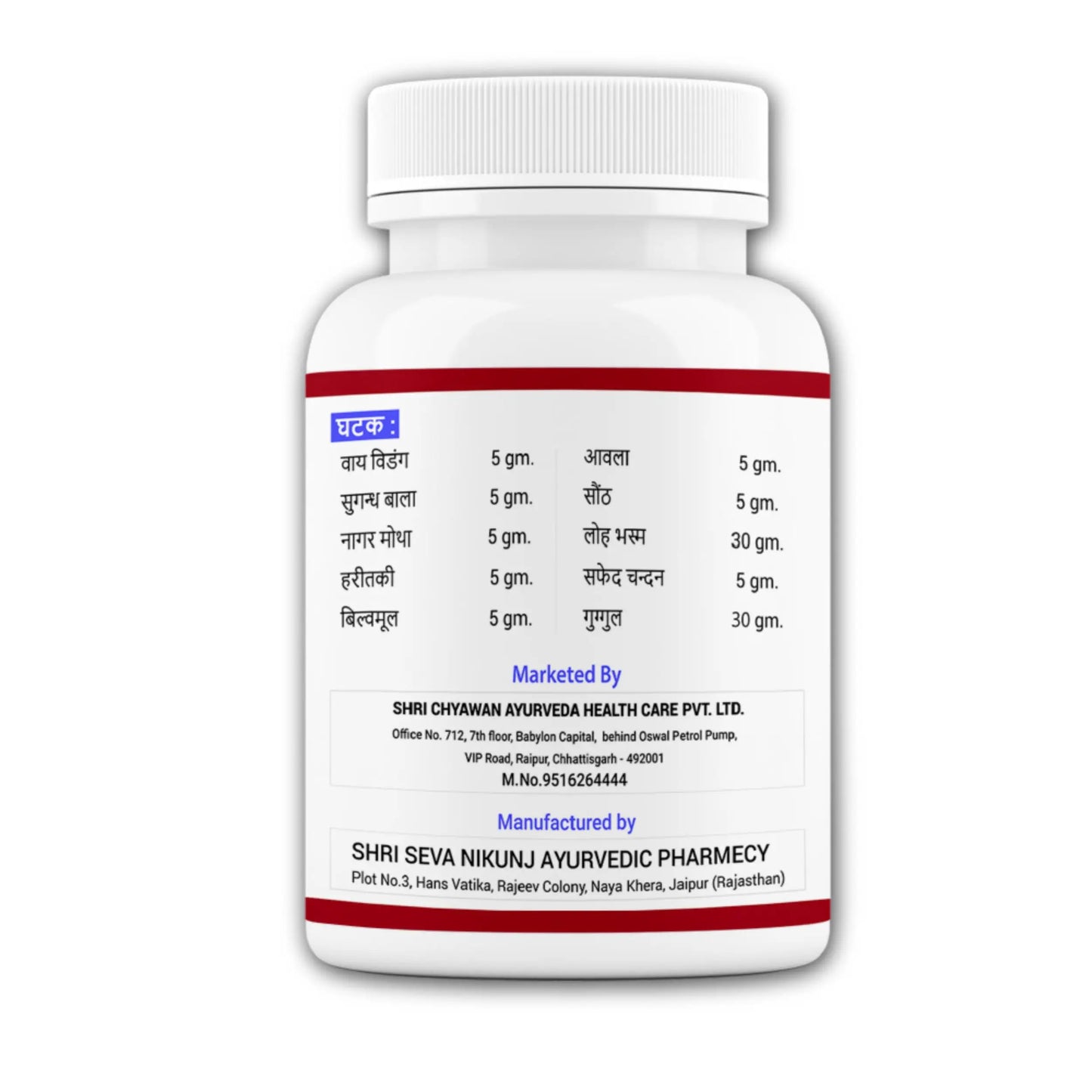
A combination of Amla, Haritaki, and Bibhitaki, Triphala is traditionally valued for supporting digestion, gut health, and regular bowel movements.
Trikatu
Trikatu contains ginger, black pepper, and long pepper. It is commonly used to support digestive fire (Agni) and healthy digestion.
Punarnava
Punarnava is traditionally used to support healthy fluid balance and natural detoxification.
Garcinia Cambogia
Many Ayurvedic-inspired weight management formulations include Garcinia Cambogia as part of a balanced weight management programme.
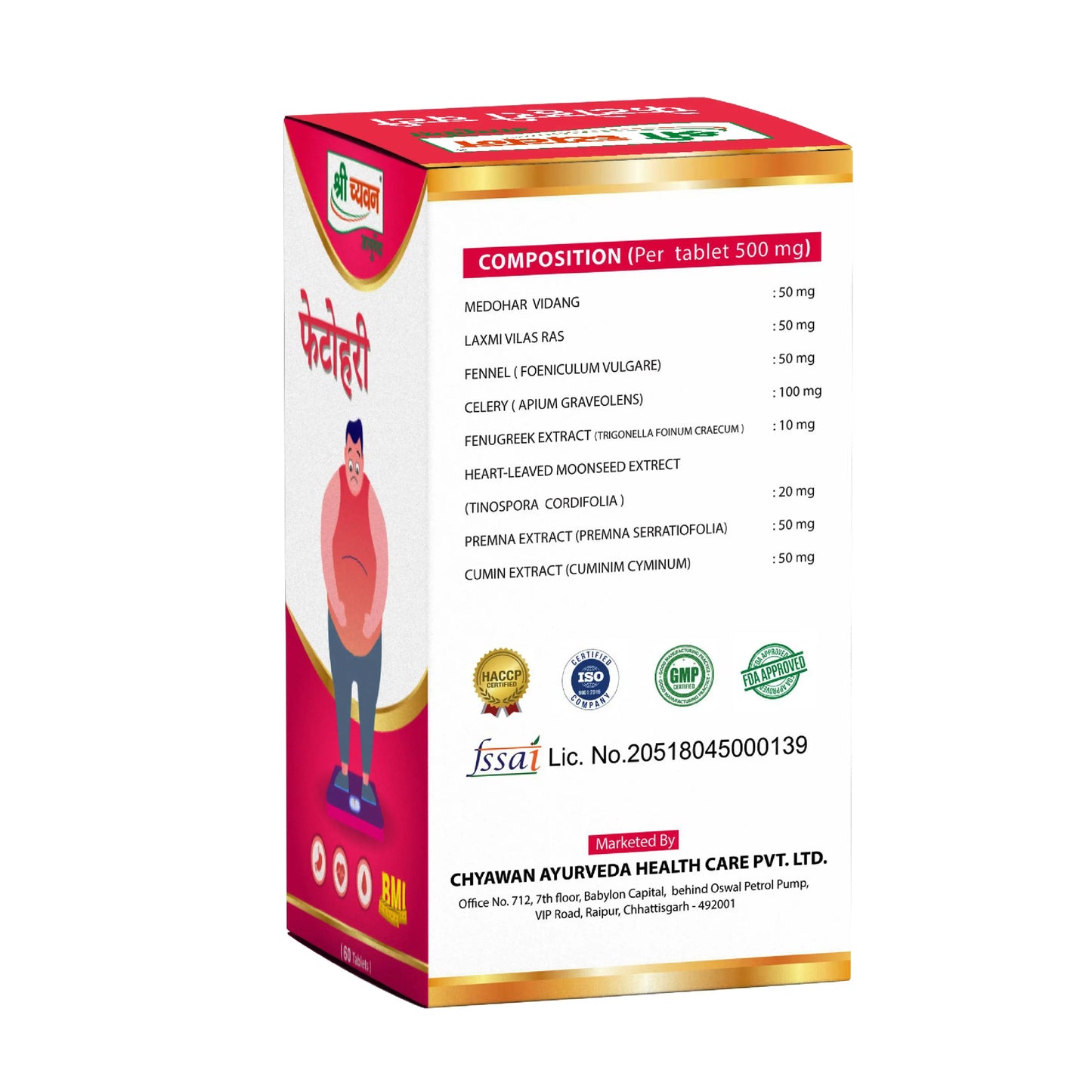
The exact ingredients may vary depending on the formulation, so it is important to read product labels carefully.

Fat Burning Ayurvedic Medicine
Many individuals search for fat burning Ayurvedic medicine expecting rapid results. However, Ayurveda emphasises gradual, sustainable improvements through balanced nutrition, regular movement, and appropriate herbal support.
Traditional formulations may help support:
- Healthy digestion
- Balanced metabolism
- Better energy utilisation
- Overall wellness
No herbal product should be viewed as a substitute for healthy lifestyle habits.
Healthy Lifestyle Habits That Support Weight Loss
Ayurvedic medicine works best when combined with healthy daily practices.
Follow a Balanced Diet
Choose meals rich in:
- Fresh vegetables
- Seasonal fruits
- Whole grains
- Pulses
- Lean protein sources
- Healthy fats in moderation
Limit excessive intake of fried foods, sugary drinks, processed snacks, and refined carbohydrates.
Stay Active
Aim for at least 150 minutes of moderate physical activity each week. Walking, cycling, swimming, yoga, and strength training are all excellent choices.
Practise Yoga
Yoga can complement a healthy lifestyle. Popular practices include:
- Surya Namaskar
- Bhujangasana
- Naukasana
- Setu Bandhasana
- Kapalbhati
- Anulom Vilom
Exercise routines should always be appropriate for your fitness level and medical condition.
Stay Hydrated
Adequate water intake supports overall health and helps maintain normal bodily functions.
Sleep Well
Adults should aim for approximately seven to eight hours of quality sleep each night. Poor sleep may affect appetite regulation and overall well-being.
Manage Stress
Stress can influence eating behaviour and physical health. Meditation, mindfulness, breathing exercises, and spending time outdoors can help support emotional well-being.
Conclusion
Ayurveda promotes a comprehensive approach that combines healthy eating, regular physical activity, proper sleep, stress management, and carefully selected herbal formulations. Whether you are looking for Ayurvedic medicine for weight loss or natural support for fat management, long-term success depends on consistent lifestyle improvements rather than quick fixes.
By adopting balanced daily habits and using Ayurvedic medicines responsibly under professional guidance, individuals can work towards healthy weight management while supporting their overall health and well-being.