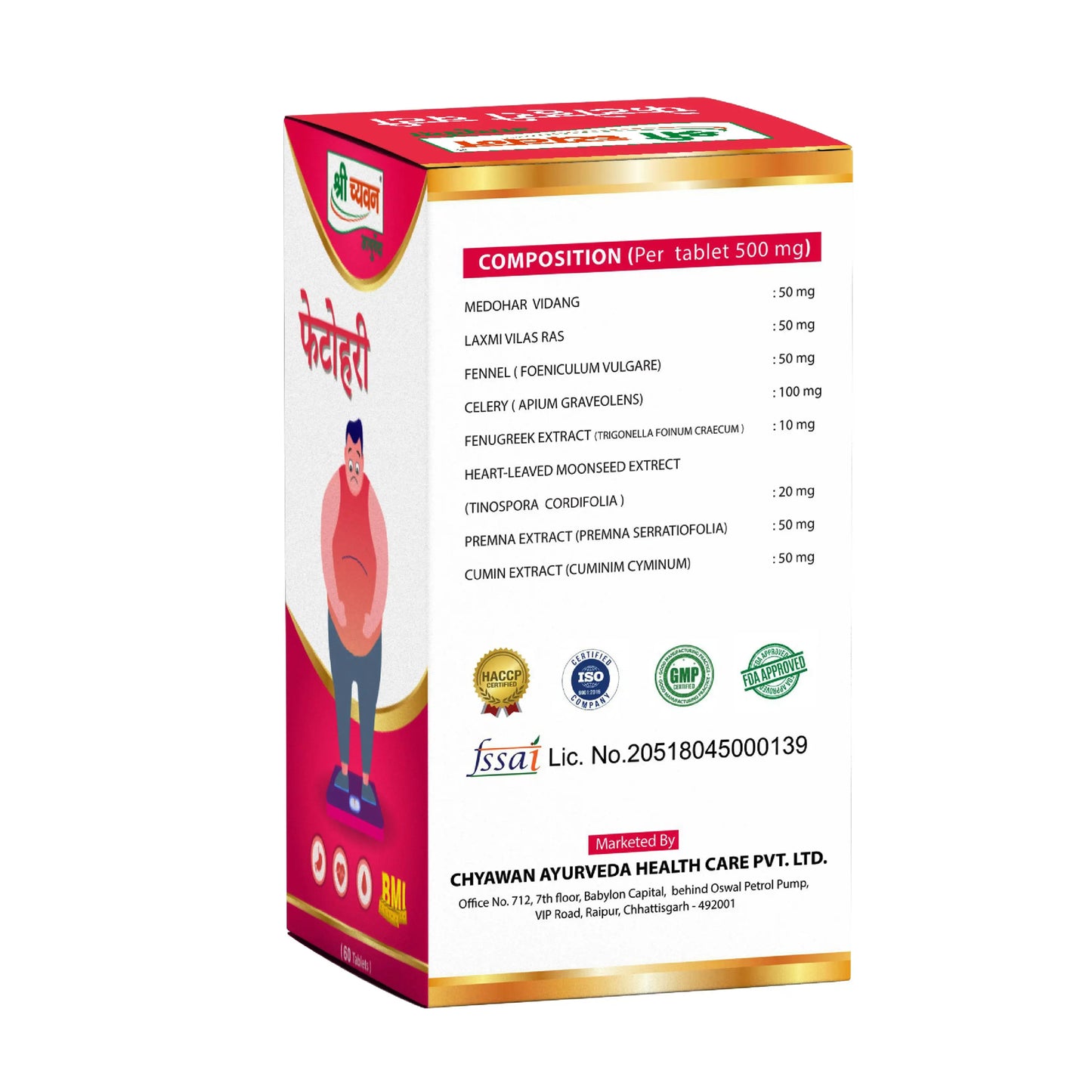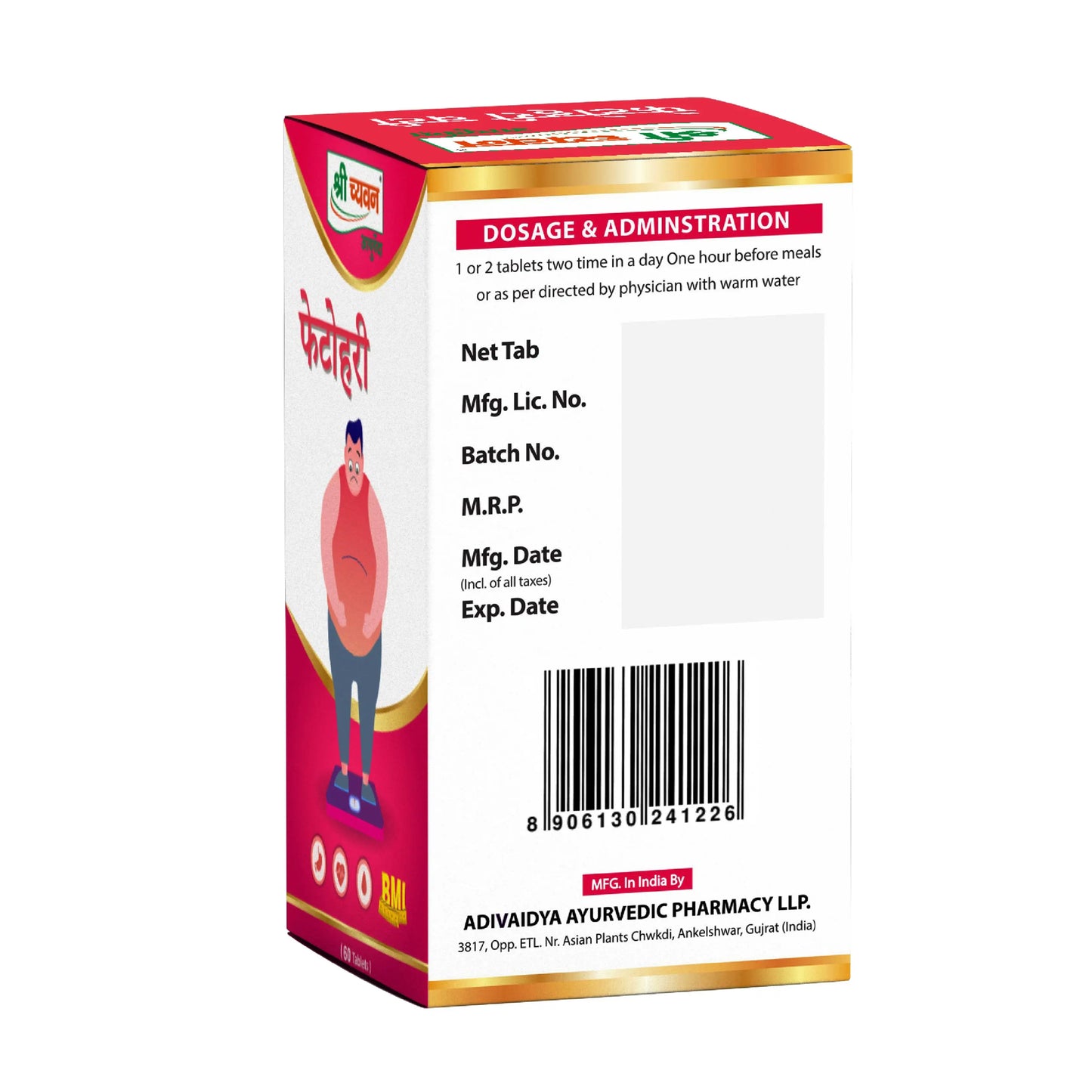

Maintaining a healthy weight is an important part of overall wellness. In India, busy work schedules, sedentary lifestyles, irregular eating habits, stress, and reduced physical activity can make weight management challenging. As people become more interested in traditional wellness practices, many are exploring Ayurveda for weight loss as part of a balanced lifestyle.
Ayurveda emphasises a holistic approach to health, including food habits, digestion, daily routines, physical activity, sleep, and individual needs. Ayurvedic weight loss products may be considered as supportive options for some people, but they should not replace a balanced diet, regular exercise, or appropriate medical care.
Understanding how these products fit into a healthy routine can help consumers make informed choices and avoid unrealistic weight-loss claims.
Understanding Ayurveda for Weight Loss
Ayurveda traditionally connects excess body weight with factors involving Kapha dosha, digestion, food habits, and physical activity. Concepts such as Medoroga are discussed in traditional Ayurvedic literature in relation to excessive accumulation of body fat.
From this perspective, maintaining a healthy weight involves more than using a herbal supplement. Traditional approaches emphasise appropriate food choices, regular movement, mindful eating, and a consistent daily routine.
Common lifestyle factors that may contribute to weight gain include:
- Frequent consumption of fried and processed foods
- Large portion sizes and excessive calorie intake
- Regular consumption of sugary drinks and sweets
- Lack of physical activity
- Prolonged sitting during work
- Irregular sleep schedules
- High stress levels
- Frequent snacking without hunger
Modern healthcare also recognises that genetics, hormonal changes, certain medications, sleep disorders, and underlying medical conditions can influence body weight. Persistent or unexplained weight gain should therefore be discussed with a qualified healthcare professional.
What Are Ayurvedic Weight Loss Products?
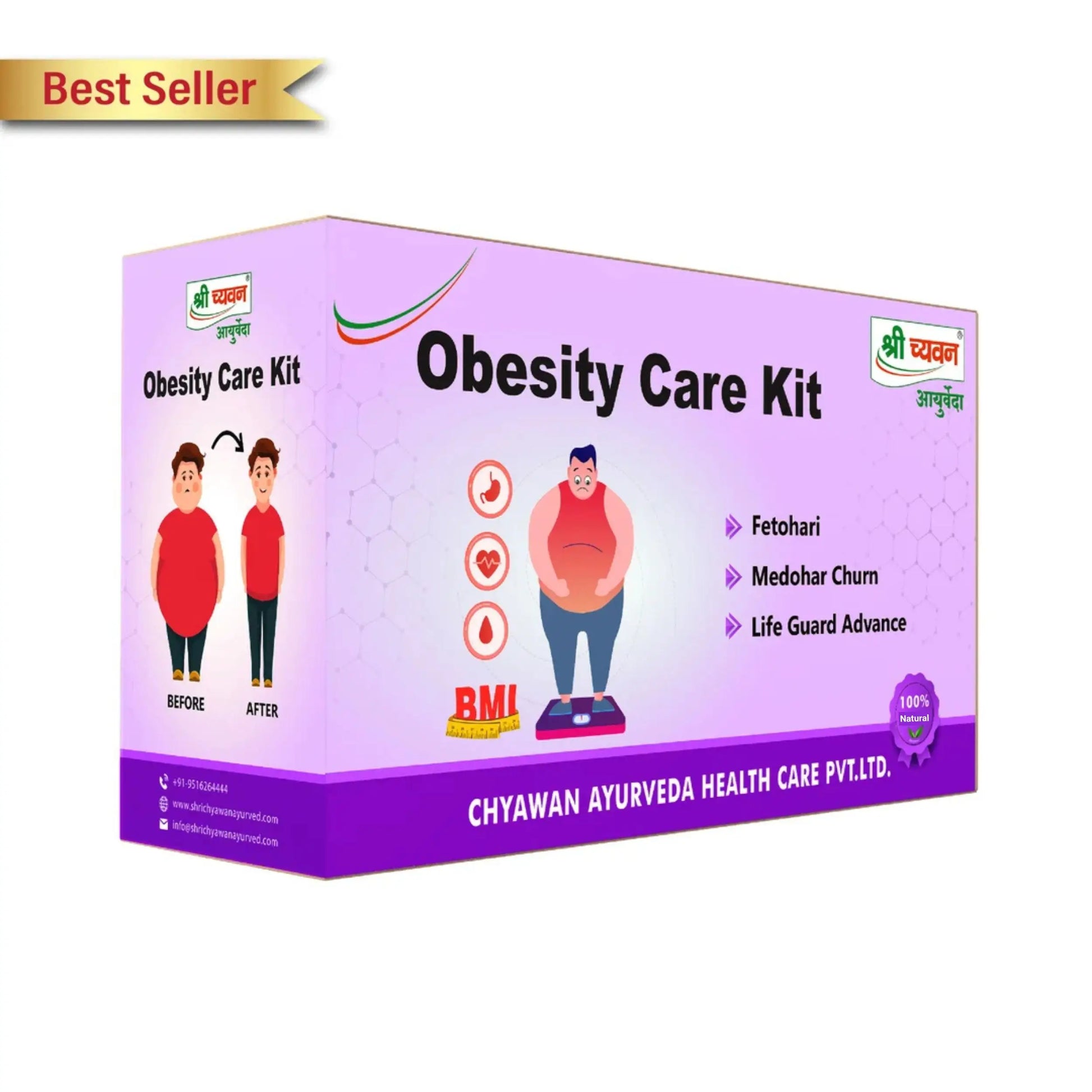
Ayurvedic weight loss products are traditional herbal preparations available in different forms, including tablets, capsules, powders, teas, and combination formulations.
Depending on their ingredients, these products may traditionally be used to support digestive wellness, regular bowel habits, or other aspects of general health. However, evidence that a particular Ayurvedic formulation produces meaningful and sustained weight loss may be limited.
The suitability of any product depends on its ingredients, quality, dosage, individual health condition, and possible interactions with medicines.
It is important to remember that no herbal product can guarantee weight loss for everyone. A sustainable weight-management plan should include healthy eating, regular physical activity, sufficient sleep, and professional guidance when required.

Best Ayurvedic Weight Loss Products and Common Ingredients
People often search for Ayurvedic weight loss products when looking for natural approaches to weight management. However, there is no single product that is best for every individual.
Some herbs commonly found in traditional Ayurvedic preparations include the following.
1. Triphala
Triphala is a traditional combination of three fruits. It is widely used in Ayurveda and is commonly associated with digestive and bowel health.
Although it may be included in some weight-management products, it should not be considered a proven standalone weight-loss treatment.
2. Guggul
Guggul is used in various Ayurvedic formulations. Different preparations have different traditional uses, and their safety and suitability depend on the formulation and individual circumstances.
Guggul may interact with medicines and is not appropriate for everyone. Professional advice is recommended before use.
3. Ginger
Ginger is widely used in Indian cooking and traditional wellness practices. It is commonly associated with digestive support and can be incorporated into a balanced diet.
Adding ginger to meals may be a practical dietary choice, but it does not guarantee fat loss.
4. Fenugreek
Fenugreek seeds are commonly used in Indian households and contain dietary fibre. They have been studied for potential effects on certain metabolic markers, but results depend on the preparation and amount used.
Fenugreek supplements may affect blood sugar and interact with certain medicines, so people taking diabetes medication should seek professional advice.
5. Amla
Amla, also known as Indian gooseberry, is traditionally valued for its nutritional and antioxidant properties. It can be consumed as part of a balanced diet or included in selected herbal preparations.
Its presence in a product does not establish that the product will reduce body weight.
Ayurvedic Medicine for Fat Loss and Healthy Lifestyle Habits
The term Ayurvedic medicine for fat loss is frequently used in online searches. However, reducing body fat involves several factors, including food intake, physical activity, muscle mass, sleep, genetics, and overall health.
Herbal supplements should not be expected to burn fat automatically or compensate for an unhealthy lifestyle.
A more practical approach includes:
- Eating balanced meals with vegetables, fruits, whole grains, and adequate protein
- Reducing sugary drinks and highly processed snacks
- Controlling portion sizes
- Walking regularly
- Including suitable strength-training exercises
- Maintaining a consistent sleep schedule
- Managing stress through relaxation, yoga, or meditation
These habits can support healthy weight management more reliably than depending on a single supplement.
Ayurveda for Obesity and Its Role in Weight Management
Ayurveda for obesity traditionally focuses on diet, physical activity, daily routine, and selected herbal preparations. However, obesity is a complex health condition that can be influenced by multiple biological, social, and environmental factors.
Excess body weight may increase the risk of type 2 diabetes, high blood pressure, cardiovascular disease, sleep-related disorders, and other metabolic conditions.
People with obesity may benefit from a professional assessment that considers body mass index, waist circumference, blood pressure, blood glucose, cholesterol, current medicines, and possible underlying conditions.
Ayurvedic practices may be considered as complementary support when appropriate, but they should not replace evidence-based treatment or medical monitoring.

How to Choose the Best Ayurvedic Weight Loss Products
Choosing a product requires more than reading promotional claims. Before buying weight loss Ayurvedic products, consider these points.
Check the Ingredients
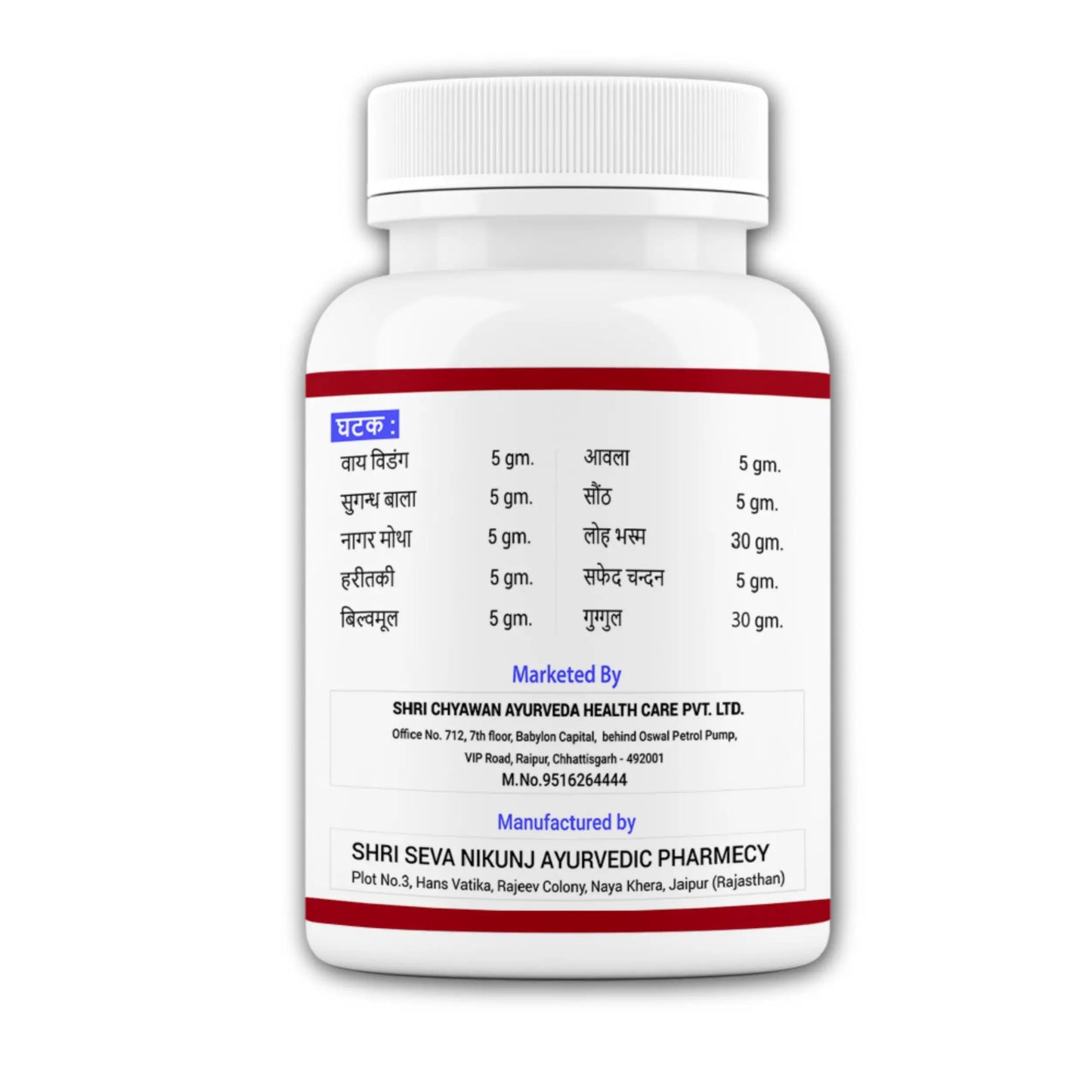
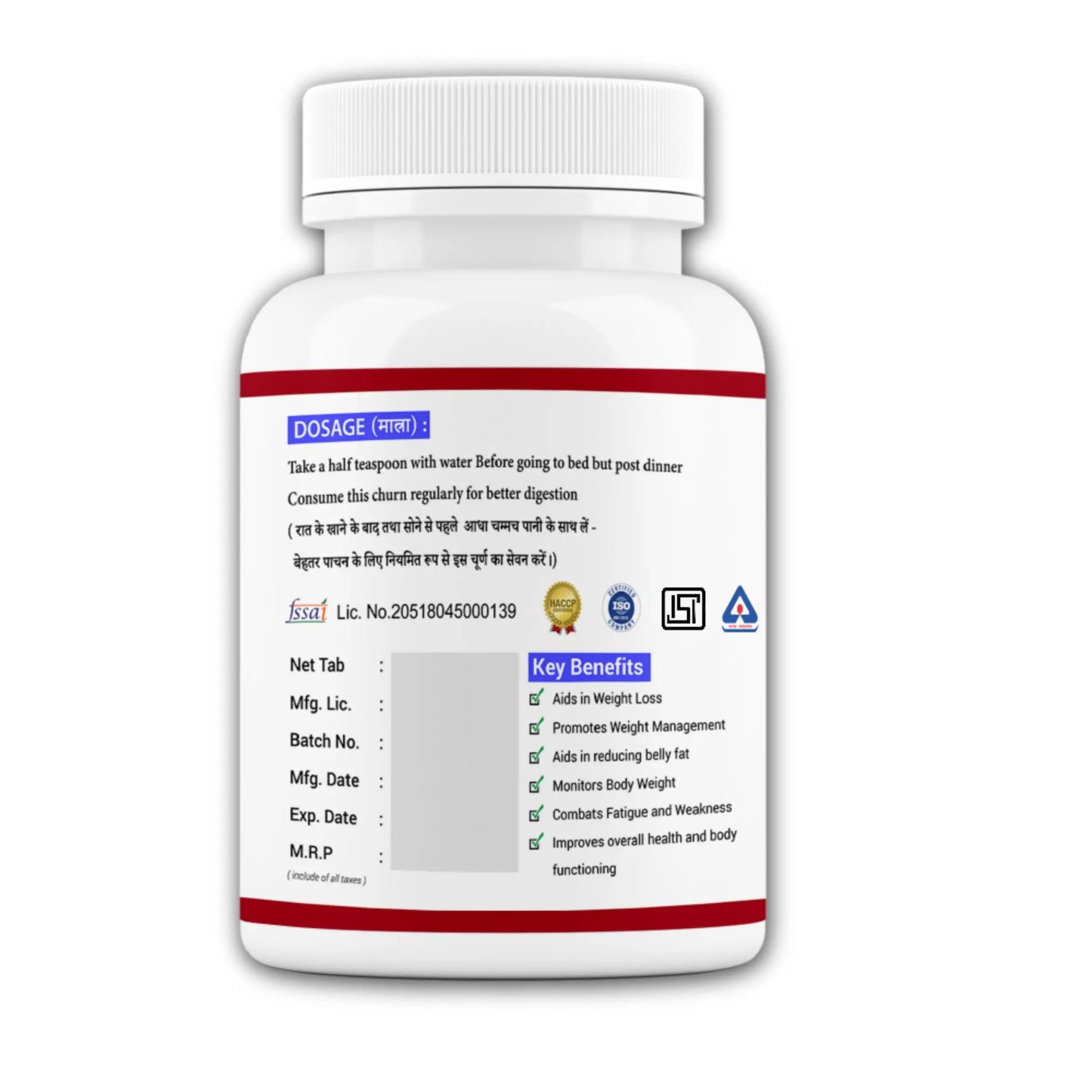
Choose products that clearly disclose their ingredients, quantities where available, recommended dosage, and directions for use. Avoid formulations with unclear or undisclosed ingredients.
Review Manufacturer Information
Look for relevant manufacturer details, batch information, expiry date, and other required label information. Purchase from reputable manufacturers or authorised sellers.
Avoid Unrealistic Claims
Be cautious about products promising instant weight loss, guaranteed fat burning, permanent obesity treatment, or dramatic results without dietary changes and exercise.
Consider Your Health Condition
Some herbal ingredients can affect blood sugar, blood pressure, digestion, or the action of prescription medicines. Consult a qualified healthcare professional if you have a chronic condition or regularly take medication.
Focus on Suitability Rather Than Popularity
A product that is widely advertised may not be appropriate for your individual needs. Consider product transparency, quality, potential risks, and professional advice before making a decision.
Conclusion
The ayurvedic medicine for fat loss should be evaluated carefully, with realistic expectations about their role in weight management. Ayurveda for weight loss traditionally emphasises balanced food habits, digestion, daily routine, and physical activity rather than relying on a single product.
Whether you are exploring weight loss Ayurvedic products or Ayurvedic medicine for fat loss, prioritise transparent ingredients, reliable manufacturing, appropriate professional advice, and healthy lifestyle changes.
Ayurvedic products may provide supportive wellness options for some individuals, but they are not guaranteed weight-loss treatments. A balanced diet, regular exercise, adequate sleep, stress management, and appropriate healthcare remain essential for achieving and maintaining a healthy weight.