
Maintaining a healthy body weight is an important part of overall wellness. In India, changing food habits, sedentary jobs, long working hours, stress, insufficient physical activity, and irregular sleep can make weight management difficult. As a result, many people are exploring Ayurveda as a traditional approach that can complement healthy lifestyle practices.
Ayurveda takes a holistic view of health and considers factors such as digestion, food choices, daily routine, physical activity, sleep, and individual constitution. Ayurvedic medicine for weight loss may be used as supportive care, but it should not be treated as a quick solution or a substitute for a balanced diet and appropriate medical care.
For people dealing with excess weight or obesity, understanding how Ayurvedic approaches fit into a complete weight-management plan can help in making informed choices.
Understanding Weight Gain Through Ayurveda
Ayurveda traditionally associates excessive body weight with an imbalance involving Kapha dosha, reduced digestive function, accumulation of ama, and insufficient physical activity. The traditional concept of Medoroga is commonly discussed in Ayurvedic literature in relation to excessive accumulation of body fat.
Several everyday habits may contribute to weight gain, including:
- Frequent consumption of fried and processed foods
- Excessive intake of sweets and sugary beverages
- Large portion sizes
- Irregular meal timings
- Prolonged sitting
- Lack of exercise
- Poor sleep patterns
- Excessive stress
- Frequent snacking
Modern medicine recognises that obesity is influenced by multiple factors, including genetics, environment, medications, hormones, sleep, mental well-being, and certain medical conditions. Therefore, significant or unexplained weight gain should be evaluated by a qualified healthcare professional.
What Is Ayurvedic Medicine for Weight Loss?
Ayurvedic medicine for weight loss generally refers to traditional herbal formulations intended to support various aspects of wellness associated with weight management. These products may be available as tablets, capsules, powders, teas, or other preparations.
Depending on their formulation, Ayurvedic products may traditionally be used to support:
- Healthy digestion
- Regular bowel function
- Appetite management
- Metabolic wellness
- Energy and activity
- A balanced daily routine
The suitability of a particular formulation varies from person to person. Factors such as age, health status, existing medical conditions, medications, allergies, diet, and lifestyle should be considered before choosing a product.
Ayurveda for Weight Loss and Healthy Lifestyle
One of the important features of Ayurveda for weight loss is its emphasis on lifestyle rather than relying exclusively on herbal products.
A holistic approach may include:
Balanced Eating
Traditional Ayurvedic practices encourage appropriate food choices and mindful eating. For modern Indian diets, this can mean including vegetables, fruits, pulses, whole grains, suitable protein sources, and other nutrient-rich foods while limiting highly processed and calorie-dense foods.
Regular Physical Activity
Walking, yoga, cycling, swimming, strength training, and other suitable activities can help support healthy body composition. The appropriate level of exercise depends on an individual's age, fitness, and health status.
Consistent Routine
Regular meal timings, adequate sleep, physical activity, and stress-management practices can help create a sustainable lifestyle.
Mindful Eating
Eating slowly and paying attention to hunger and fullness can help reduce distracted or unnecessary eating.
Common Ingredients Found in Ayurvedic Weight Loss Products
Different Ayurvedic weight loss products contain different combinations of herbs. Some ingredients traditionally used in formulations related to digestive or metabolic wellness include:
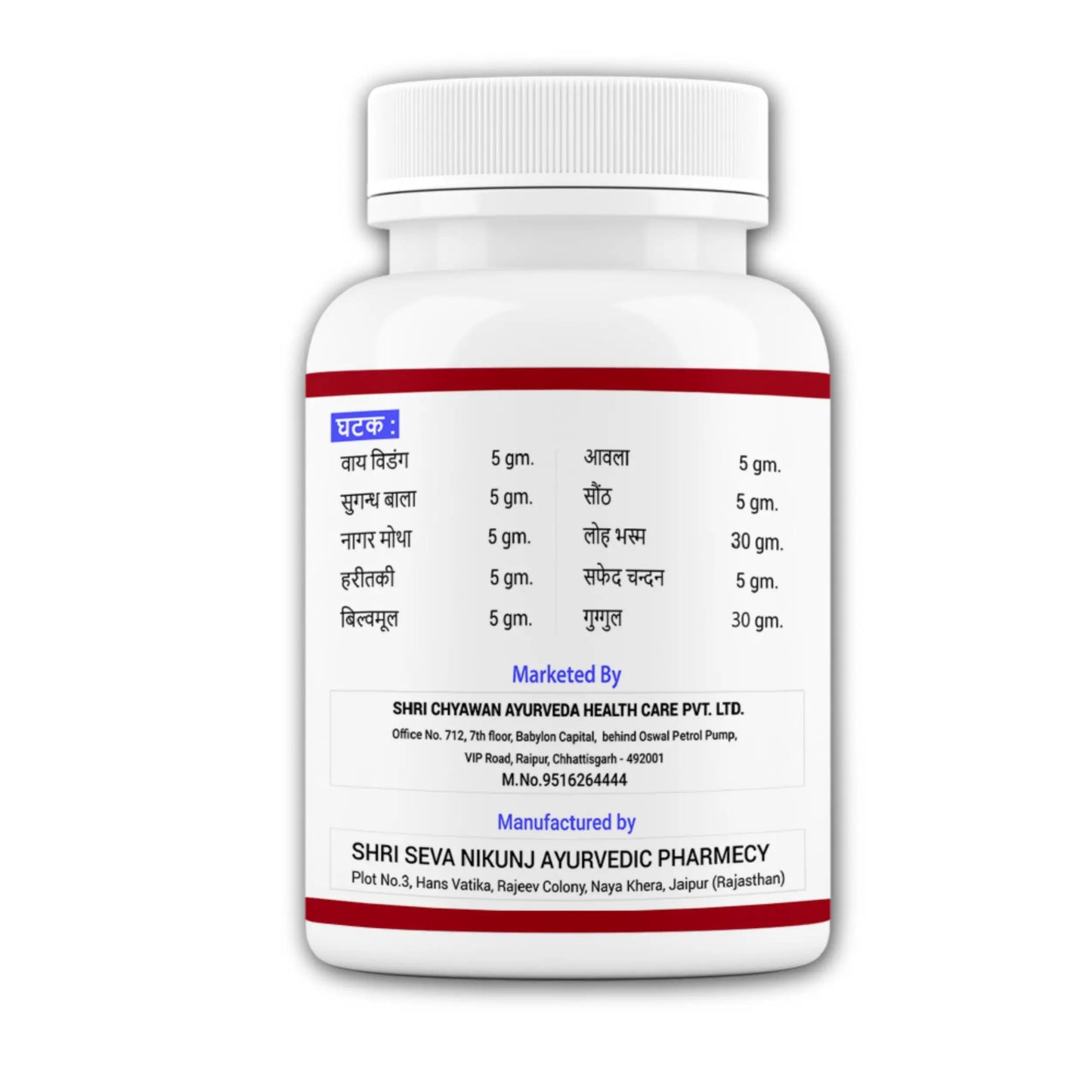
Triphala
Triphala is a traditional combination of three fruits. It is widely used in Ayurveda and is commonly associated with digestive and bowel wellness.
Guggul
Guggul has a long history of use in Ayurvedic preparations. Certain guggul-based formulations are traditionally used in approaches related to metabolic wellness.
Ginger
Ginger is a common ingredient in Indian cuisine and traditional practices. It is traditionally valued for supporting digestion.
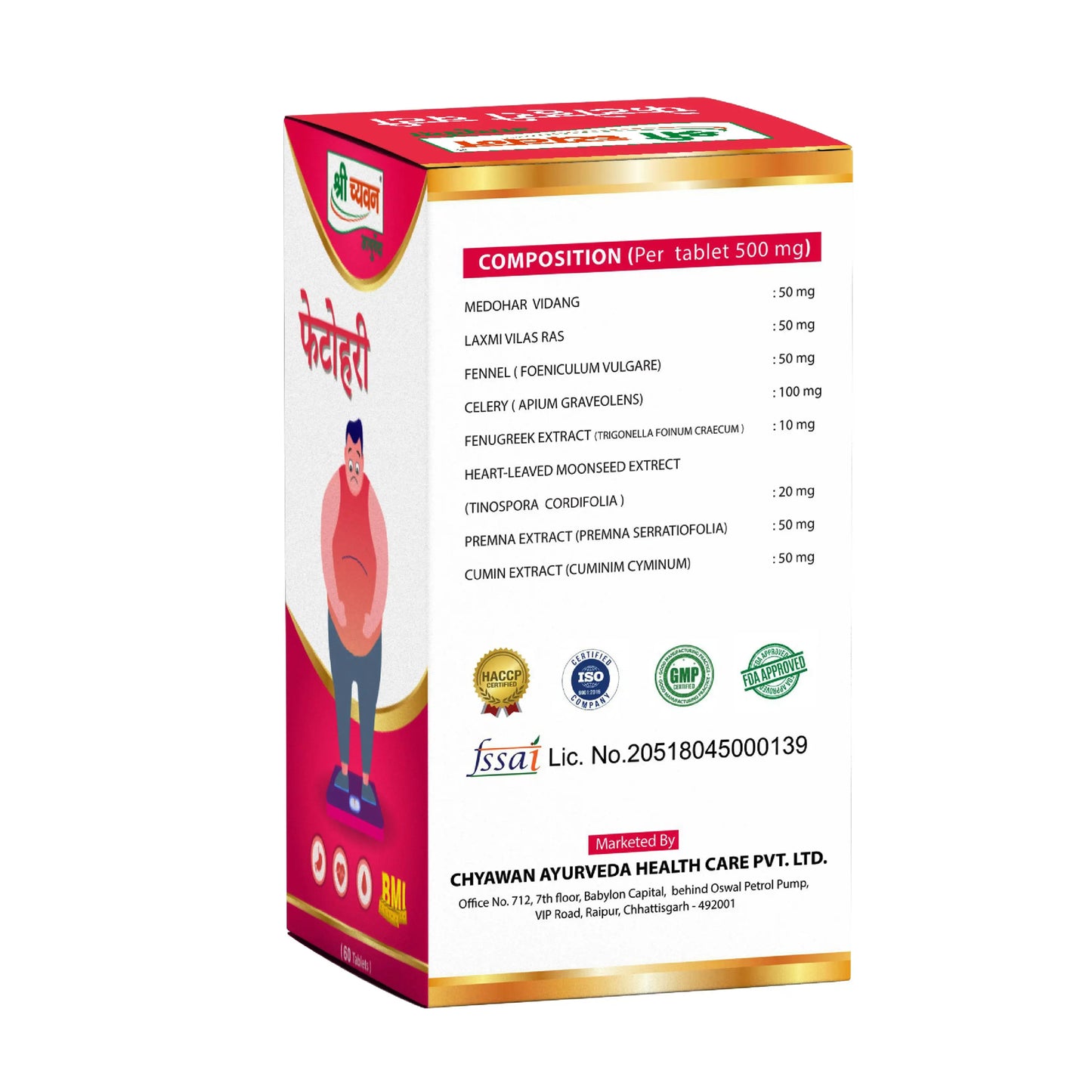
Fenugreek
Fenugreek seeds are widely consumed in India and contain fibre and various nutrients. They are also used traditionally in preparations related to metabolic health.
Amla
Amla, or Indian gooseberry, is commonly used in Ayurvedic formulations and is valued for its nutritional and antioxidant properties.
The inclusion of an herb in a product does not automatically mean that it will cause weight loss. The complete formulation, quantity, quality, and individual suitability are important considerations.

How to Select the Best Ayurvedic Medicine for Weight Loss
People frequently search for the best Ayurvedic medicine for weight loss, but there is no universally suitable product for everyone.
Instead of selecting a product solely because it is advertised as "best," consider the following factors.
Check the Ingredients
Choose products with clearly disclosed ingredients and usage instructions. Avoid formulations where the contents are unclear or incomplete.
Look at Product and Manufacturer Details
Reputable products should provide appropriate information such as manufacturer details, batch information, expiry date, directions for use, and other required label information.
Avoid Guaranteed Results
Be cautious of products promising guaranteed weight loss, rapid fat burning, permanent obesity treatment, or dramatic results without diet and exercise.
Weight management is influenced by multiple lifestyle and health factors.
Consider Your Health Status
A product that may be appropriate for one person may not be suitable for another. Existing health conditions and medicines should always be considered.
Seek Professional Guidance
Consult a qualified Ayurvedic practitioner, doctor, or other appropriate healthcare professional if you have a chronic condition, take prescription medication, or are unsure whether a product is suitable for you.
Ayurveda for Obesity Management
Ayurveda for obesity focuses traditionally on dietary discipline, physical activity, daily routine, and selected herbal preparations.
Obesity, however, is a complex health condition rather than simply a cosmetic concern. Excess body weight may be associated with an increased risk of several health problems, including type 2 diabetes, cardiovascular disease, high blood pressure, sleep-related disorders, and other metabolic conditions.
For this reason, people with obesity should consider a comprehensive approach. A healthcare professional can assess factors such as body mass index, waist circumference, blood pressure, blood glucose, cholesterol, lifestyle, medications, and possible underlying conditions.
Ayurvedic approaches may be considered as complementary support where appropriate, rather than replacing evidence-based medical evaluation or treatment.

Ayurvedic Medicine for Obesity and Lifestyle Support
The phrase Ayurvedic medicine for obesity is commonly searched by people looking for natural approaches to weight management. However, choosing an appropriate product requires more than looking at a product's marketing claims.
A comprehensive routine can include:
- Eating balanced meals
- Controlling portion sizes
- Choosing fibre-rich foods
- Including adequate protein
- Limiting sugary drinks
- Reducing fried and highly processed foods
- Walking regularly
- Performing suitable strength exercises
- Getting adequate sleep
- Managing stress
These habits can provide the foundation on which any supportive wellness product is considered.
Choosing Ayurvedic Weight Loss Products
The Indian market offers a wide range of ayurvedic weight loss products, including herbal capsules, tablets, powders, and combination formulations. Consumers should evaluate products carefully before making a purchase.
Consider buying from reputable manufacturers and authorised sellers. Read the label carefully and check the ingredients, dosage, manufacturer information, expiry date, and directions for use.
It is also important to avoid products that use exaggerated claims or suggest that weight loss can happen without any changes to food or activity.
Conclusion
The best Ayurvedic medicine for weight loss should not be defined simply by how quickly a product claims to reduce body weight. Ayurveda for weight loss traditionally takes a broader approach that includes diet, digestion, physical activity, daily routine, and overall wellness.
A consistent combination of balanced nutrition, physical activity, adequate sleep, stress management, and informed use of suitable Ayurvedic products can provide a more responsible approach to long-term weight management.