
Maintaining a healthy weight has become an important wellness goal for many people in India. Sedentary work, frequent consumption of processed foods, irregular meal timings, inadequate sleep, and reduced physical activity can make weight management challenging. As awareness of traditional wellness practices continues to grow, many people are exploring Ayurveda as part of a broader healthy lifestyle.
Ayurveda takes a holistic approach to well-being by considering diet, digestion, physical activity, daily routine, sleep, and individual body constitution.
A sustainable approach generally combines nutritious food, regular exercise, adequate sleep, stress management, and appropriate professional guidance. This article explains the role of Ayurvedic products in weight management, the ingredients commonly found in traditional formulations, how to choose products, and important precautions to consider.
Understanding Weight Management Through Ayurveda
Ayurveda traditionally associates excessive weight with factors involving Kapha dosha, impaired digestion, sedentary habits, and excessive intake of heavy or calorie-dense foods. The traditional concept of Medoroga is often discussed in relation to excessive accumulation of body fat.
From an Ayurvedic perspective, maintaining healthy digestion and following an appropriate daily routine are important aspects of managing body weight.
Common lifestyle factors that may contribute to excess weight include:
- Eating large or irregular meals
- Frequent consumption of fried and processed foods
- Excessive intake of sweets and sugary drinks
- Lack of physical activity
- Poor sleep habits
- Prolonged sitting
- High stress levels
- Frequent snacking between meals
Modern health science also recognises that body weight can be affected by genetics, hormones, medications, sleep disorders, and underlying health conditions. Therefore, persistent or unexplained weight gain should be discussed with a qualified healthcare professional.
What Are Ayurvedic Weight Loss Products?
Ayurvedic weight loss products include traditional herbal preparations available in different forms, such as tablets, capsules, powders, teas, juices, and formulations containing multiple herbs.
Depending on their ingredients, these products may traditionally be used to support:
- Healthy digestion
- Appetite management
- Regular bowel function
- Energy and activity
- Metabolic health
- Healthy lifestyle routines
However, the purpose of these products should be understood as supportive rather than miraculous. No Ayurvedic product can guarantee a specific amount of weight loss for every individual.
The effectiveness of any formulation can depend on its ingredients, dosage, quality, individual health status, diet, activity level, and consistency with lifestyle changes.
Role of Ayurveda for Weight Loss
Ayurveda for weight loss focuses on improving overall lifestyle rather than depending solely on supplements. Traditional approaches may include dietary adjustments, physical activity, yoga, meditation, daily routines, and selected herbal preparations.
This holistic approach can be particularly useful because healthy weight management involves several interconnected factors.
For example, a person who regularly consumes high-calorie foods but takes a weight-management supplement is unlikely to achieve sustainable results without changing their overall lifestyle.
Instead, Ayurvedic principles can be incorporated into a routine that includes nutritious meals, regular movement, mindful eating, and sufficient rest.
Common Ingredients in Ayurvedic Weight Management Products
Different Ayurvedic formulations contain different combinations of herbs. Some ingredients traditionally associated with digestive and metabolic wellness include:
Triphala
Triphala is a traditional combination of three fruits and is widely used in Ayurveda. It is commonly associated with digestive and bowel health.
Guggul
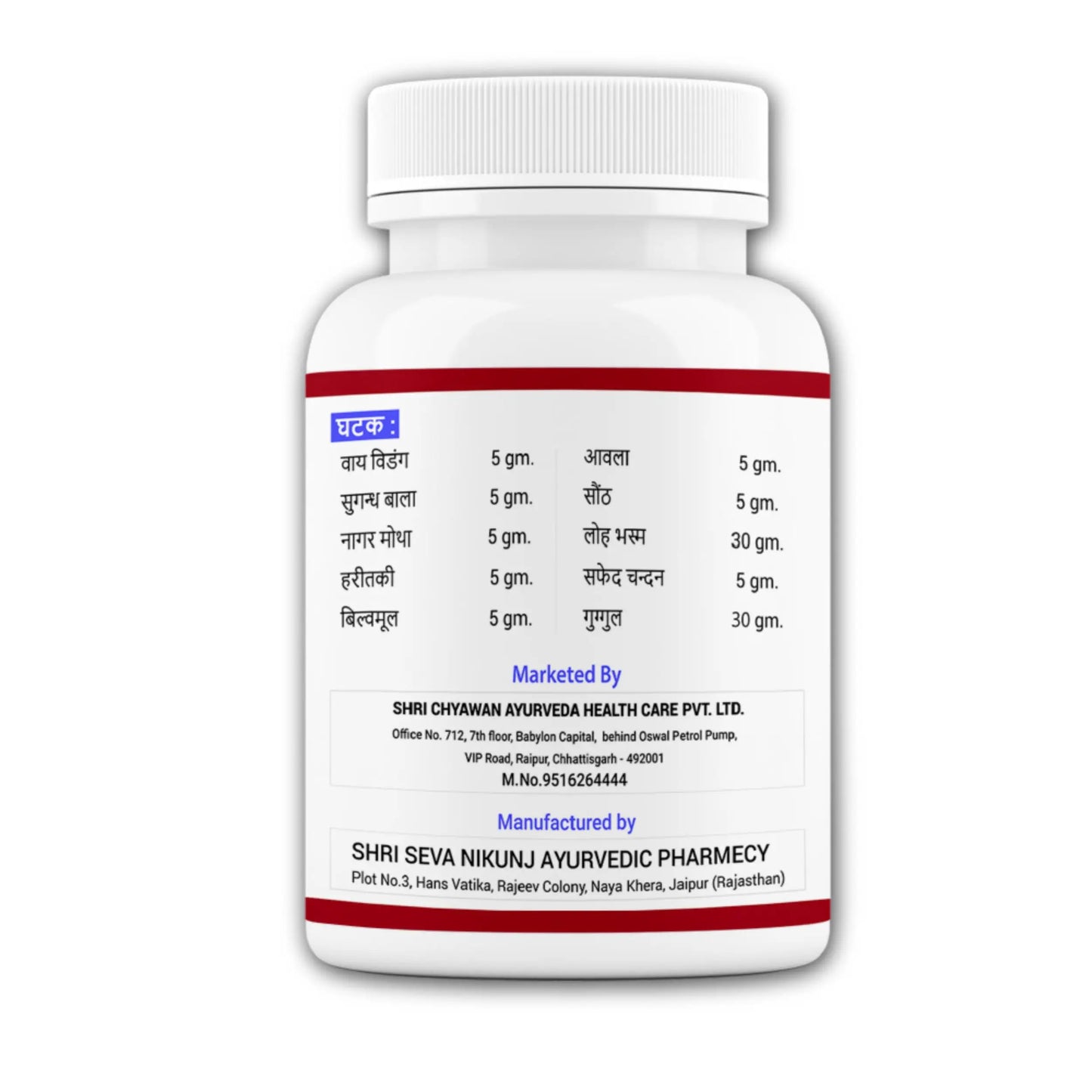
Guggul has a long history of use in Ayurvedic formulations. Different guggul-based preparations are traditionally used for various wellness purposes, including metabolic support.
Ginger
Ginger is commonly used in Indian food and traditional wellness practices. It is traditionally valued for supporting digestion and providing a warming quality.
Fenugreek
Fenugreek seeds are commonly included in Indian diets and traditional preparations. They contain dietary fibre and have been studied for several aspects of metabolic health.
Amla
Amla, or Indian gooseberry, is traditionally valued as a source of nutrients and antioxidants and is commonly included in Ayurvedic wellness formulations.
The presence of an individual herb does not automatically mean that a product will cause weight loss. The formulation, quantity, quality, and suitability for the individual are all important.
Potential Benefits of Ayurvedic Weight Loss Products
When appropriately selected and combined with healthy habits, Ayurvedic formulations may provide supportive benefits.
Supports Digestive Wellness
Certain traditional herbs are used to support digestion and help maintain regular bowel habits. Good digestive health can make it easier to follow a consistent eating routine.
Encourages Mindful Weight Management
Using an Ayurvedic approach can encourage people to pay greater attention to meal timings, food choices, physical activity, and daily routines rather than focusing only on the number displayed on the weighing scale.
Complements an Active Lifestyle
Some formulations are positioned as supportive products for people following exercise and dietary routines. However, they should complement physical activity rather than replace it.
Supports Healthy Lifestyle Habits
Ayurvedic weight management traditionally places importance on routine and balance. This may encourage long-term habits that are more sustainable than restrictive diets.

How to Choose the Best Ayurvedic Weight Loss Products
Many consumers search online for the best Ayurvedic weight loss products. However, the word "best" depends on individual requirements and the formulation itself.
Before purchasing a product, consider these factors.
1. Review the Ingredients
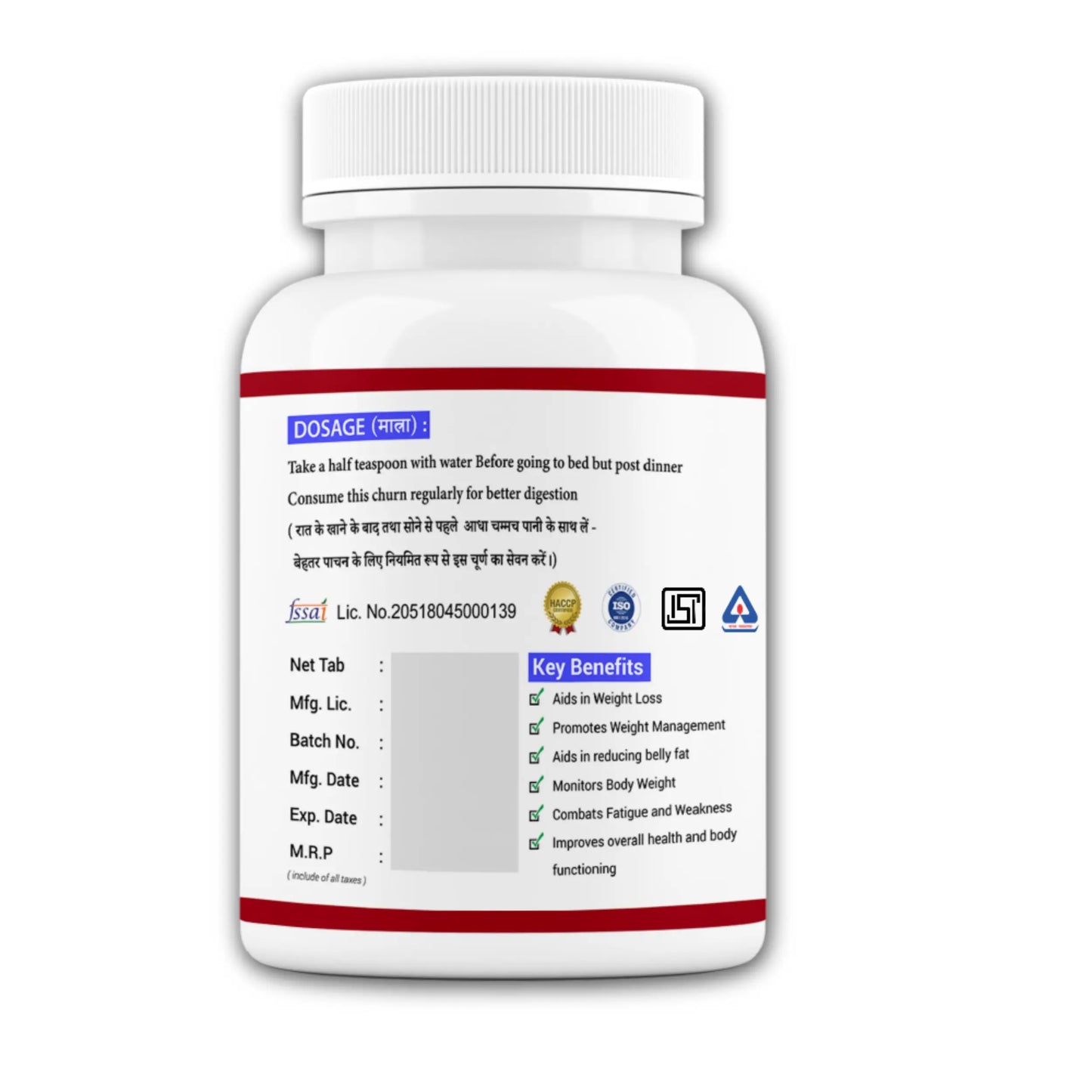
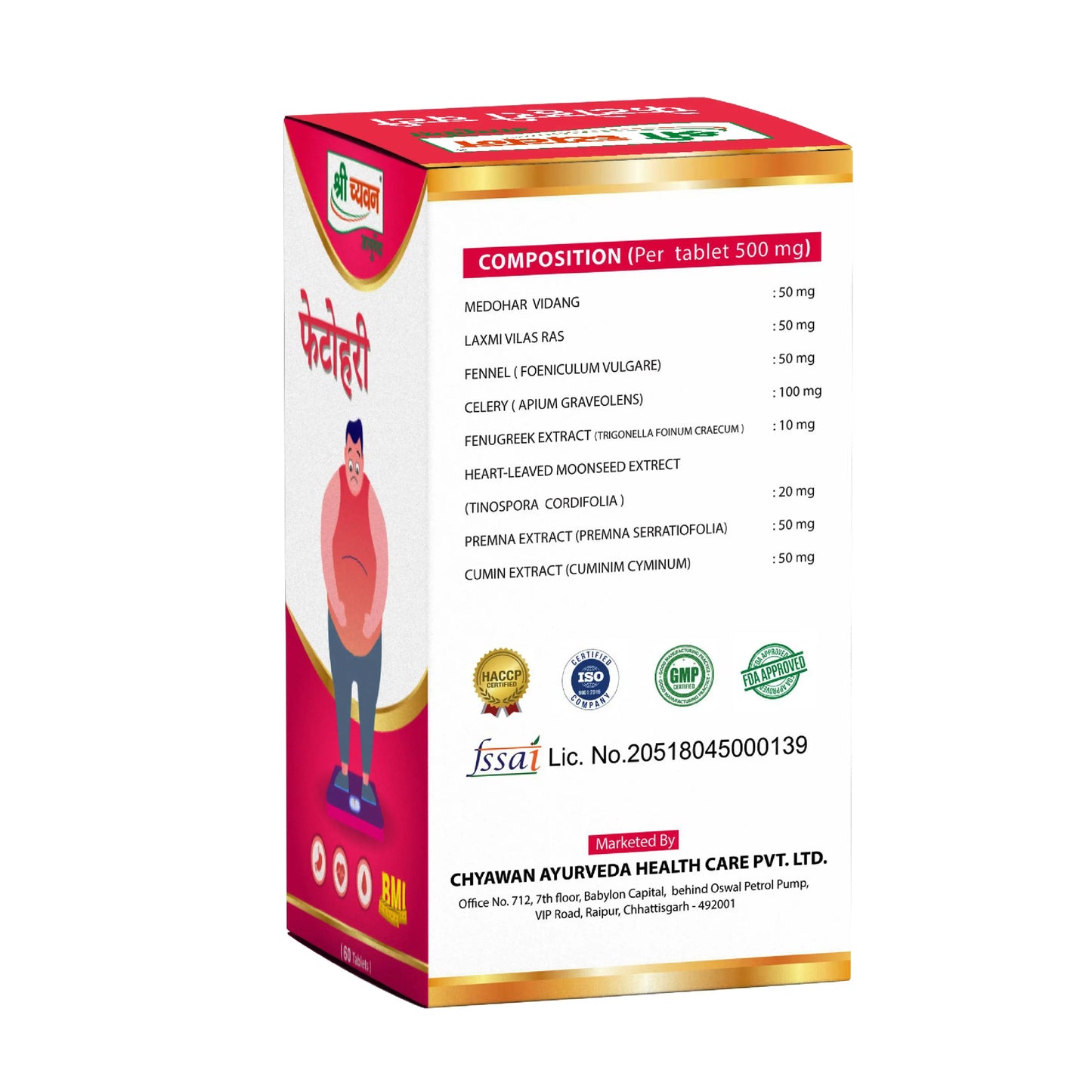
Look for products that clearly disclose their ingredients and recommended serving or dosage. Avoid products with vague ingredient information.
2. Check Manufacturer Information
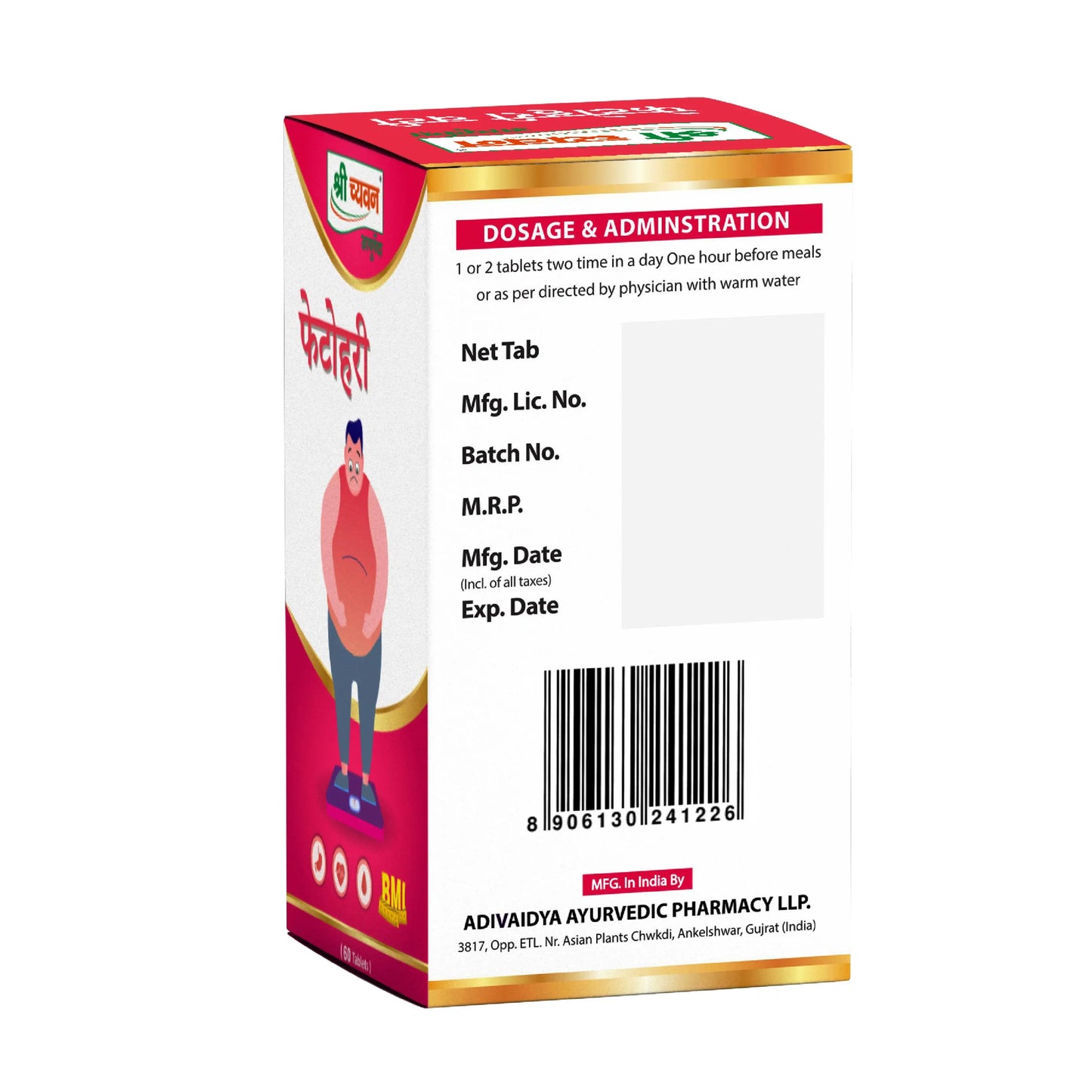
Choose products from established and reputable manufacturers. The packaging should provide relevant details such as batch information, manufacturing details, expiry date, and directions for use.
3. Avoid Unrealistic Weight Loss Claims
Be cautious about products promising extremely rapid weight loss, permanent fat removal, or guaranteed results without diet and exercise.
Healthy weight management generally requires time and consistency.
4. Consider Your Individual Needs
A formulation suitable for one person may not be appropriate for another. Age, diet, existing health conditions, medications, allergies, and lifestyle should all be considered.
5. Seek Professional Guidance
If you have an existing medical condition or regularly take prescription medicines, consult an appropriately qualified healthcare professional before using an Ayurvedic formulation.
Ayurvedic Medicine for Weight Loss and Obesity
The terms ayurvedic medicine for weight loss and obesity are frequently searched by people looking for traditional approaches to managing excess body weight.
It is important to distinguish between general weight management and medically significant obesity. Obesity is a complex health condition that may increase the risk of problems such as type 2 diabetes, cardiovascular disease, sleep-related disorders, and other metabolic conditions.
Therefore, people with obesity should not rely exclusively on herbal products. A healthcare professional can help assess body mass index, waist circumference, blood pressure, blood sugar, cholesterol, medications, lifestyle factors, and possible underlying causes.
An Ayurvedic approach may be considered as complementary wellness support when appropriate and when coordinated with professional care.

Best Ayurvedic Medicine for Weight Loss Should Not Mean the Fastest
Consumers often look for the best Ayurvedic medicine for weight loss, expecting a product that produces quick results. A better approach is to evaluate whether a product is appropriate, transparent, and compatible with a healthy long-term routine.
A responsible weight-management strategy should focus on gradual and sustainable changes rather than extreme restriction.
For example, an Indian diet can be improved by:
- Adding more vegetables and seasonal fruits
- Including adequate protein from pulses, dairy, eggs, or other suitable sources
- Choosing whole grains and high-fibre foods
- Limiting fried snacks and highly processed foods
- Reducing sugary beverages
- Controlling portion sizes
- Drinking adequate water
- Eating meals mindfully
These changes can be combined with walking, yoga, resistance exercises, sports, or other suitable forms of physical activity.
Conclusion
Ayurvedic weight loss products can be considered as part of a holistic approach to healthy weight management. Ayurveda for weight loss traditionally emphasises digestion, diet, daily routine, physical activity, and overall balance.
Most importantly, sustainable weight management should not depend on a single tablet, powder, or capsule. A balanced Indian diet, regular physical activity, adequate sleep, stress management, and consistent lifestyle habits remain central to achieving and maintaining a healthy weight.