
Sexual wellness is an important part of men's overall health. It is influenced by physical fitness, mental well-being, hormonal balance, nutrition, sleep, and personal relationships. However, factors such as work pressure, poor lifestyle habits, anxiety, and certain medical conditions can affect sexual stamina and performance.
Many men explore traditional wellness practices and search for Ayurvedic medicine for sex stamina to understand how Ayurveda approaches male sexual health. Other common searches include Ayurvedic medicine for sexual problems, sexual weakness, erectile dysfunction, infertility, and premature ejaculation.
This article explains the traditional role of Ayurveda in sexual wellness and how healthy daily habits can support men's overall health.
Understanding Ayurvedic Medicine for Sex Stamina
Sex stamina generally refers to physical endurance, sexual function, and the ability to maintain a comfortable and satisfying sexual experience. It is not determined by a single factor or measured only by the duration of sexual activity.
Ayurvedic medicine for sex stamina is a commonly searched topic among men interested in traditional approaches to male wellness.
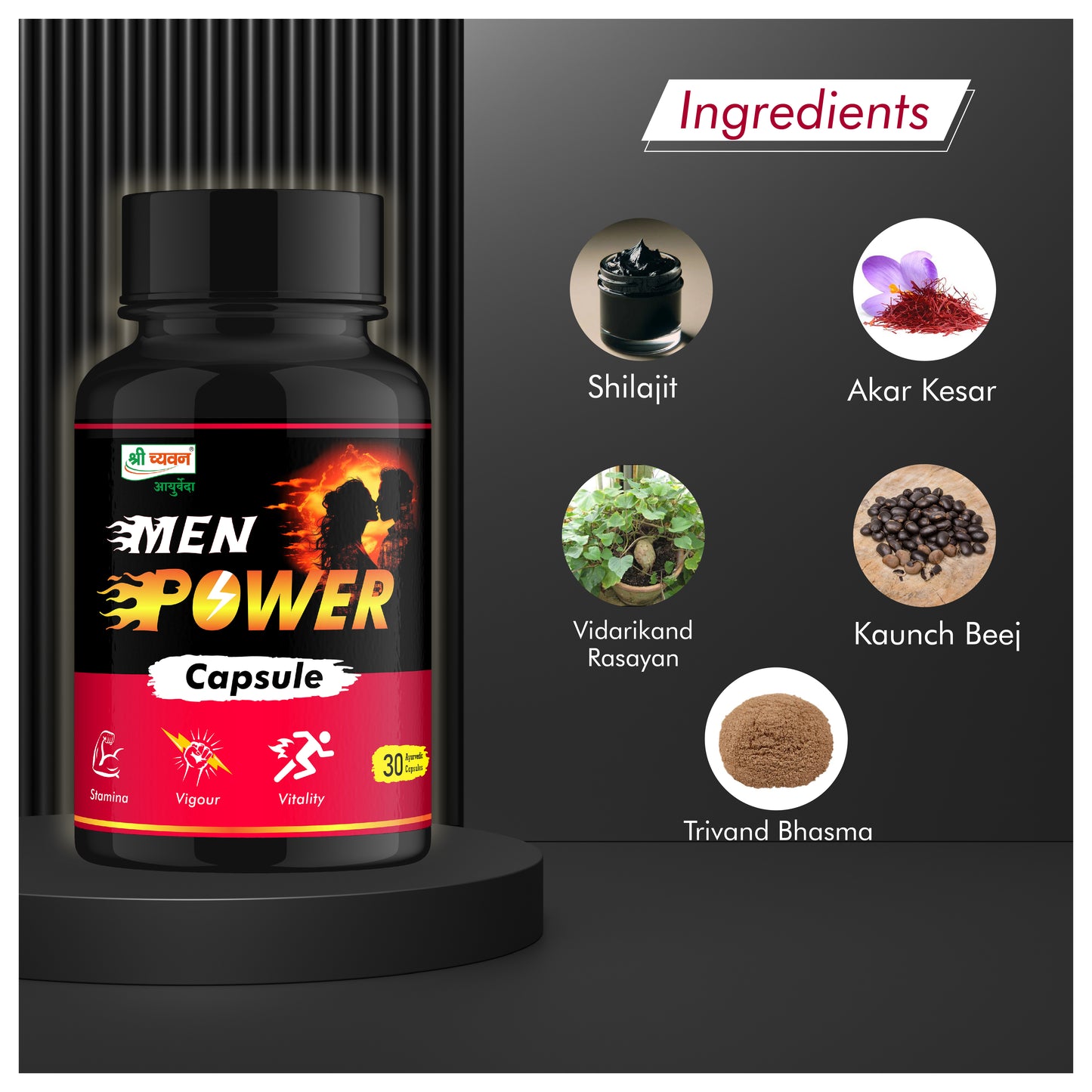
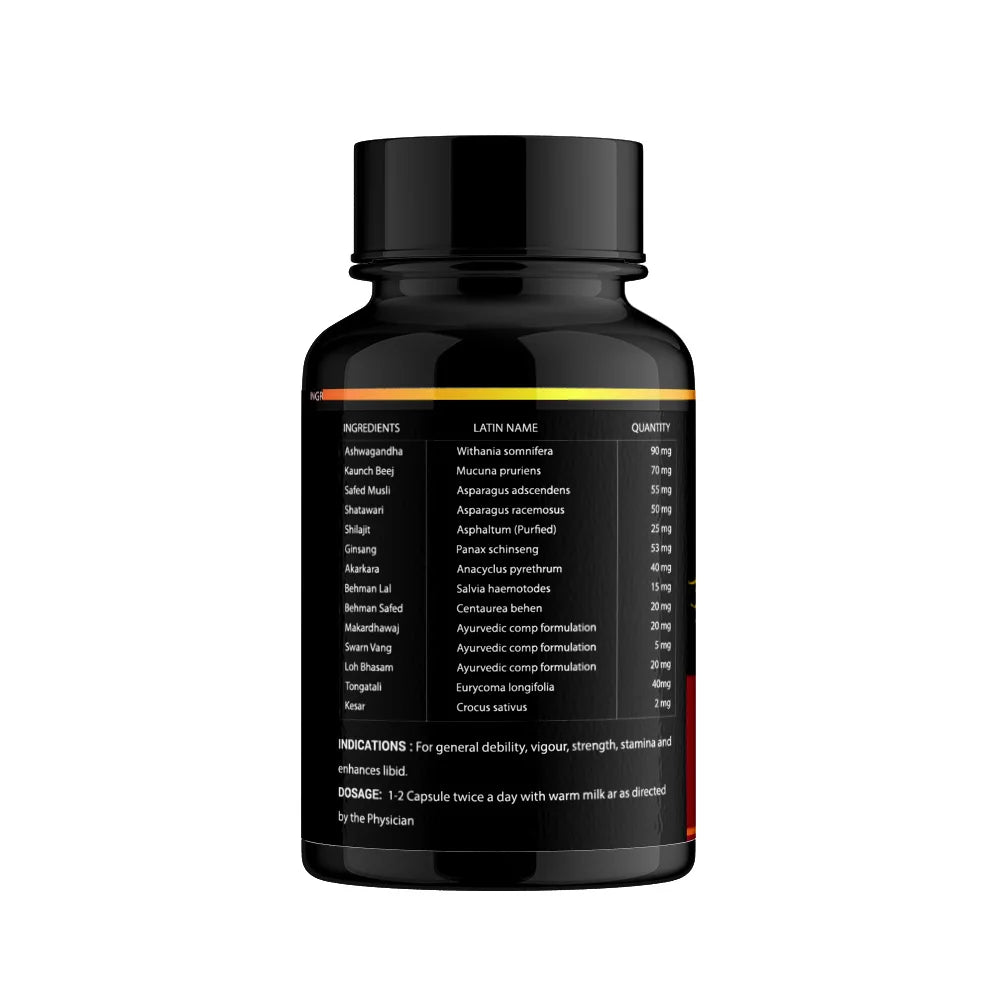
Some Ayurvedic formulations contain herbs traditionally associated with vitality and reproductive health. These may include:
- Ashwagandha: Traditionally used in Ayurvedic practices for general wellness and stress-related concerns.
- Shilajit: A mineral-rich substance traditionally included in preparations associated with vitality.
- Safed Musli: Traditionally used in formulations associated with male reproductive wellness.
- Gokshura: Used in certain traditional preparations for general wellness.
- Amla: A fruit valued in Ayurveda and known for its nutritional content.
The scientific evidence for these ingredients varies. Their traditional use does not establish that they can treat erectile dysfunction, premature ejaculation, or infertility.
1. Ayurvedic Medicine for Sexual Problems and Their Different Causes
Sexual problems can affect men at different stages of life. Some concerns may be temporary, while others can continue and require medical attention.
Understanding the type of problem is important because different conditions have different causes.
Common sexual health concerns include:
Erectile dysfunction: Difficulty getting or maintaining an erection suitable for sexual activity.
Premature ejaculation: Ejaculation occurring sooner than desired, accompanied by difficulty controlling it and associated distress.
Reduced sexual desire: A decrease in interest in sexual activity that may be associated with stress, hormonal changes, relationship concerns, or certain medicines.
Fertility difficulties: Problems with conception that may involve sperm count, movement, reproductive health, or other factors affecting either partner.
Ayurvedic medicine for sexual problems should not be considered a universal treatment for all these conditions. A healthcare professional can help identify the underlying cause and discuss suitable options.
2. Ayurvedic Medicine for Sexual Weakness and Traditional Herbal Ingredients
The term sexual weakness is often used to describe different experiences, such as low sexual desire, fatigue, erection difficulties, or concerns about stamina.
Some traditional Ayurvedic preparations contain herbs associated with male wellness.
Ashwagandha
Ashwagandha is traditionally used for general vitality and stress-related wellness. Some research has explored its effects on stress and other health outcomes. However, evidence supporting its use as a treatment for sexual dysfunction remains limited.
Shilajit
Shilajit is traditionally included in certain formulations associated with strength and vitality. Its composition can vary, and product purity is important. Evidence for specific sexual health benefits is still developing.
Safed Musli
Safed Musli is traditionally associated with male reproductive wellness. More reliable human research is needed to establish its effectiveness for specific sexual health concerns.
Gokshura
Gokshura is used in traditional preparations for general wellness. Claims about its ability to improve erections or sexual stamina should not be accepted without adequate scientific evidence.
Herbal ingredients can also cause side effects or interact with medicines. Natural does not automatically mean risk-free.

3. Ayurvedic Medicine for ED and the Importance of Understanding Erectile Dysfunction
Erectile dysfunction (ED) is a condition in which a man regularly experiences difficulty getting or maintaining an erection.
It can be associated with several physical and psychological factors, including:
- Diabetes and high blood sugar.
- High blood pressure.
- Cardiovascular conditions.
- Poor blood circulation.
- Stress and performance anxiety.
- Hormonal changes.
- Certain prescription medicines.
Ayurvedic medicine for ED is a common online search, but herbal preparations should not replace proper medical assessment.
A doctor may evaluate blood pressure, blood sugar, medication history, and other health factors to identify possible causes.
Treatment depends on the individual's condition and may include lifestyle changes, counselling, or medically approved treatments.
Men taking nitrate medicines for heart conditions should be particularly careful because some erectile dysfunction medicines can interact with them and cause a dangerous drop in blood pressure.
4. Ayurvedic Medicine for Premature Ejaculation and Healthy Management
Premature ejaculation is a common sexual health concern. It occurs when ejaculation happens sooner than desired, with limited control and associated distress.
Possible contributing factors include:
- Performance anxiety.
- Psychological stress.
- Relationship difficulties.
- Increased sensitivity or other individual factors.
- Certain medical or sexual health conditions.
Ayurvedic medicine for premature ejaculation is frequently searched by men interested in traditional treatment approaches. However, there is insufficient reliable evidence to conclude that a particular Ayurvedic formulation can consistently treat this condition.
Depending on the cause, healthcare professionals may recommend behavioural techniques, counselling, or appropriate medical treatment.
Open communication with a partner and reducing performance-related anxiety can also be helpful.
5. Ayurvedic Medicine for Infertility and Male Reproductive Health
Male fertility depends on several factors, including sperm production, sperm movement, sperm shape, hormonal balance, and reproductive health.
Some Ayurvedic herbs are traditionally associated with male reproductive wellness. However, their effectiveness for treating infertility is not firmly established.
Men experiencing fertility difficulties should consider proper medical evaluation rather than relying only on herbal supplements.
A fertility assessment may include semen analysis and other tests based on medical history.
Healthy habits that support general reproductive health include:
- Eating a balanced and nutritious diet.
- Maintaining a healthy body weight.
- Avoiding smoking and recreational drugs.
- Limiting excessive alcohol consumption.
- Getting adequate sleep.
- Staying physically active.
- Seeking medical advice for persistent reproductive concerns.
If a couple is having difficulty conceiving, both partners may benefit from appropriate medical evaluation.

6. Healthy Habits That Support Sexual Stamina
Ayurvedic wellness places importance on maintaining a balanced daily routine. Healthy habits can support physical fitness, emotional health, and general well-being.
Follow a Balanced Diet
Include vegetables, fruits, whole grains, pulses, nuts, seeds, and adequate protein in your meals. A nutritious diet supports normal body functions and cardiovascular health.
Exercise Regularly
Walking, cycling, swimming, and strength training can support physical endurance and cardiovascular fitness. Choose activities according to your fitness level.
Maintain Healthy Sleep Habits
Sleep plays an important role in physical recovery, mood, and hormonal regulation. Try to maintain a consistent sleeping schedule.
Manage Stress
Stress and anxiety may affect sexual desire and performance. Meditation, relaxation exercises, and counselling can help when emotional concerns become difficult to manage.
Avoid Smoking and Excessive Alcohol
Smoking can damage blood vessels, while excessive alcohol consumption may affect sexual function and overall health. Reducing these habits supports long-term wellness.
These habits are not guaranteed treatments for sexual dysfunction, but they can contribute to better general health.
Conclusion
Ayurvedic medicine is a popular topic among men interested in traditional approaches to sexual wellness. Herbs such as Ashwagandha, Shilajit, Safed Musli, and Gokshura have traditional associations with male vitality and reproductive health, but their benefits for specific sexual conditions require stronger scientific evidence.
Whether you are exploring Ayurvedic medicine for sexual problems, sexual weakness, ED, infertility, or premature ejaculation, understanding the underlying cause is essential.
A healthy routine that includes balanced nutrition, regular exercise, sufficient sleep, and stress management can support overall wellness. For persistent sexual or reproductive health concerns, consult a qualified healthcare professional to understand appropriate treatment options.