
The liver is one of the most important organs in the human body. It plays a vital role in digestion, metabolism, nutrient processing, bile production, and the processing of substances that enter the bloodstream. With increasingly sedentary lifestyles and changing dietary habits, liver health has become an important wellness concern for people across India.
Fatty liver is particularly common and can be associated with excess weight, diabetes, insulin resistance, unhealthy dietary patterns, and alcohol consumption. Since some liver conditions may not cause noticeable symptoms in the early stages, regular health evaluation is important.
Many people are exploring Ayurveda for Liver care as part of a natural and holistic wellness routine. Ayurveda focuses on maintaining digestive balance, following appropriate dietary and lifestyle habits, and using traditional herbal preparations when suitable.
This guide explains the role of Ayurvedic Treatment along with practical steps for supporting long-term liver wellness.
Understanding the Role of the Liver
The liver performs several essential functions that help the body work properly. It contributes to:
- Digestion through bile production
- Processing nutrients from food
- Metabolism of carbohydrates, proteins, and fats
- Storage of certain nutrients and energy
- Processing various substances in the bloodstream
- Supporting normal metabolic and immune functions
Because of these roles, taking care of the liver is an important part of maintaining overall health.
What Is Fatty Liver?
Fatty liver occurs when excess fat accumulates in liver cells. It can develop for different reasons, including metabolic conditions and excessive alcohol consumption.
Metabolic fatty liver is often associated with obesity, type 2 diabetes, high blood sugar, abnormal cholesterol or triglyceride levels, and insulin resistance.
Some people with fatty liver have few or no symptoms. Others may experience tiredness or discomfort in the upper right side of the abdomen. A healthcare professional may recommend blood tests, ultrasound, or other investigations when fatty liver is suspected.
Early identification is useful because persistent liver inflammation can, in some cases, contribute to fibrosis and more advanced liver disease.
Ayurveda for Liver Care
In Ayurveda, the liver is traditionally known as Yakrit and is associated with Pitta-related functions such as digestion and metabolism.
An Ayurvedic approach generally looks at the individual as a whole instead of focusing on one symptom. Liver ayurveda care may include attention to digestion, diet, daily routine, physical activity, stress management, and traditional herbal preparations.
The overall approach may focus on:
- Supporting healthy digestion
- Maintaining metabolic balance
- Following regular meal timings
- Choosing suitable foods
- Encouraging physical activity
- Managing stress
- Supporting overall wellness
The appropriate Ayurvedic approach can vary from person to person, so professional guidance is advisable when treating a diagnosed condition.
Ayurvedic Treatment for Liver
Ayurvedic Treatment for Liver wellness may involve traditional herbs and formulations along with dietary and lifestyle recommendations.
Some herbs commonly associated with traditional Ayurvedic liver care include:
Bhumyamalaki
Bhumyamalaki is traditionally used in Ayurveda in formulations intended to support liver and digestive wellness.
Kalmegh
Kalmegh is another traditional herb frequently found in Ayurvedic preparations associated with digestive and liver support.
Kutki
Kutki has a long history of traditional use in Ayurvedic practice and is included in some formulations for digestive and liver wellness.
Amla
Amla is valued for its antioxidant content and is commonly incorporated into Ayurvedic wellness preparations.
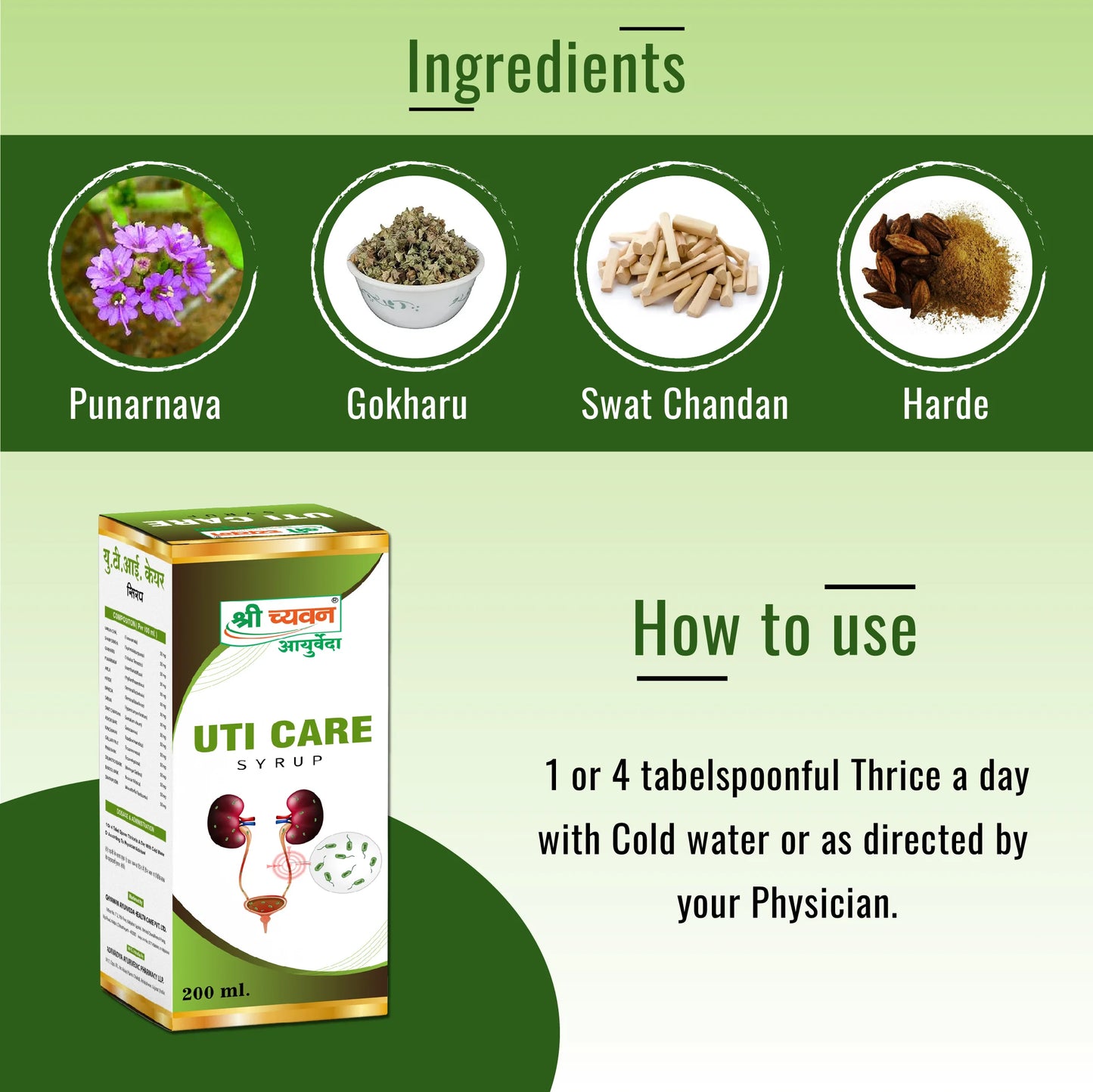
Punarnava
Punarnava is traditionally used in Ayurveda for several wellness purposes and may be included in formulations designed to support overall metabolic health.
The presence of a traditional herb in a product does not automatically mean that the product is appropriate for every person. Herbal products can have side effects or interact with medicines, so professional advice is important, particularly for people with existing liver disease.

Ayurvedic Treatment for Fatty Liver
Interest in Ayurvedic Treatment for Fatty Liver has increased as people seek holistic approaches to managing lifestyle-related health concerns.
However, fatty liver management should not rely on a single medicine. Healthy weight management, regular physical activity, balanced nutrition, and appropriate medical evaluation are important components of care.
For people who are overweight or have obesity, gradual weight loss can reduce liver fat. Regular physical activity can also provide benefits even when significant weight loss does not occur.
An Ayurvedic wellness plan may complement these measures by emphasizing balanced meals, digestive health, regular routines, yoga, meditation, and appropriately selected traditional formulations.
Fatty Liver Ayurvedic Treatment and Lifestyle Changes
Lifestyle is particularly important when managing fatty liver.
1. Maintain a Healthy Weight
If you are overweight, gradual and sustainable weight loss can support metabolic and liver health. Avoid crash diets and rapid weight-loss programs.
2. Exercise Regularly
Walking, cycling, swimming, yoga, or other suitable physical activities can be incorporated into your routine. Aim for consistent activity rather than occasional intense workouts.
3. Reduce Added Sugar
Limit sugary beverages, sweets, and foods containing large amounts of added sugar.
4. Choose Balanced Meals
Include vegetables, pulses, whole grains, fruits in suitable portions, nuts, seeds, and other nutrient-rich foods.
5. Limit Highly Processed Foods
Frequent consumption of deep-fried and highly processed foods can make healthy weight and metabolic management more difficult.
Ayurvedic Liver Care Through Diet
Traditional Indian diets can provide many nutritious options for liver wellness when meals are balanced and portions are appropriate.
Consider including:
- Seasonal vegetables
- Green leafy vegetables
- Dal and legumes
- Whole grains
- Fresh fruits
- Nuts and seeds in moderation
- Adequate water
Try to reduce:
- Sugary drinks
- Excess sweets
- Deep-fried foods
- Highly processed snacks
- Excess saturated and trans fats
- Excess alcohol
A healthy diet should be personalized according to individual nutritional needs and medical conditions.
Yoga and Stress Management for Liver Wellness
Stress does not directly cause every liver disease, but managing stress is an important part of a healthy lifestyle.
Yoga, meditation, breathing exercises, and mindfulness can support relaxation and overall well-being. Combining these practices with regular physical activity can make a healthy routine easier to maintain.

Ayurvedic Treatment for Liver Disorders
Ayurvedic Treatment for Liver Disorders should always depend on the underlying condition.
Liver problems can have many causes, including viral infections, metabolic disorders, alcohol-related damage, autoimmune conditions, medication-related injury, and other diseases. Treatment therefore needs to be based on an accurate diagnosis.
For example, fatty liver and cirrhosis are not the same condition and should not be managed in exactly the same way.
If you have been diagnosed with a liver disorder, discuss any Ayurvedic or herbal treatment with your doctor and a qualified Ayurvedic practitioner. This is especially important if you are already taking prescription medicines.
Can Liver Detox Improve Liver Health?
"Liver detox" is commonly used in wellness marketing, but the liver itself is naturally involved in processing substances in the body.
Instead of depending on extreme detox diets, prolonged fasting, or unverified herbal mixtures, focus on sustainable habits:
- Eat a balanced diet
- Exercise regularly
- Maintain a healthy weight
- Get sufficient sleep
- Avoid excessive alcohol
- Take medicines only as recommended
- Have appropriate health check-ups
These measures provide a more practical foundation for long-term liver wellness.
Conclusion
Ayurveda offers a holistic approach that emphasizes balanced nutrition, healthy digestion, regular routines, physical activity, stress management, and traditional herbal support.
For people searching for Ayurvedic Treatment for Liver, it is important to understand that liver health depends on several factors rather than one medicine.