
The liver plays an important role in digestion, metabolism, nutrient processing and the body's natural waste management processes. With changing food habits, sedentary routines, obesity, diabetes, alcohol consumption and other lifestyle factors, concerns related to liver health are becoming increasingly common in India.
Because of this, many people search for Ayurveda as part of a natural approach to maintaining liver wellness. However, choosing an Ayurvedic product should not be based only on marketing claims or the promise of quick results.
A better approach is to understand your liver condition, consider your overall health, review the ingredients and seek appropriate professional guidance before starting any formulation.
Why Liver Health Needs Special Attention
The liver performs several essential functions in the body. It helps process nutrients, produces bile for digestion, stores certain nutrients and metabolizes many substances.
Some common conditions associated with liver health include fatty liver, alcohol related liver disease, viral hepatitis, liver inflammation and cirrhosis. Fatty liver can also be associated with metabolic conditions such as obesity, diabetes and abnormal cholesterol levels.
One important point is that liver disease may not always produce obvious symptoms during its early stages. Therefore, symptoms alone should not be used to determine whether someone needs an Ayurvedic medicine for liver health.
If liver enzymes are elevated or a scan has identified fatty liver, the underlying cause should be discussed with a qualified healthcare professional.
What Ayurveda Says About Liver Care
Traditional Ayurveda approaches liver wellness through a combination of diet, daily routine, digestion support, lifestyle practices and selected herbal formulations.
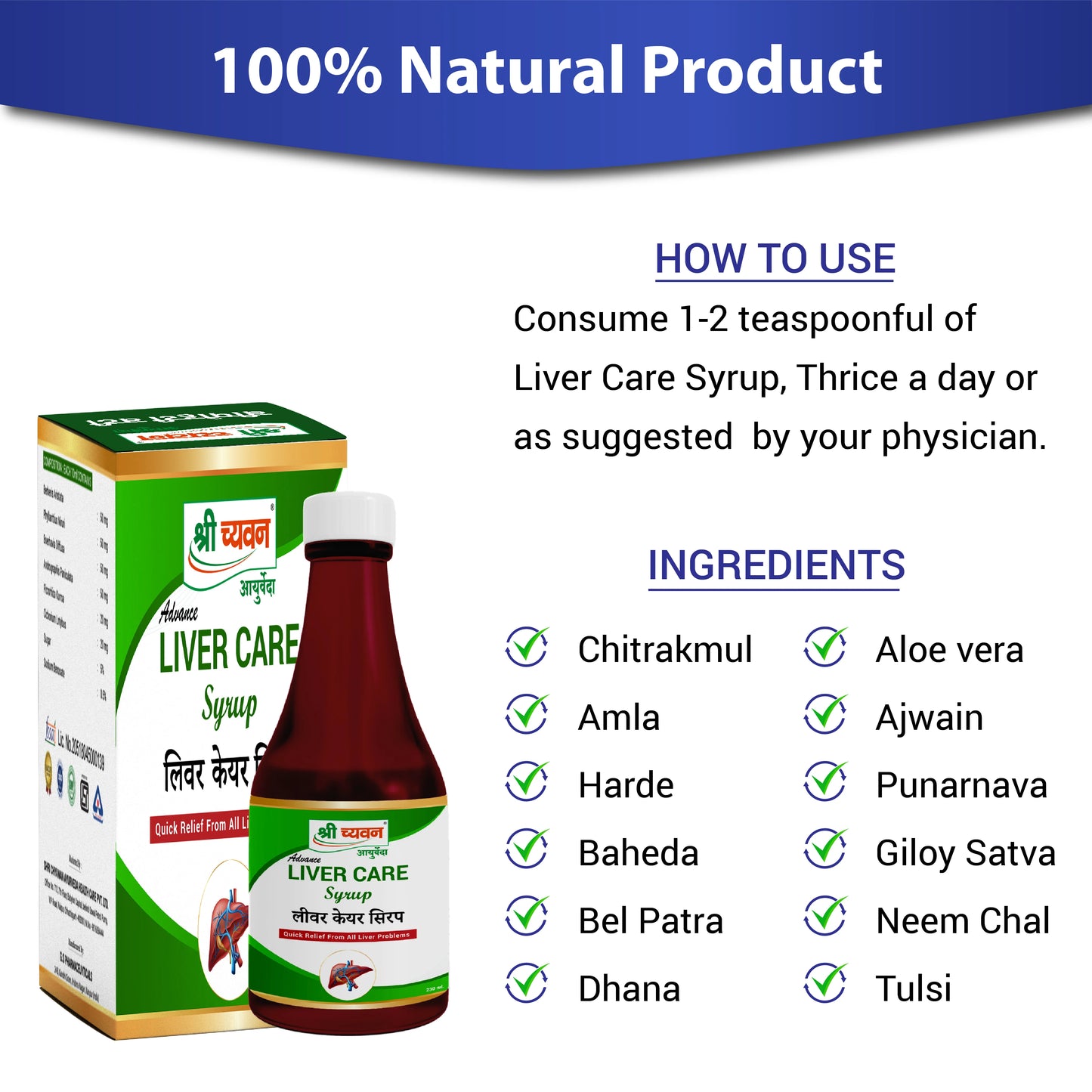
From an Ayurvedic perspective, liver related concerns may be considered in the context of dosha balance and digestive health. Traditional herbs used in Ayurvedic formulations can include ingredients such as Kutki, Turmeric, Amla, Aloe Vera and other botanicals.
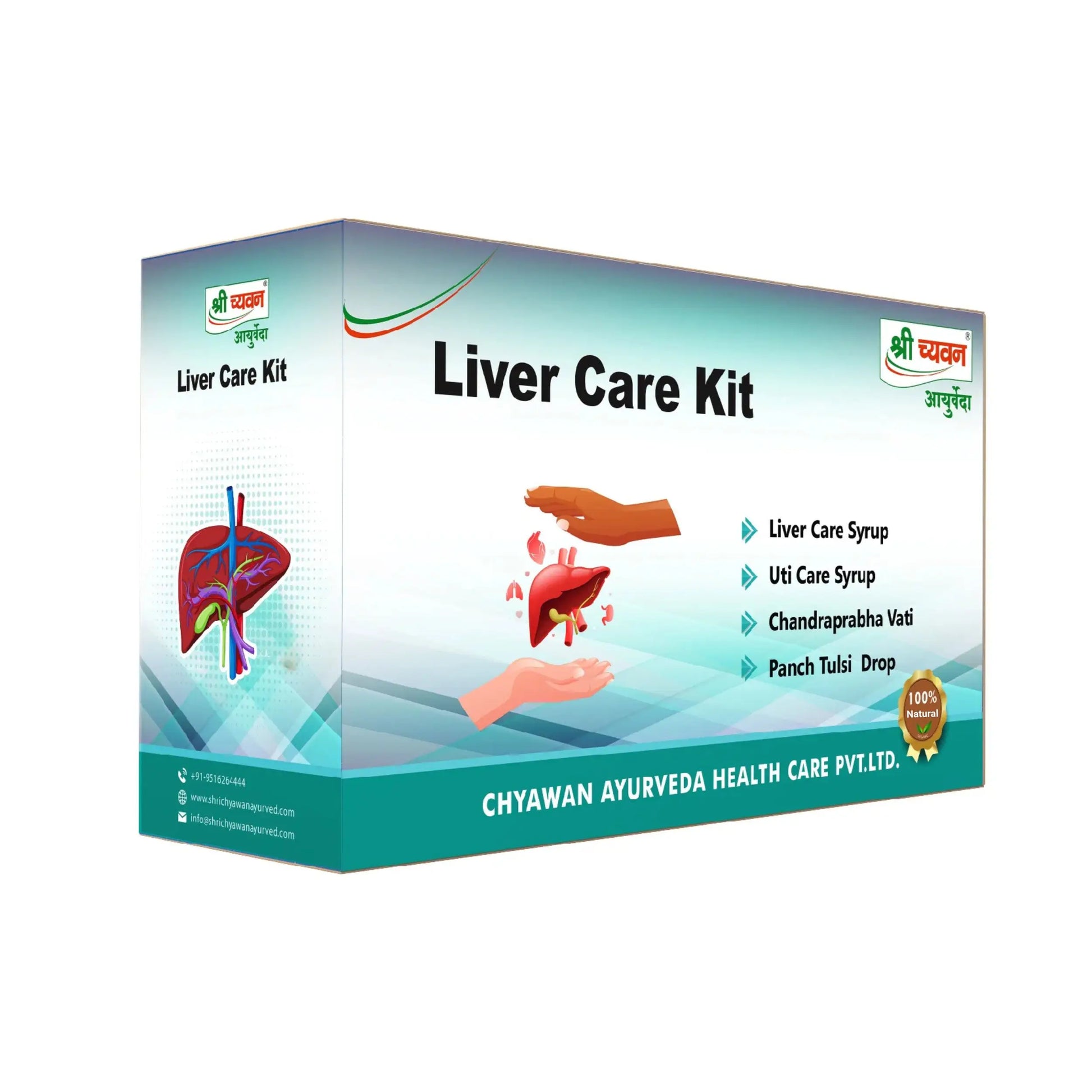
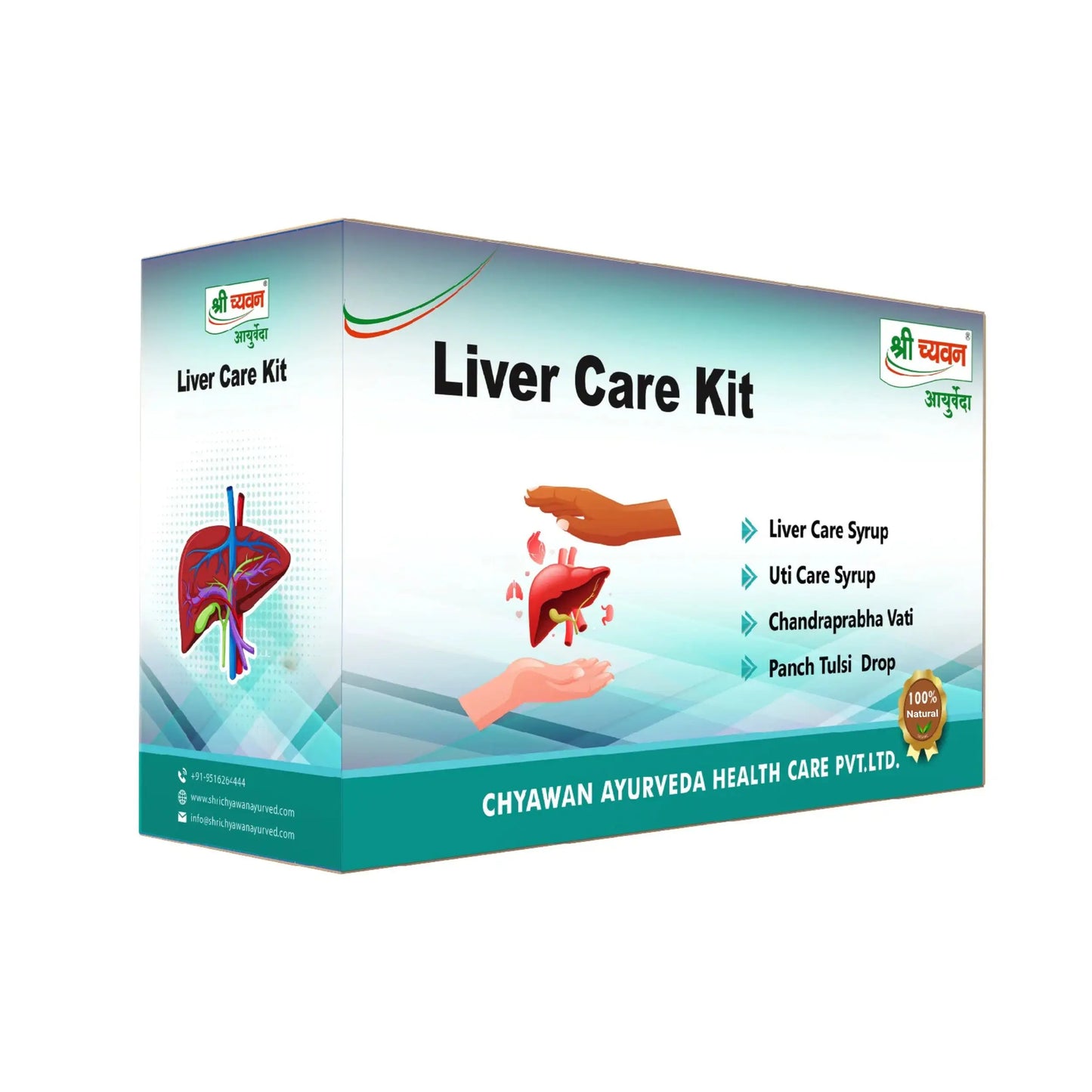
The Shrichyawan Ayurveda liver collection similarly presents liver care as a combination of herbal formulations, dietary changes, lifestyle measures and traditional Ayurvedic approaches.
However, the right formulation depends on the individual's condition. An herbal product designed for general wellness should not automatically be considered appropriate for someone with diagnosed liver disease.
How to Choose Ayurvedic Medicine for Liver Problems
When searching online for Ayurvedic medicine for liver, consumers can find tablets, capsules, syrups, powders and combination formulations. Instead of simply searching for the “best” product, consider several important factors.
Check the Ingredient List
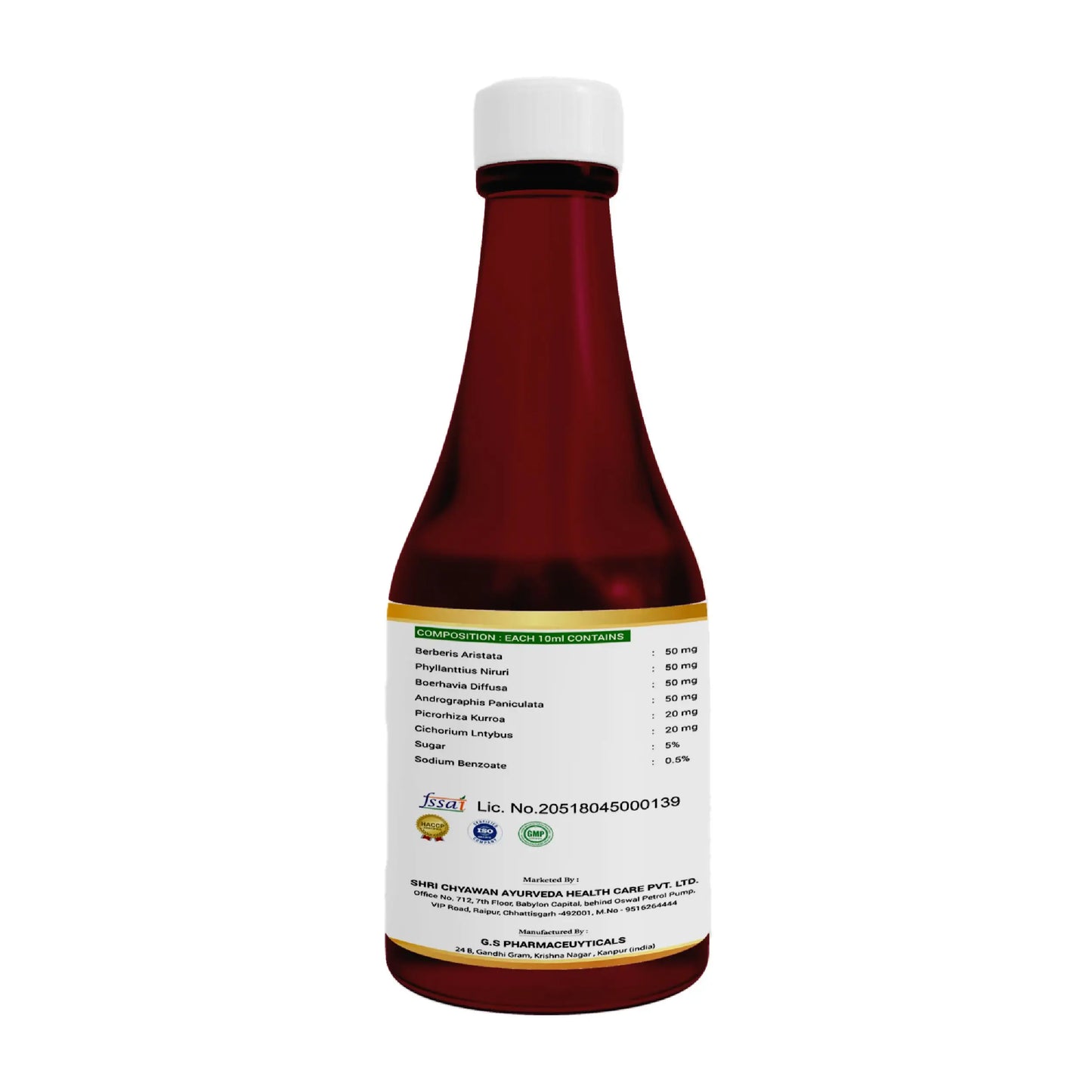
Always read the complete ingredient list before purchasing an Ayurvedic product. Understand which herbs are included and whether you have any known allergies or sensitivities.
A formulation containing multiple herbs may have a different purpose from a single herb preparation.
Understand the Intended Use
A liver wellness product, digestive formulation and product marketed for fatty liver may not serve the same purpose.
Look for clear information about the intended use, directions and recommended dosage rather than relying solely on promotional statements.
Consider Product Quality
Choose products from established manufacturers that provide transparent information about ingredients, manufacturing and usage instructions.
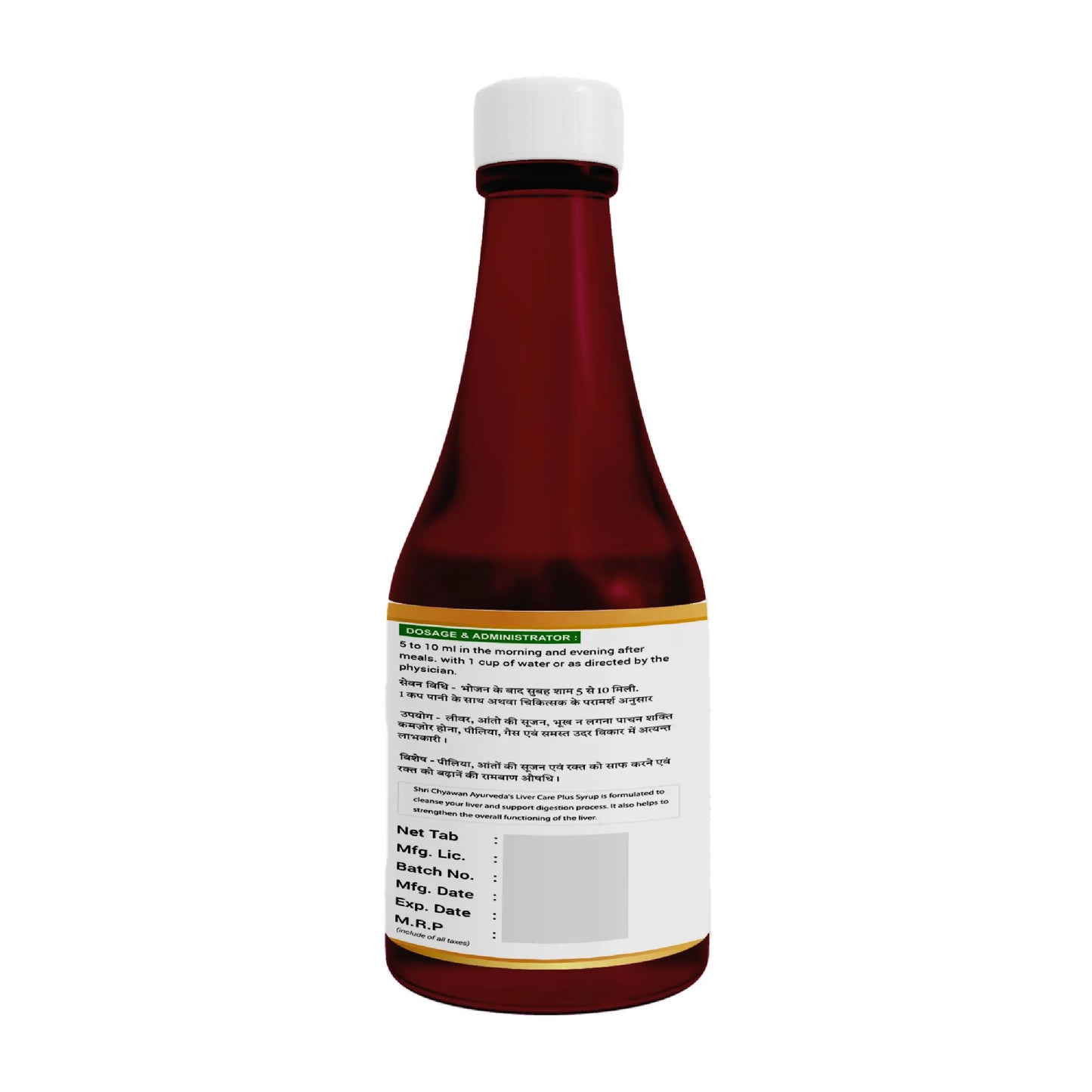
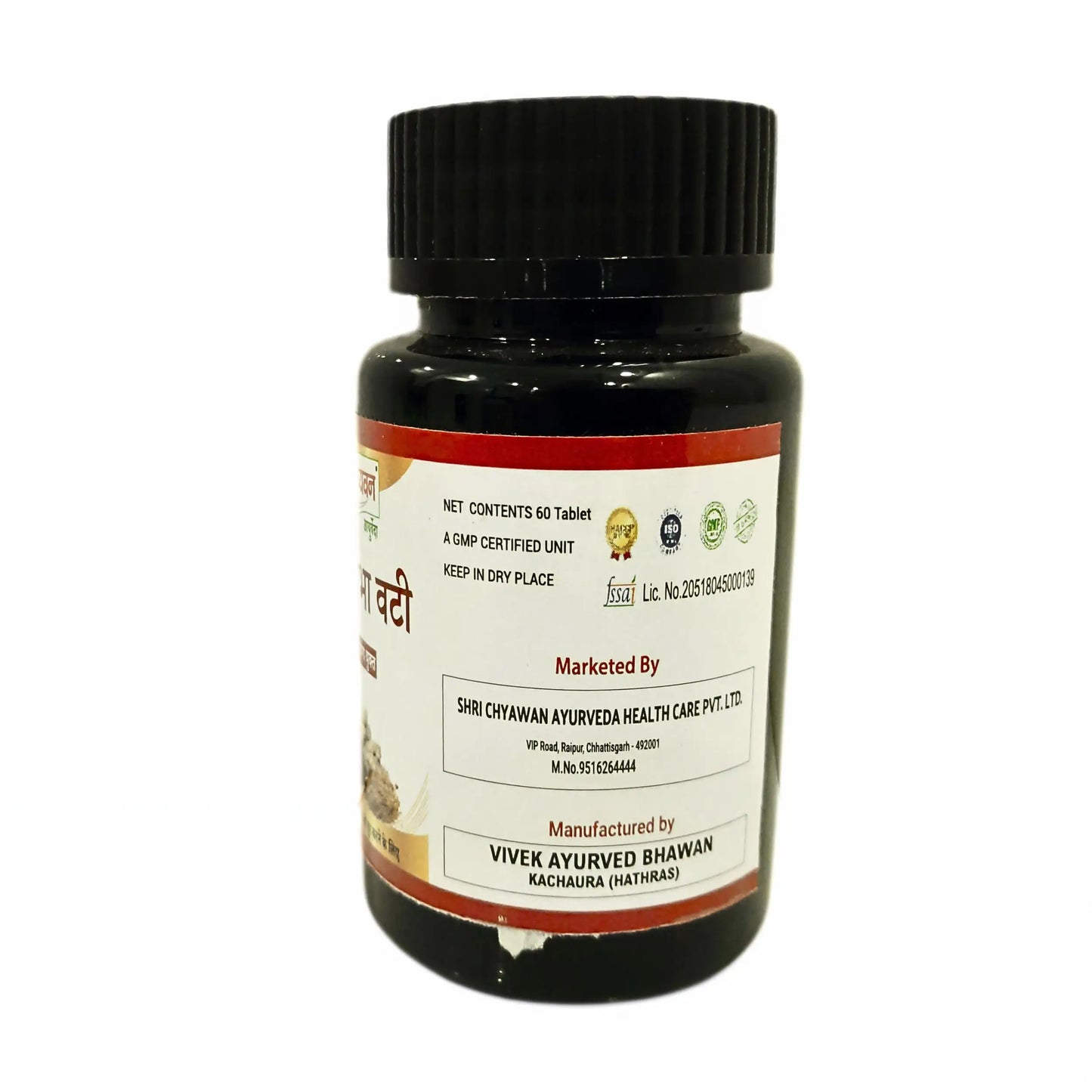
The Shrichyawan Ayurveda liver collection currently includes products such as a liver care syrup and an Ayurvedic formulation positioned for fatty liver and liver cirrhosis.
Consult a Professional
If you have abnormal liver tests, diagnosed fatty liver, hepatitis, cirrhosis or another liver condition, discuss any herbal product with your doctor or qualified Ayurvedic practitioner.
This is particularly important if you are already taking prescription medicines.

Ayurvedic Medicine for Fatty Liver Grade 1
Fatty liver is commonly identified through imaging or other medical evaluation. Grade 1 fatty liver generally refers to a mild degree of fat accumulation identified on imaging.
People searching for Ayurvedic medicine for fatty liver grade 1 should understand that the foundation of management is not simply taking a tablet or syrup.
Healthy weight management, regular physical activity, nutritious food choices, good sleep and management of conditions such as diabetes and high cholesterol can be important components of liver care.
An Ayurvedic formulation may be considered as complementary support when appropriate, but it should not replace lifestyle measures or professional medical advice.
Ayurvedic Medicine for Fatty Liver Grade 2
Grade 2 fatty liver indicates a greater degree of fat accumulation than grade 1. It deserves appropriate medical attention, particularly when accompanied by obesity, diabetes, abnormal liver enzymes or other metabolic risk factors.
People searching for Ayurvedic medicine for fatty liver grade 2 should avoid self-treatment based solely on online recommendations.
A qualified healthcare professional can help determine the underlying cause and whether additional tests or treatment are required. Ayurvedic care may be considered alongside appropriate medical management when it is safe and professionally supervised.
Can Ayurvedic Medicine Support Liver Health?
Ayurvedic formulations are traditionally used to support different aspects of wellness, including digestion and general liver care. Certain herbs have also been studied for their potential biological effects.
However, “natural” does not automatically mean suitable for every person. Herbal products can have side effects or interact with medicines.
Therefore, Ayurvedic medicine for liver health should be selected carefully, particularly for people with an existing liver or kidney condition.
The objective should be responsible long term liver care rather than expecting a single product to “clean” or “repair” the liver overnight.
What About Ayurvedic Medicine for Liver and Kidney?
The liver and kidneys perform different but interconnected roles in maintaining the body's internal environment. This is why some people search for Ayurvedic medicine for liver and kidney when looking for general organ wellness.
However, liver and kidney disorders can have very different causes. A formulation that may be appropriate for one person may not be suitable for someone with impaired kidney function.
There is therefore no universal Ayurvedic medicine can be considered the best option for everyone.
If you have kidney disease, abnormal kidney function tests or are taking medicines for blood pressure, diabetes or another chronic condition, professional guidance is particularly important before taking herbal supplements.

Lifestyle Practices for Better Liver Care
Liver care Ayurveda is not limited to herbal formulations. Traditional wellness approaches also emphasize daily routine and healthy habits.
Regular physical activity can support metabolic health and weight management. Walking, cycling, swimming, yoga and strength exercises can be incorporated according to individual fitness levels and medical advice.
Adequate sleep and stress management are also valuable. Practising yoga, meditation or breathing exercises may help establish a more balanced daily routine.
The goal should be consistency rather than searching for a quick detox solution.
Conclusion
Choosing an Ayurvedic medicine for liver problems requires more than selecting the product with the strongest marketing claim. Understanding your condition, checking ingredients, following healthy lifestyle habits and obtaining professional guidance can help you make a more informed decision.
Ayurveda for liver care may be incorporated into a broader wellness plan through traditional herbal formulations, appropriate dietary practices and lifestyle management.
Disclaimer: This article is intended for general educational purposes and does not replace medical diagnosis or treatment. If you have abnormal liver tests, fatty liver, hepatitis, cirrhosis, kidney disease or persistent symptoms, consult a qualified healthcare professional before starting any Ayurvedic medicine or herbal supplement.