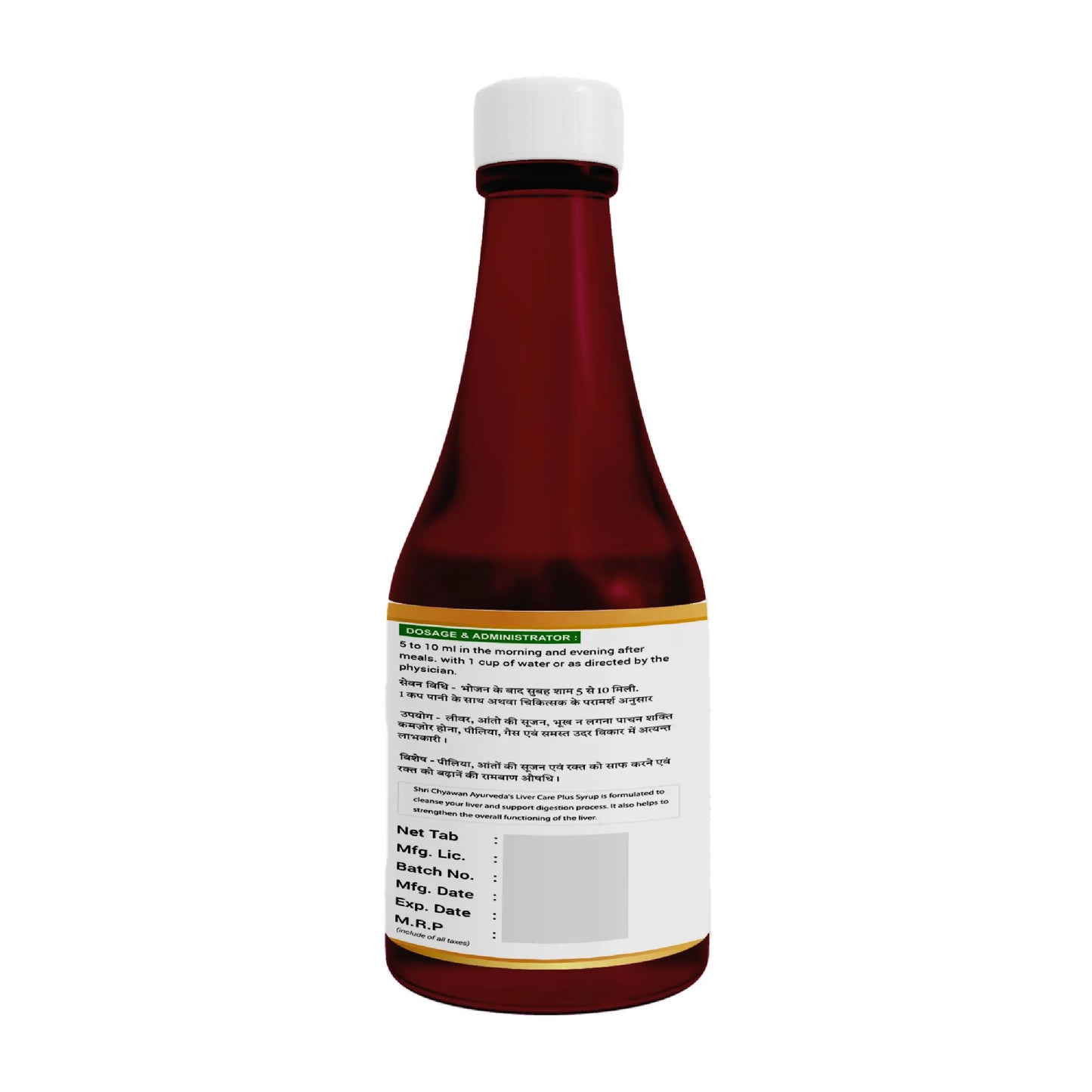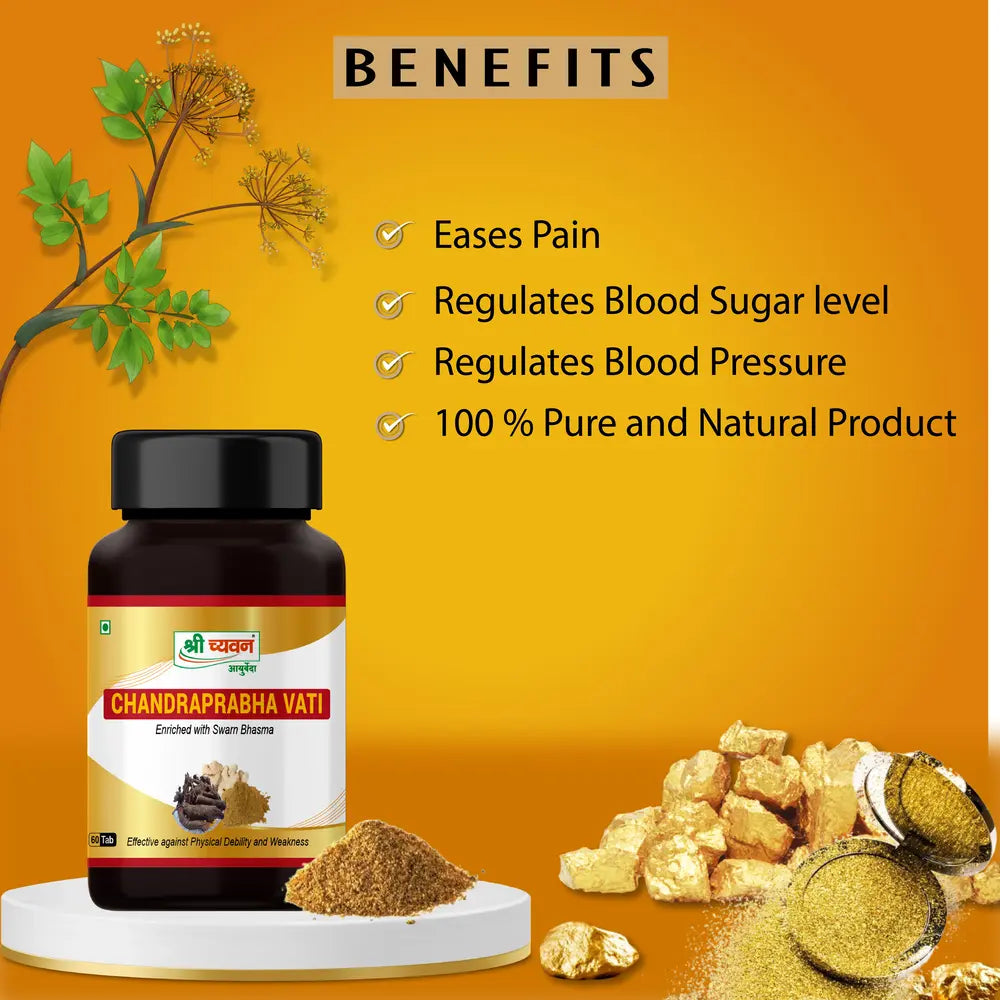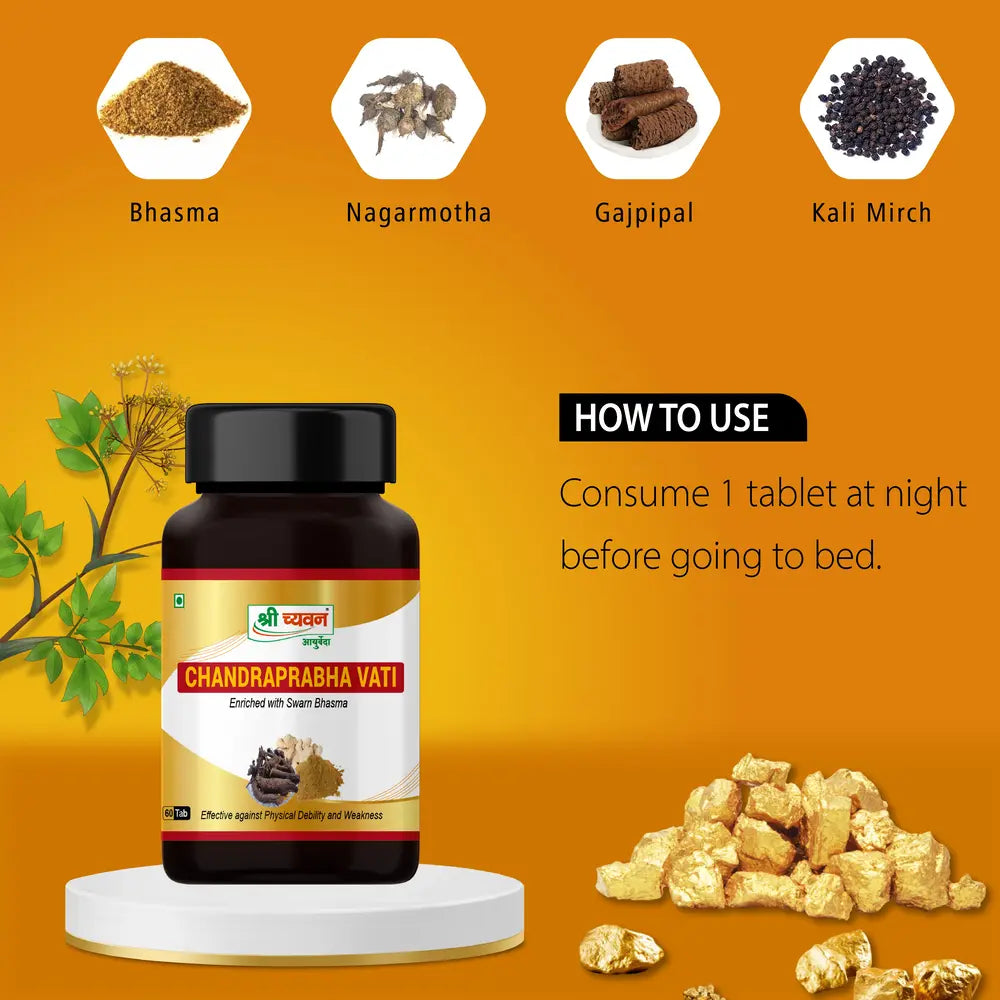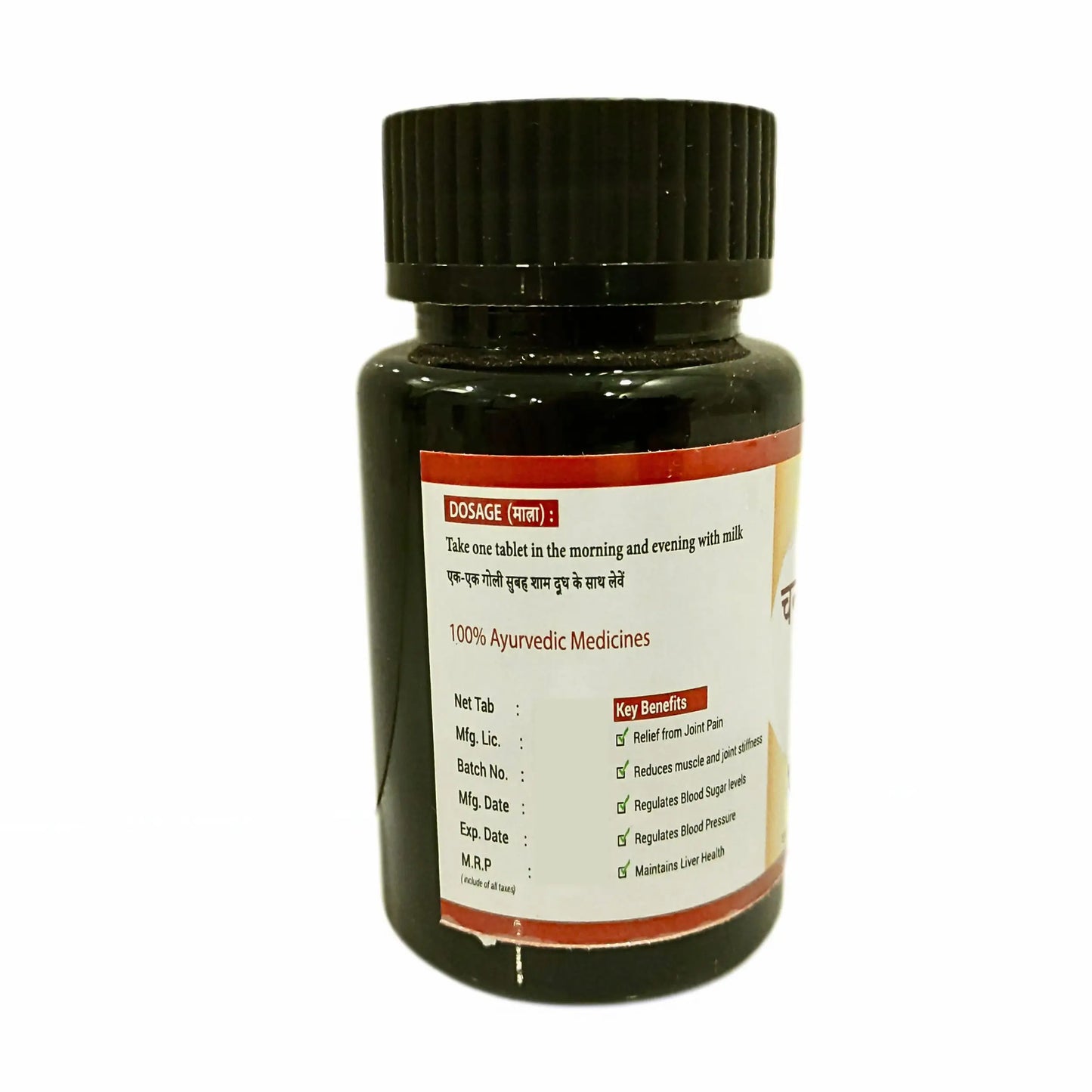

The liver is an essential organ that performs several important functions related to digestion, metabolism, nutrient processing and the body's natural waste management processes. Modern lifestyle habits such as excessive consumption of processed foods, physical inactivity, obesity, diabetes and alcohol use can increase the risk of liver related concerns.
As awareness about holistic wellness grows in India, many people are exploring Ayurveda. Ayurvedic liver care generally focuses on supporting overall well-being through traditional herbal formulations, balanced nutrition, daily routines and healthy lifestyle practices. However, selecting an Ayurvedic product should be done carefully, particularly when a person already has a diagnosed liver condition.
Why Is Liver Health Important?
The liver carries out many functions that are essential for normal health. It helps process nutrients obtained from food, produces bile that supports fat digestion, stores certain nutrients and metabolizes various substances.
Liver problems can range from mild fat accumulation to more serious conditions involving inflammation or scarring. Fatty liver is increasingly associated with metabolic risk factors such as obesity, type 2 diabetes and abnormal cholesterol levels.
One challenge with liver conditions is that they may not always cause noticeable symptoms in the early stages. A person may therefore have a liver concern without experiencing significant discomfort.
Regular health checkups can be useful for people who have risk factors or have previously been told that their liver tests are abnormal.
Understanding Ayurveda Liver Care
Ayurveda liver care takes a holistic approach rather than focusing only on a single symptom. Traditional Ayurvedic practices may consider digestion, diet, daily routine, physical activity and the use of selected herbs or formulations.
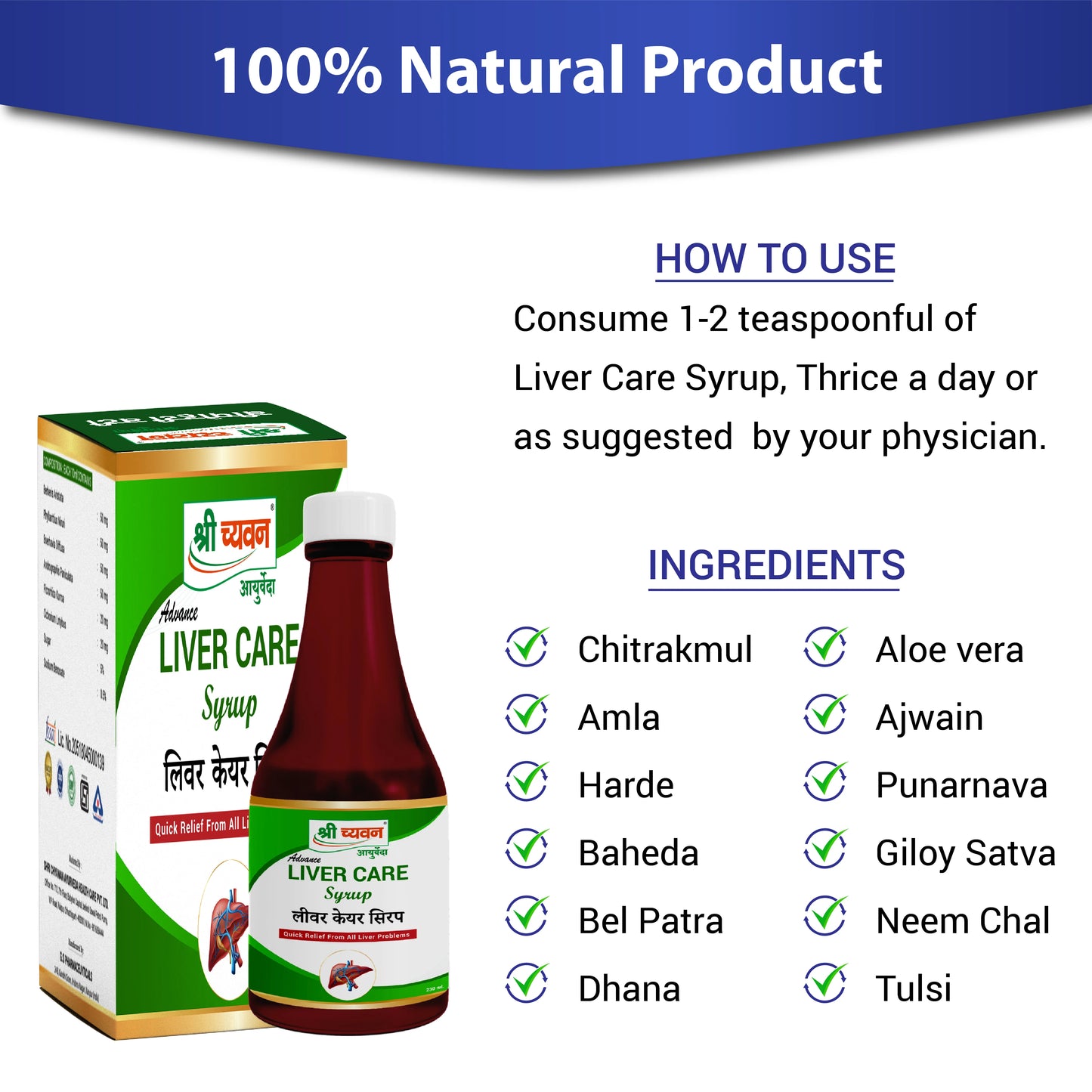
Several herbs are traditionally used in Ayurvedic preparations for digestive and liver wellness. Depending on the formulation, ingredients may include herbs such as turmeric, amla, kutki, guduchi, bhumi amla and other botanicals.
The purpose of using such formulations should be understood clearly. A product intended for general wellness is different from a medicine prescribed for a diagnosed liver disease.
Ayurvedic care may be considered as a complementary wellness approach, but it should not replace medical evaluation or treatment when a liver condition requires professional care.
Potential Benefits of Ayurvedic Liver Care
People considering ayurveda are often interested in the potential benefits of traditional approaches. These benefits should be understood as supportive rather than guaranteed medical outcomes.
Supports a Healthy Lifestyle
Ayurveda encourages attention to diet, daily routine, physical activity and overall balance. These habits can form an important foundation for maintaining general health.
Focuses on Digestive Wellness
Traditional Ayurvedic approaches often place considerable importance on digestion. A balanced diet and appropriate dietary routine may support digestive comfort and overall well-being.
Provides Traditional Herbal Support
Certain herbs have a long history of traditional use in Ayurveda. Depending on the formulation, herbal ingredients may be selected to support digestive or metabolic wellness.
Encourages Long Term Wellness
Instead of relying only on short-term solutions, Ayurvedic lifestyle practices can encourage consistent habits involving nutrition, sleep, exercise and stress management.
It is important to remember that traditional use does not automatically establish that a particular product can treat or cure a specific liver disease.

What to Consider Before Choosing Ayurvedic Medicine for Liver
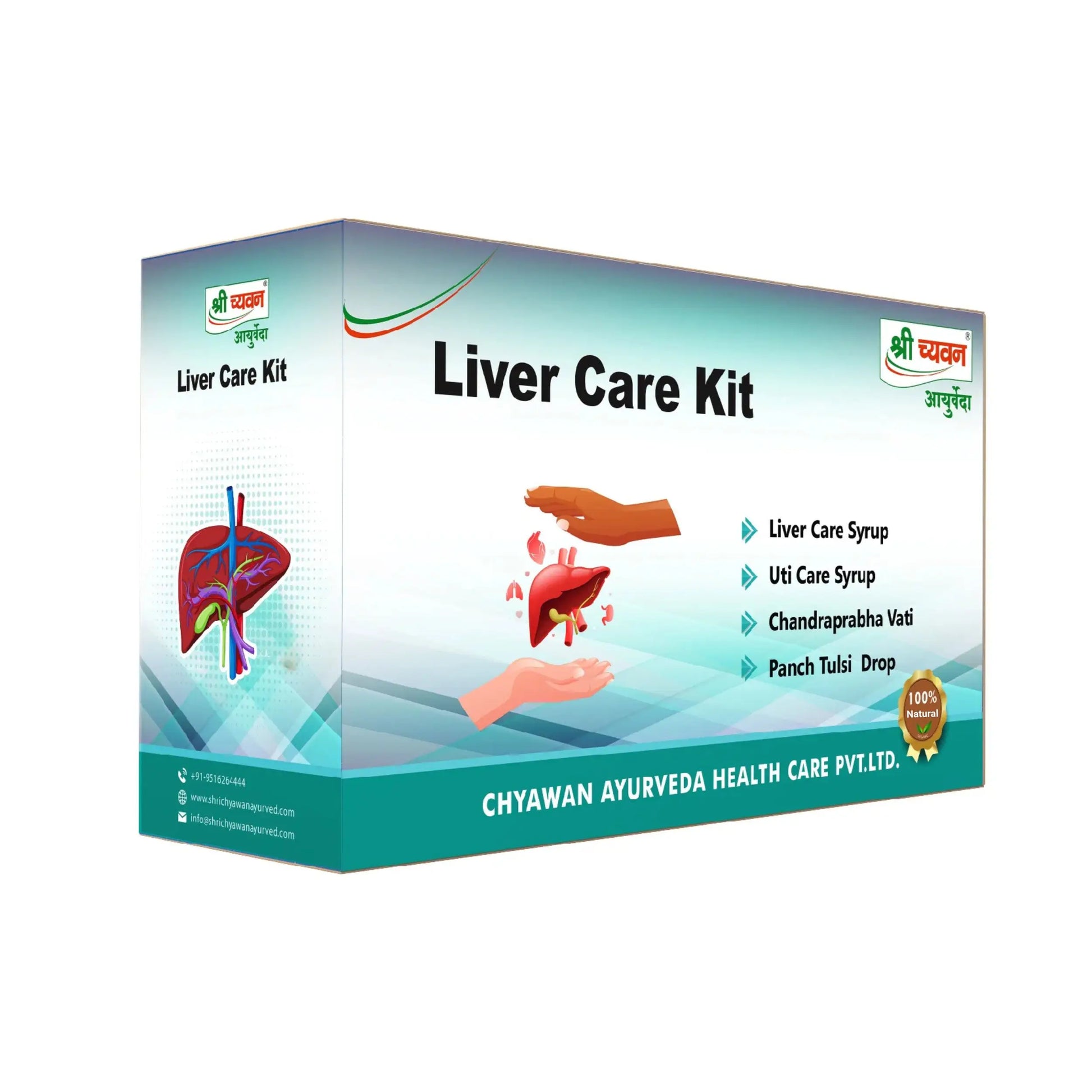
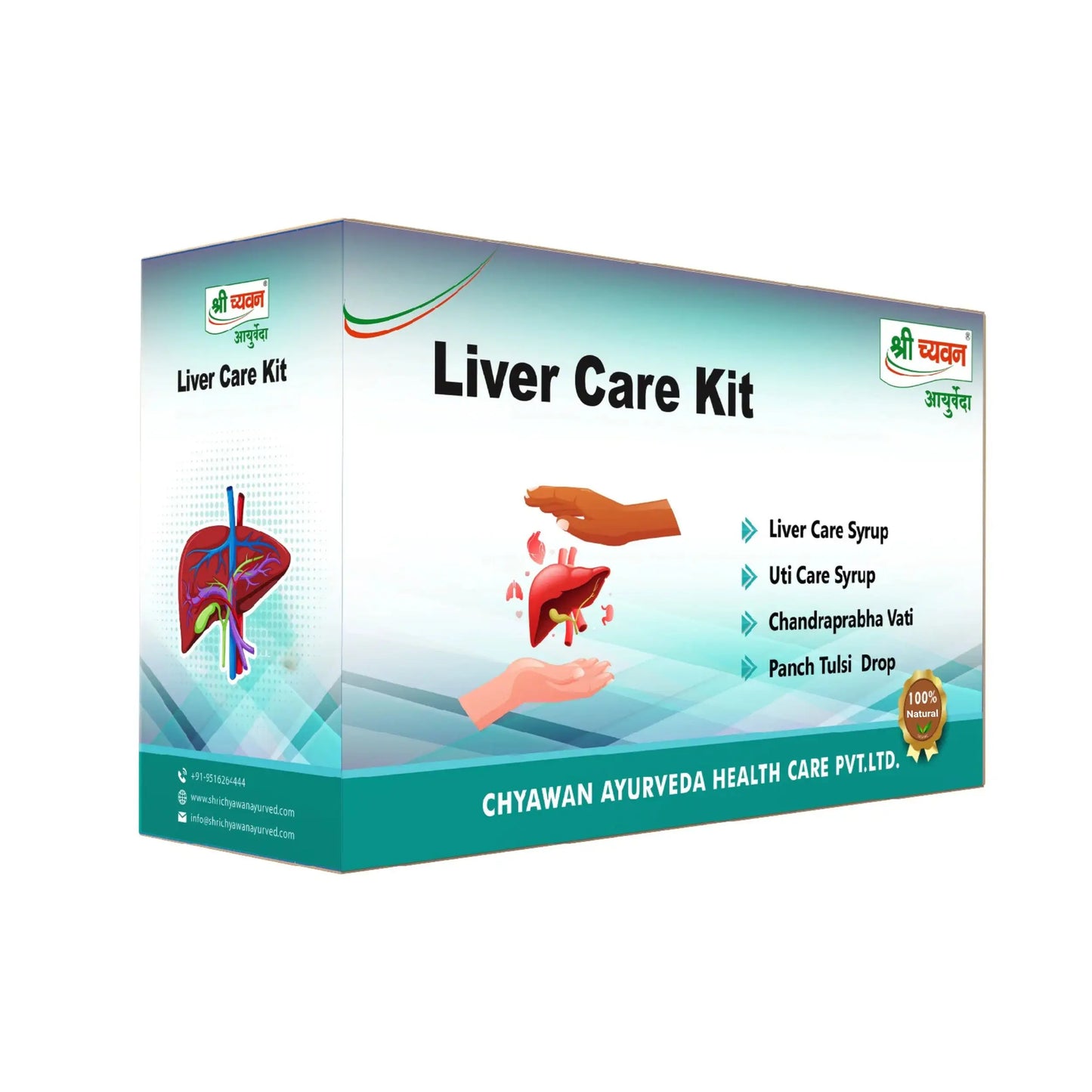
The search for the Ayurvedic Medicine for Liver can produce numerous products online. Rather than selecting a product solely because it is described as “best,” consider the following factors.
Identify Your Health Concern
First understand what you are trying to address. General liver wellness, fatty liver, abnormal liver enzymes and advanced liver disease are not the same.
If a scan or blood test has identified a liver problem, discuss the findings with a qualified healthcare professional.
Check the Ingredients
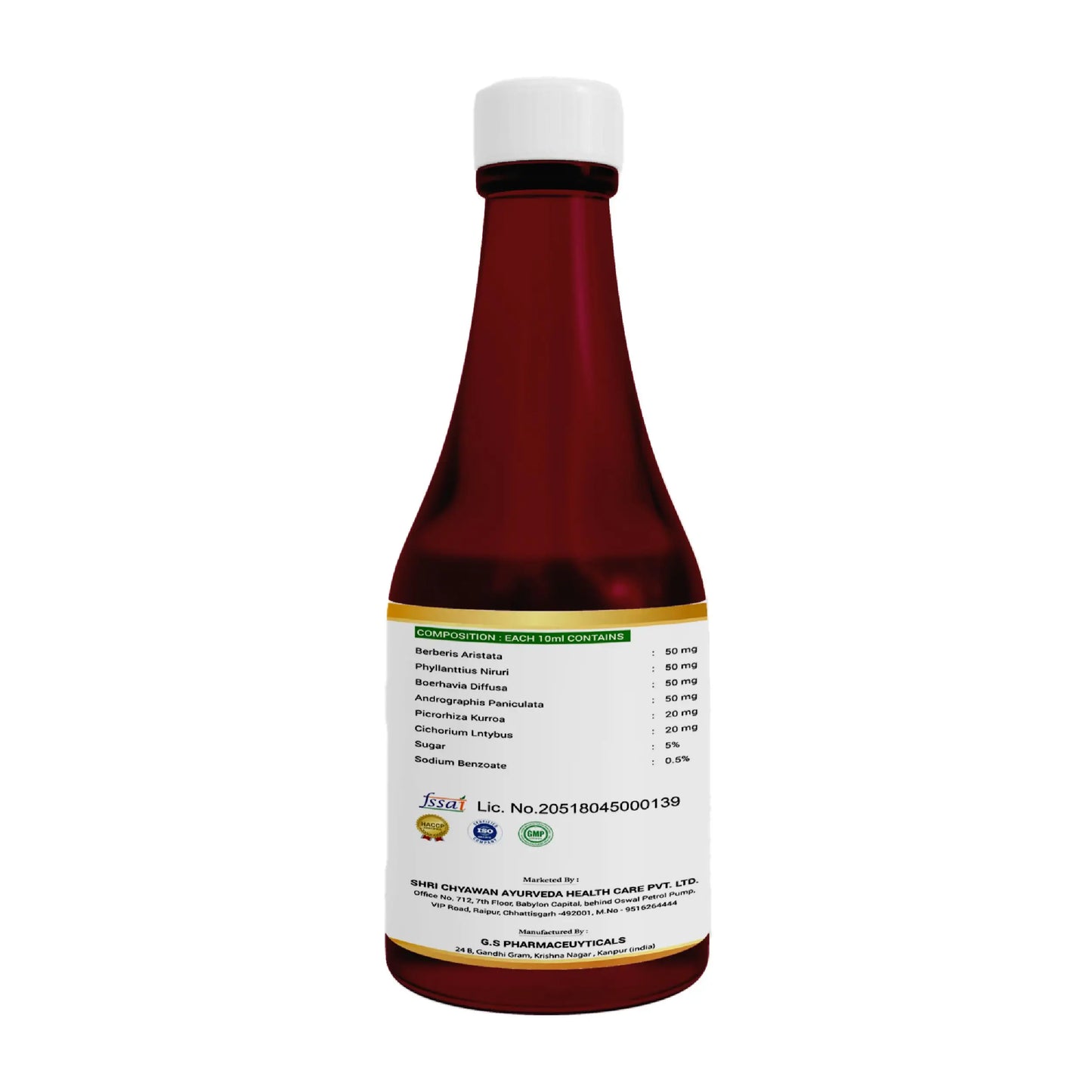
Read the complete ingredient list before purchasing an Ayurvedic formulation. Check the recommended quantity and directions for use.
If you are already taking prescription medicines, ask your doctor or qualified Ayurvedic practitioner whether the ingredients are appropriate for you.
Choose a Transparent Manufacturer
Look for a manufacturer that provides clear information about ingredients, usage instructions, product purpose and quality practices.
Avoid products that rely on exaggerated claims such as guaranteed cures, instant liver cleansing or permanent results without supporting evidence.
Follow the Recommended Dosage
More is not necessarily better. Taking excessive amounts of herbal products can increase the risk of unwanted effects.
Use a product according to the manufacturer's directions or the recommendation of a qualified professional.
Ayurvedic Medicine for Liver Health and Daily Habits
An Ayurvedic formulation should not be viewed as a replacement for healthy lifestyle habits.
For people concerned about liver health, practical daily habits can include eating more vegetables, pulses, legumes and whole grains while reducing excessive sugar, highly processed foods and deep fried foods.
Maintaining a healthy body weight is particularly relevant for people with metabolic risk factors. Regular physical activity can also support metabolic health.
Adults can generally work toward at least 150 minutes of moderate physical activity each week, depending on their health and fitness level.
Walking, cycling, swimming, yoga and strength exercises can all be considered according to individual circumstances.

Ayurvedic Medicine for Fatty Liver
Fatty liver occurs when excess fat accumulates in the liver. It can be associated with metabolic conditions and lifestyle factors.
People often search for Ayurvedic Medicine for fatty Liver or Ayurvedic solutions specifically for fatty liver. However, taking a product alone should not be considered the primary strategy for managing fatty liver.
Healthy eating, regular exercise, weight management and management of associated conditions such as diabetes and high cholesterol are important parts of overall care.
If fatty liver has been identified through an ultrasound or other examination, discuss the findings with a healthcare professional before starting any supplement or herbal formulation.
Can Ayurveda Support Liver Problems?
The answer depends on the underlying condition.
Traditional Ayurvedic approaches may be incorporated into a broader wellness plan for some individuals. However, conditions such as viral hepatitis, significant liver inflammation or cirrhosis require appropriate medical evaluation and management.
Cirrhosis involves permanent scarring of liver tissue and should not be described as something that can simply be cured with an Ayurvedic product.
Anyone with an established liver disease should inform their healthcare provider about herbal medicines and supplements they are considering.
Conclusion
Ayurveda can involve much more than taking a herbal formulation. Traditional approaches commonly emphasize balanced nutrition, healthy routines, digestive wellness and appropriate herbal support.
When considering Ayurvedic Medicine for Liver Problems, it is important to understand the underlying health concern and select products responsibly. For long-term Liver Health, combine informed product selection with nutritious food, regular physical activity, healthy weight management and appropriate medical monitoring.
Ayurvedic formulations may have a place as complementary support for some people, but they should not replace diagnosis or necessary medical treatment. If you have abnormal liver tests or a diagnosed liver condition, seek professional advice before beginning any herbal medicine or supplement.
Disclaimer: This content is intended for general educational purposes and is not a substitute for professional medical diagnosis, treatment or Ayurvedic consultation. Always seek appropriate healthcare advice for persistent symptoms or a diagnosed liver condition.