
The liver is one of the most important organs in the human body. It supports digestion, helps process nutrients, filters harmful substances from the blood, and plays a major role in metabolism. However, unhealthy eating habits, sedentary lifestyle, excessive alcohol consumption, obesity, diabetes, and certain medicines can affect liver health.
Many people are now exploring ayurveda as part of a healthier lifestyle. Ayurveda focuses on maintaining balance in the body through diet, daily routines, herbs, and personalized care. While Ayurvedic approaches may support general wellness, liver problems should never be ignored or treated without proper medical guidance.
This guide explains the role of ayurvedic medicine for common liver concerns, lifestyle habits, and important precautions to consider.
Understanding the Importance of Liver Health
The liver performs several essential functions, including:
- Supporting digestion and metabolism
- Processing nutrients from food
- Producing bile for fat digestion
- Helping regulate blood sugar and cholesterol
- Removing waste products from the body
- Supporting normal immune function
- Storing essential vitamins and minerals
When the liver is affected, a person may experience tiredness, poor appetite, digestive discomfort, nausea, or unexplained weight changes. In some cases, liver disease may not show noticeable symptoms during the early stages. Regular health checkups are therefore important, especially for people with diabetes, obesity, high cholesterol, or a family history of liver disease.
Common Liver Problems
Liver health can be affected by several conditions. Some common liver problems include:
Fatty Liver
Fatty liver occurs when excess fat accumulates in the liver. It is commonly associated with obesity, insulin resistance, diabetes, high cholesterol, and an unhealthy diet. Fatty liver may be related to alcohol consumption or may develop without alcohol use.
Liver Inflammation
Inflammation may occur due to infections, alcohol, certain medicines, autoimmune conditions, or metabolic problems. Persistent inflammation can affect normal liver function.
Liver Cirrhosis
Cirrhosis is advanced scarring of the liver. It can develop after long-term liver damage caused by conditions such as chronic hepatitis, alcohol-related liver disease, or metabolic liver disease. Cirrhosis requires ongoing medical care and should not be treated with self-prescribed herbal products.
Liver Function Imbalance
Abnormal liver function tests may indicate that the liver is under stress or affected by an underlying condition. A doctor may recommend blood tests, ultrasound, or other investigations to identify the cause.
The Role of Ayurveda for Liver Care
In Ayurveda, liver health is often discussed in relation to digestion, metabolism, and the balance of bodily functions. Traditional Ayurvedic care may include dietary changes, lifestyle management, yoga, and selected herbs.
The purpose of liver care Ayurveda is generally to support digestion, maintain healthy routines, and promote overall well-being. Ayurvedic treatment should be personalized according to an individual’s age, symptoms, medical history, existing medicines, and test results.
Ayurveda may be considered as a complementary approach, but it should not replace diagnosis or treatment recommended by a qualified medical professional.
Ayurvedic Medicine for Liver Health
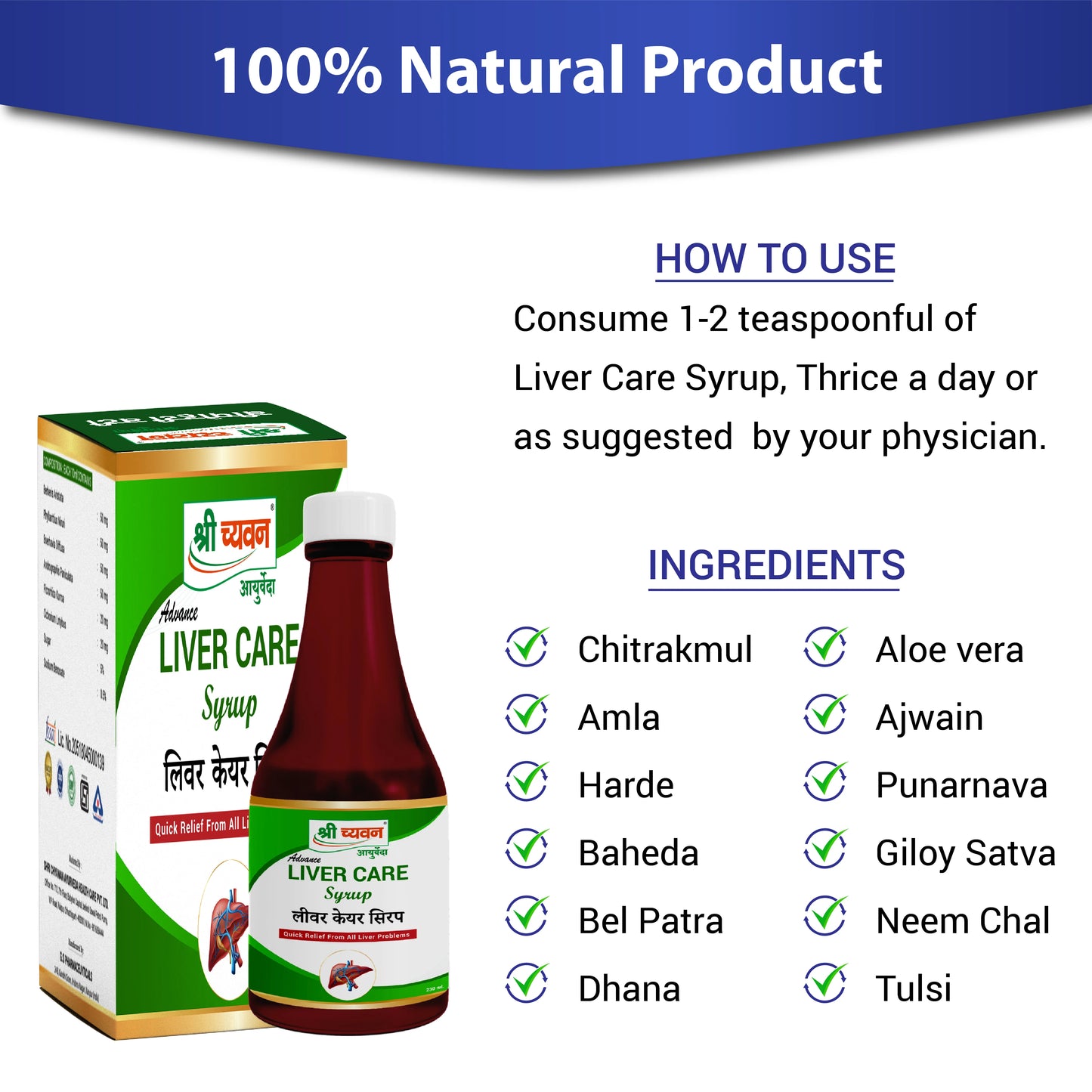
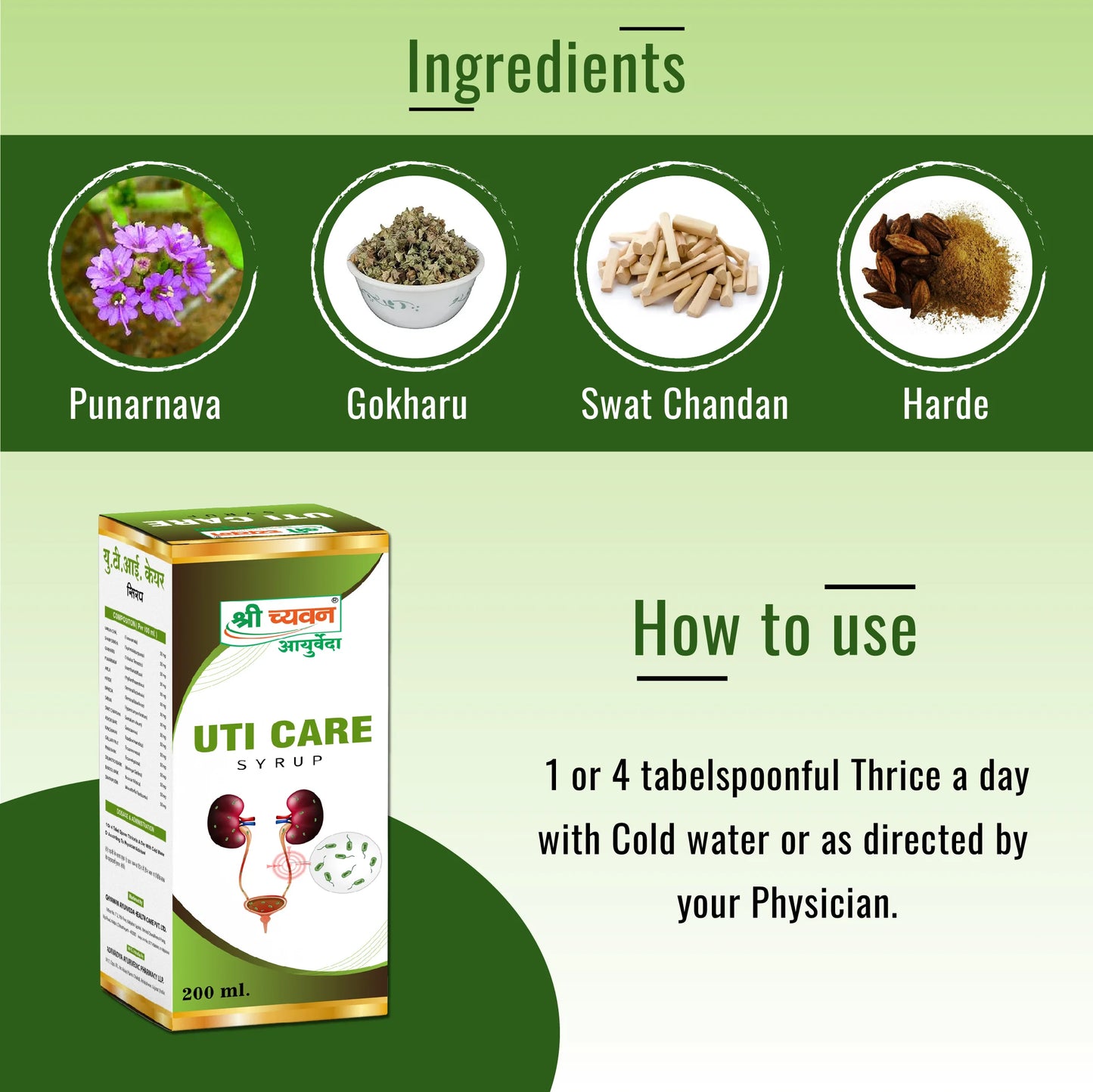
People searching for Ayurvedic medicine for liver health may come across tablets, capsules, powders, syrups, and herbal formulations. These products may contain traditionally used ingredients such as bhumi amla, kutki, kalmegh, guduchi, turmeric, or other herbs.
However, the suitability of an Ayurvedic formulation depends on the person’s health condition. A product that may be suitable for general wellness may not be appropriate for someone with cirrhosis, hepatitis, kidney disease, pregnancy, or multiple medical conditions.
Before choosing an Ayurvedic medicine for liver, consider the following:
- Consult a qualified Ayurvedic practitioner or healthcare professional.
- Check the ingredients and recommended dosage.
- Inform your doctor about all supplements and medicines you use.
- Avoid products that promise a guaranteed cure or instant liver detox.
- Do not stop prescribed medicines without medical advice.
- Choose products from reliable manufacturers with proper quality standards.

Ayurvedic Medicine for Liver Problems
The term Ayurvedic medicine for liver problems covers a wide range of concerns, including fatty liver, poor digestion, elevated liver enzymes, and general liver weakness. However, these conditions may have different causes and require different approaches.
For example, fatty liver associated with obesity and insulin resistance may improve through weight management, physical activity, and dietary changes. On the other hand, liver cirrhosis, viral hepatitis, or severe liver inflammation requires medical evaluation and condition-specific treatment.
Ayurvedic support may be used alongside medical care when considered safe by a healthcare professional. It should not be promoted as a replacement for diagnostic tests, antiviral treatment, diabetes management, or other necessary care.
Can Ayurvedic Syrups Support Liver Wellness?
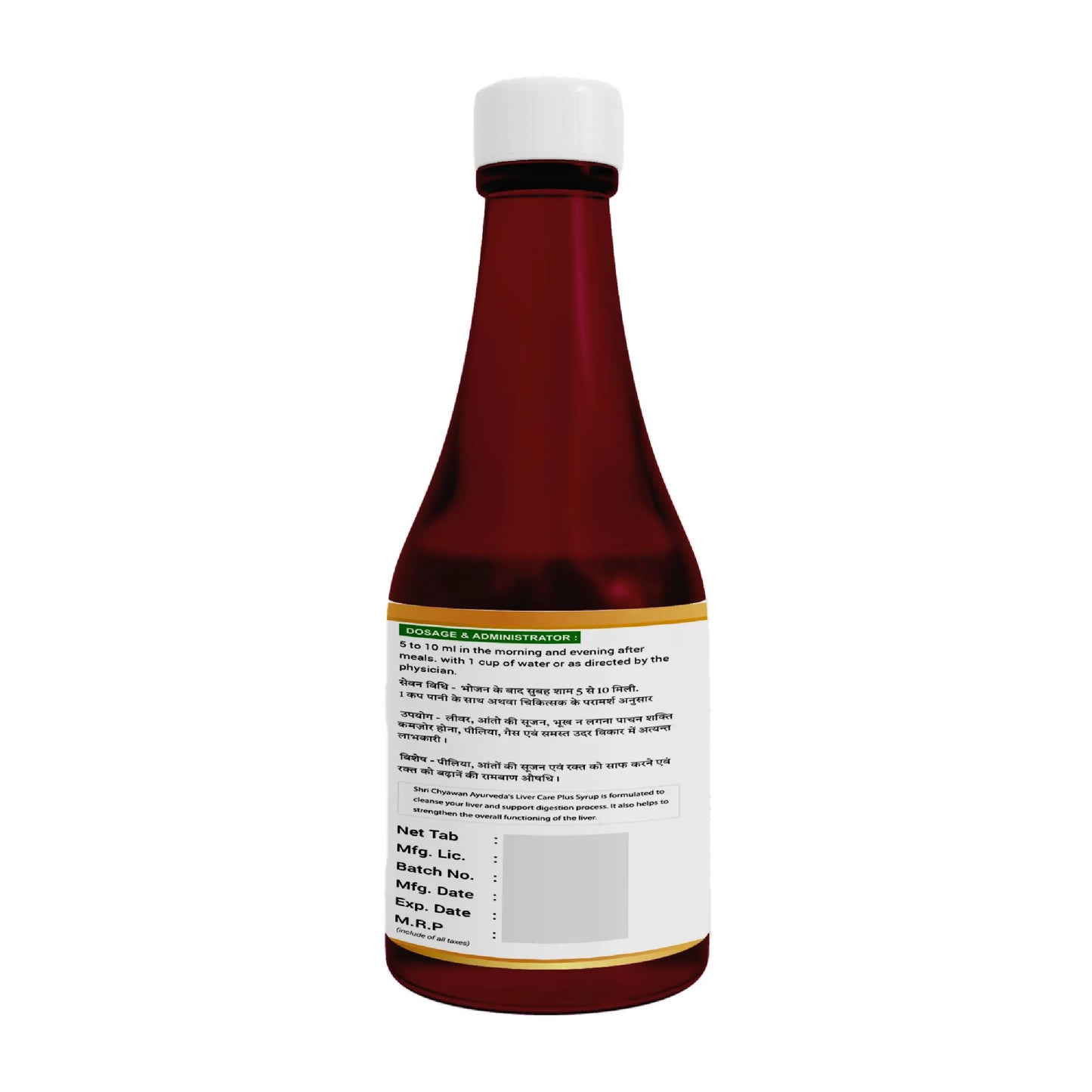
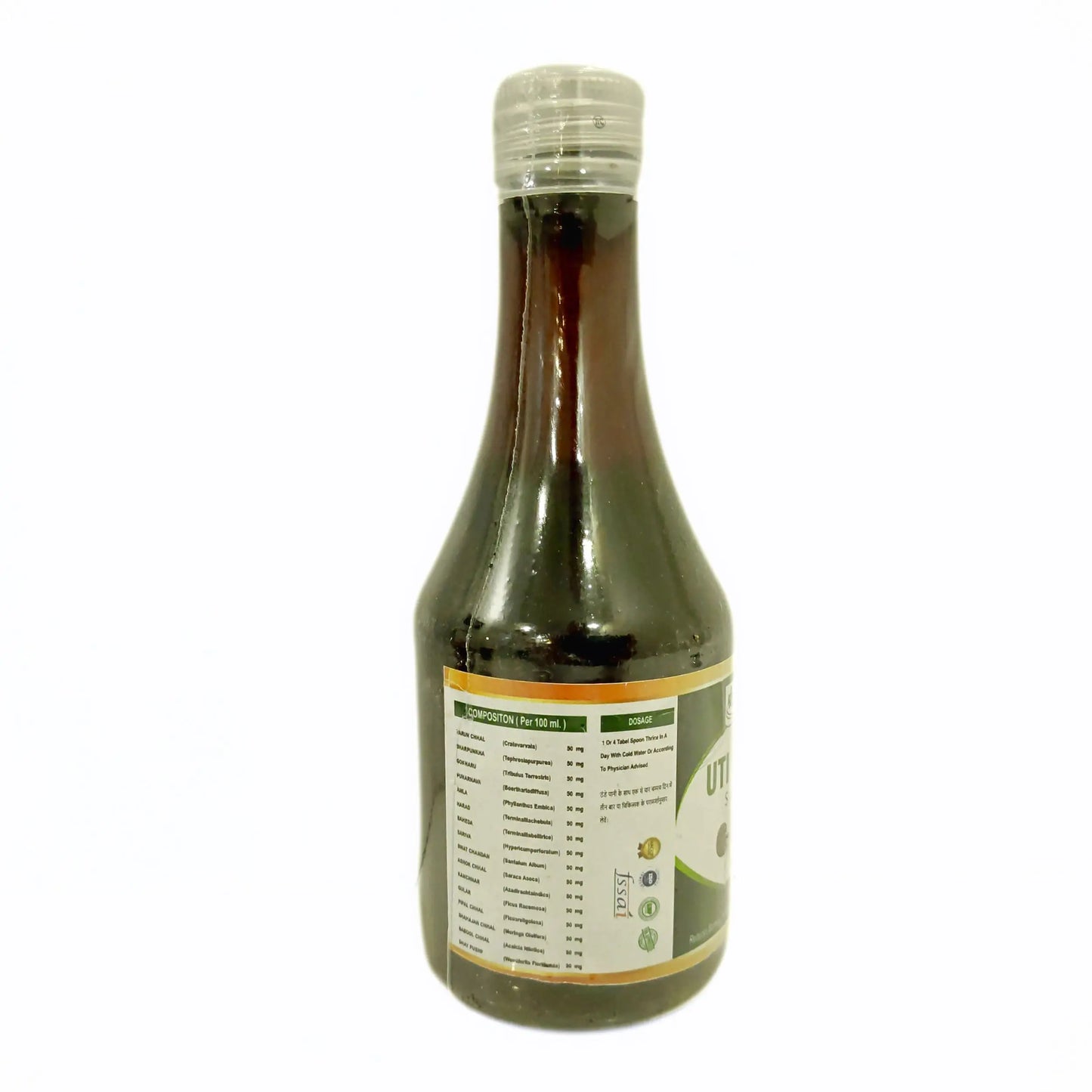
Ayurvedic liver syrups are commonly marketed for digestion, appetite, and liver wellness. Some formulations contain herbs traditionally used to support metabolic and digestive functions.
However, consumers should understand that the word “natural” does not automatically mean safe for everyone. Certain herbal ingredients may interact with medicines or may cause side effects, especially when taken in high doses or for long periods.
When considering an Ayurvedic liver syrup:
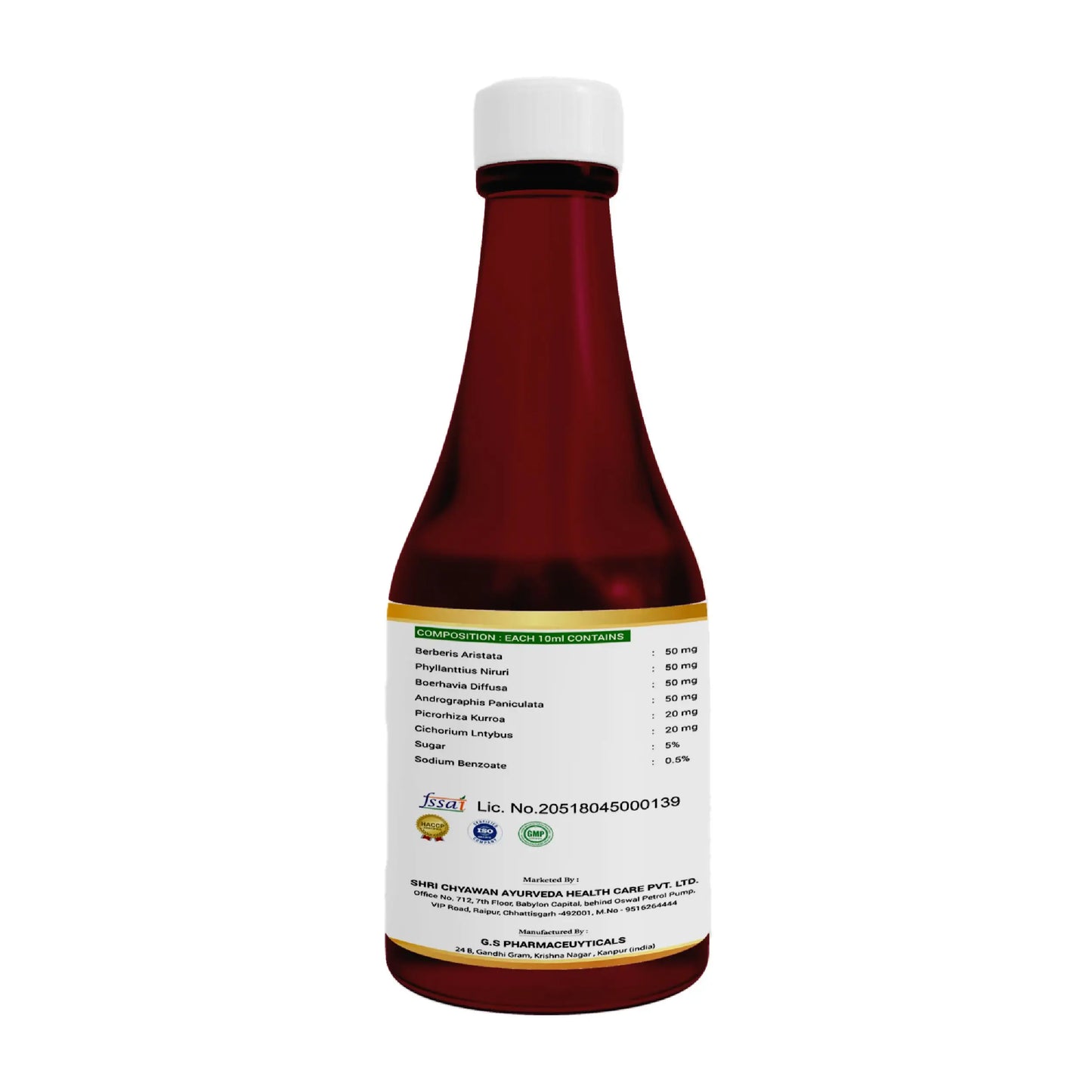
- Read the complete ingredient list.
- Follow the recommended dosage.
- Avoid combining multiple liver products without guidance.
- Do not use a syrup as a substitute for medical treatment.
- Seek professional advice if liver test results are abnormal.
Ayurvedic Medicine for Liver and Kidney Health
The liver and kidneys work together to support metabolism, waste removal, and fluid balance. People often search for Ayurvedic medicine for liver and kidney when they want to improve overall organ wellness.
However, liver and kidney problems are not always connected, and the treatment approach may differ significantly. A person with reduced kidney function may need to avoid certain herbs, minerals, or supplements. Some products that are tolerated by healthy individuals may be unsuitable for people with kidney disease.
Therefore, there is no single product that can be considered the best Ayurvedic medicine for liver and kidney health for everyone. Product selection should be based on medical history, laboratory reports, current medicines, and professional assessment.

Diet Tips for Better Liver Health
A healthy diet is one of the most important parts of liver care. Consider the following habits:
- Include fresh vegetables and seasonal fruits in your diet.
- Choose whole grains, pulses, beans, and other high-fibre foods.
- Prefer home-cooked meals over highly processed foods.
- Reduce sugary drinks, packaged juices, sweets, and bakery products.
- Limit fried foods and foods high in saturated fat.
- Maintain appropriate portion sizes.
- Drink enough water according to your health needs.
- Avoid excessive alcohol consumption.
- Reduce unnecessary use of over-the-counter medicines and supplements.
People with diabetes, obesity, or high cholesterol should follow a diet plan recommended by a qualified healthcare professional.
Conclusion
Choosing Ayurvedic medicine for liver health should be part of a careful and informed approach. Ayurveda may offer complementary support through traditional herbs, dietary practices, and lifestyle routines, but it should not replace medical diagnosis or prescribed treatment.
For fatty liver and other common liver concerns, healthy food choices, regular exercise, weight management, and routine health monitoring are essential. If you are considering Ayurvedic medicine for liver and kidney wellness, consult a qualified healthcare professional before starting any product.
Disclaimer: This article is intended for general information only. It does not replace medical diagnosis, treatment, or professional Ayurvedic consultation. Always seek medical advice for persistent symptoms or diagnosed liver and kidney conditions.