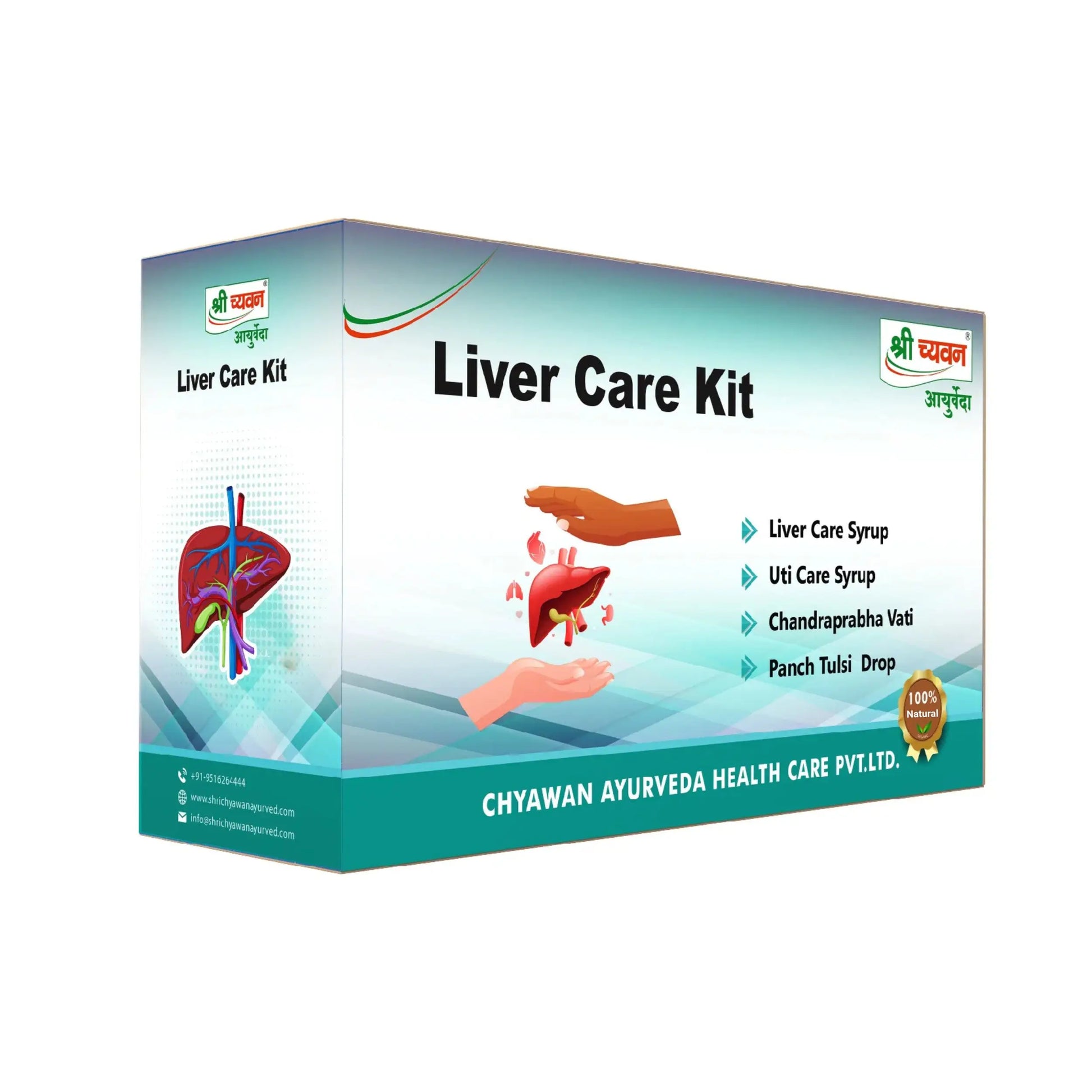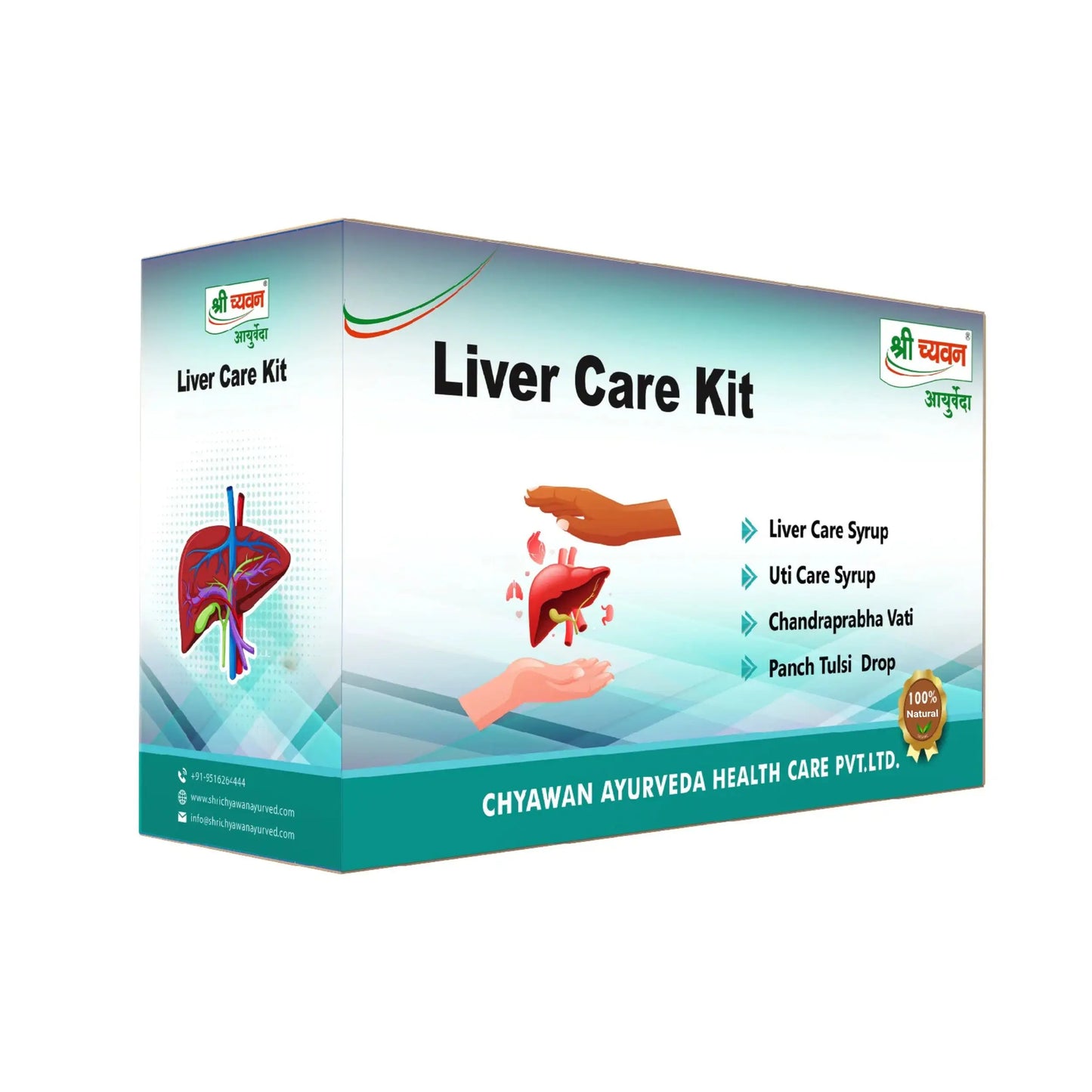

The liver is one of the body's most important organs and plays a major role in digestion, metabolism, nutrient processing and the management of various substances in the bloodstream. Modern lifestyle habits, including unhealthy eating patterns, physical inactivity, excess body weight, alcohol consumption and metabolic conditions, can affect overall liver health.
As interest in traditional wellness continues to grow in India, many people are exploring Ayurveda and ayurvedic medicine.
However, good liver care involves much more than choosing a tablet, capsule or syrup. A healthy diet, regular physical activity, appropriate weight management, good sleep and professional medical guidance are important parts of a comprehensive approach.
This guide explains how diet, lifestyle and Ayurvedic herbal support can fit into a responsible liver wellness routine.
Why Liver Health Matters
The liver performs several essential functions in the body. It helps process nutrients, produces bile, stores certain nutrients and plays a role in metabolism.
Liver problems can develop for different reasons. Fat accumulation in the liver, viral infections, alcohol related damage, certain medicines, metabolic conditions and other factors can affect liver function.
Some liver conditions may not cause obvious symptoms during their early stages. Therefore, relying only on how you feel is not enough to determine whether your liver is healthy.
People with obesity, diabetes, high cholesterol, a history of heavy alcohol consumption or previously abnormal liver tests may benefit from discussing liver health with a healthcare professional.
Ayurveda for Liver Care
Ayurveda for liver wellness traditionally takes a holistic approach. Rather than focusing only on one symptom, Ayurvedic practices may consider digestion, diet, daily routines, lifestyle and individual constitution.
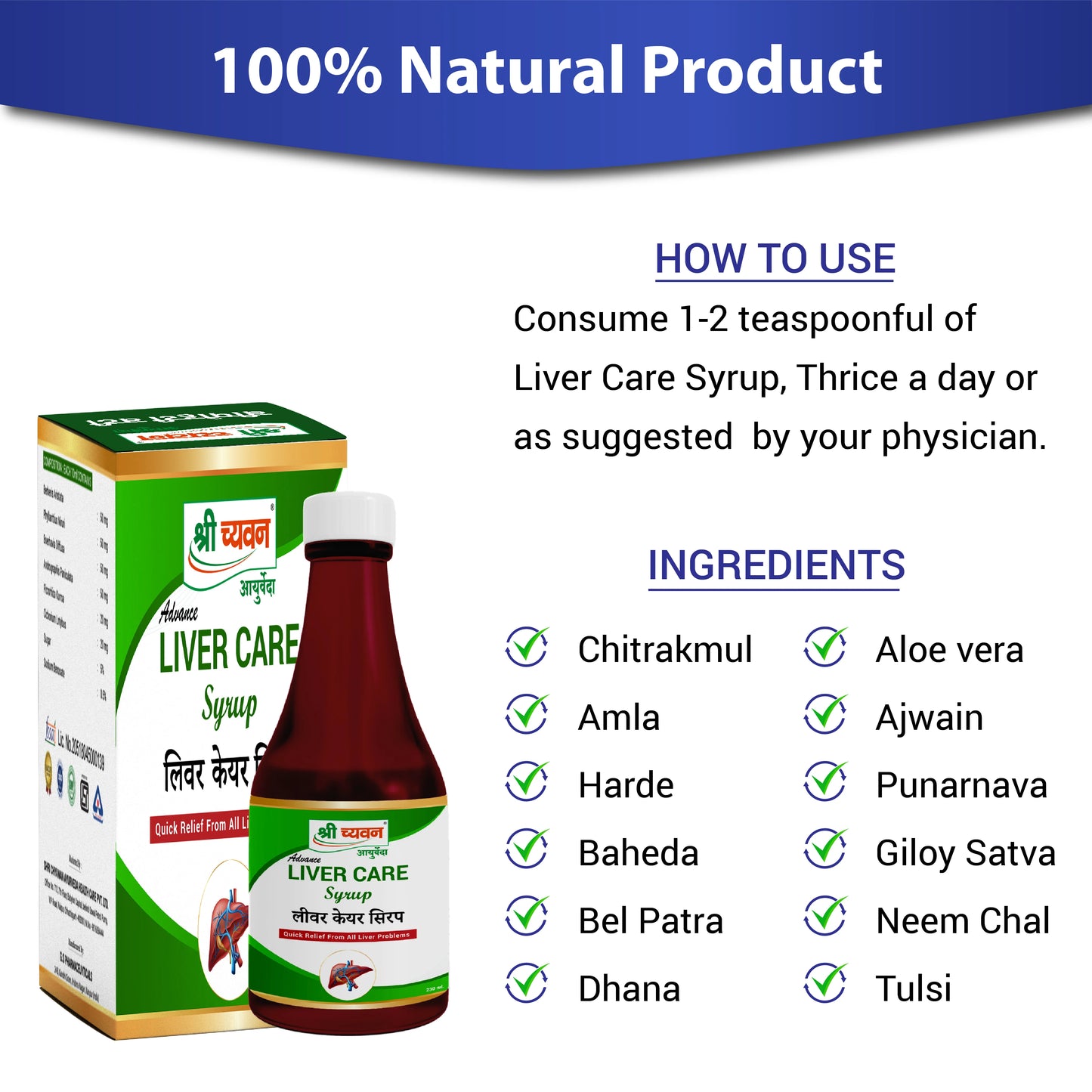
Traditional Ayurvedic formulations may contain herbs that have historically been used for digestive and general wellness purposes. Depending on the formulation, ingredients can include herbs such as turmeric, amla, kutki, bhumi amla and other botanicals.
However, traditional use should not be confused with proof that a particular herbal product can treat or cure a liver disease.
For someone with a diagnosed liver condition, Ayurvedic support should be considered alongside appropriate medical evaluation and, where suitable, under professional guidance.
Diet for Better Liver Health
Diet is one of the most practical areas where people can make positive changes.
A balanced eating pattern can support healthy body weight and metabolic health, both of which are important for people concerned about fatty liver and other lifestyle related liver problems.
Include More Whole Foods
Try to include:
- Fresh vegetables
- Seasonal fruits
- Whole grains
- Pulses and legumes
- Beans and other plant-based protein sources
- Nuts and seeds in appropriate portions
- Healthy sources of dietary fats
Fresh, minimally processed foods can form the foundation of a balanced diet.
Reduce Excess Sugar
Regular consumption of sugary drinks, sweets and foods containing large amounts of added sugar can contribute to excessive calorie intake and weight gain.
Instead of relying on packaged juices or sweetened beverages, choose water and other suitable unsweetened options.
Limit Highly Processed Foods
Frequent consumption of deep-fried foods, packaged snacks, highly processed meals and foods high in saturated fat may make healthy weight management more difficult.
Choosing home-cooked meals more often can make it easier to control ingredients and portion sizes.
Be Careful with Alcohol
Excessive alcohol consumption can contribute to liver damage. People with liver disease should discuss alcohol use with their healthcare provider rather than assuming that a small amount is safe.

Lifestyle Habits for Liver Wellness
Liver care Ayurveda also emphasizes the importance of maintaining a healthy daily routine.
Stay Physically Active
Regular physical activity can improve overall metabolic health and support weight management. Walking, cycling, swimming, yoga and strength exercises can be incorporated according to individual fitness levels.
For many adults, working toward at least 150 minutes of moderate physical activity each week is a useful general target, provided there are no medical restrictions.
Even simple activities such as taking regular walks and reducing prolonged sitting can contribute to a more active lifestyle.
Maintain a Healthy Weight
Excess body weight, particularly when associated with metabolic problems, can increase the risk of fatty liver.
If weight reduction is appropriate, gradual and sustainable changes are generally more practical than extreme diets.
People with obesity or other medical conditions should consider discussing an appropriate weight management plan with a qualified healthcare professional.
Prioritize Sleep
Sleep is an important part of general health. Maintaining a consistent sleep schedule and creating a comfortable nighttime routine can support overall physical and mental well-being.
Manage Stress
Long-term stress can make it more difficult to maintain healthy eating, sleep and exercise habits.
Yoga, meditation, breathing exercises and other relaxation techniques may help some people develop a healthier daily routine.
Herbal Support for Liver Wellness
Certain herbs have traditionally been used in Ayurveda for digestive and general wellness purposes. Common ingredients found in Ayurvedic formulations may include turmeric, amla, kutki, guduchi and bhumi amla.
However, herbal products should not automatically be considered risk-free simply because they are natural.
Some herbal products can cause adverse effects or interact with medicines. There have also been reports of liver injury associated with certain herbal and dietary supplements.
Therefore, anyone with existing liver disease should be particularly careful about self-prescribing herbal products.
The objective should be responsible herbal support rather than the idea of “detoxing” or cleansing the liver through an unverified product.

Ayurvedic Medicine for Liver and Kidney
Some people search for Ayurvedic medicine for liver and kidney because they want a single product to support both organs.
However, the liver and kidneys have different functions, and diseases affecting these organs can have different causes and treatment requirements.
People with reduced kidney function need to be especially cautious with herbal supplements because certain ingredients may not be appropriate for them.
There is no universal Ayurvedic medicine that should be considered suitable for everyone for both liver and kidney health.
If you have a diagnosed liver or kidney condition, discuss any herbal medicine or supplement with your healthcare professional before use.
Conclusion
A healthy liver requires a comprehensive approach rather than dependence on a single medicine. Ayurveda wellness can include traditional dietary principles, lifestyle practices and carefully selected herbal support.
Ayurvedic medicine for liver, focus on product transparency, ingredients, appropriate usage and professional guidance.
Ayurvedic herbal support may be considered as part of a broader wellness plan when appropriate, but it should not replace necessary medical diagnosis or treatment.
Disclaimer: This article is intended for general educational purposes only. It does not replace medical diagnosis, treatment or professional Ayurvedic consultation. If you have a diagnosed liver or kidney condition, abnormal test results or persistent symptoms, consult a qualified healthcare professional before using any Ayurvedic medicine or herbal supplement.