
The liver is one of the body's most important organs. It supports digestion, metabolism, nutrient processing, bile production, and the body's natural handling of waste substances. With changing lifestyles in India, concerns such as fatty liver and other liver problems are becoming increasingly common.
Unhealthy eating habits, excess body weight, sedentary routines, excessive alcohol consumption, diabetes, and metabolic problems can all contribute to liver health concerns. Fatty liver may remain unnoticed in its early stages, which is why appropriate evaluation and regular health checks are important.
Alongside modern medical care, many people explore Ayurveda for liver wellness. Traditional Ayurvedic care generally takes a holistic approach that combines herbal preparations, dietary habits, physical activity, and daily routines.
Understanding Fatty Liver
Fatty liver refers to an excessive accumulation of fat in the liver. Metabolic conditions such as obesity, insulin resistance, type 2 diabetes, and abnormal blood fats can increase the risk.
Some people may experience tiredness or abdominal discomfort, while others may have no obvious symptoms at all. Because symptoms can be absent, fatty liver is sometimes discovered during routine blood tests or imaging.
If fatty liver progresses to inflammation and scarring, it can become more serious. Therefore, early evaluation and appropriate management are important.
Ayurveda for Liver Care
In Ayurveda, the liver is traditionally referred to as Yakrit and is associated with the functions of Pitta Dosha, particularly digestion and metabolism.
An Ayurvedic approach to liver wellness may focus on maintaining healthy digestion, balanced routines, appropriate nutrition, and traditional herbal support.
Key principles of Ayurveda liver care include
- Supporting healthy digestion and metabolism
- Following regular meal and sleep routines
- Choosing balanced and minimally processed foods
- Maintaining appropriate physical activity
- Managing stress
- Using traditional herbal preparations when appropriate
Ayurveda liver care should complement, rather than replace, appropriate medical evaluation when a liver condition has been diagnosed.
Ayurvedic Medicine for Liver Problems
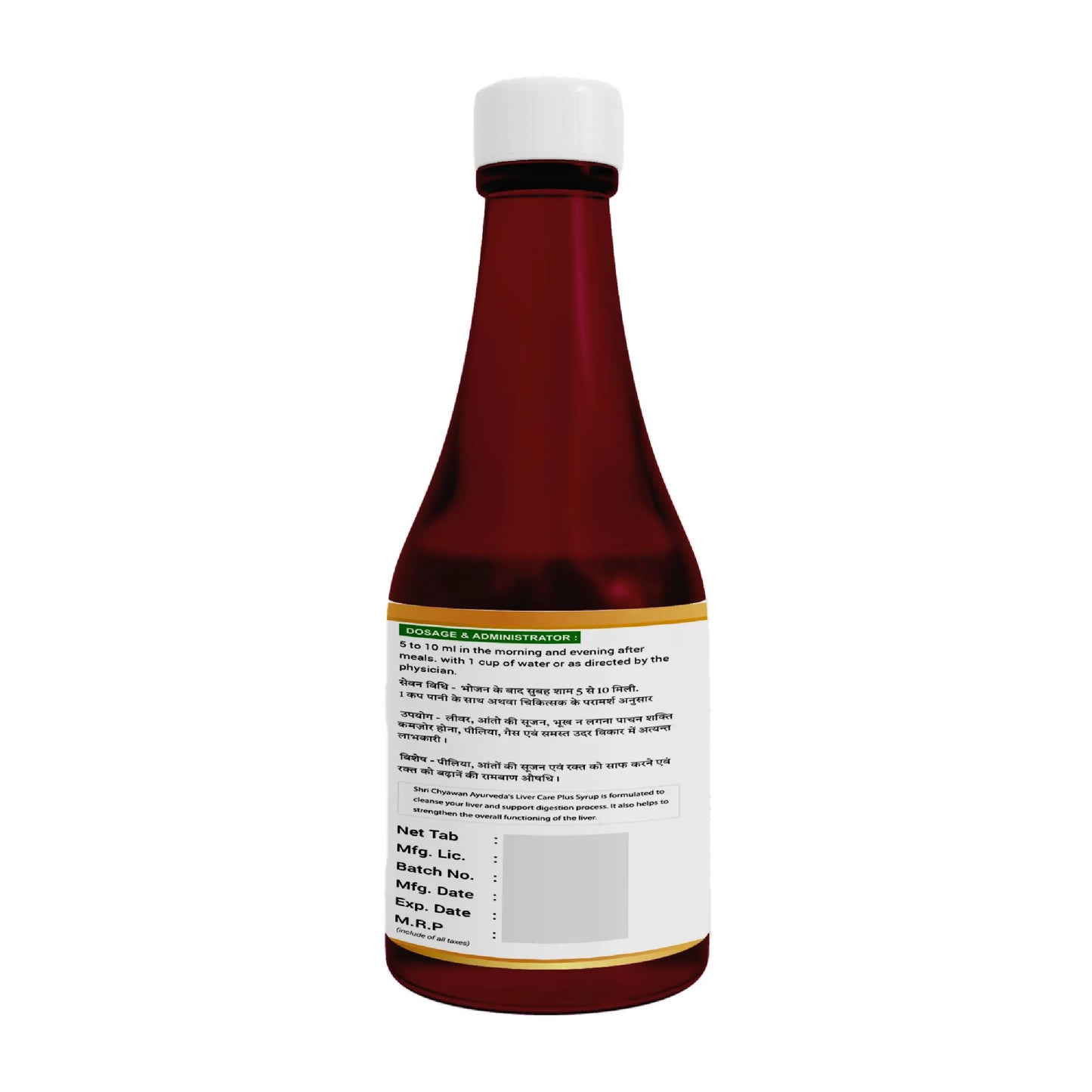
Traditional ayurvedic medicine for liver problems may contain combinations of herbs traditionally used for digestive and liver wellness.
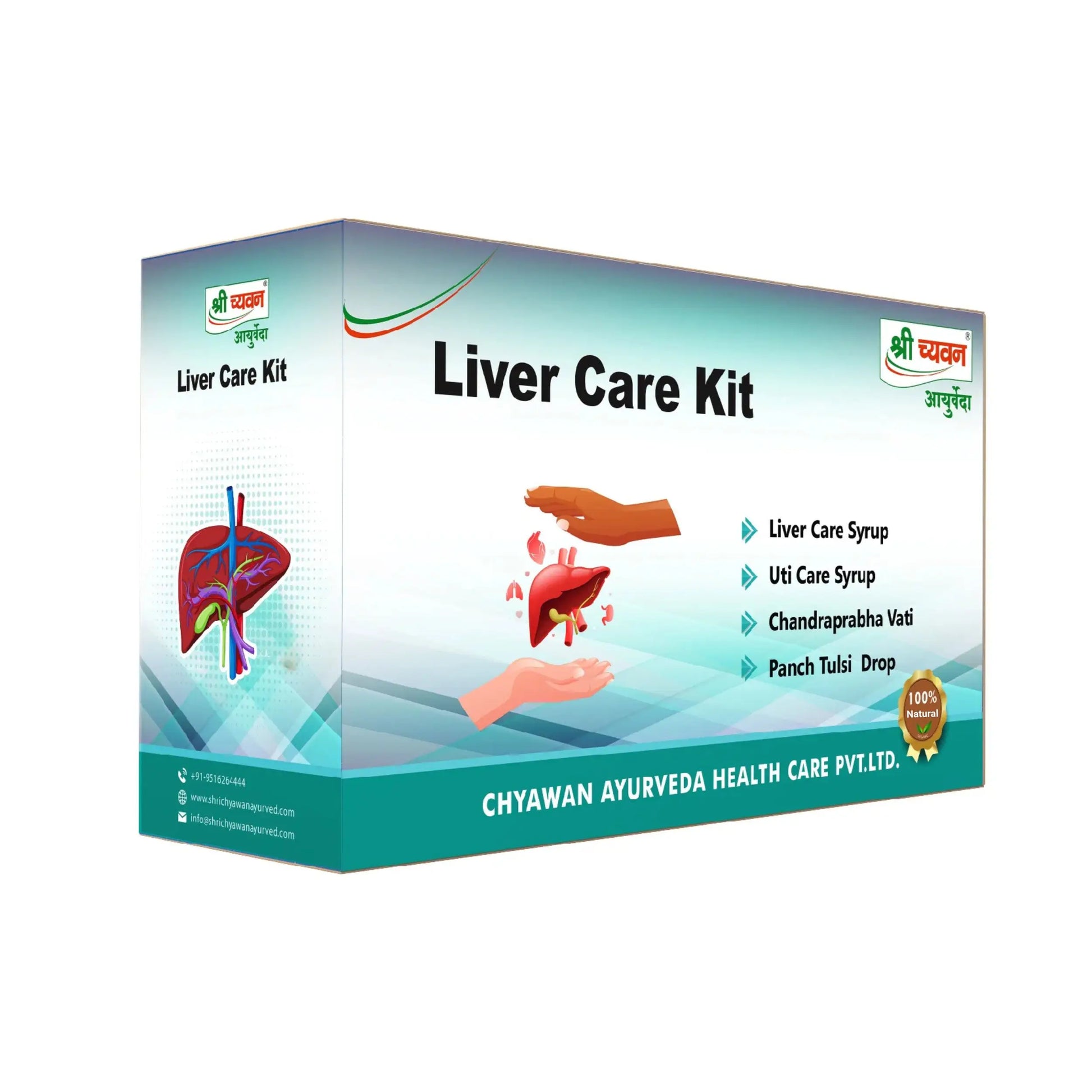
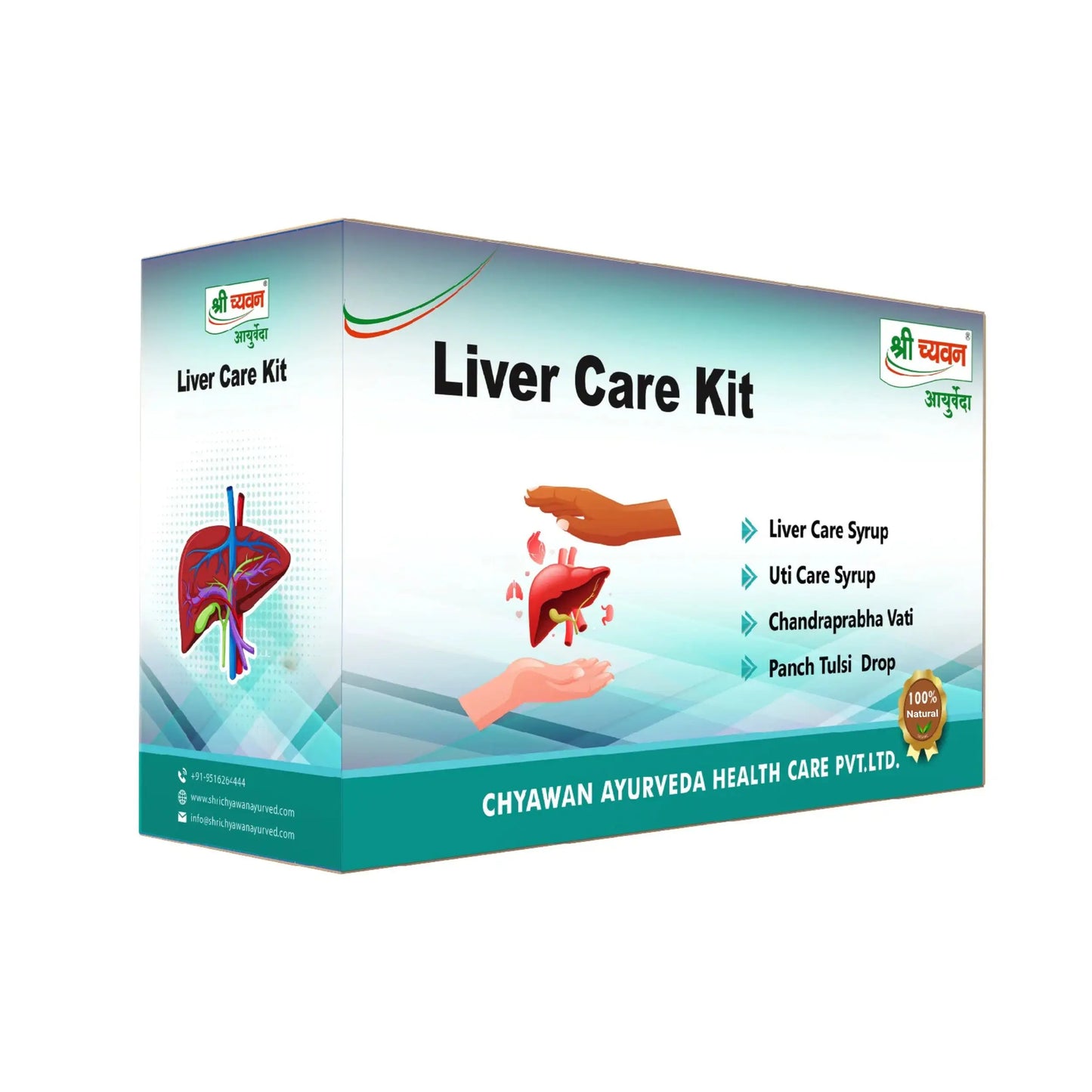
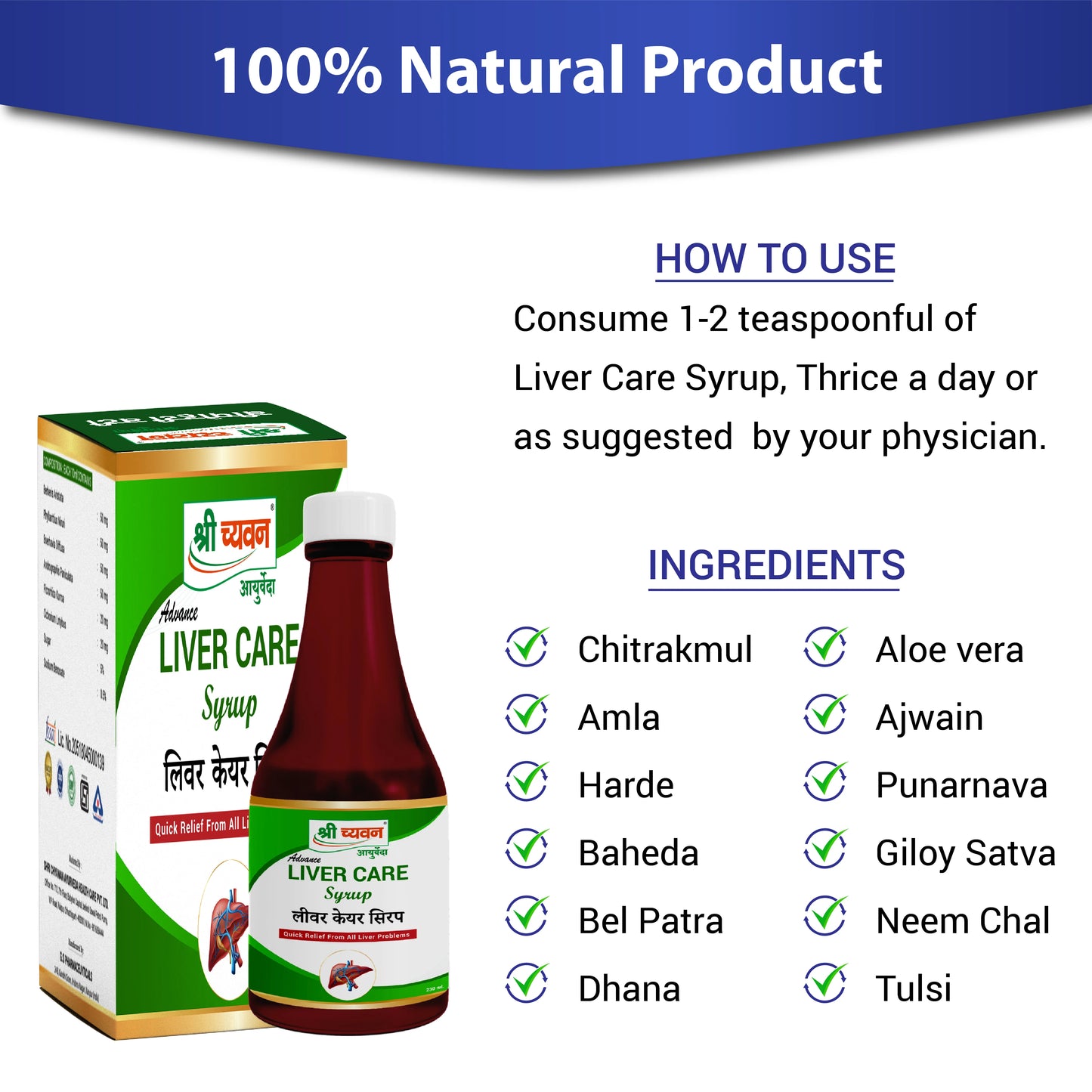
Commonly encountered ingredients in Ayurvedic liver formulations include Kalmegh, Bhumyamalaki, Kutki, Punarnava, Amla, and other botanical ingredients.
However, "natural" does not automatically mean that a product is suitable for everyone. Some herbal products can interact with medicines or potentially cause liver injury. People with an existing liver condition should discuss herbal products with a qualified healthcare professional before using them.
Ayurvedic Medicine for Fatty Liver
Interest in ayurvedic medicine for fatty liver has increased as more people look for holistic approaches to liver wellness.
However, it is important to understand that no herbal product should be promoted as a guaranteed cure or as a replacement for evidence-based management of fatty liver.
For people who are overweight or have obesity, gradual weight loss through healthy eating and physical activity can reduce liver fat. Even physical activity without weight loss can provide benefits.
Therefore, an Ayurvedic approach to fatty liver is best considered as part of a broader health plan that includes appropriate diagnosis, nutrition, exercise, and professional guidance.
Choosing the Best Ayurvedic Medicine for Fatty Liver
People searching for the best ayurvedic medicine for fatty liver should look beyond promotional claims and carefully evaluate the product.
Consider the following:
Check the Ingredient List
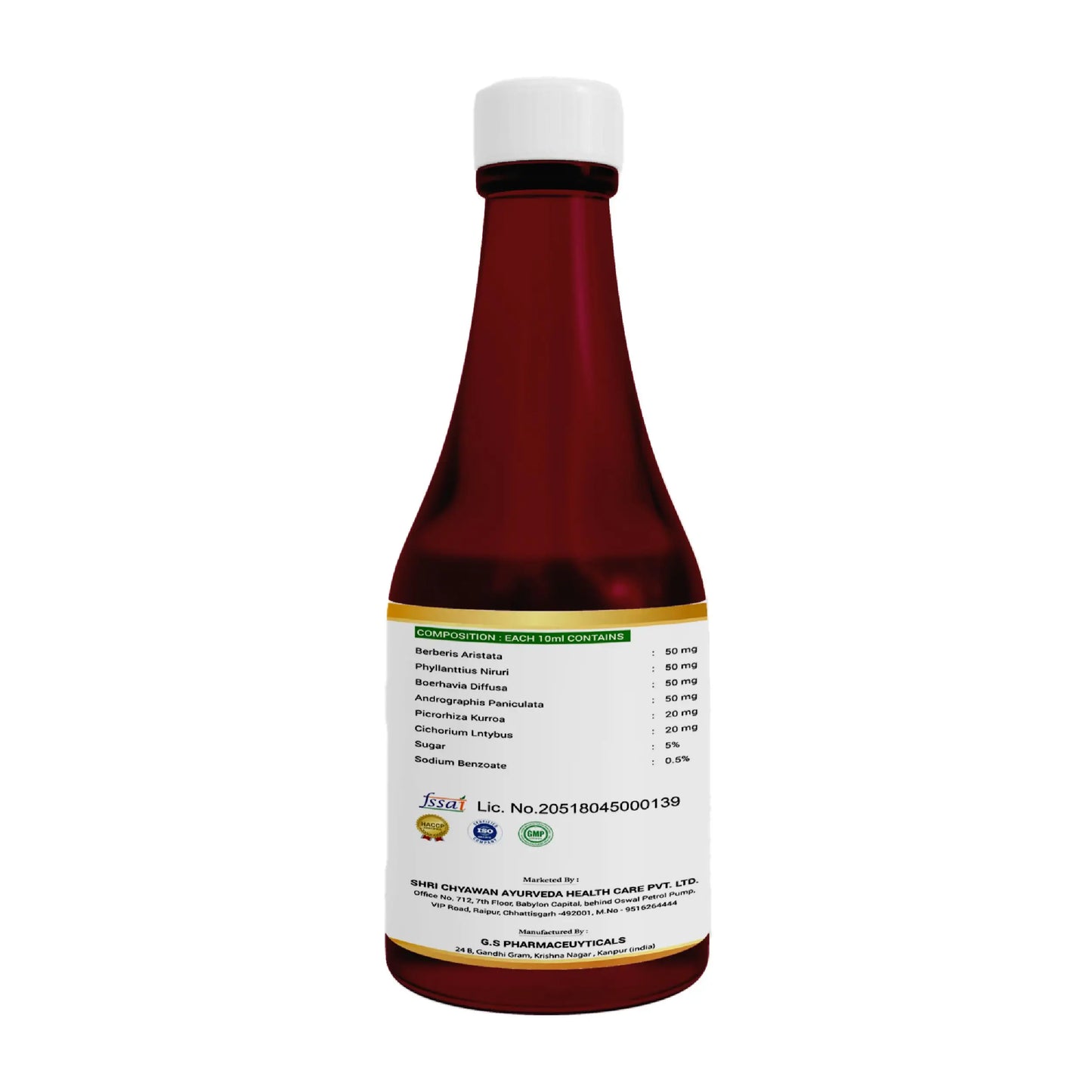
Choose products with clearly listed ingredients and quantities rather than products making vague claims.
Look for Quality Manufacturing
Prefer products manufactured according to appropriate quality and safety standards.
Follow the Recommended Dosage
Do not assume that increasing the dosage will provide better results.
Consider Your Existing Medicines
Herbal ingredients may interact with prescription or over-the-counter medicines. Discuss their use with your doctor or qualified Ayurvedic practitioner if you take regular medication.
Do Not Delay Medical Evaluation
Persistent abnormal liver tests, jaundice, abdominal swelling, unexplained weight loss, or other concerning symptoms require professional evaluation.

Diet Tips for Better Liver Wellness
Food choices are an important part of Liver ayurveda care.
A balanced Indian diet can include:
- Seasonal vegetables
- Green leafy vegetables
- Dal and other pulses
- Whole grains
- Fresh fruits in appropriate portions
- Nuts and seeds in moderation
- Adequate water
It is useful to reduce foods and drinks high in added sugar, heavily processed foods, deep-fried foods, and excessive saturated or trans fats. WHO recommends diets based on a variety of minimally processed foods, including vegetables, fruits, legumes, and whole grains.
For people with fatty liver, limiting sugary drinks and foods containing large amounts of simple sugars can be particularly helpful.
Exercise and Liver Health
Regular physical activity is another important part of liver wellness.
Walking, cycling, swimming, yoga, or other suitable activities can be incorporated into a weekly routine. WHO recommends that adults generally aim for at least 150 minutes of moderate-intensity physical activity each week.
If you have a medical condition or have been inactive for a long period, speak with a healthcare professional before starting an intensive exercise program.

Ayurveda Liver Care and Daily Habits
A consistent daily routine can support overall wellness.
Maintain a Regular Sleep Schedule
Adequate, regular sleep supports healthy metabolism and general well-being.
Manage Stress
Meditation, breathing exercises, yoga, and other relaxation practices can help manage daily stress.
Avoid Excessive Alcohol
Alcohol can contribute to liver damage and should be avoided by people with alcohol-related liver disease. People with cirrhosis should completely avoid alcohol.
Maintain a Healthy Weight
Healthy weight management is particularly important for people at risk of metabolic fatty liver disease.
What About Liver Detox
The term "liver detox" is widely used in health marketing, but the liver already performs natural metabolic and detoxification functions.
Instead of relying on extreme detox diets, fasting programs, or unverified supplements, focus on sustainable habits such as balanced nutrition, regular physical activity, adequate sleep, and appropriate medical care.
If you are considering ayurvedic medicine for liver detox or a product marketed specifically for detox, discuss it with a healthcare professional, particularly if you have diagnosed liver disease.
Conclusion
Ayurveda can be approached as a holistic wellness practice that combines traditional herbal support with healthy food, regular physical activity, stress management, and balanced daily routines.
For people searching for ayurvedic medicine for liver problems it is important to remember that no single medicine can replace proper diagnosis and lifestyle management.
A healthy diet, gradual weight management when appropriate, regular exercise, and professional guidance provide a strong foundation for liver wellness. Ayurvedic products should be selected carefully and used responsibly, especially when a person already has liver disease or takes other medicines.