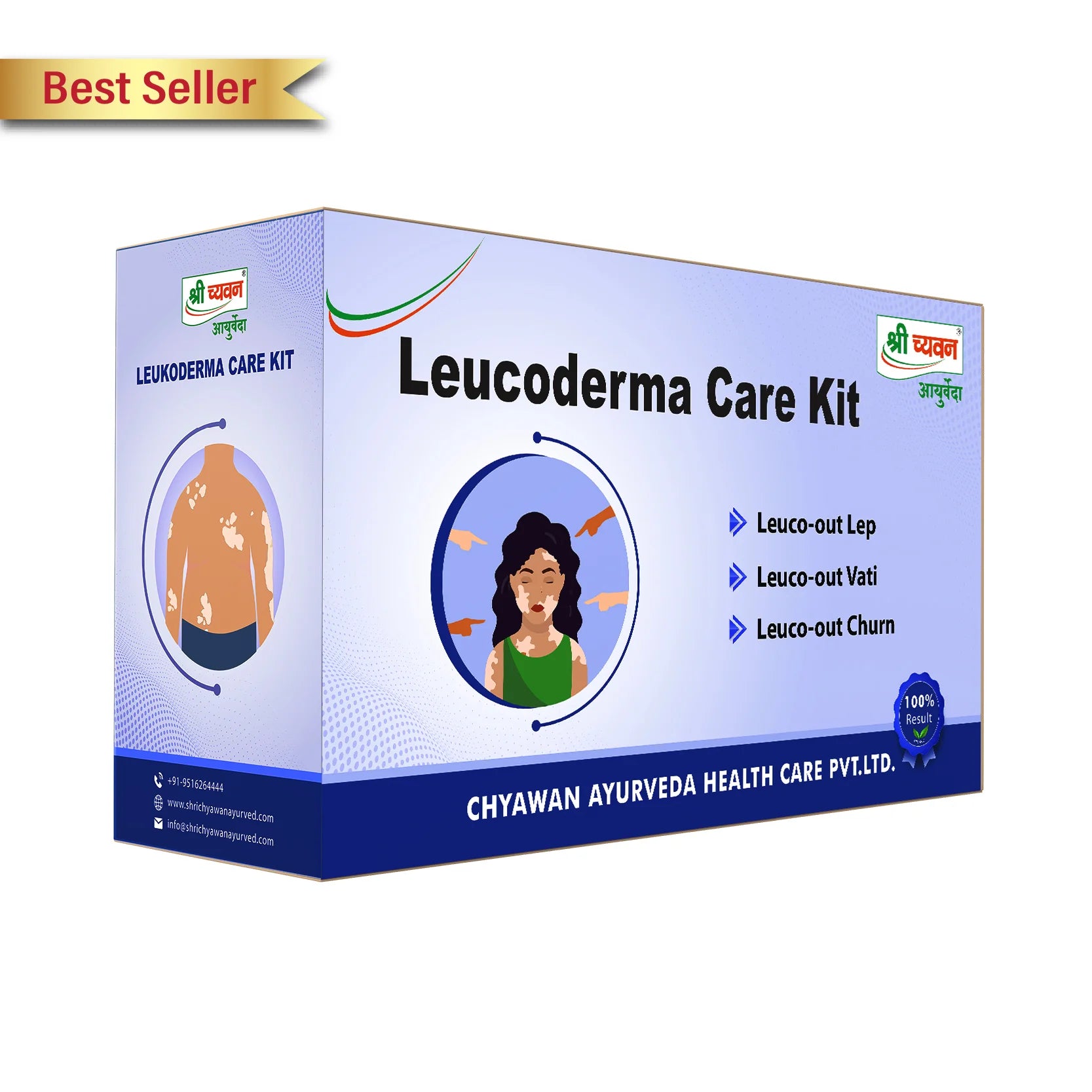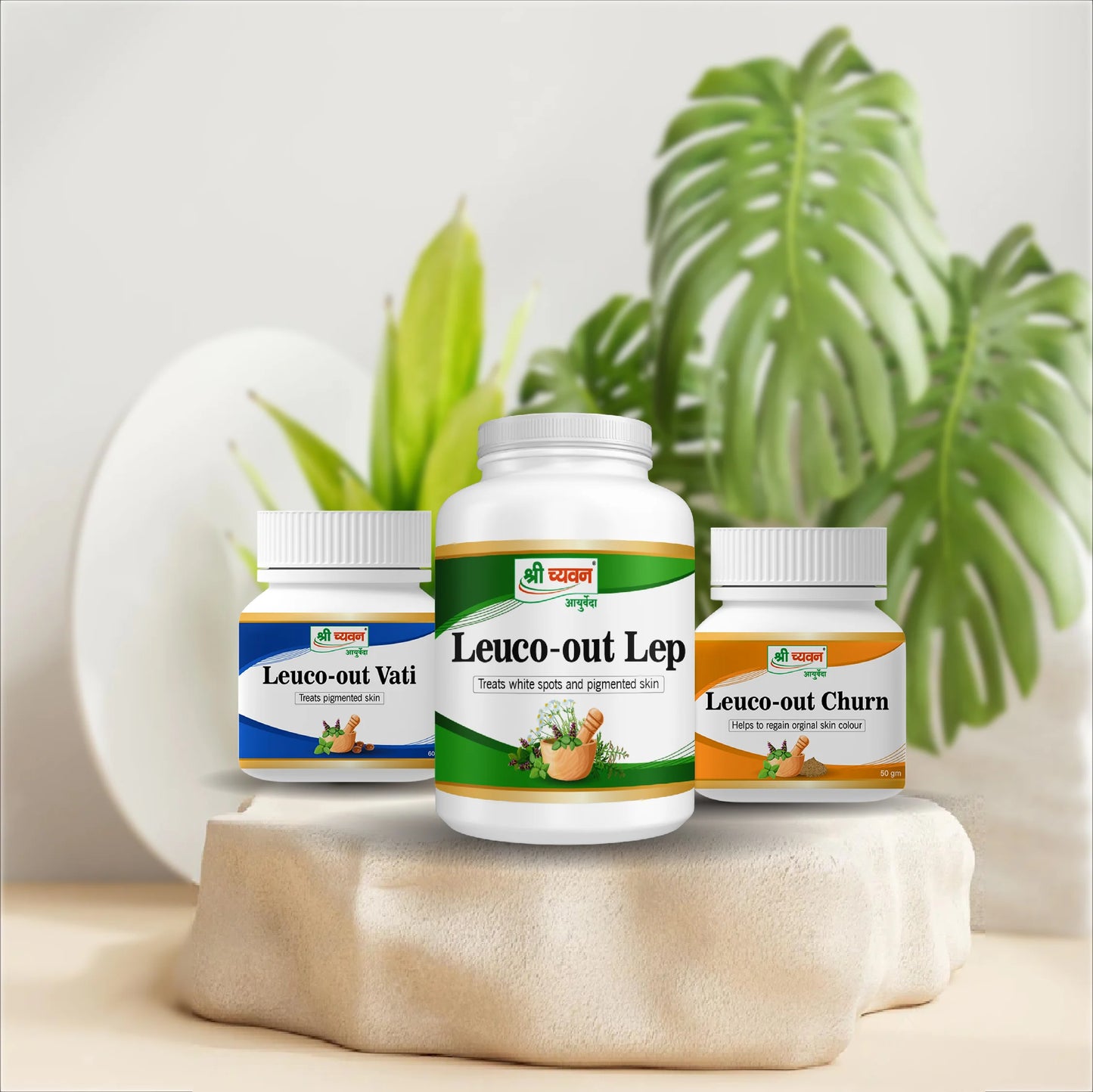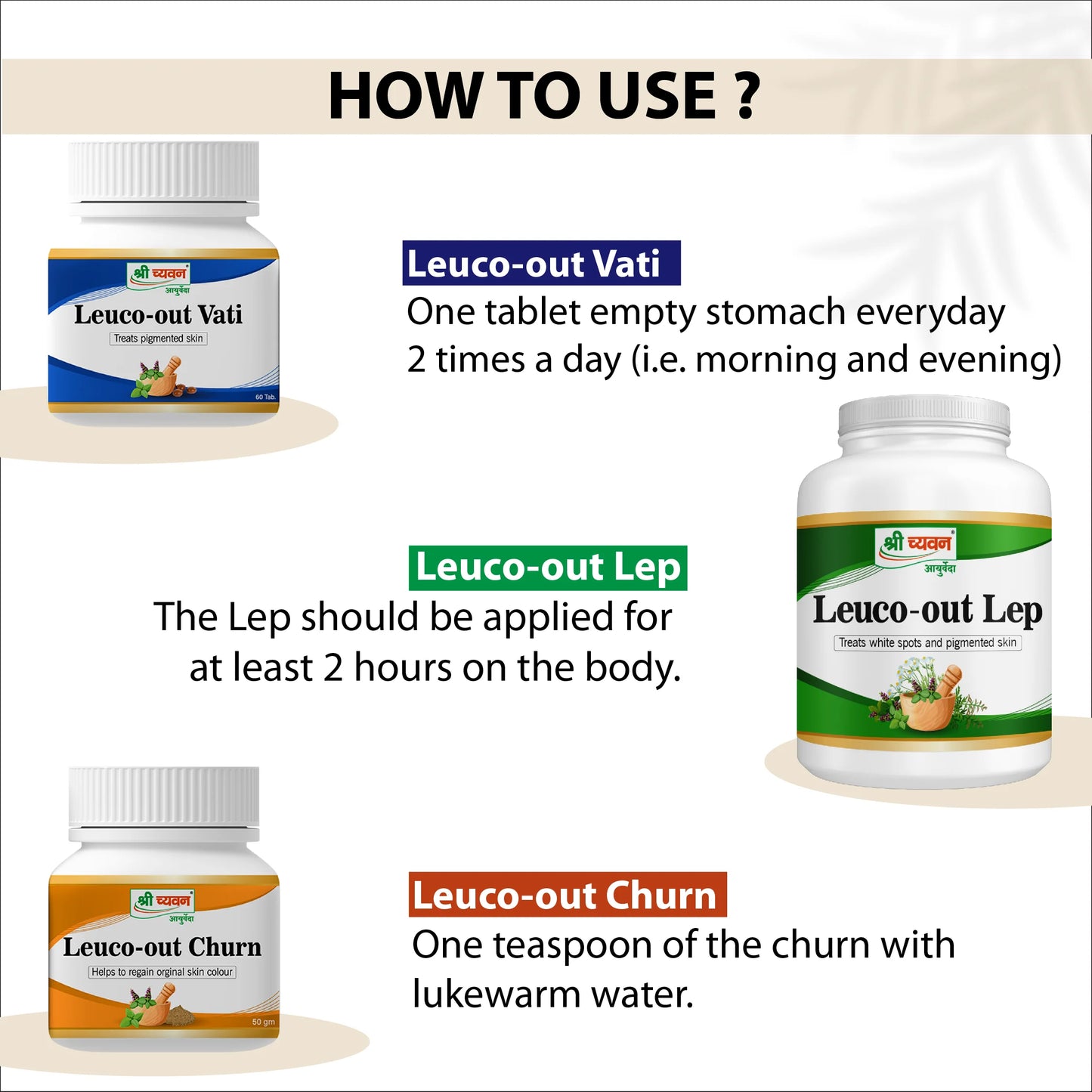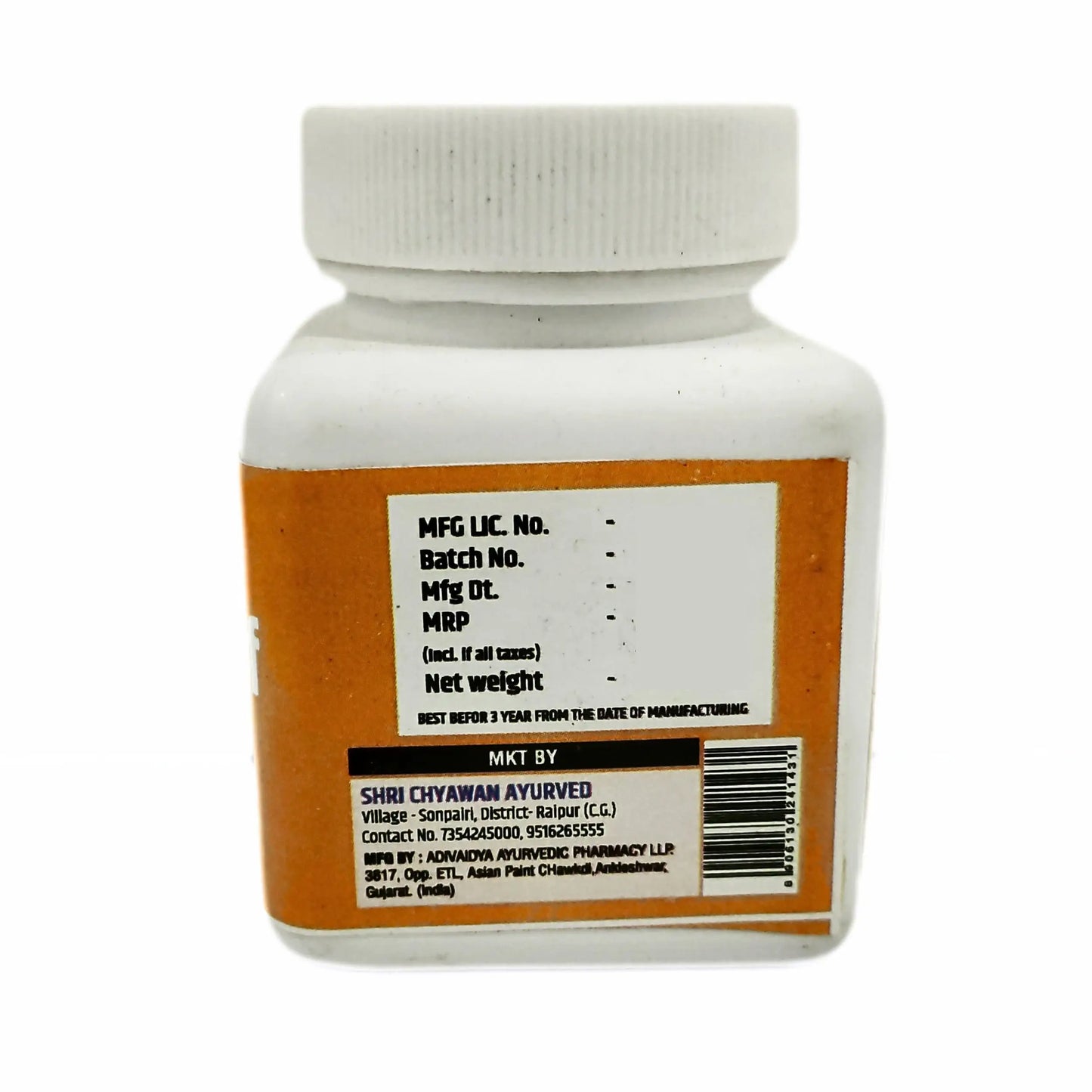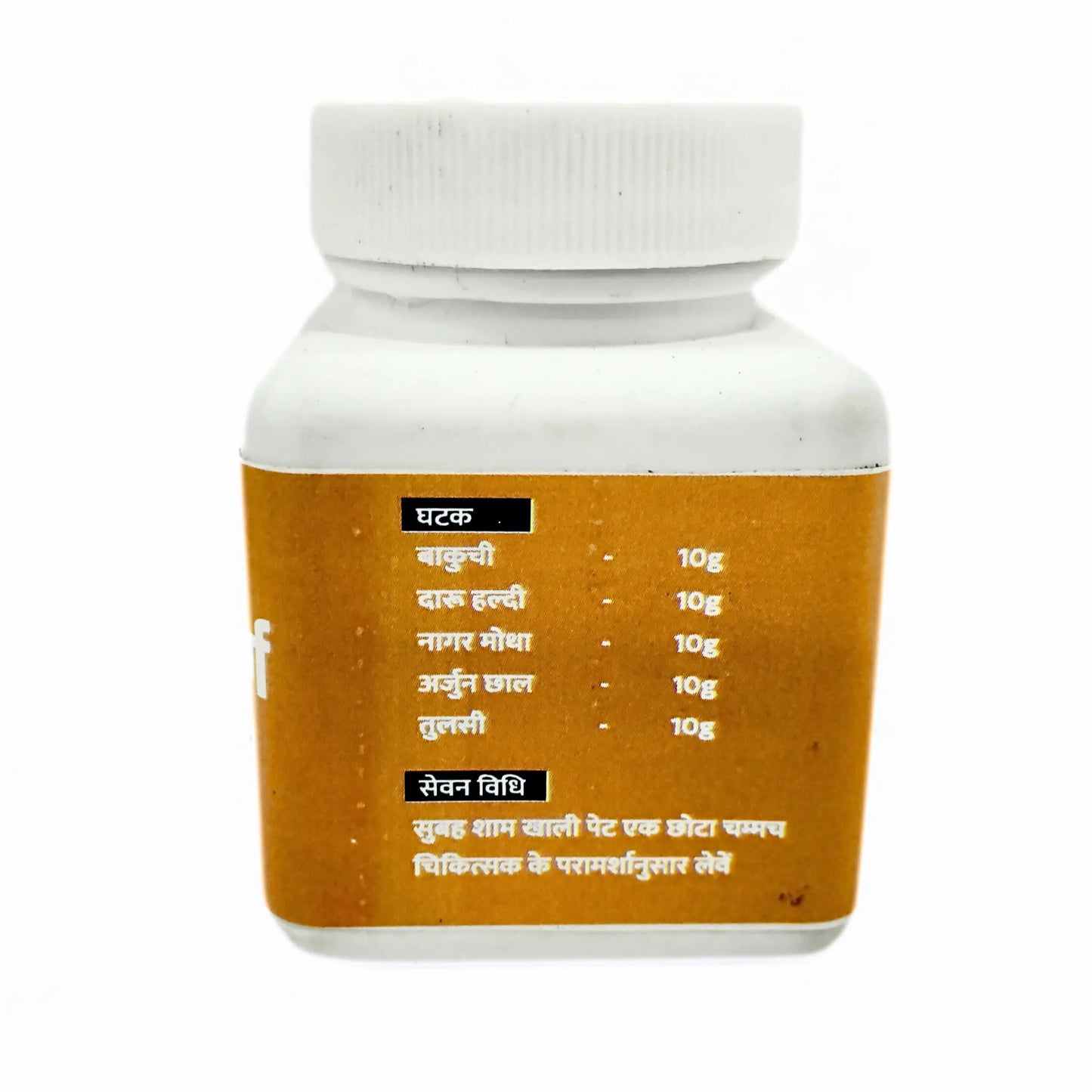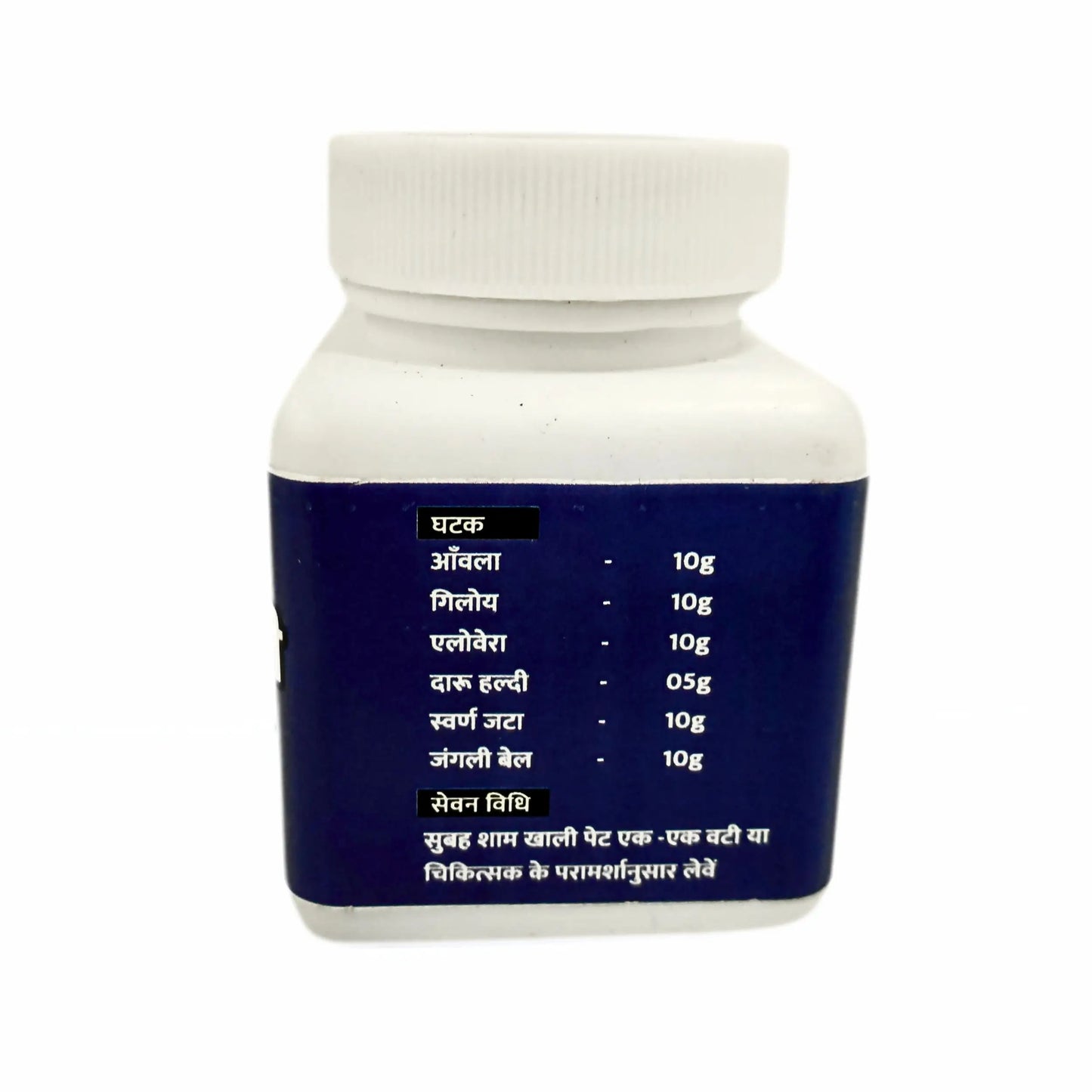

White patches on the skin can be a source of concern for many people. Conditions like Vitiligo and Leucoderma affect skin pigmentation and may lead to the appearance of white spots or patches on different parts of the body. While these conditions are not contagious, they can impact confidence and emotional well-being.
In India, many people are now exploring ayurvedic approaches for skin health. Ayurveda focuses on understanding the root causes of imbalance and supporting overall wellness rather than simply addressing visible symptoms.
In this article, we will discuss the causes, symptoms, and Ayurvedic perspective on Vitiligo and Leucoderma.
What Is Vitiligo and Leucoderma?
Vitiligo and Leucoderma are conditions that result in the loss of skin pigmentation.
Melanin is the pigment responsible for the color of our skin, hair, and eyes. When melanin production decreases in certain areas, white patches may appear.
These patches can develop on:
- Face
- Hands
- Feet
- Neck
- Lips
- Around the eyes
- Arms and legs
The size and number of patches may vary from person to person.
Difference Between Vitiligo and Leucoderma
Many people use the terms Vitiligo and Leucoderma interchangeably, but there can be slight differences.
Vitiligo
Vitiligo is generally associated with autoimmune factors where pigment-producing cells are affected.
Leucoderma
Leucoderma refers to white patches that may develop due to skin damage, burns, infections, or other factors that affect pigmentation.
Both conditions lead to loss of skin color and often require long-term skin care and management.
Causes of Vitiligo and Leucoderma
Several factors may contribute to the development of white patches.
1. Autoimmune Factors
The immune system may mistakenly affect melanocytes, the cells responsible for pigment production.
2. Genetic Predisposition
Individuals with a family history may have a higher likelihood of developing these conditions.
3. Emotional Stress
Long-term stress may influence overall health and skin wellness.
4. Nutritional Deficiencies
Lack of certain vitamins and minerals can impact skin health.
5. Chemical Exposure
Frequent contact with harsh chemicals may affect pigmentation in some individuals.
6. Skin Trauma
Cuts, burns, or injuries may sometimes trigger white patches in susceptible people.
Symptoms of Vitiligo and Leucoderma
The symptoms can differ depending on the individual and severity of the condition.
Common symptoms include:
White Patches on Skin
The most visible symptom is the appearance of white patches.
Premature Greying of Hair
Hair in affected areas may lose color.
Color Loss Around Body Openings
Some individuals notice depigmentation around the eyes, mouth, or nose.
Gradual Enlargement of Patches
The patches may slowly increase in size over time.
Leucoderma in Ayurveda
In Ayurveda, Vitiligo and Leucoderma are often associated with a condition called Shwitra.
According to Ayurvedic principles, these skin conditions may be linked to:
- Imbalance of Doshas
- Weak digestive fire (Agni)
- Toxin accumulation (Ama)
- Blood impurities
- Lifestyle and dietary factors
This is why Leucoderma in Ayurveda is viewed as a condition that requires attention to overall health and internal balance.
Ayurvedic Treatment for Vitiligo
Ayurveda follows a holistic approach that focuses on supporting the body's natural balance.
Improving Digestive Health
Ayurveda considers healthy digestion the foundation of wellness.
A balanced digestive system helps:
- Better nutrient absorption
- Reduced toxin accumulation
- Improved overall health
Supporting Blood Purification
Many Ayurvedic herbs are traditionally used to support healthy blood circulation and purification.
Healthy blood flow plays an important role in maintaining skin wellness.
Balancing Doshas
According to Ayurveda, balanced Vata, Pitta, and Kapha doshas contribute to healthy skin function.
Vitiligo Ayurvedic Treatment often focuses on restoring this balance.
Supporting Skin Nourishment
Proper nourishment of the skin is considered essential for maintaining healthy pigmentation and overall skin appearance.
Ayurvedic Treatment for Leucoderma
Ayurvedic Treatment for Leucoderma aims to support:
- Digestive health
- Skin nourishment
- Blood purification
- Overall wellness
The treatment approach is usually individualized according to the person's constitution and health condition.

Common Herbs Used in Ayurvedic Care
Several herbs have traditionally been associated with skin health.
Bakuchi
Bakuchi is one of the most commonly discussed herbs in relation to skin pigmentation.
Traditionally used for:
- Supporting skin health
- Maintaining natural skin appearance
- Promoting overall skin wellness
Neem
Neem is known for its cleansing and skin-supportive properties.
Benefits include:
- Supporting healthy skin
- Assisting natural detoxification
- Promoting skin cleanliness
Manjistha
Manjistha is traditionally used to support blood purification and healthy skin.
Giloy
Giloy supports immune health and overall wellness.
Amla
Amla is rich in antioxidants and supports healthy skin and general well-being.
Diet Tips According to Ayurveda
A healthy diet can support overall skin health.
Foods to Include
- Fresh fruits
- Green leafy vegetables
- Whole grains
- Seasonal foods
- Adequate water intake
Foods to Limit
- Excess processed foods
- Deep-fried foods
- Excess sugar
- Artificial beverages
Maintaining a balanced diet may support better skin health and wellness.

Lifestyle Habits That Support Healthy Skin
Practice Yoga
Yoga helps improve physical and mental balance.
Manage Stress
Meditation and breathing exercises may support emotional wellness.
Sleep Well
Quality sleep is important for skin repair and overall health.
Stay Active
Regular physical activity supports circulation and general well-being.
Why Many People Choose Ayurveda for Vitiligo and Leucoderma
Many individuals prefer Ayurvedic Treatment for Vitiligo because it focuses on a holistic approach.
Potential advantages include:
- Natural wellness support
- Focus on root causes
- Emphasis on healthy lifestyle
- Support for digestive and skin health
- Long-term wellness approach
Similarly, Best Ayurvedic Treatment for Leucoderma is often chosen by those looking for a traditional and comprehensive system of care.
Conclusion
Vitiligo and Leucoderma are conditions that affect skin pigmentation and can impact confidence and quality of life. Understanding their causes, symptoms, and management options is important for maintaining overall skin health.
Leucoderma Ayurvedic Treatment, focus on supporting internal balance, digestive wellness, healthy lifestyle habits, and skin nourishment.
By combining proper nutrition, healthy routines, stress management, and Ayurvedic principles, individuals can take positive steps toward supporting their skin health naturally.
Frequently Asked Questions (FAQs)
1. What is the Ayurvedic view of Vitiligo and Leucoderma?
Ayurveda associates these conditions with Shwitra and links them to dosha imbalance, digestive issues, and toxin accumulation.
2. Can Ayurveda support skin health in Vitiligo?
Ayurveda focuses on overall wellness, including digestion, lifestyle, and skin nourishment, which may support healthy skin.
3. Which herbs are commonly used in Ayurvedic care for white patches?
Bakuchi, Neem, Manjistha, Giloy, and Amla are traditionally used for skin health support.
4. Does diet matter in Vitiligo and Leucoderma management?
Yes. Ayurveda considers balanced nutrition an important part of maintaining overall skin health.
5. Why is stress management important for skin wellness?
Stress can affect overall health and may influence skin conditions. Practices such as yoga and meditation can support emotional well-being.