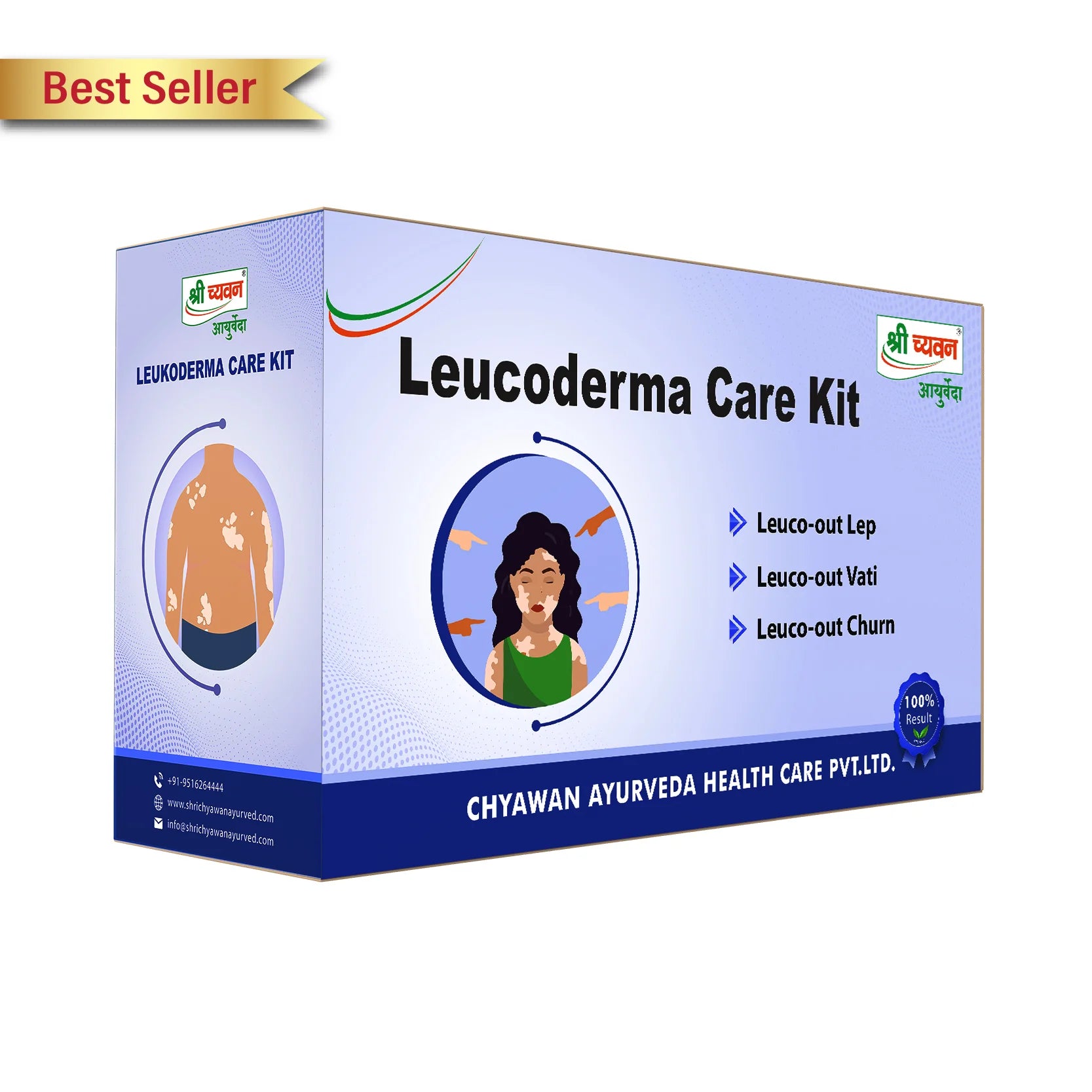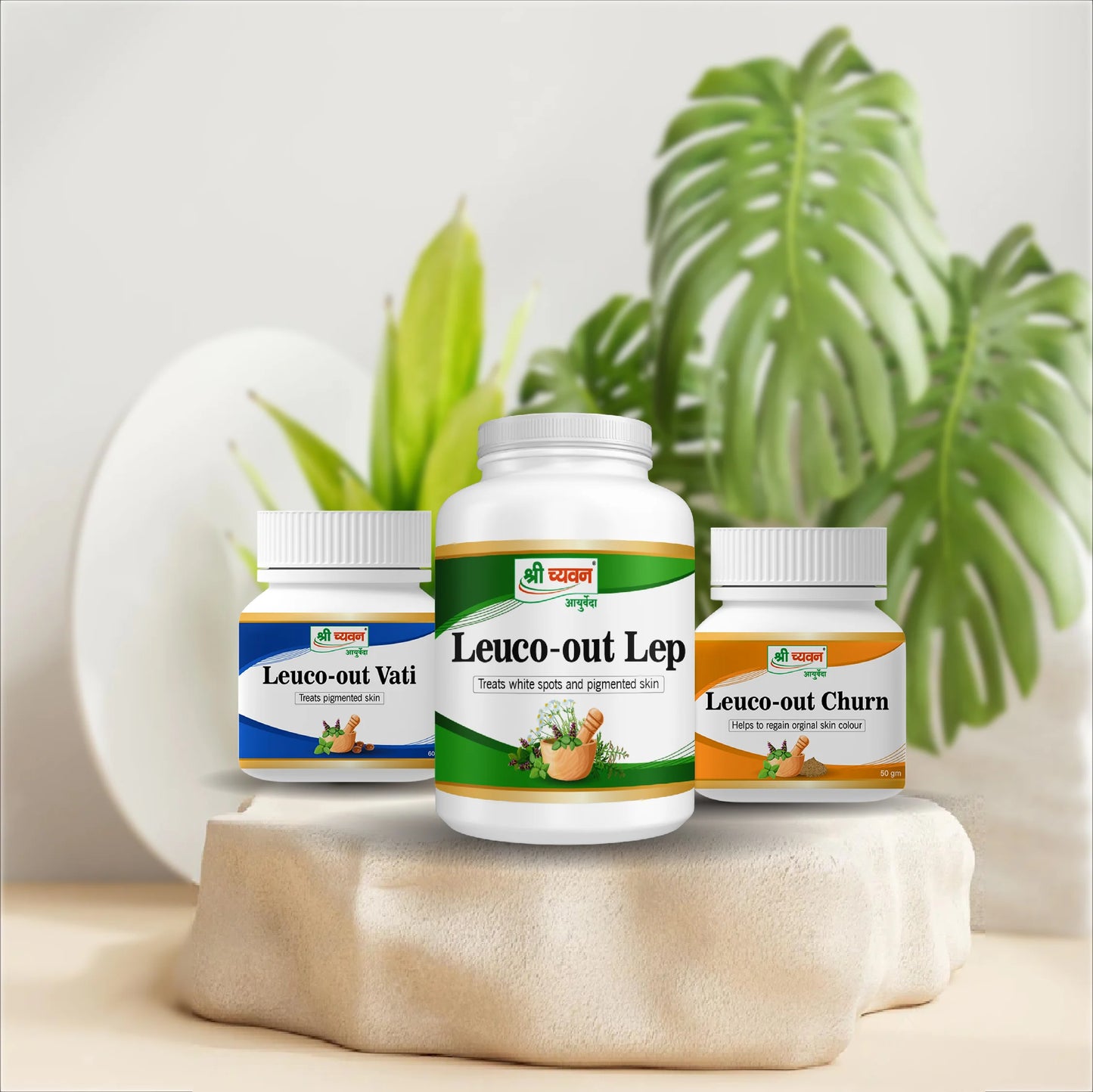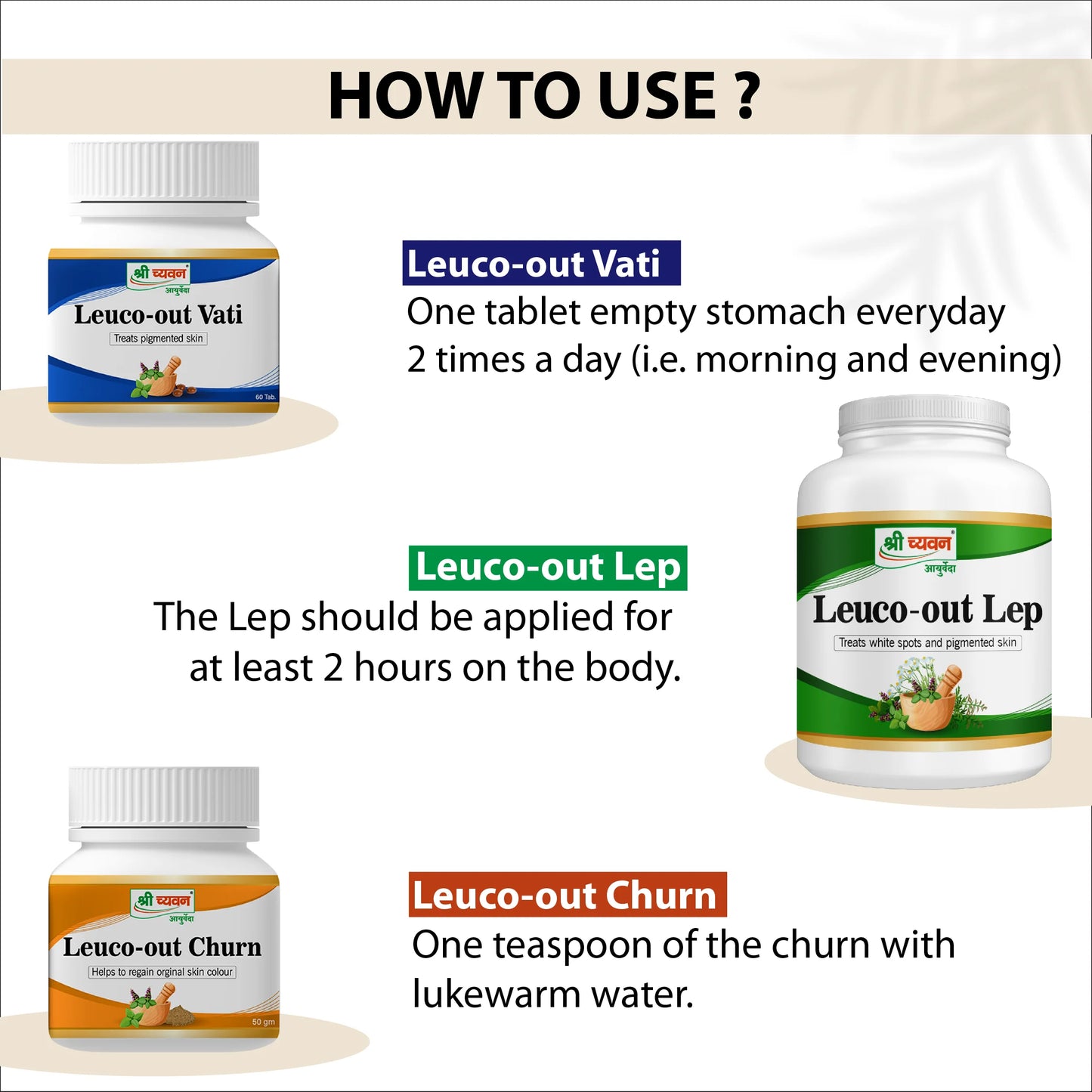

Vitiligo is a skin condition that causes white patches to appear on different parts of the body. These patches develop when the skin loses its natural pigment due to reduced melanin production. In India, Vitiligo is commonly known as "Safed Daag" and affects people of all ages.
Although Vitiligo is not infectious or harmful to physical health, it can impact confidence and emotional well-being. Many people look for natural ways to manage this condition, and Ayurveda has been one of the most trusted traditional systems for skin health for centuries.
This article explains Vitiligo, its causes, symptoms, and how Ayurvedic Treatment helps support healthy skin naturally.
Understanding Vitiligo
Vitiligo is a condition in which certain areas of the skin lose their color and become white. It happens because melanocytes, the cells responsible for producing melanin, stop functioning properly.
White patches can appear on:
- Face
- Hands
- Feet
- Lips
- Neck
- Around eyes
- Elbows and knees
- Other parts of the body
The size and number of patches vary from person to person.
Vitiligo in Ayurveda
In Ayurveda, Vitiligo is referred to as Shwitra. Ancient Ayurvedic texts describe it as a skin disorder linked to imbalances in the body's internal systems.
According to Ayurveda, Vitiligo develops due to:
- Imbalance of Doshas
- Weak digestive fire (Agni)
- Accumulation of toxins (Ama)
- Impure blood
- Improper lifestyle habits
Rather than focusing only on the visible patches, Ayurveda aims to improve overall body balance and skin health.
Common Causes of Vitiligo
Several factors may contribute to the development of Vitiligo.
1. Autoimmune Factors
In many cases, the immune system mistakenly attacks melanocytes, resulting in pigment loss.
2. Genetic Influence
People with a family history of Vitiligo may have a higher risk.
3. Chronic Stress
Long-term emotional stress may affect immune function and skin health.
4. Nutritional Imbalance
Deficiencies in certain nutrients can impact pigmentation.
5. Digestive Disturbances
Ayurveda strongly links skin health with digestive health.
6. Environmental Factors
Exposure to harsh chemicals and pollutants may affect skin function.
Symptoms of Vitiligo
The symptoms of Vitiligo can vary depending on the individual.
Common signs include:
White Patches on Skin
The most noticeable symptom is the appearance of white patches.
Premature Greying of Hair
Hair on the scalp, eyebrows, or beard may lose color early.
Increased Sensitivity
Affected skin may become more sensitive to sunlight.
Gradual Spread
In some cases, patches may slowly spread to other parts of the body.
Early identification can help people take better care of their skin health.
Why Ayurveda Focuses on Root Causes
One of the major differences between Ayurveda and symptom-based approaches is that Ayurveda looks beyond the visible condition.
Ayurveda aims to:
- Improve digestion
- Purify blood
- Support healthy immunity
- Reduce toxin accumulation
- Promote skin nourishment
This holistic approach is why many people explore Vitiligo Treatment in Ayurveda as part of their long-term wellness journey.
How Ayurvedic Treatment for Vitiligo Works
1. Improving Digestive Health
Ayurveda considers digestion to be the foundation of health.
When digestion becomes weak:
- Toxins accumulate
- Nutrient absorption decreases
- Skin health may suffer
Ayurvedic therapies support healthy digestion and metabolism.
2. Blood Purification
According to Ayurveda, healthy blood circulation is important for healthy skin.
Many Ayurvedic herbs are traditionally used to support:
- Blood purification
- Skin nourishment
- Natural detoxification
3. Dosha Balancing
Vitiligo is often associated with imbalances in Pitta and other doshas.
Ayurvedic treatment focuses on restoring harmony within the body.
Balanced doshas support better skin function and overall wellness.
4. Supporting Natural Pigmentation
Certain herbs used in Vitiligo Ayurvedic Medicine are traditionally known for supporting healthy skin pigmentation.
These herbs help nourish the skin and support its natural healing process.

Ayurvedic Medicine for Vitiligo
Several Ayurvedic herbs have traditionally been used for skin health.
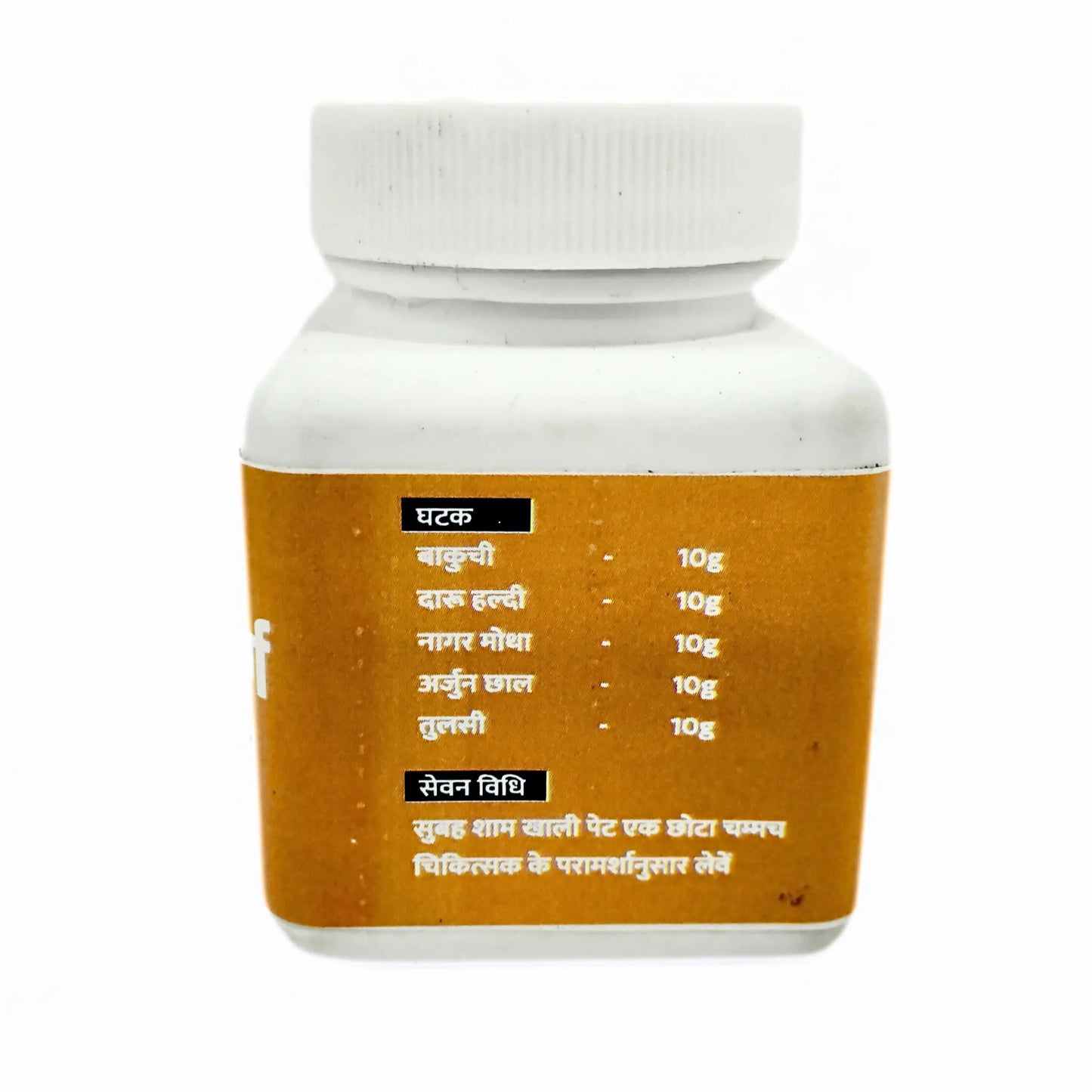
Bakuchi
Bakuchi is one of the most well-known herbs associated with Ayurvedic skin care.
It is traditionally used to support:
- Skin pigmentation
- Skin nourishment
- Healthy skin appearance
Neem
Neem is valued for its cleansing and skin-supporting properties.
Benefits include:
- Blood purification support
- Skin health maintenance
- Detoxification support
Manjistha
Manjistha is traditionally used in Ayurveda for healthy blood circulation and skin wellness.
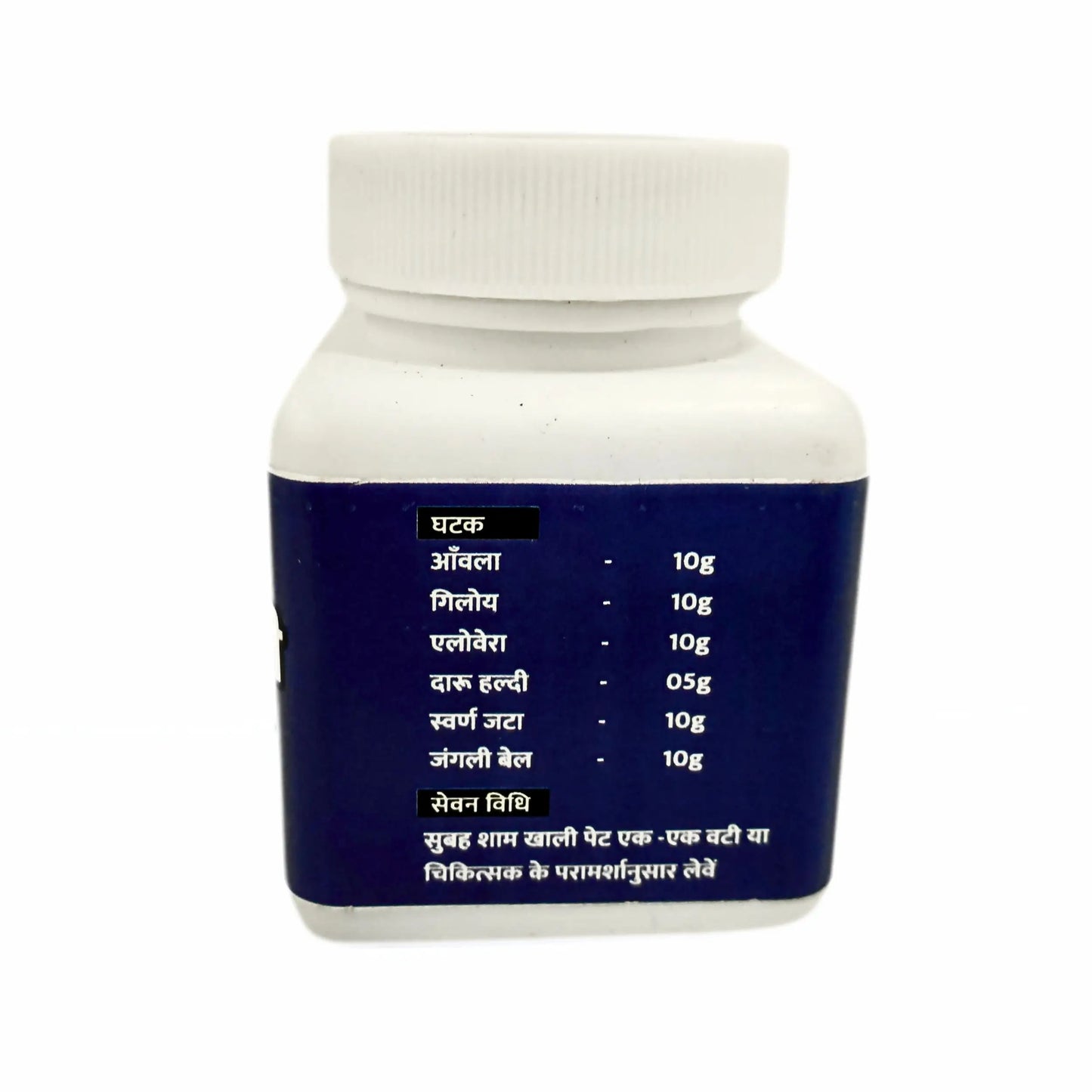
Giloy
Giloy supports:
- Immune health
- Detoxification
- Overall wellness
Amla
Amla provides natural antioxidants that help support healthy skin and overall health.
Lifestyle Support in Vitiligo and Ayurveda
Ayurveda emphasizes lifestyle management alongside herbal support.
Practice Stress Management
Stress can negatively affect skin health.
Helpful practices include:
- Meditation
- Deep breathing
- Yoga
Follow a Consistent Routine
A regular lifestyle supports better hormonal and digestive balance.
Stay Active
Daily physical activity improves circulation and overall wellness.
Avoid Harsh Chemicals
Use gentle skin-care products whenever possible.
Dietary Recommendations in Ayurveda
Diet plays an important role in Ayurvedic wellness.
Foods to Include
- Fresh fruits
- Green vegetables
- Whole grains
- Seasonal foods
- Plenty of water
Foods to Limit
- Excess processed foods
- Junk food
- Excess sugar
- Deep-fried foods
- Highly processed beverages
A balanced diet supports healthy skin from within.
Benefits of Choosing Ayurvedic Treatment
Many people choose Ayurvedic Treatment for Vitiligo because it focuses on overall wellness.
Potential benefits include:
- Natural approach
- Holistic care
- Better digestive health
- Improved lifestyle habits
- Long-term skin support
- Enhanced overall well-being

Vitiligo and Ayurveda A Long-Term Wellness Approach
Ayurveda views skin health as a reflection of internal health.
Instead of focusing only on visible patches, Ayurvedic care encourages:
- Healthy digestion
- Balanced nutrition
- Stress management
- Proper lifestyle habits
- Skin nourishment
This makes Vitiligo Ayurvedic Treatment a comprehensive approach to supporting skin wellness naturally.
Conclusion
Vitiligo is a skin condition that can affect both appearance and confidence, but understanding its causes and taking a holistic approach can help support overall skin health.
Vitiligo in Ayurveda is viewed as a condition connected to digestion, blood health, immunity, and lifestyle. Through proper diet, healthy habits, and carefully selected Ayurvedic Treatment for Vitiligo, Ayurveda aims to support the body's natural balance and skin wellness.
By combining herbal support, lifestyle improvements, and mindful self-care, individuals can take positive steps toward healthier skin and overall well-being.
Frequently Asked Questions (FAQs)
1. What is Vitiligo according to Ayurveda?
In Ayurveda, Vitiligo is known as Shwitra and is associated with dosha imbalance, toxin accumulation, and impaired skin health.
2. Can Ayurvedic treatment help support skin health in Vitiligo?
Ayurvedic treatment focuses on digestion, detoxification, blood purification, and overall wellness to support healthy skin.
3. Which herbs are commonly used in Ayurvedic Medicine for Vitiligo?
Bakuchi, Neem, Manjistha, Giloy, and Amla are among the commonly used herbs for skin wellness in Ayurveda.
4. Does diet matter in Vitiligo management?
Yes. Ayurveda considers a balanced diet important for maintaining healthy digestion, immunity, and skin health.
5. Why is stress management important in Vitiligo?
Stress may affect overall health and skin wellness. Practices such as yoga, meditation, and proper sleep can support overall well-being.