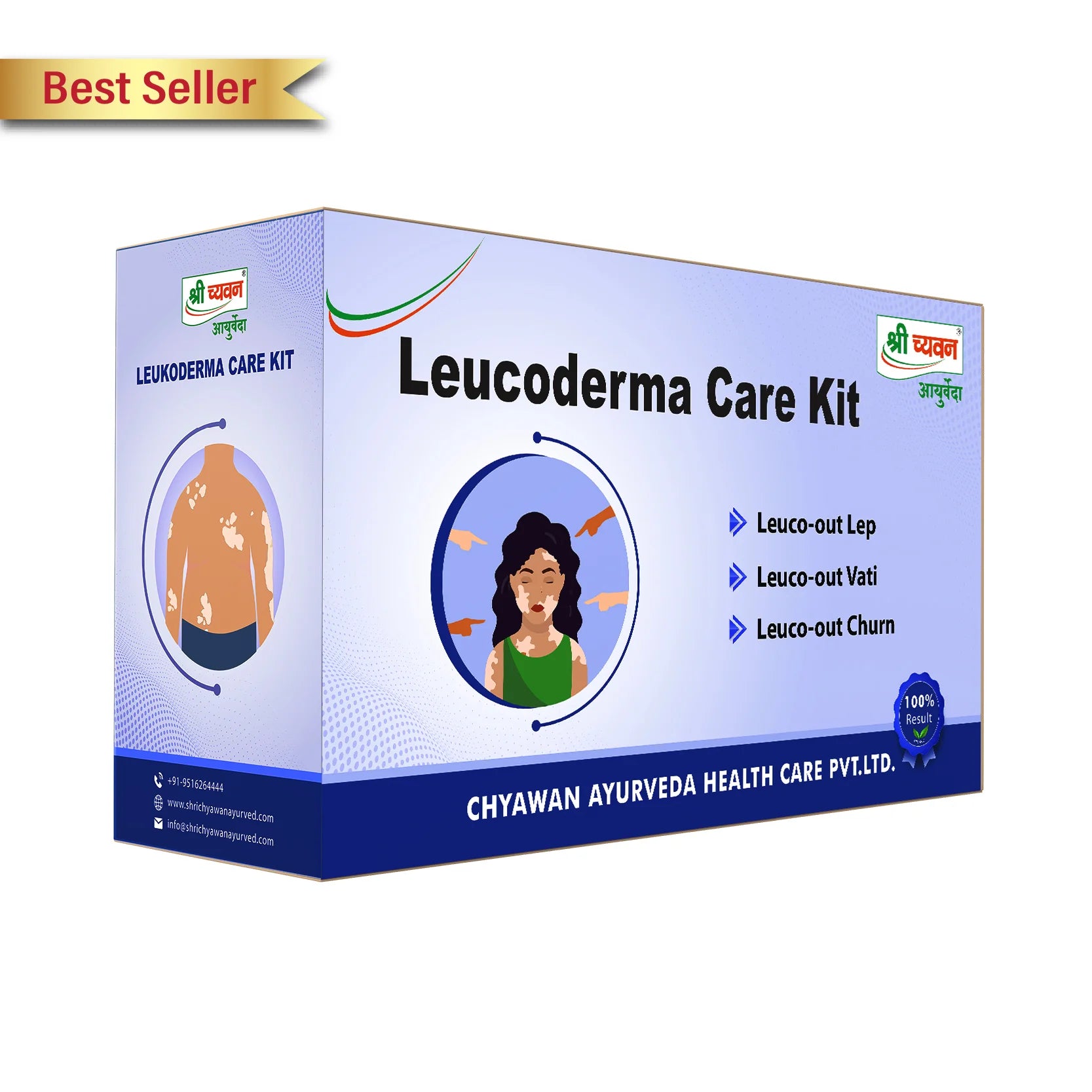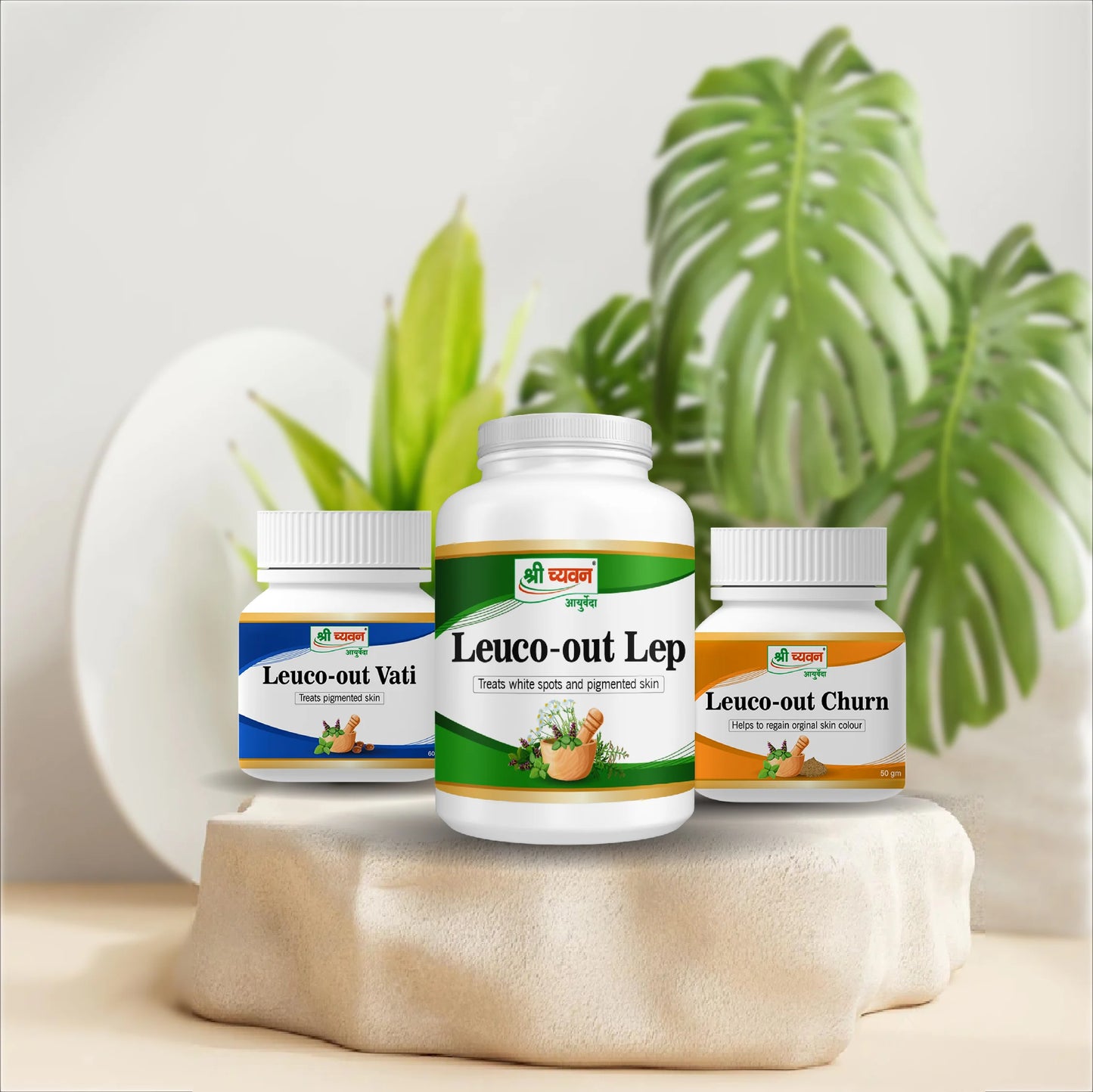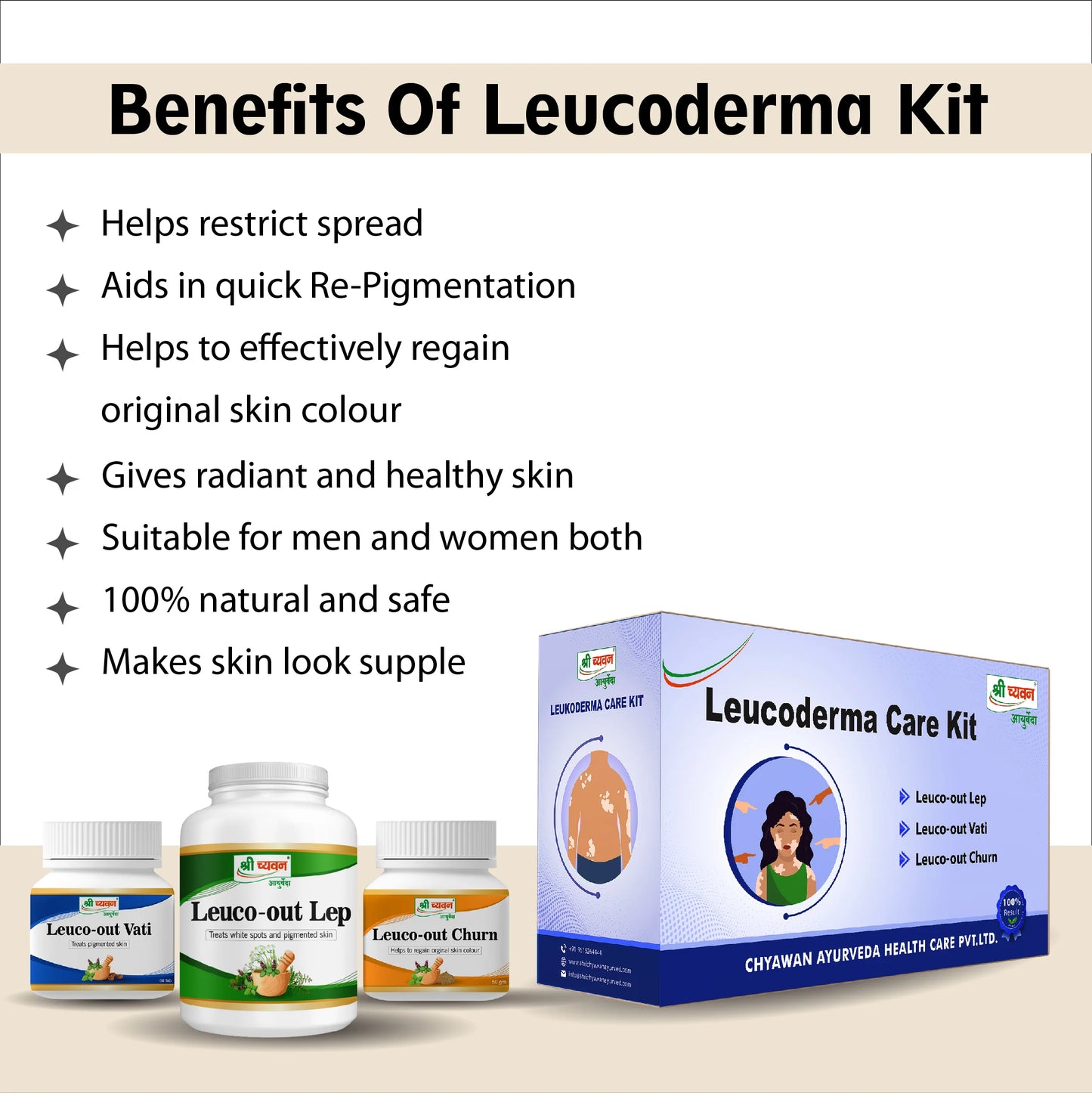

Vitiligo and leucoderma are skin conditions commonly associated with the appearance of white or lighter patches on different parts of the body. These patches may develop on the face, hands, feet, arms, legs, lips, or other areas. Although they are generally not contagious, visible skin changes can affect confidence and emotional well-being.
Many people in India explore Ayurveda because they prefer a holistic approach that considers skin health, lifestyle, digestion, nutrition, and overall wellness. Ayurvedic care may be used as a complementary approach under the guidance of a qualified practitioner. However, it is important to understand that no single remedy works for every person, and results may vary depending on the cause, duration, and extent of pigmentation changes.
This guide explains the important considerations before choosing leucoderma medicine, and practical skin-care habits for better long-term management.
Understanding Vitiligo and Leucoderma
Vitiligo is a condition in which the skin loses pigment-producing cells, resulting in white patches. It may affect people of any age, gender, or skin type. In some cases, the patches remain limited to a few areas, while in others, they may gradually spread.
The term leucoderma is often used to describe white patches on the skin. However, not every white patch is caused by vitiligo. Fungal infections, previous skin injuries, certain inflammatory conditions, nutritional problems, and other skin disorders can also cause changes in skin colour.
For this reason, it is essential to consult a dermatologist before beginning any treatment. A correct diagnosis helps identify the cause and prevents the use of unsuitable products or home remedies.
Why People Consider Ayurveda for Vitiligo
Ayurveda focuses on maintaining balance in the body and supporting overall health through diet, lifestyle, herbal preparations, and personalised care. In traditional Ayurvedic practice, skin conditions may be assessed in relation to digestion, metabolism, daily routine, and individual constitution.
People searching for vitiligo medicine in Ayurveda often look for a complete approach rather than relying only on topical products. Ayurvedic care may include:
- Personalised dietary recommendations
- Herbal formulations selected by a qualified practitioner
- Gentle external skin-care practices
- Lifestyle and stress-management guidance
- Support for digestion and regular daily habits
- Recommendations for adequate rest and physical activity
These approaches should be considered supportive rather than a guaranteed cure for vitiligo or leucoderma.
Ayurvedic Medicine for Vitiligo: What to Consider
When selecting Ayurvedic medicine for vitiligo, it is important to focus on quality, safety, and professional guidance instead of choosing a product only because it is advertised as the “best” option.
A reliable Ayurvedic product should have:
1. Clearly Mentioned Ingredients
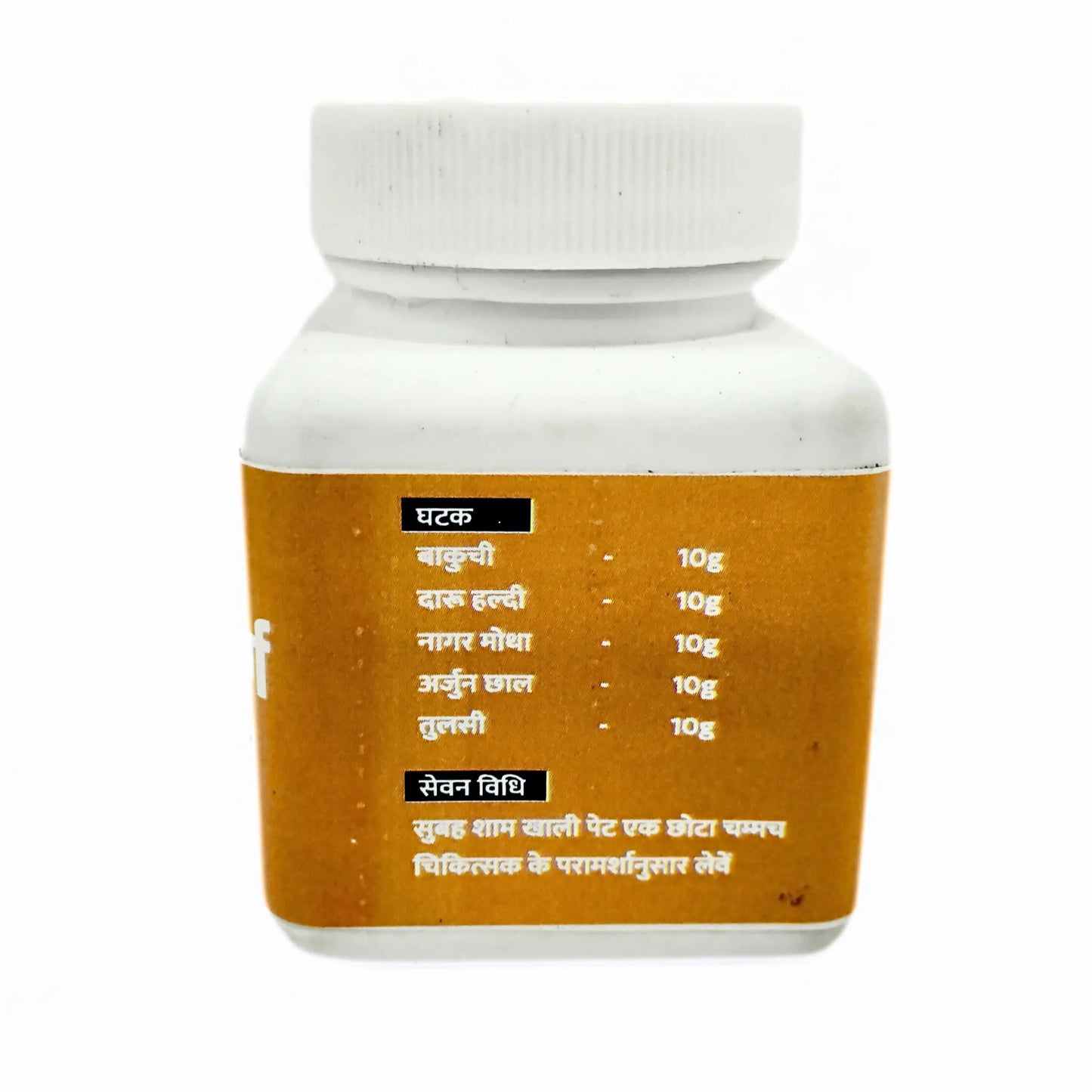
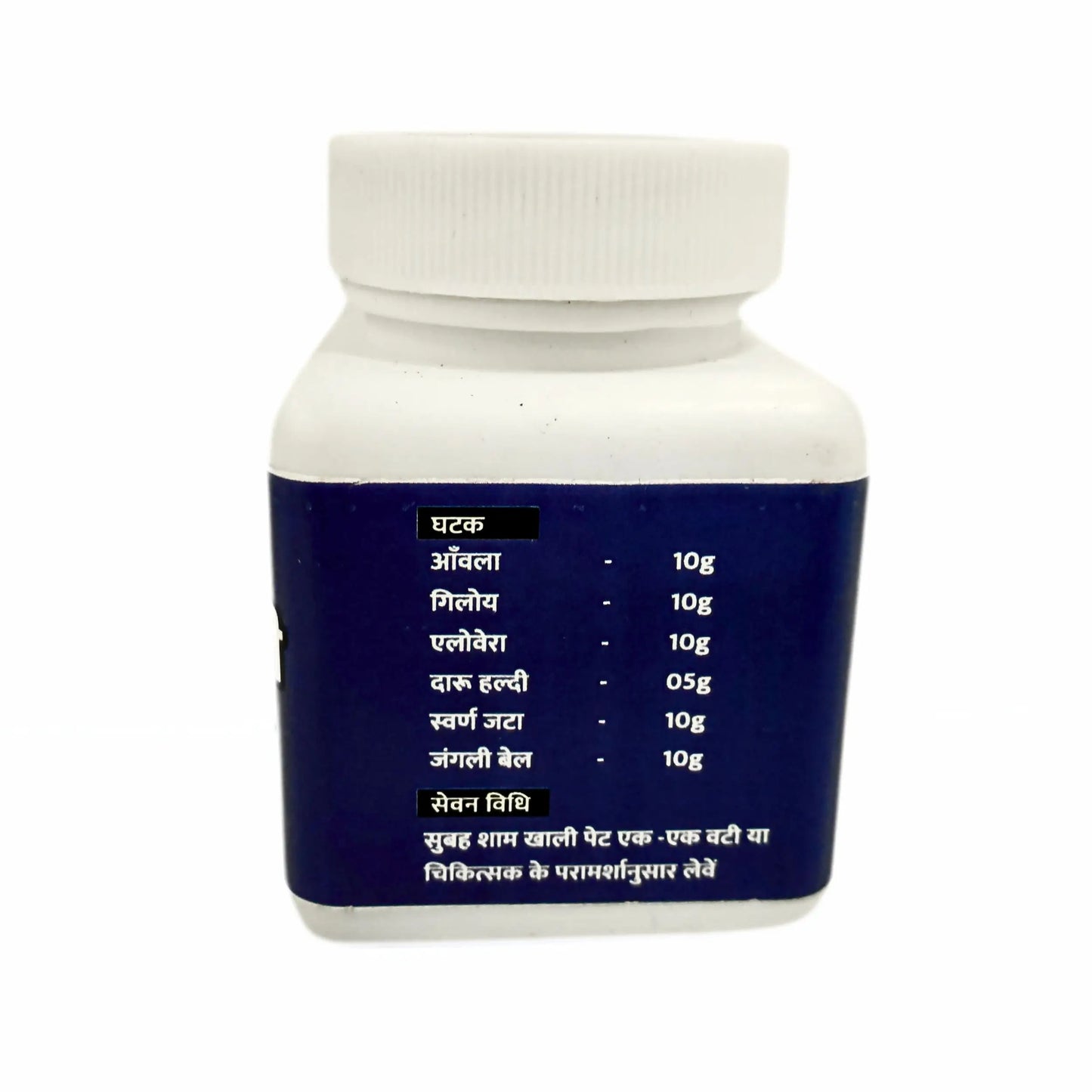
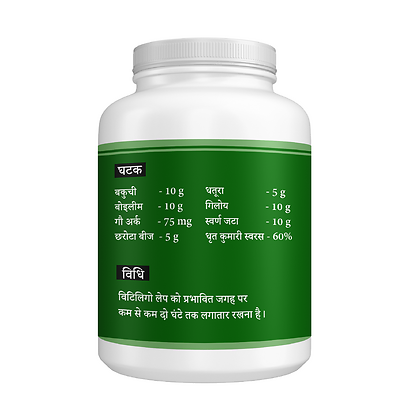
Check whether the product label provides complete information about its ingredients, dosage, directions for use, and precautions. Avoid products that do not clearly explain what they contain.
2. Proper Manufacturing Information
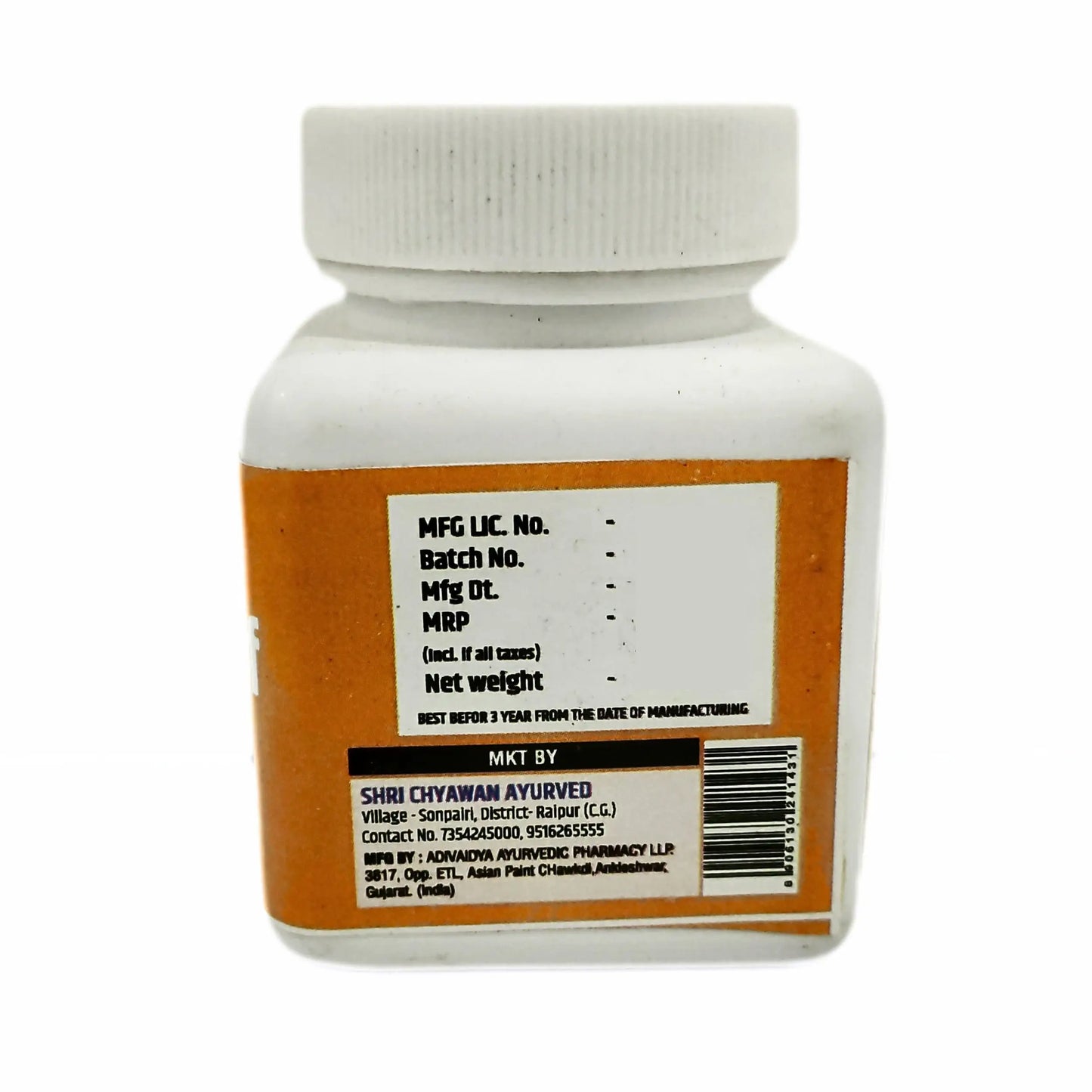
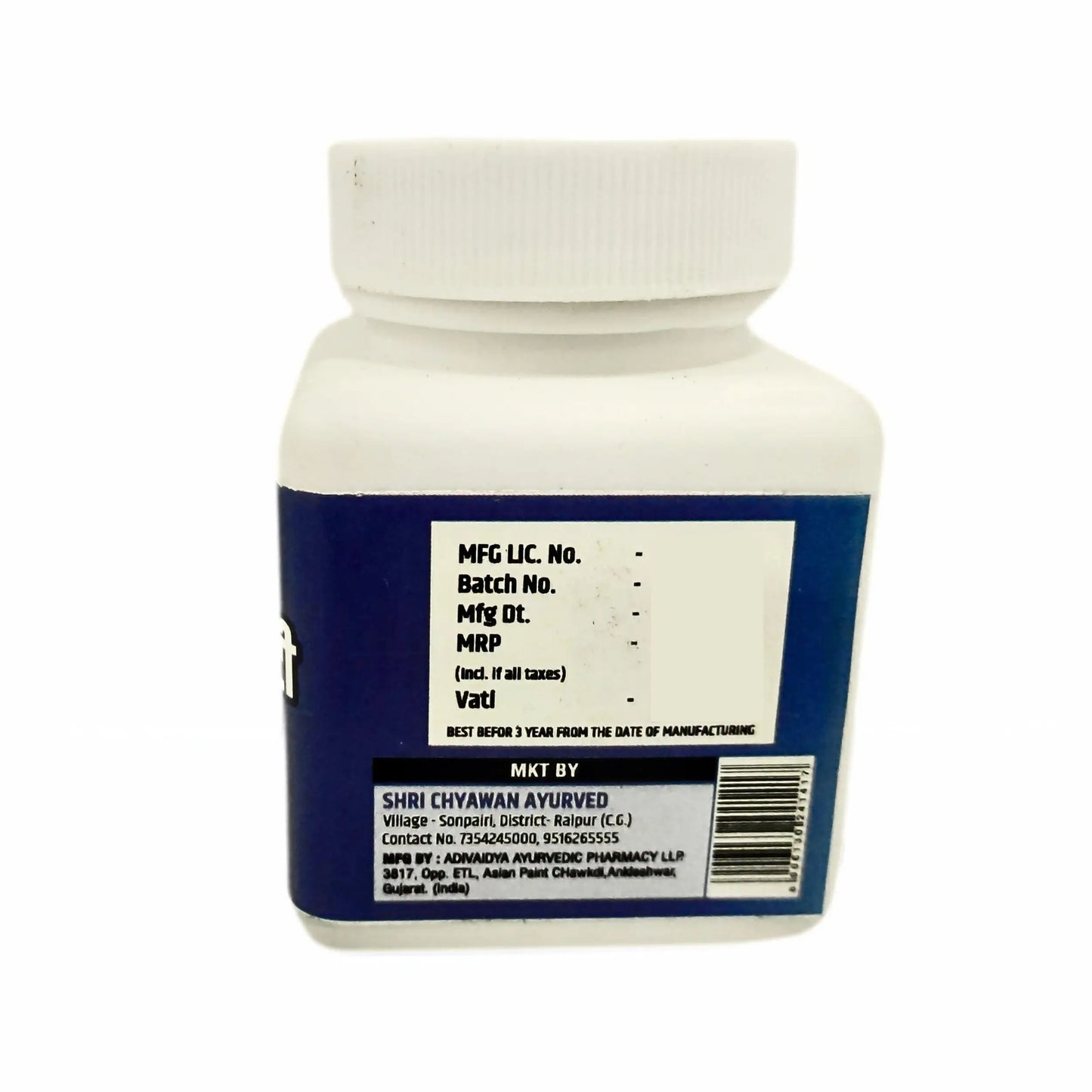
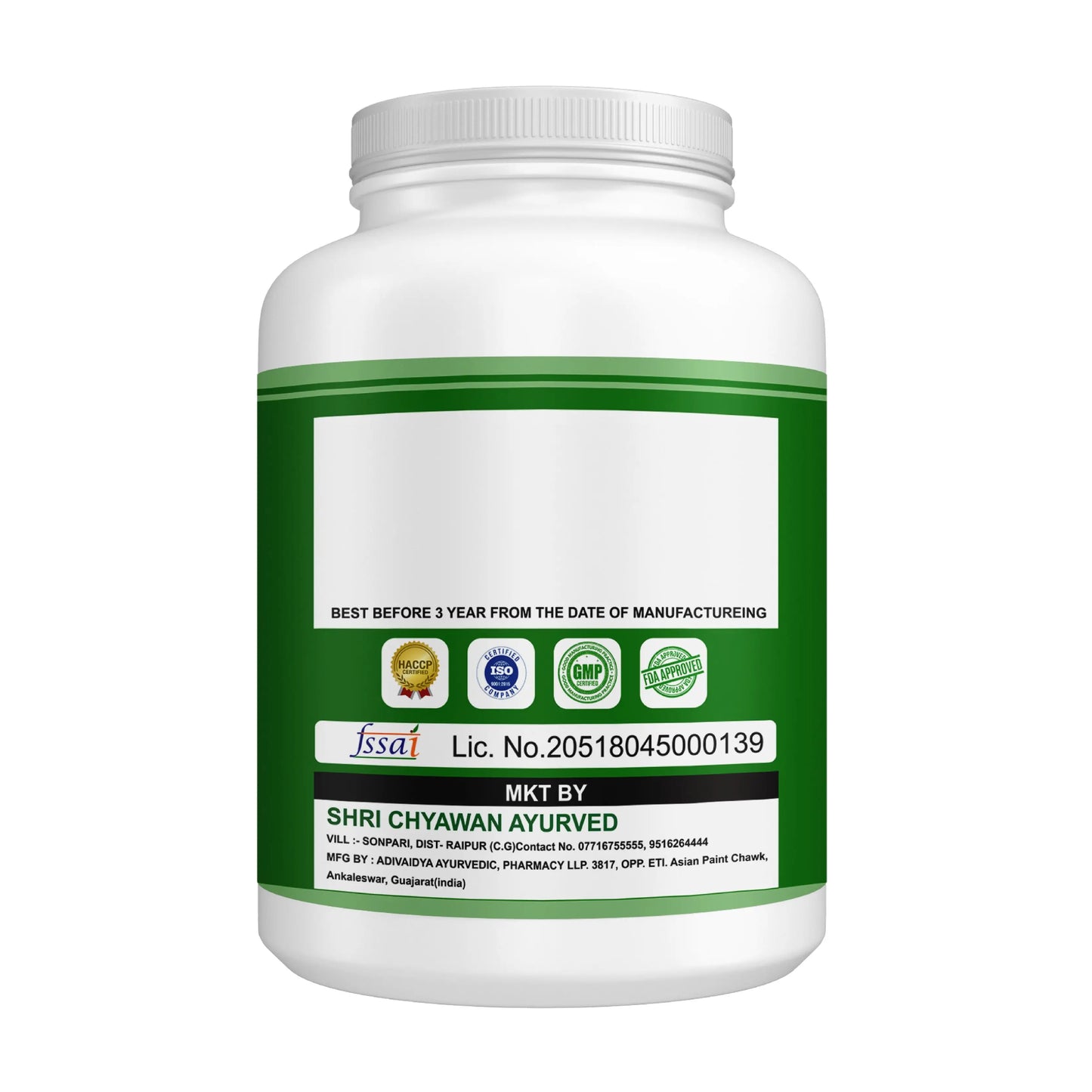
Choose products from a trustworthy manufacturer that follows appropriate quality and manufacturing standards. The packaging should include batch details, manufacturing information, expiry date, and customer-care details.

3. Realistic Product Claims
Be cautious of products that promise a permanent cure, instant pigmentation, or complete results within a few days. Skin pigmentation conditions can be complex, and improvement may not be predictable.
4. Professional Recommendation
The right formulation and dosage may differ from person to person. A qualified Ayurvedic practitioner can review your skin condition, medical history, current medicines, allergies, and treatment goals before recommending a product.
Exploring Ayurvedic Medicine for Leucoderma
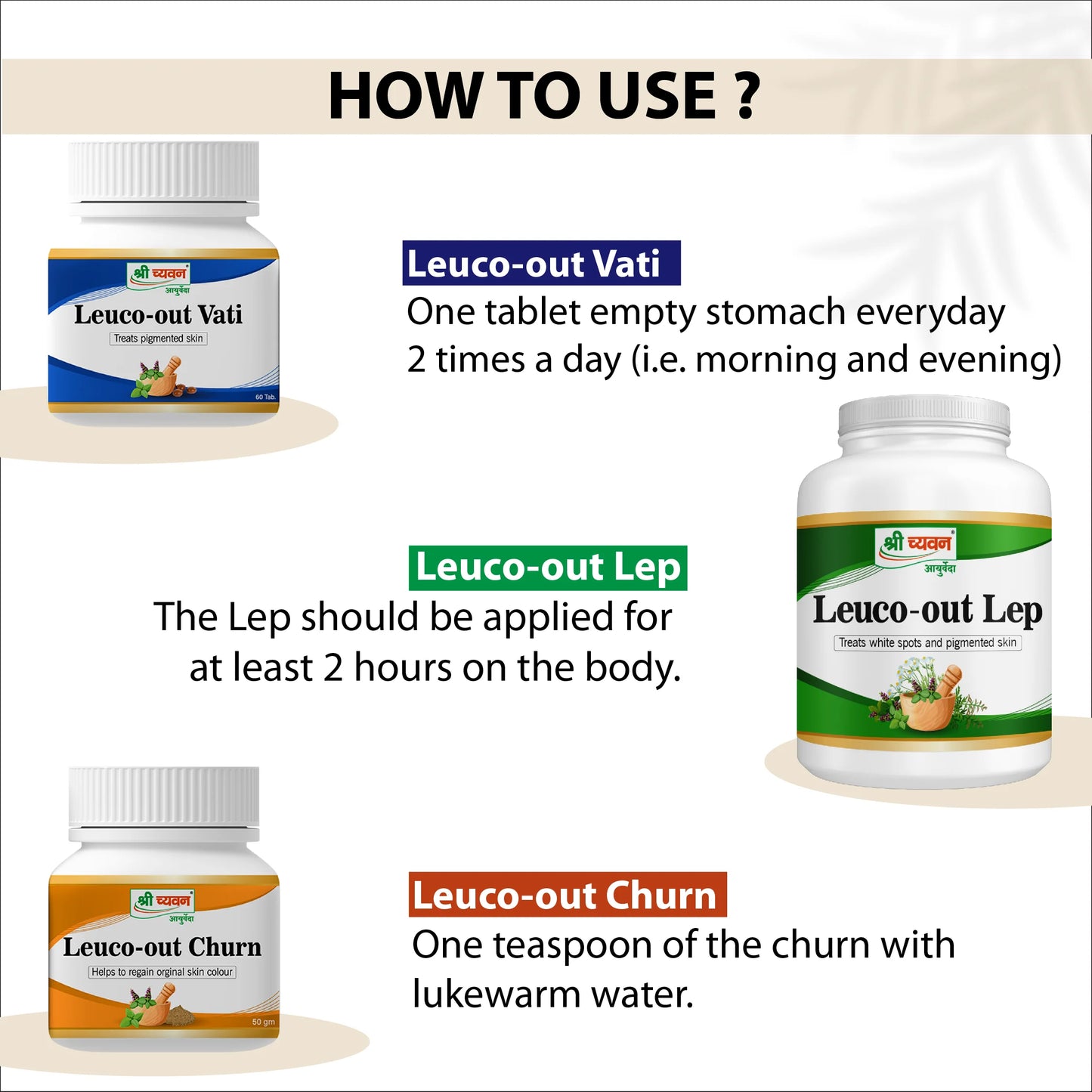
Ayurvedic medicine for leucoderma may find different types of formulations, including tablets, capsules, powders, oils, creams, and herbal combinations. However, the suitability of a product depends on the diagnosis and the individual’s health condition.
Oral products should not be taken without professional advice, especially by children, pregnant women, breastfeeding mothers, older adults, or people taking medicines for other health conditions. Herbal ingredients can sometimes cause side effects or interact with prescribed medicines.
Similarly, topical products should be tested carefully. Applying strong or irritating substances directly to white patches may cause redness, burning, inflammation, or additional skin damage. Never use an unknown preparation simply because it is described online as the best Ayurvedic medicine for leucoderma.
Can Ayurveda Support Leucoderma Treatment?
Leucoderma treatment in Ayurveda generally follows a holistic approach. Depending on the individual assessment, a practitioner may recommend dietary changes, herbal support, external applications, and lifestyle improvements.
Ayurvedic care may help a person develop better skin-care habits and maintain overall wellness. However, it should not replace medical evaluation or clinically recommended treatment. Some people may require dermatological therapies, phototherapy, or other treatment options depending on the type and progression of vitiligo.
A combined approach involving a dermatologist and a qualified Ayurvedic practitioner may help ensure that treatment remains safe, coordinated, and appropriate.

Diet and Lifestyle Tips for Better Skin Health
There is no universally proven diet that can cure vitiligo. Still, a balanced diet can support general health and help the body receive essential nutrients.
Consider including:
- Fresh seasonal fruits and vegetables
- Whole grains and pulses
- Adequate protein sources
- Nuts and seeds, if suitable for you
- Sufficient water throughout the day
- Foods rich in essential vitamins and minerals
Avoid extreme food restrictions unless recommended by a healthcare professional. Removing several food groups without a clear reason may lead to nutritional deficiencies.
A healthy routine should also include regular sleep, moderate physical activity, stress management, and avoidance of tobacco. Stress does not necessarily cause vitiligo, but managing stress may support emotional well-being and treatment consistency.
Frequently Asked Questions
1. Is Ayurvedic medicine for vitiligo suitable for everyone?
No. Suitability depends on age, diagnosis, medical history, allergies, and current medicines. Always consult a qualified practitioner before use.
2. What is the best Ayurvedic medicine for vitiligo?
There is no single product that can be considered the best for everyone. The appropriate option depends on the individual condition and should be selected with professional guidance.
3. Can leucoderma be treated permanently with Ayurveda?
A permanent cure cannot be guaranteed. Ayurveda may be used as a supportive approach, but treatment results vary and medical evaluation remains important.
4. Can I use Ayurvedic Lep on white patches?
Only use a topical product after checking its ingredients and suitability with a healthcare professional. Avoid strong or unknown preparations.
5. Is vitiligo contagious?
Vitiligo is generally not contagious. It does not spread through touching, sharing food, or close personal contact.
Conclusion
Choosing Ayurveda for leucoderma or vitiligo should involve careful research, realistic expectations, and professional advice. A quality-focused approach to Ayurvedic medicine for leucoderma, balanced nutrition, sun protection, and regular medical follow-up can support better skin wellness.
Instead of searching only for the fastest solution, focus on accurate diagnosis, safe products, consistent care, and a personalised treatment plan. With the right guidance, individuals can take informed steps toward managing vitiligo and maintaining healthy skin.