
Vitiligo is a long-term skin condition in which areas of the skin lose their natural pigment, creating lighter or white patches. These changes can appear on the face, hands, feet, arms, legs, or other parts of the body. Although vitiligo is not contagious, visible patches can sometimes affect confidence and emotional well-being.
With growing interest in traditional wellness in India, many people search for Ayurveda and natural approaches to skin care. Ayurveda offers a holistic health system that considers diet, lifestyle, digestion, stress, and individual health needs along with skin care.
However, choosing an Ayurvedic Medicine should not be based only on advertising claims such as "fast cure" or "permanent cure." There is no single treatment that works for everyone, and modern dermatology sources also emphasize that vitiligo treatment needs to be individualized.
This guide explains what to consider when choosing Ayurvedic care for vitiligo and how to make the process safer and more informed.
Understanding Vitiligo Before Choosing a Treatment
White patches do not always mean vitiligo. Several skin conditions can cause areas of lighter or white-looking skin. The American Academy of Dermatology recommends getting an accurate diagnosis because conditions such as tinea versicolor and changes following skin injury can also produce lighter patches.
A dermatologist may examine the affected areas, review your medical history, and perform additional evaluation when required.
Once vitiligo has been diagnosed, the next step is understanding its type, location, extent, and whether the patches are stable or changing. These factors can influence the management plan.
What Does Ayurveda for Vitiligo Focus On?
Ayurveda for Vitiligo traditionally takes a broader approach to wellness. Instead of looking only at the visible patches, Ayurvedic care may consider an individual's diet, digestion, lifestyle, sleep, stress, and overall constitution.
This holistic approach can include:
- Balanced dietary habits
- A consistent daily routine
- Physical activity
- Stress management
- Skin-care practices
- Traditional herbal formulations under professional supervision
It is important to understand that these practices should be considered supportive wellness measures rather than a guaranteed cure for vitiligo.
How to Choose the Right Ayurvedic Medicine for Vitiligo
1. Start With an Accurate Diagnosis
Before searching for the Best Ayurvedic Medicine for Vitiligo, confirm that the white patches are actually caused by vitiligo.
This is especially important if:
- The patches have appeared recently
- They are spreading quickly
- The skin is itchy or scaly
- New areas are developing
- The diagnosis is uncertain
A correct diagnosis prevents you from treating the wrong condition.
2. Consult a Qualified Ayurvedic Practitioner
Ayurvedic medicine is not necessarily a one-size-fits-all approach. A qualified practitioner can consider your health history, current medicines, lifestyle, and individual requirements before recommending a formulation.
If you are using both Ayurvedic and conventional treatment, inform both healthcare providers. The National Center for Complementary and Integrative Health recommends discussing complementary approaches with healthcare professionals and checking for possible interactions involving herbal products.
3. Check the Ingredients Carefully
When considering Vitiligo Medicine in Ayurveda, do not select a product simply because it is labelled "natural."
Read the complete ingredient list and check:
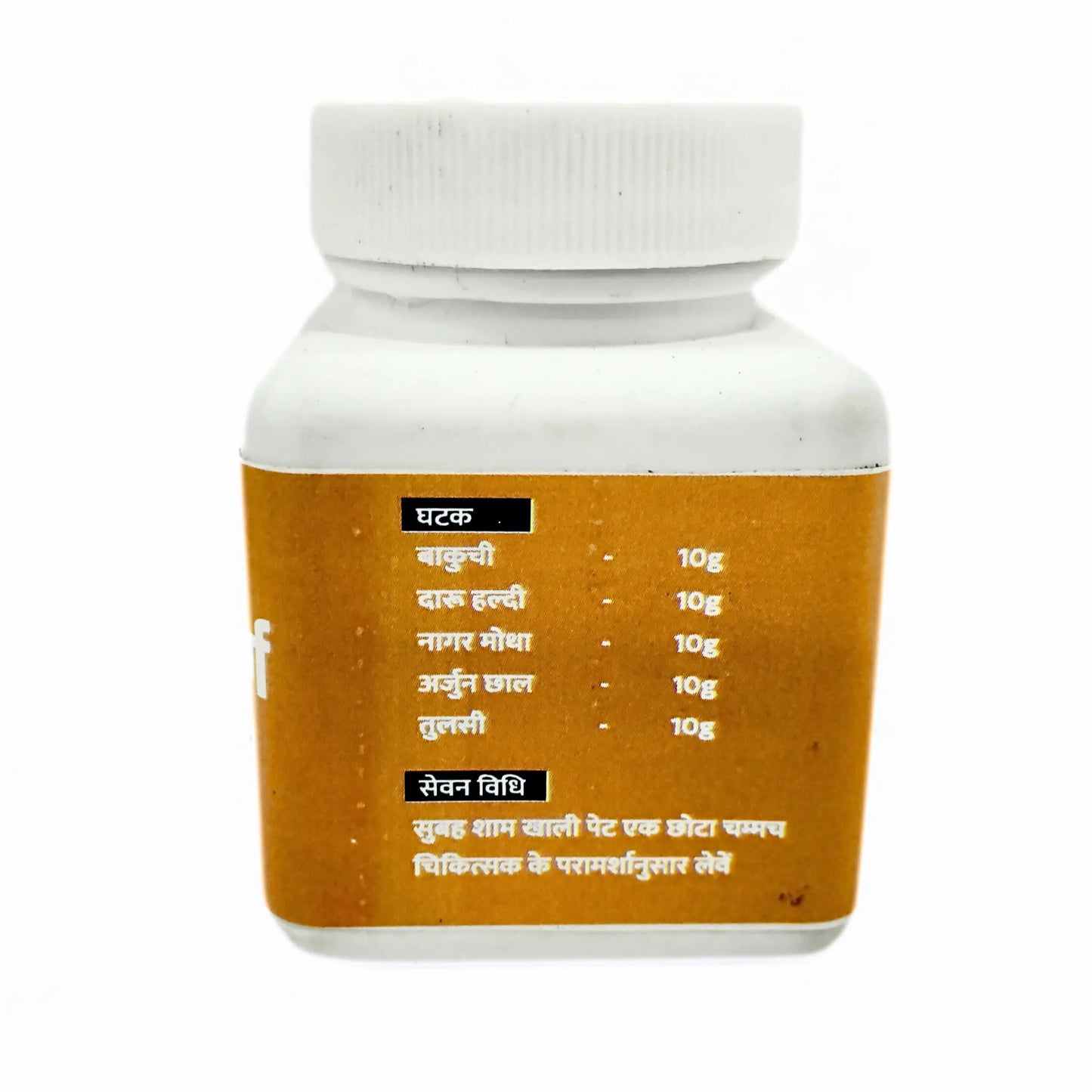
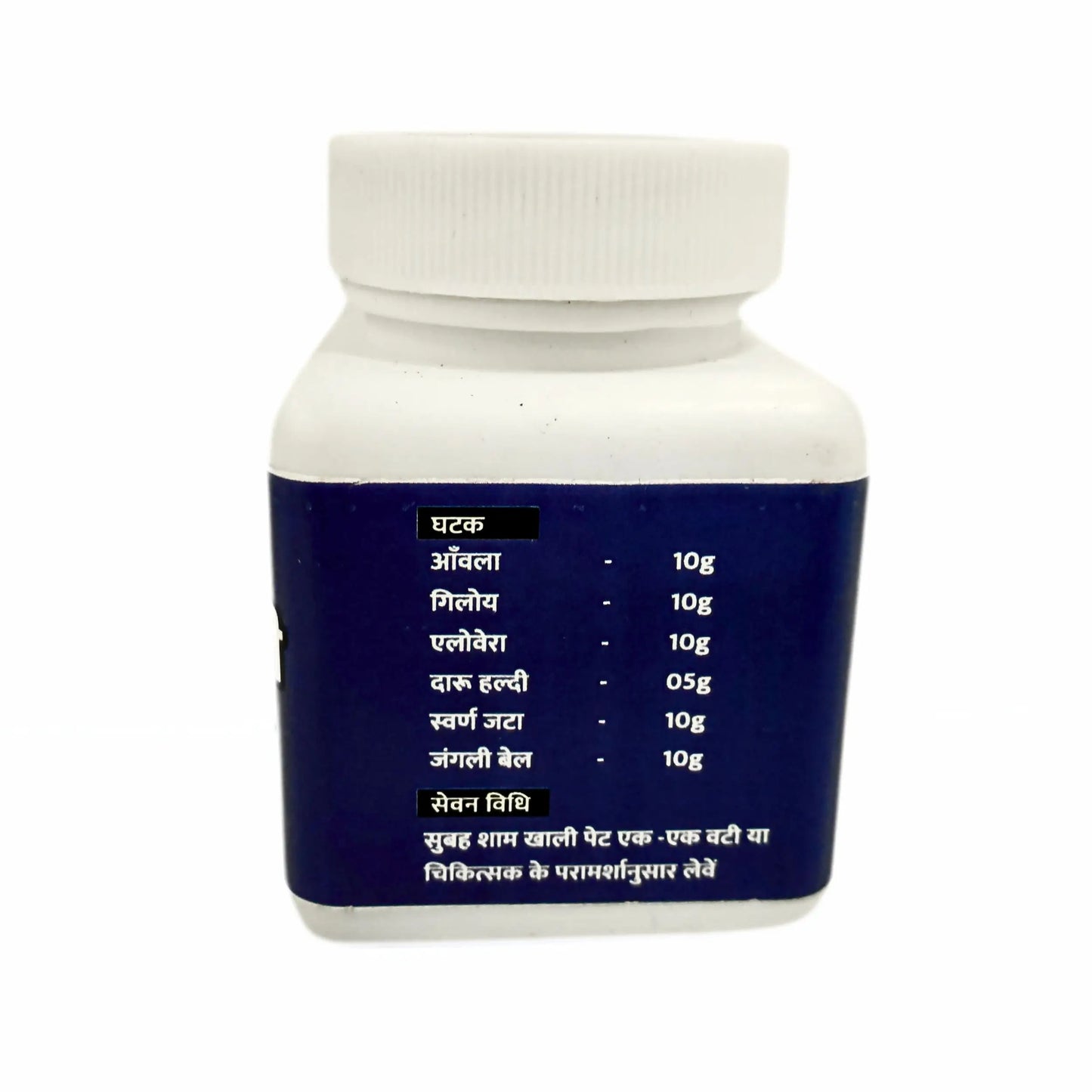
- The names of herbs and ingredients
- Recommended dosage
- Directions for use
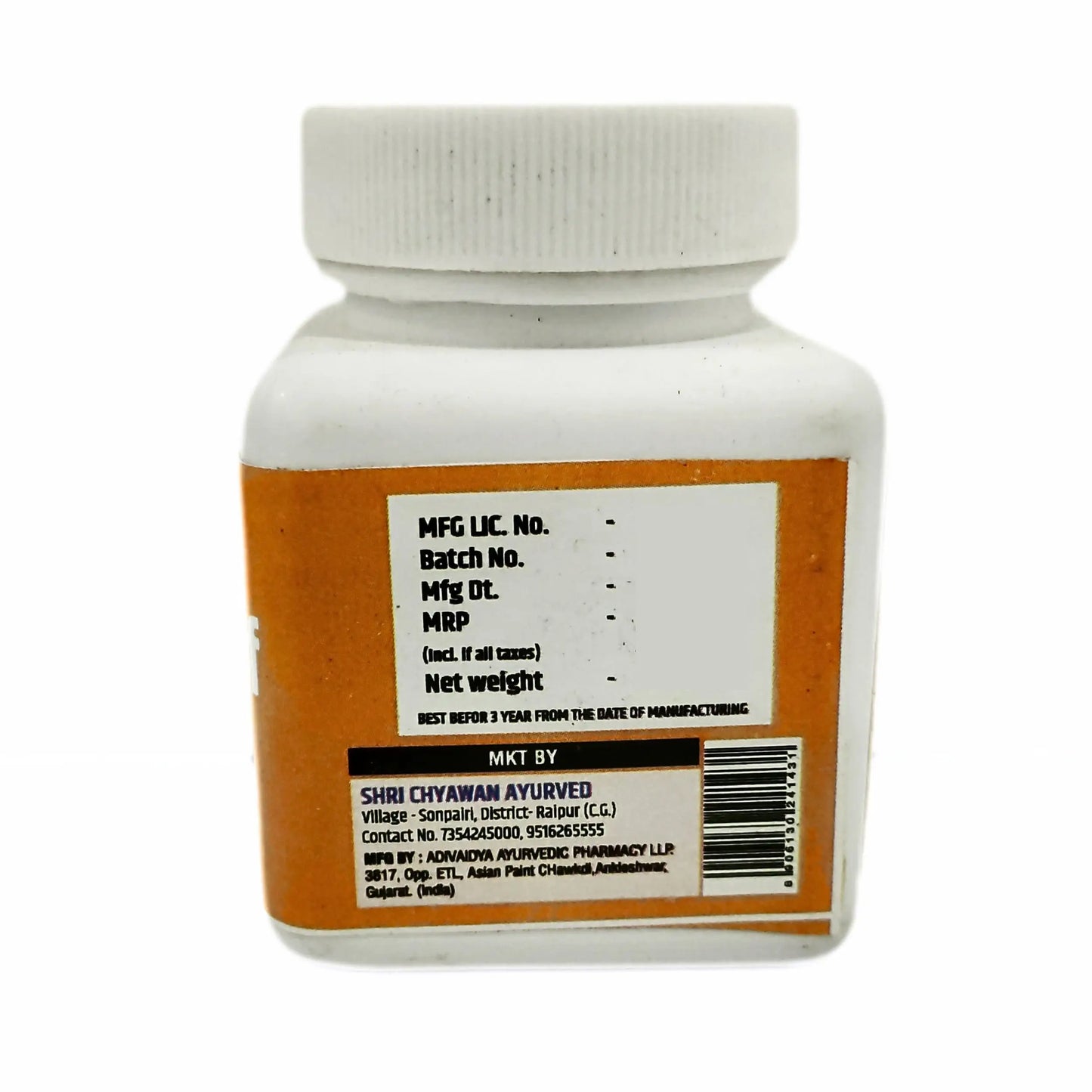
- Manufacturer information
- Batch and expiry details
- Appropriate regulatory or quality information
Natural does not automatically mean risk-free. Herbal products can have side effects or interact with other medicines.
4. Avoid Unrealistic Claims
Be cautious of products that promise:
- A guaranteed permanent cure
- Complete removal of every white patch
- Results within a few days
- Guaranteed repigmentation for everyone
- No need for professional diagnosis
Vitiligo can behave differently from person to person, and even established treatments may work gradually or may not control the spread in every individual.
A responsible approach should explain both potential benefits and limitations.
The Role of Traditional Ayurvedic Herbs
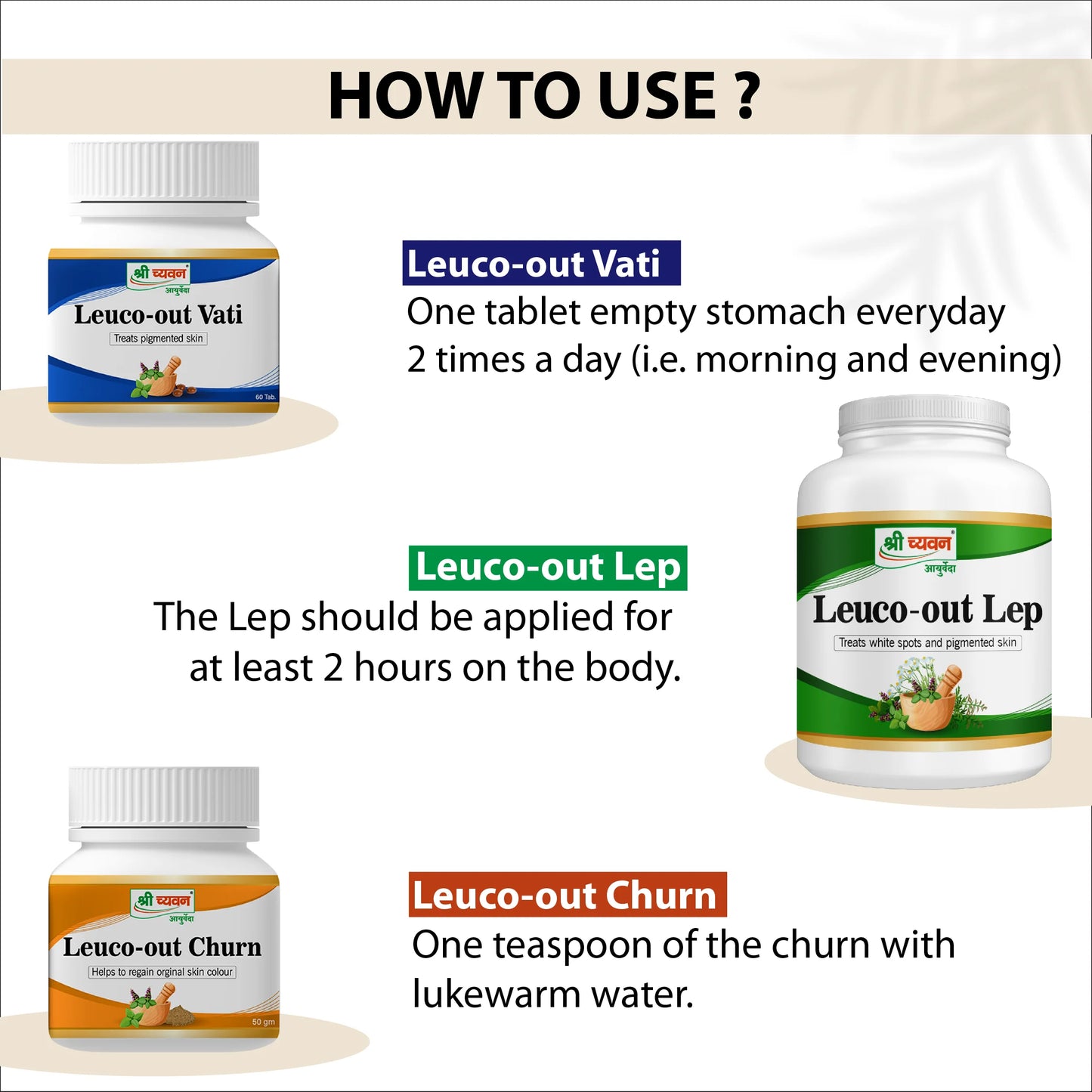
Ayurvedic medicine includes numerous herbs traditionally used for skin and general wellness. Some formulations may contain ingredients such as Bakuchi, Neem, Manjistha, Amla, or other botanicals.
However, the presence of a traditional herb does not automatically establish that a particular formulation can cure vitiligo. Scientific evidence for complementary approaches varies, and authoritative health resources advise consumers to consider available evidence, safety, and possible interactions before using herbal products.
For this reason, herbal ingredients should be selected based on professional guidance rather than internet claims or recommendations from unverified sources.

Diet and Vitiligo Wellness
There is no universally proven "vitiligo diet" that can cure the condition. However, maintaining a balanced diet is important for general health.
A practical Indian diet can include:
- Seasonal fruits
- Green vegetables
- Pulses and legumes
- Whole grains
- Nuts and seeds
- Adequate fluids
- Freshly prepared meals
Instead of following restrictive diets based on social media claims, focus on nutritional balance and variety.
If you have a known nutritional deficiency, your doctor may recommend appropriate testing and supplementation.
Lifestyle Habits That Support Overall Skin Health
Choosing Vitiligo Treatment in Ayurveda can be accompanied by healthy daily habits.
Manage Stress
Vitiligo can sometimes create emotional stress because of visible changes in appearance. Meditation, yoga, breathing exercises, hobbies, and social support may help improve emotional well-being.
Maintain Regular Sleep
A consistent sleep routine supports general physical and mental health.
Stay Active
Walking, yoga, stretching, and other suitable physical activities can support overall fitness.
Protect Depigmented Skin
Areas affected by vitiligo contain less melanin and are more vulnerable to sunburn. Sun protection is therefore an important part of daily skin care. The NHS recommends strong sun protection for people with vitiligo, including sunscreen with SPF 50 or above.

Ayurvedic Medicine and Conventional Vitiligo Care
Choosing Ayurveda does not necessarily mean avoiding dermatological care.
Vitiligo has several medically recognized management options, depending on the individual's condition. These may include topical treatments, phototherapy, camouflage products, and other options recommended by a dermatologist.
If you prefer Ayurveda, it can be discussed as a complementary approach with your healthcare providers rather than automatically replacing proven medical treatment. NCCIH specifically advises against using an unproven complementary approach as a substitute for necessary conventional care or delaying medical attention.
Conclusion
Choosing the right Ayurvedic Medicine for Vitiligo requires more than searching for the product with the word "best" on its label. A responsible approach starts with an accurate diagnosis, professional guidance, transparent ingredients, realistic expectations, and attention to overall health.
Ayurveda be explored as part of a holistic wellness plan, particularly when combined with healthy nutrition, stress management, appropriate skin care, and regular professional monitoring. However, there is currently no universally proven Ayurvedic medicine that can guarantee a cure for vitiligo. Evidence for complementary approaches remains limited, so informed decision-making is important.
For people in India searching for Vitiligo Treatment and Medicine the safest strategy is to choose quality-conscious products, consult qualified practitioners, and avoid replacing necessary medical care with unproven claims.