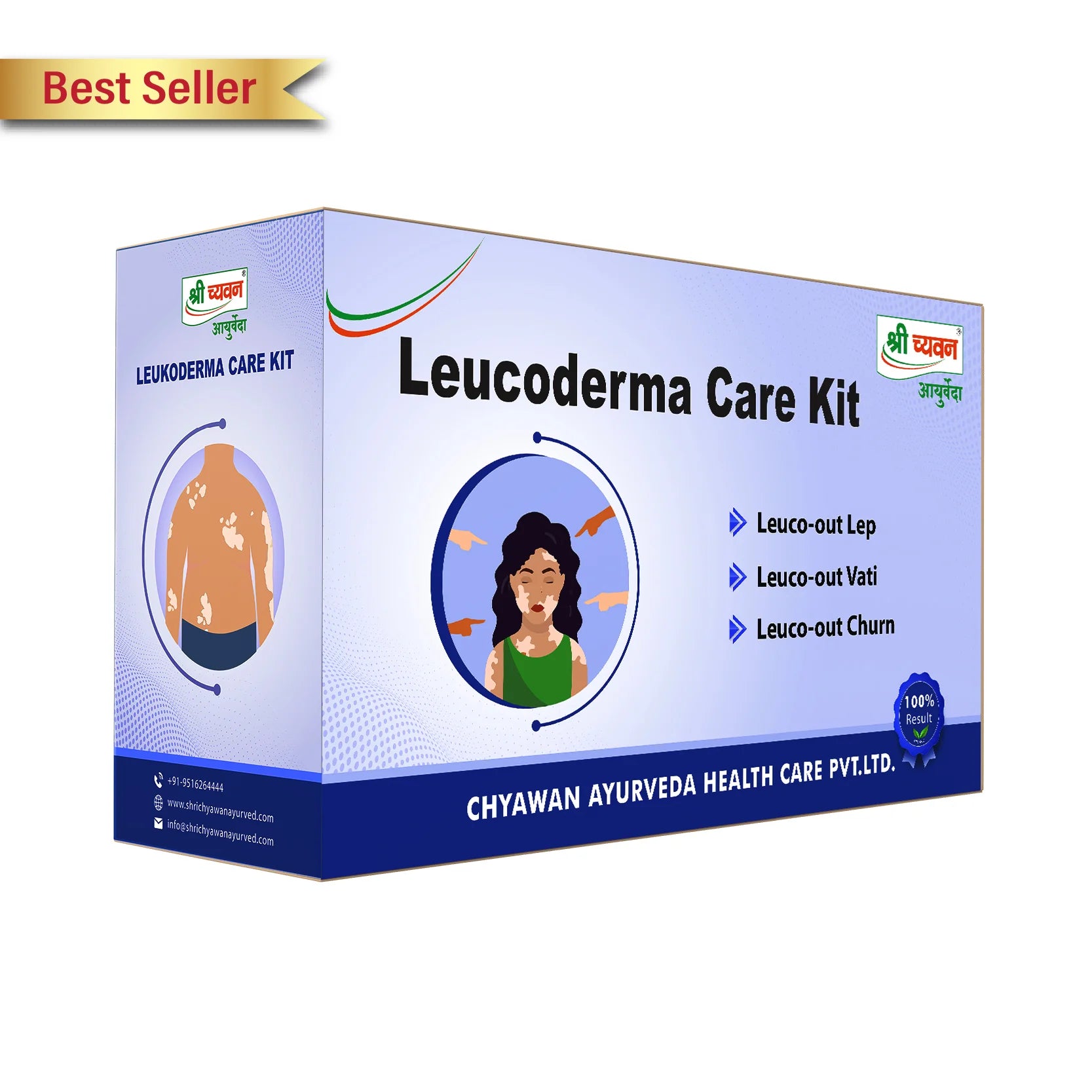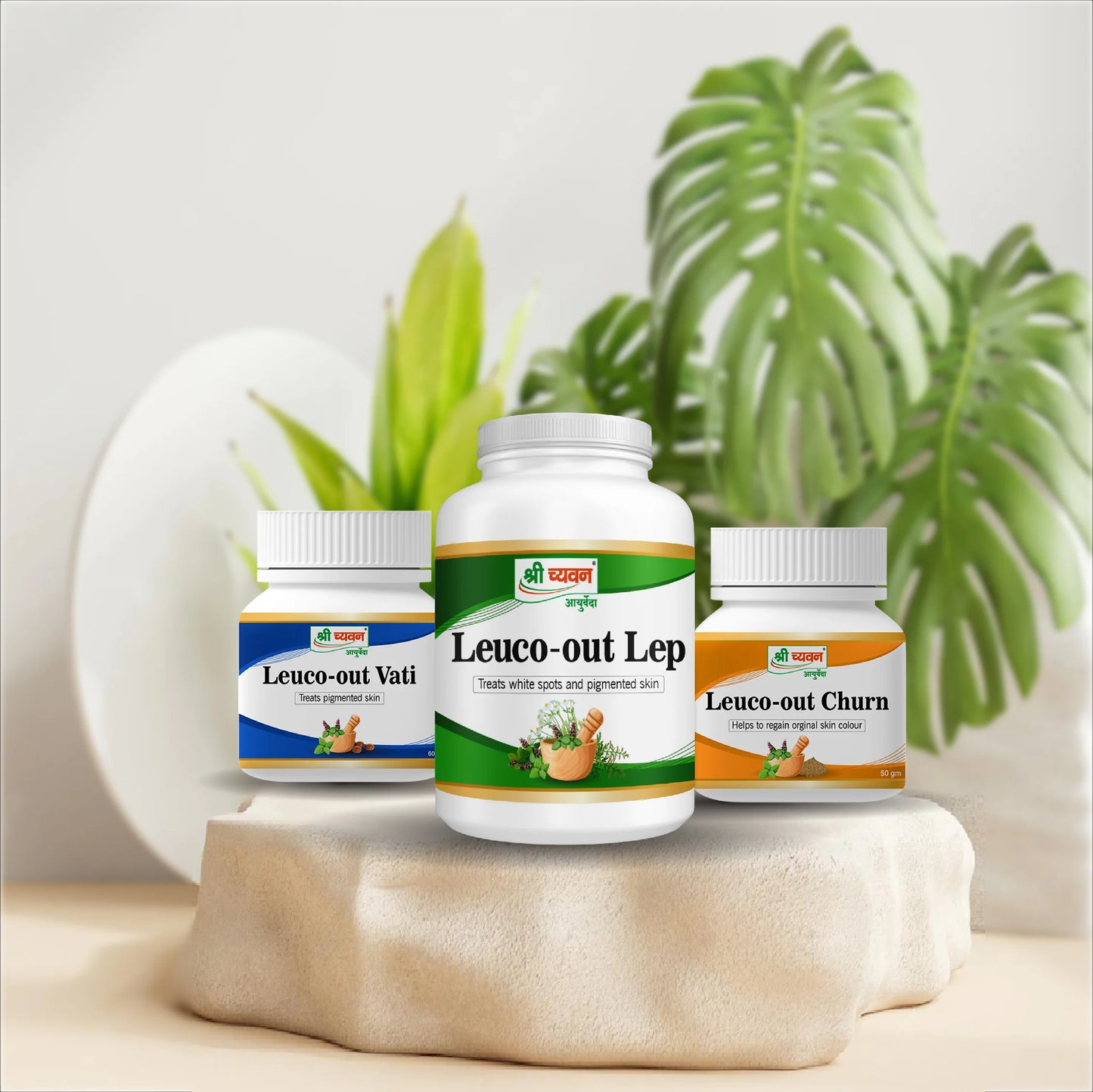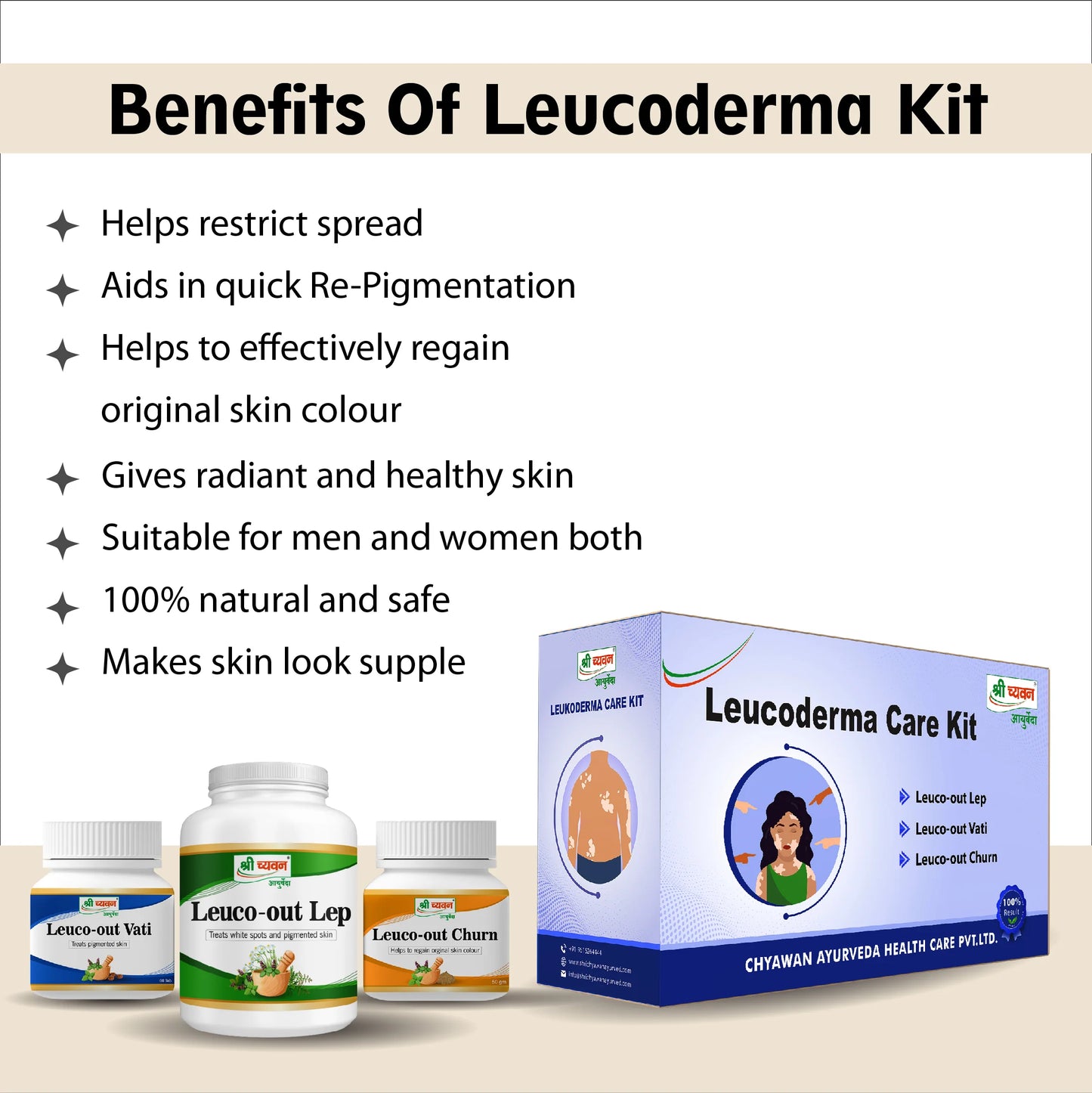

Vitiligo is a skin condition that causes the loss of natural skin colour, leading to white or lighter patches on different parts of the body. These patches may appear on the face, hands, arms, legs, feet or other areas. Although vitiligo is not contagious, changes in skin pigmentation can affect confidence and emotional well-being.
In India, many people explore Ayurveda for Vitiligo because they are interested in traditional wellness practices and personalised approaches to skin care. However, choosing a suitable treatment requires more than searching online for the best product. Understanding the condition, identifying individual skin health needs and consulting qualified professionals are important steps.
This guide explains how to evaluate Ayurvedic Treatment what to consider when comparing treatment options, and how to build a responsible skin-care routine.
Understanding Vitiligo and Its Individual Differences
Vitiligo occurs when pigment-producing cells called melanocytes are damaged or stop functioning properly. This reduces melanin, the pigment responsible for skin colour, and results in lighter patches.
Vitiligo can affect people of any age, gender or skin type. Some individuals develop a few small patches, while others experience more extensive changes. The condition may remain stable for a period or progress over time.
It is also important to understand that not every white patch is vitiligo. Fungal infections, inflammation, previous skin injuries and other conditions can cause similar changes. A dermatologist can examine the affected areas and determine the likely cause before treatment begins.
Why Individual Needs Matter When Choosing Treatment
There is no single treatment that is suitable for every person with vitiligo. The appropriate approach depends on several factors, including the diagnosis, affected body areas, progression, age, general health and personal treatment preferences.
Before choosing Ayurvedic Treatment for Vitiligo, consider the following aspects.
1. The Location of White Patches
Patches on the face, hands, feet and other body areas may respond differently to treatment. Their location can also influence skin-care needs and sun protection.
A dermatologist can help assess the affected areas and explain the available options.
2. The Duration and Progression of the Condition
It is useful to know when the patches first appeared and whether they have changed in size or number. Keeping a simple record of skin changes can help healthcare professionals monitor the condition over time.
Avoid judging treatment success based on a few days of use. Changes in pigmentation can take time, and results vary between individuals.
3. Overall Health and Existing Medicines
Your medical history matters when considering any treatment. If you have other health conditions, allergies or take prescription medicines, share this information with your healthcare providers before starting herbal products.
Understanding Ayurveda for Vitiligo
Ayurveda, follows a traditional approach that considers the individual's overall health, daily habits, diet and lifestyle. A qualified Ayurvedic practitioner may assess these factors before recommending a personalised care plan.
Depending on the assessment, recommendations may involve traditional herbal preparations, dietary guidance, external skin-care practices and lifestyle adjustments.
However, traditional use does not automatically establish that a remedy is effective for vitiligo. Scientific evidence supporting specific Ayurvedic products for restoring pigmentation remains limited. Ayurveda should therefore be considered carefully and should not replace necessary dermatological evaluation or prescribed treatment.
A balanced approach focuses on informed decisions, realistic expectations and product safety.

How to Evaluate Ayurvedic Treatment for Vitiligo
When researching Vitiligo Ayurvedic Treatment, it is important to evaluate the product rather than relying only on advertising or testimonials.
Check the Ingredients
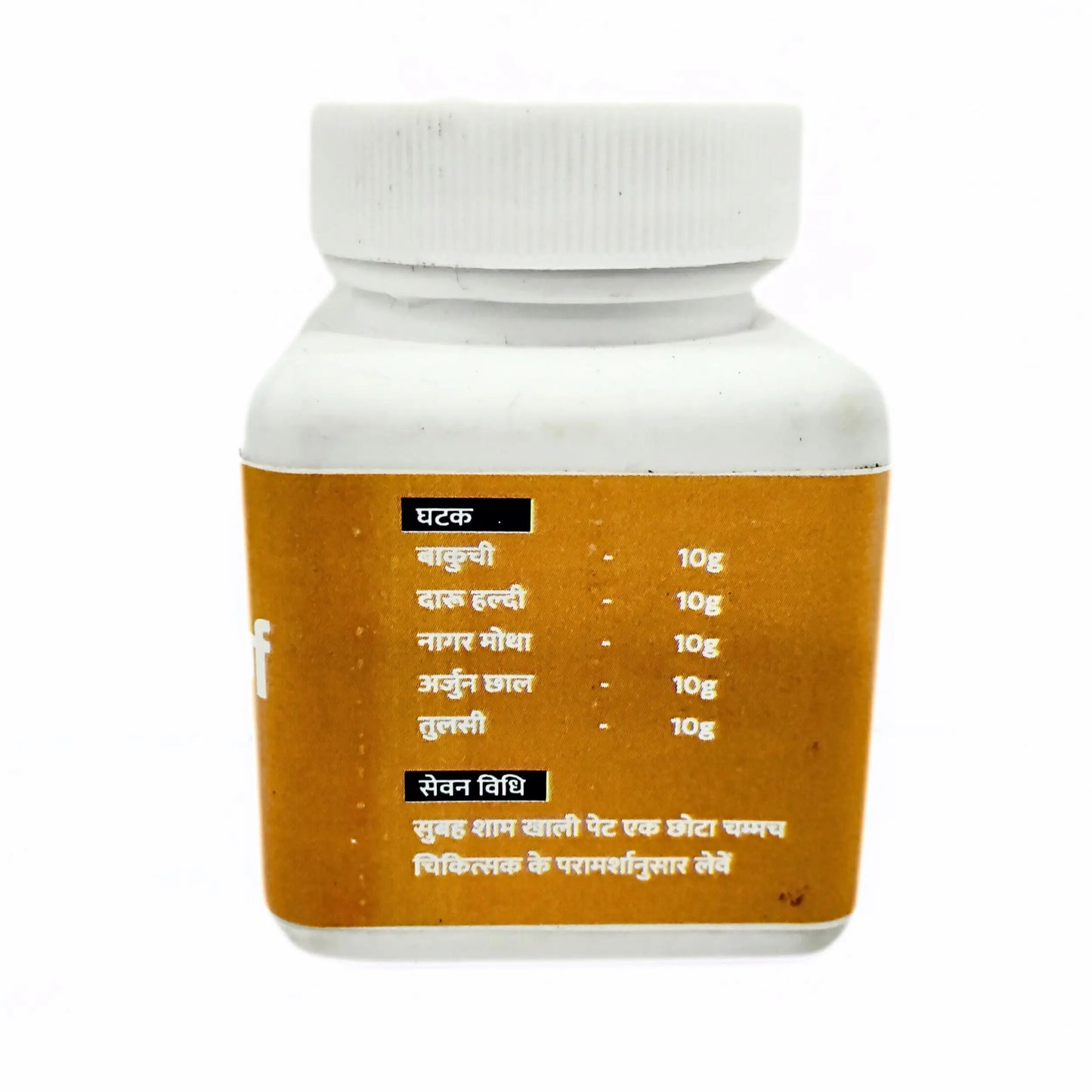
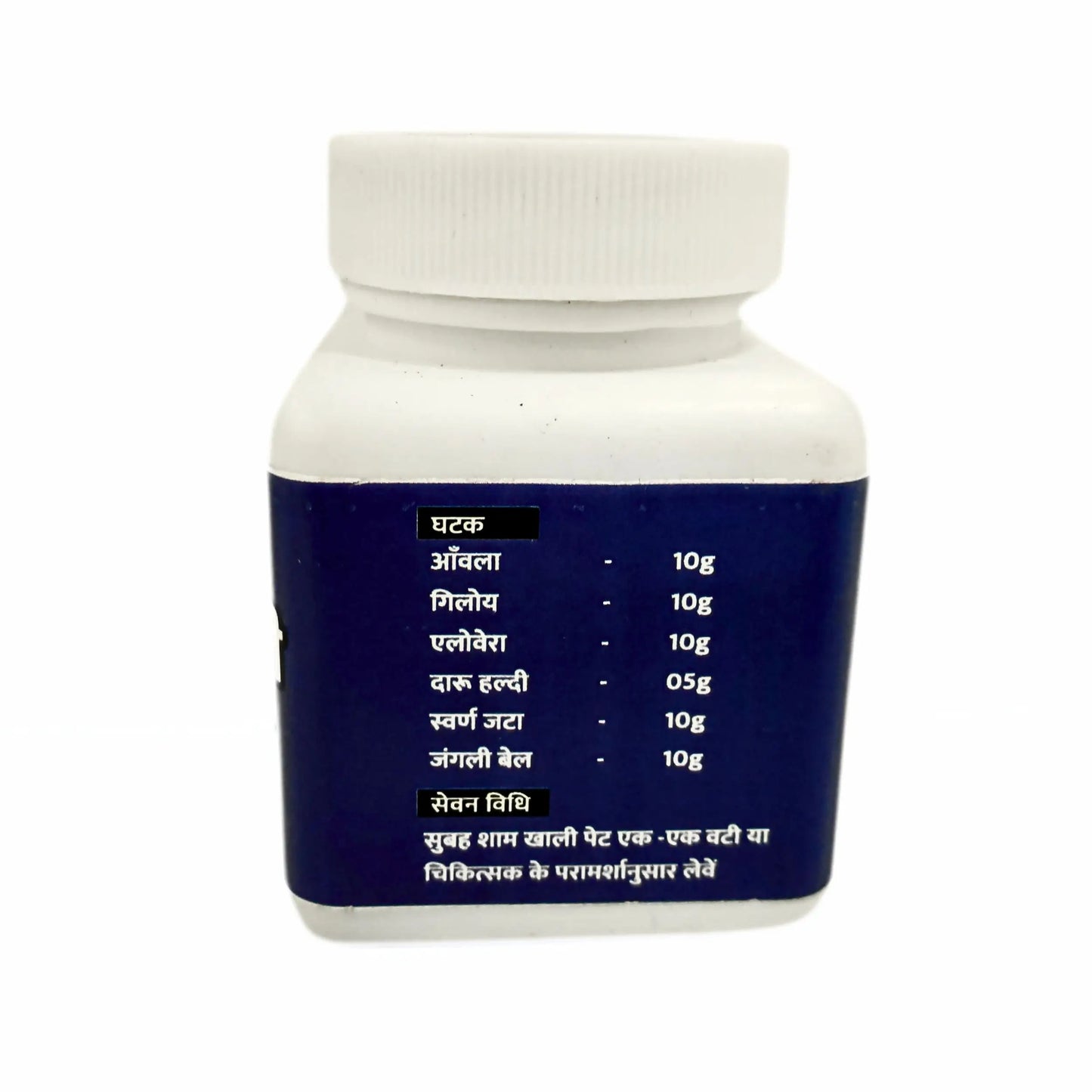
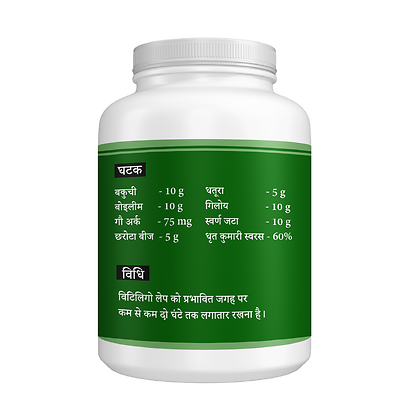
Look for a complete ingredient list and clear instructions. If the product contains ingredients you do not recognise, ask a qualified practitioner or pharmacist about their intended use and safety.
Review the Manufacturer's Information
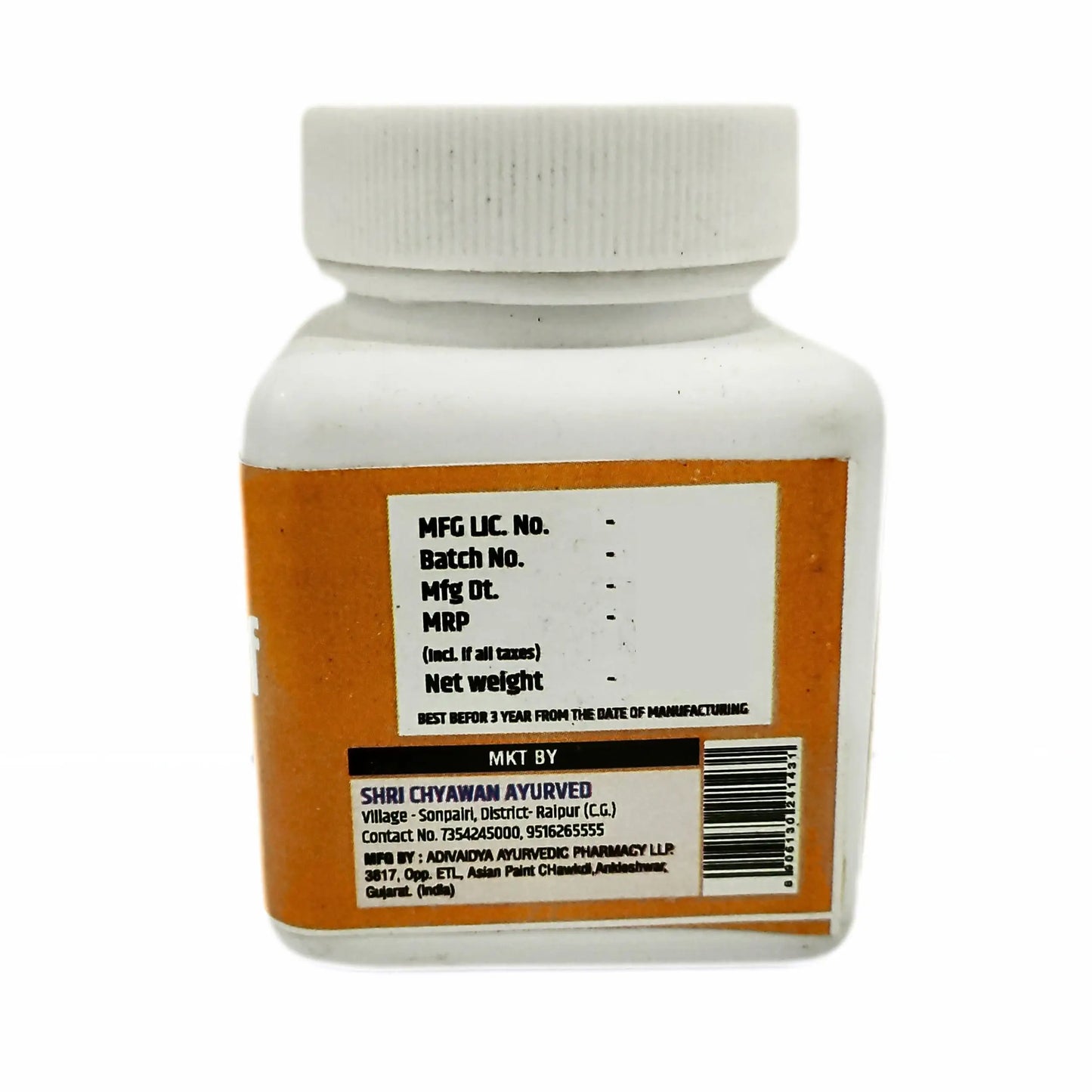
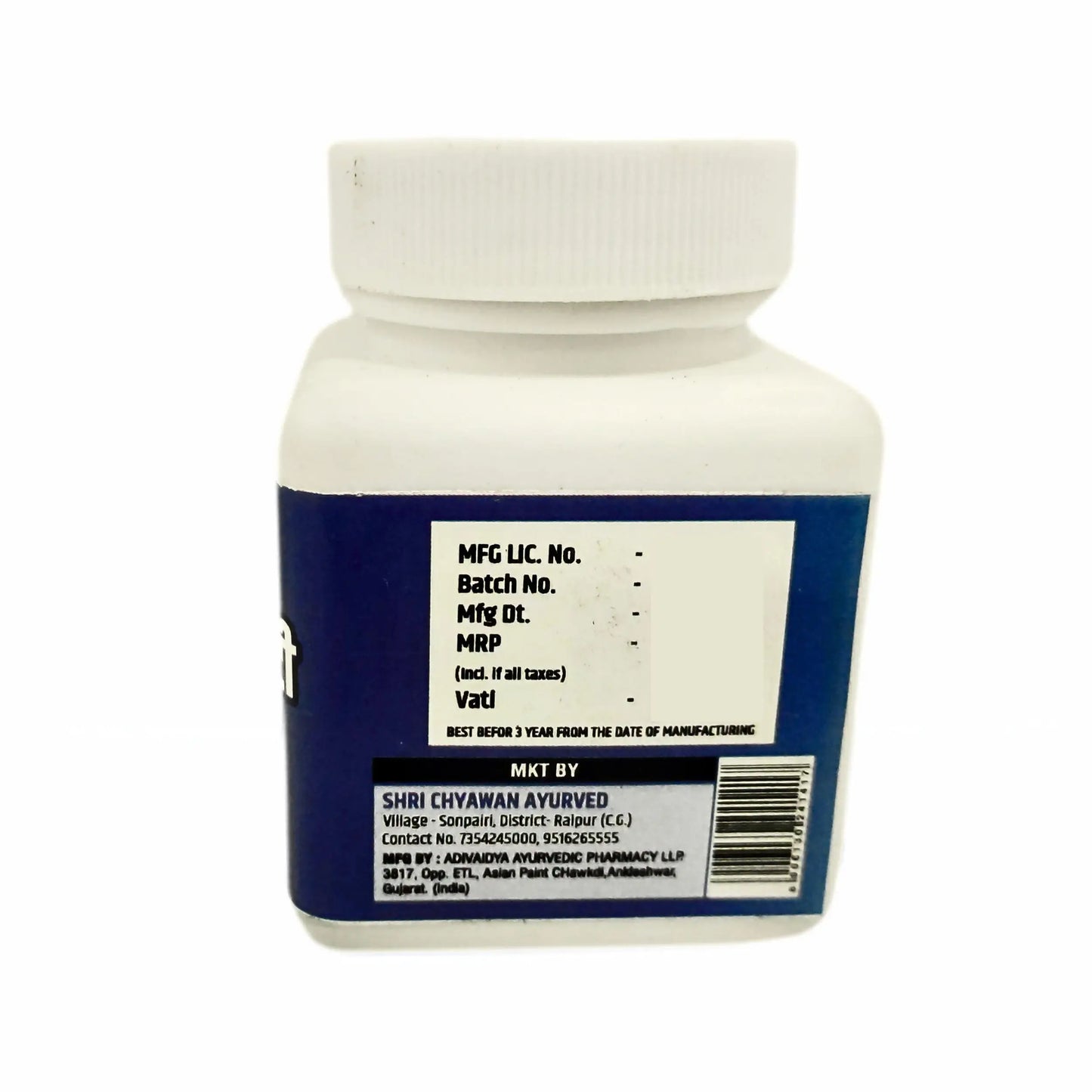
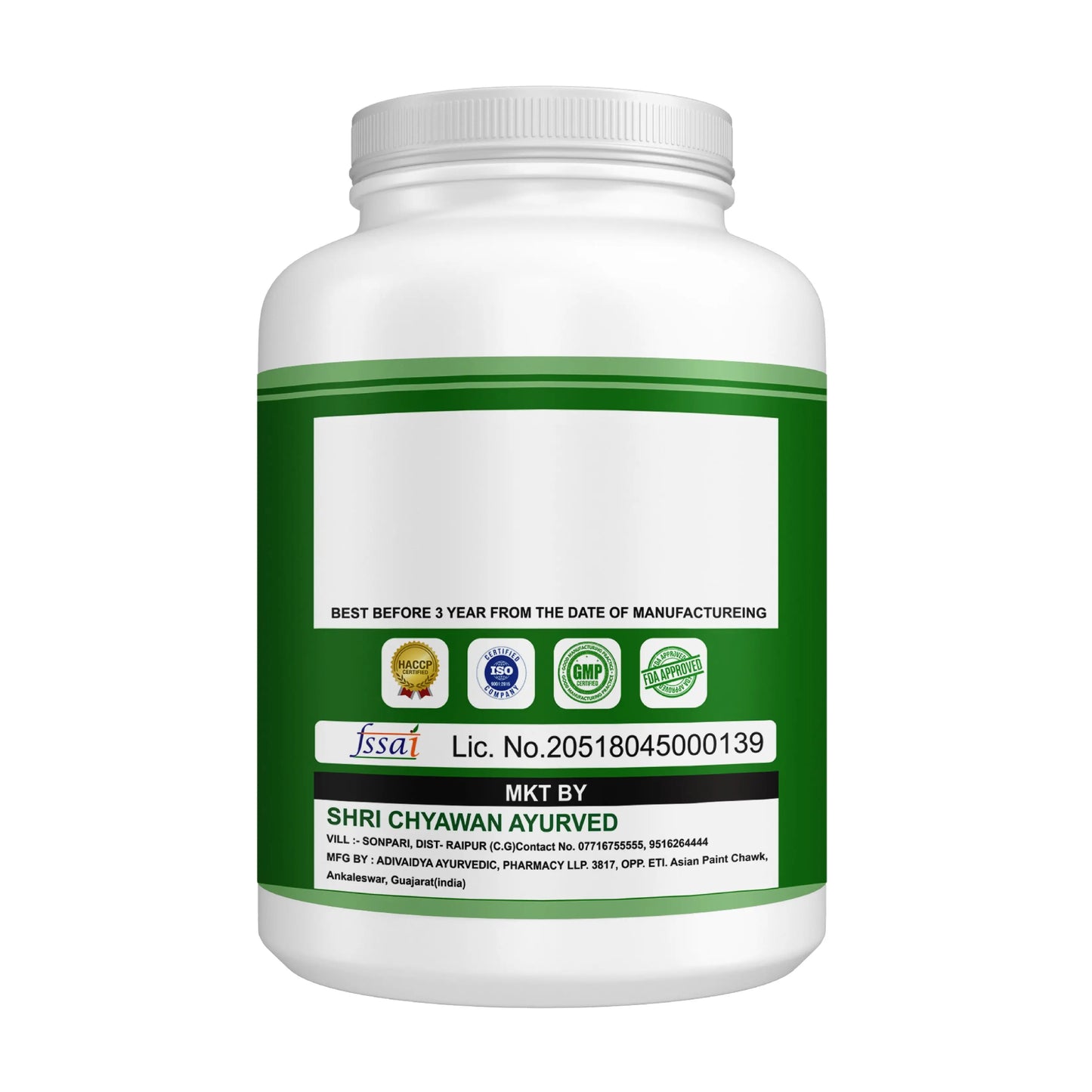
Check the manufacturer's name, batch details, expiry date and other relevant label information. Purchase from a reliable source and avoid products with unclear packaging or missing instructions.
Understand the Intended Use
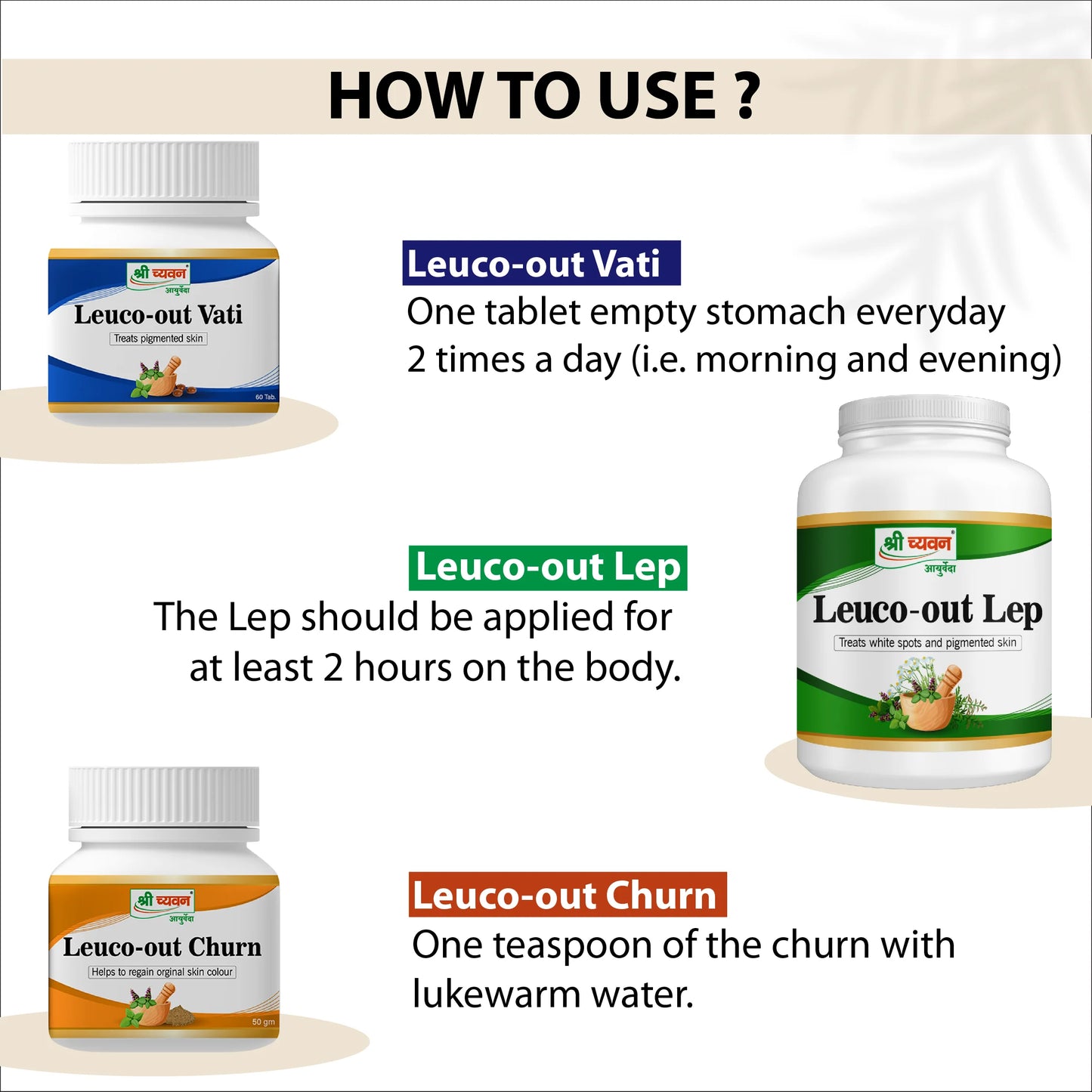
Some formulations are intended for oral use, while others are designed for external application. Never use an oral preparation on the skin or consume a topical product unless the product is specifically intended for that purpose.
Be Cautious About Guaranteed Results
Avoid products that promise a permanent cure, complete pigmentation within a few days or guaranteed results for every user. The American Academy of Dermatology explains that vitiligo has no universally effective treatment and that treatment outcomes differ from person to person.
What Makes the Best Ayurvedic Treatment for Vitiligo?
People often search for the Best Ayurvedic Treatment for Vitiligo, but the word “best” should not be based on marketing claims alone.
A responsible choice should involve:
- An accurate diagnosis from a qualified healthcare professional
- Transparent product ingredients and usage instructions
- Consideration of allergies and existing medicines
- Advice from a qualified Ayurvedic practitioner
- Coordination with dermatological care
- Realistic expectations about possible outcomes
- Regular review of the treatment plan
Herbal products can cause side effects or interact with medicines. The US National Center for Complementary and Integrative Health advises consumers to discuss complementary products with healthcare providers and not assume that natural products are always safe.
Children, pregnant women, breastfeeding mothers and people with chronic medical conditions should take particular care before using herbal preparations.

Ayurvedic Treatment for Leucoderma and Vitiligo
The terms leucoderma and vitiligo are often used when discussing white patches, but the underlying cause still needs to be identified. White patches can result from several different skin conditions, and each may require a different approach.
Ayurvedic Treatment for Leucoderma should therefore not begin with self-diagnosis. A dermatologist can help determine whether the patches are due to vitiligo or another condition.
If you decide to explore Ayurveda, inform both your dermatologist and Ayurvedic practitioner about all products, medicines and treatments you are using. This helps them assess potential interactions and coordinate care more safely.
Modern dermatological treatments may include prescription medicines, phototherapy and other options depending on the diagnosis and individual circumstances. Ayurveda should not be used as a reason to stop prescribed treatment without medical advice.
Conclusion
Choosing Ayurvedic Treatment for Vitiligo based on individual skin health needs begins with an accurate diagnosis, careful product evaluation and professional guidance. Ayurveda may offer a traditional approach to general wellness, but claims about restoring pigmentation should be assessed critically.
If you are exploring ayurvedic treatment prioritise product transparency, safety, realistic expectations and regular follow-up. Combining informed decisions with gentle skin care, sun protection and balanced lifestyle habits can help you manage your overall skin health more responsibly.