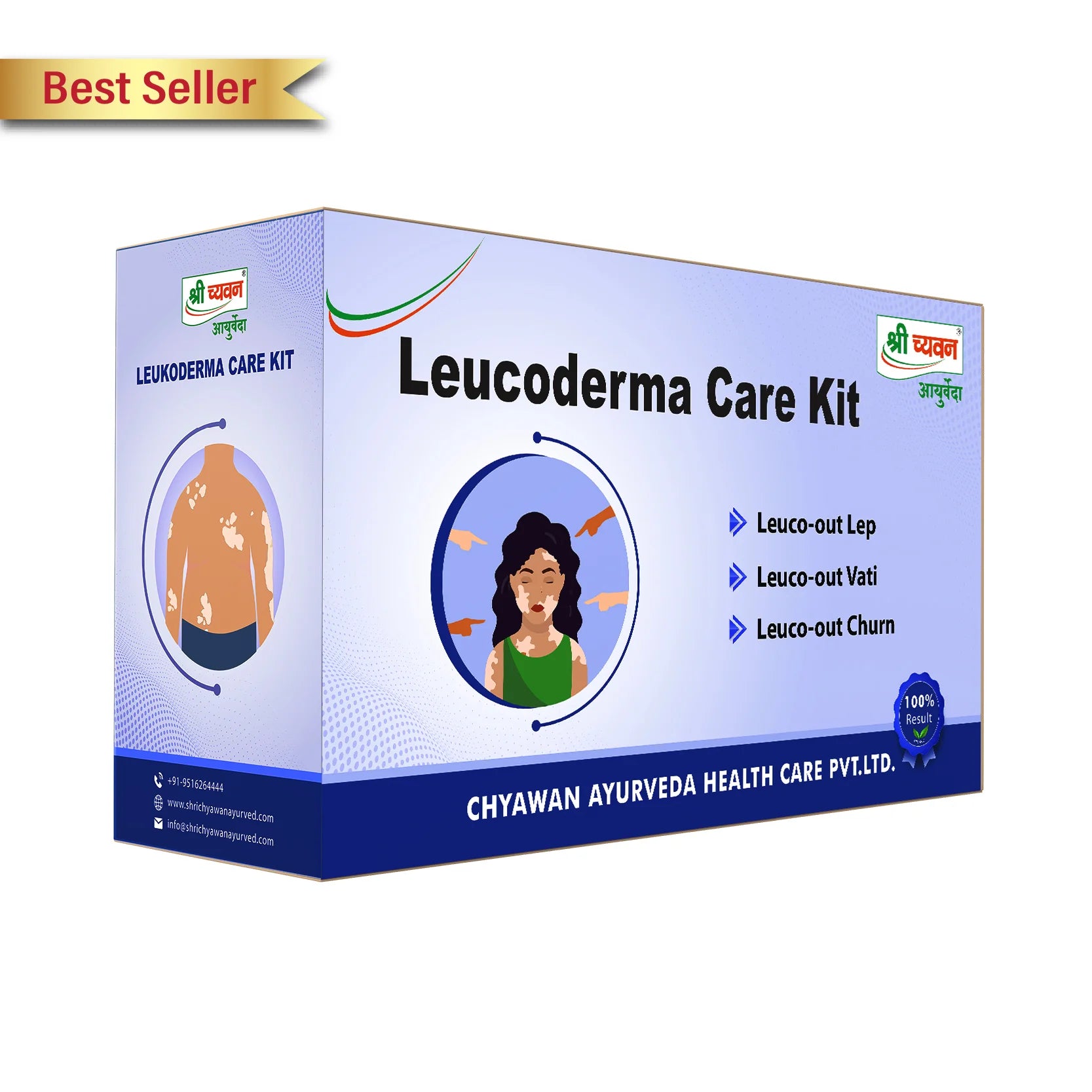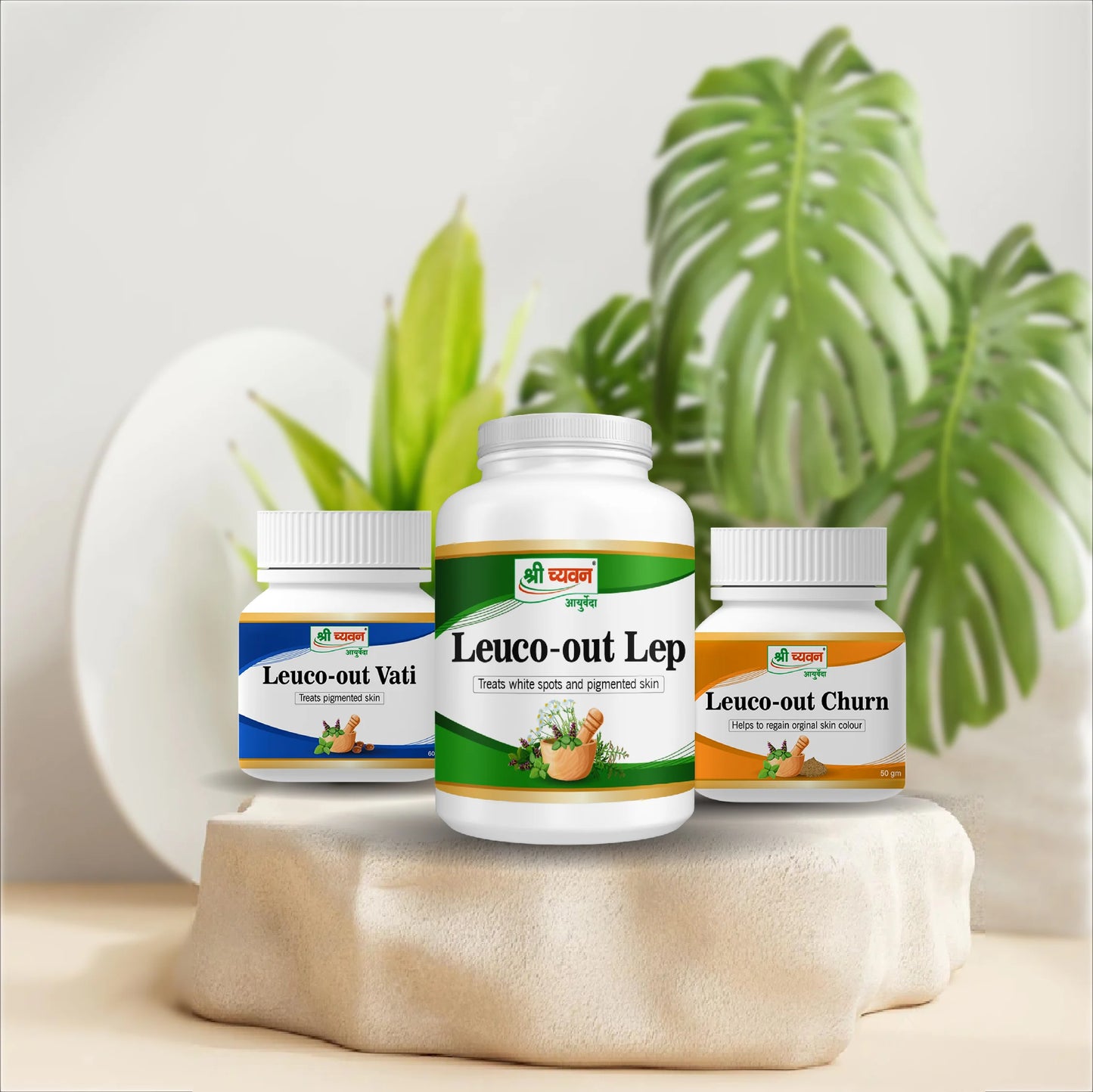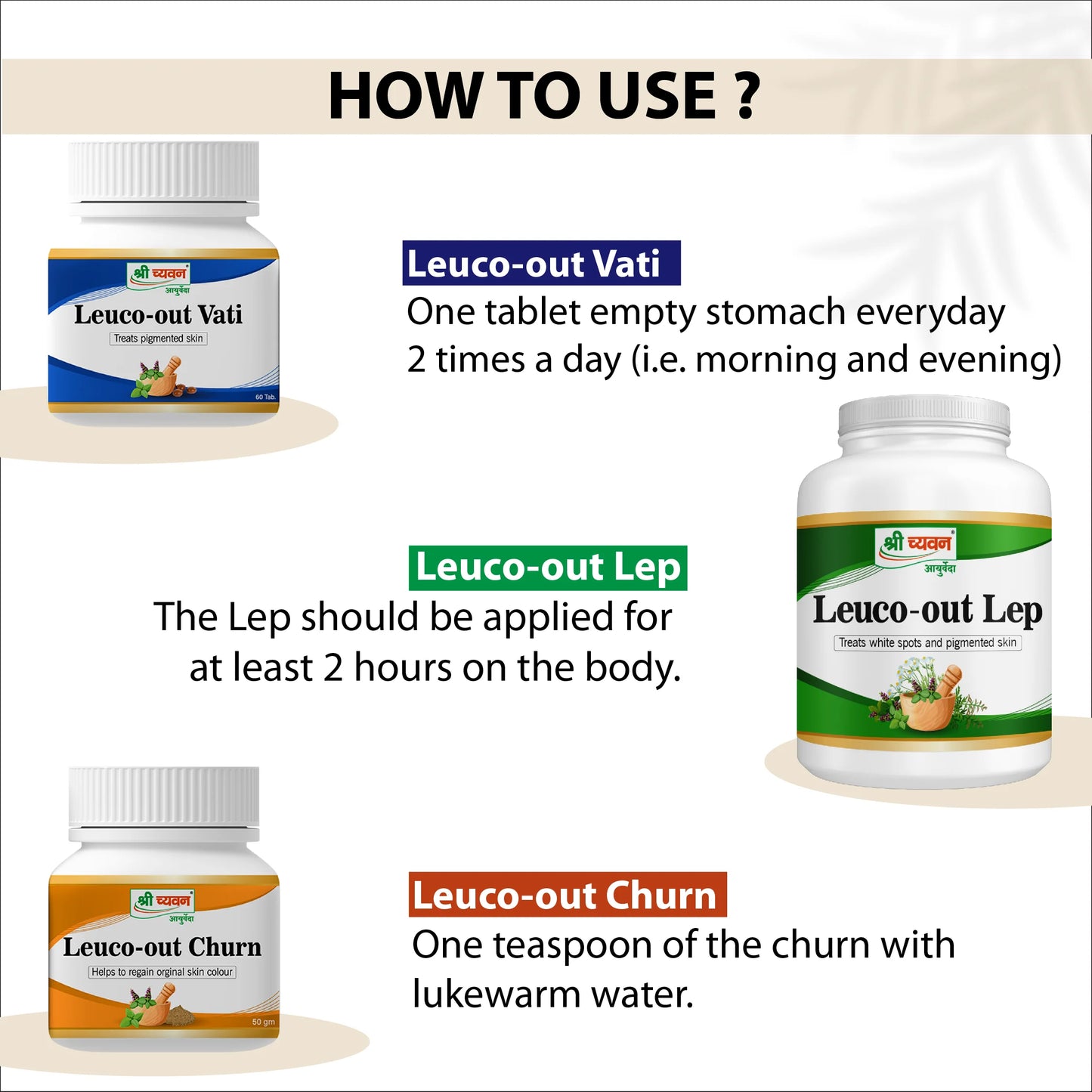

Vitiligo is a skin condition in which areas of the skin lose their natural colour, resulting in lighter or white patches. These changes can appear on the face, hands, feet, arms, legs, lips and other parts of the body. Vitiligo can affect people of all ages and skin types, and it is not contagious.
For many people in India, changes in skin pigmentation can lead to questions about Ayurvedic Treatment, natural skin care and long-term wellness. Ayurveda takes a holistic approach that traditionally considers an individual's diet, lifestyle, digestion, daily routine and overall wellbeing alongside skin health.
Understanding Vitiligo and White Patches
Vitiligo is associated with the loss or dysfunction of melanocytes, the cells responsible for producing melanin, which gives skin its colour. The condition can appear in different patterns and may remain stable for a period or change over time.
The appearance of white patches does not automatically mean that a person has vitiligo. Other skin conditions can also cause lighter areas. This is why self-diagnosis based only on photographs or online information may be misleading.
If you notice new or changing white patches, professional evaluation can help determine the underlying cause and appropriate care.
What Does Ayurveda for Vitiligo Mean?
Ayurveda for Vitiligo refers to a traditional approach that may focus on overall wellbeing along with skin care. Rather than considering only the visible patch, an Ayurvedic practitioner may review an individual's lifestyle, dietary habits, digestion, sleep, stress and general health.
Depending on the individual's assessment, Ayurvedic wellness guidance may include:
- Herbal preparations selected according to individual needs
- Traditional external skin-care practices
- Balanced dietary habits
- Regular sleep and daily routines
- Yoga or other relaxation practices
- Physical activity appropriate to the individual
- Stress-management techniques
This holistic approach can form part of a personal wellness routine. However, it is important not to assume that every Ayurvedic product or remedy has been clinically proven to restore pigmentation. Evidence for complementary therapies in vitiligo remains limited, and healthcare guidance recommends discussing herbal products with a healthcare professional because some may interact with medicines.
Ayurvedic Treatment for Vitiligo Should Begin with the Right Diagnosis
Before searching for Ayurvedic Treatment for Vitiligo, identify what is causing the change in skin colour.
A dermatologist may examine the affected areas and, when necessary, use tools such as a Wood's lamp to distinguish vitiligo from other causes of pigmentation loss. Medical history and additional investigations may also be considered when appropriate.
This step is particularly important if:
- White patches are appearing for the first time
- The patches are increasing in number or size
- The skin is itchy, inflamed or irritated
- Hair in the affected area is also becoming white
- The patches are located around the eyes or mouth
- You are unsure whether the condition is vitiligo
- You are planning treatment for a child
A correct diagnosis helps you avoid using inappropriate products on your skin.
Ayurvedic Treatment for White Spots Requires a Personalised Approach
People often search for Ayurvedic Treatment for White Spots when they notice changes in pigmentation. However, treatment should depend on the reason behind those spots.
For example, a white-looking patch caused by an infection requires a different approach from vitiligo. Similarly, changes caused by an earlier injury may need different management.
Therefore, avoid choosing an Ayurvedic product simply because it is marketed for all types of white spots. Instead, identify the condition first and then discuss suitable treatment and complementary options with a qualified practitioner.

Ayurvedic Treatment for White Patches and Daily Skin Wellness
A healthy skin-care routine can complement professional treatment. People with vitiligo should pay particular attention to protecting areas where pigment has been lost.
Protect Your Skin from the Sun
Skin affected by vitiligo has less melanin and can burn more easily. Dermatology guidance recommends protecting affected skin with shade, protective clothing and broad-spectrum sunscreen.
For everyday outdoor activities in India, practical measures include:
- Applying suitable sunscreen to exposed skin
- Wearing lightweight full-sleeved clothing
- Using a hat or umbrella
- Seeking shade during intense sunlight
- Reapplying sunscreen as directed
Avoid deliberately tanning the surrounding skin to make white patches less noticeable. Tanning can increase the contrast between normal and depigmented areas and does not restore pigment to vitiligo patches.
Be Gentle with Your Skin
Another important aspect of Ayurvedic Treatment for White Patches is maintaining a gentle skin-care routine.
Avoid excessive scrubbing, harsh cleansers and unverified home remedies. Lemon juice, strong chemicals or other irritating substances should not be applied to white patches simply because they are promoted online as natural solutions.
Skin injuries such as cuts, burns and repeated irritation can sometimes trigger new vitiligo patches in susceptible individuals, so protecting the skin from unnecessary trauma is useful.
Nutrition and Lifestyle Support
There is no universal diet that can be considered a cure for vitiligo. Nevertheless, balanced nutrition is important for overall health.
A practical Indian diet can include:
- Seasonal fruits and vegetables
- Dal and other pulses
- Whole grains
- Appropriate sources of protein
- Nuts and seeds where suitable
- Adequate fluids
Avoid unnecessarily eliminating large groups of foods without professional advice. A highly restrictive diet may make it difficult to obtain adequate nutrients.
Regular sleep, physical activity and stress-management practices can also support general wellbeing. Yoga, meditation, walking and breathing exercises may be incorporated according to personal preference and physical ability.

Choosing Ayurvedic Treatment for Leucoderma
Ayurvedic Treatment for Leucoderma is another common search term in India. Since leucoderma is often used as a general term for white patches, the first priority should again be identifying the actual condition.
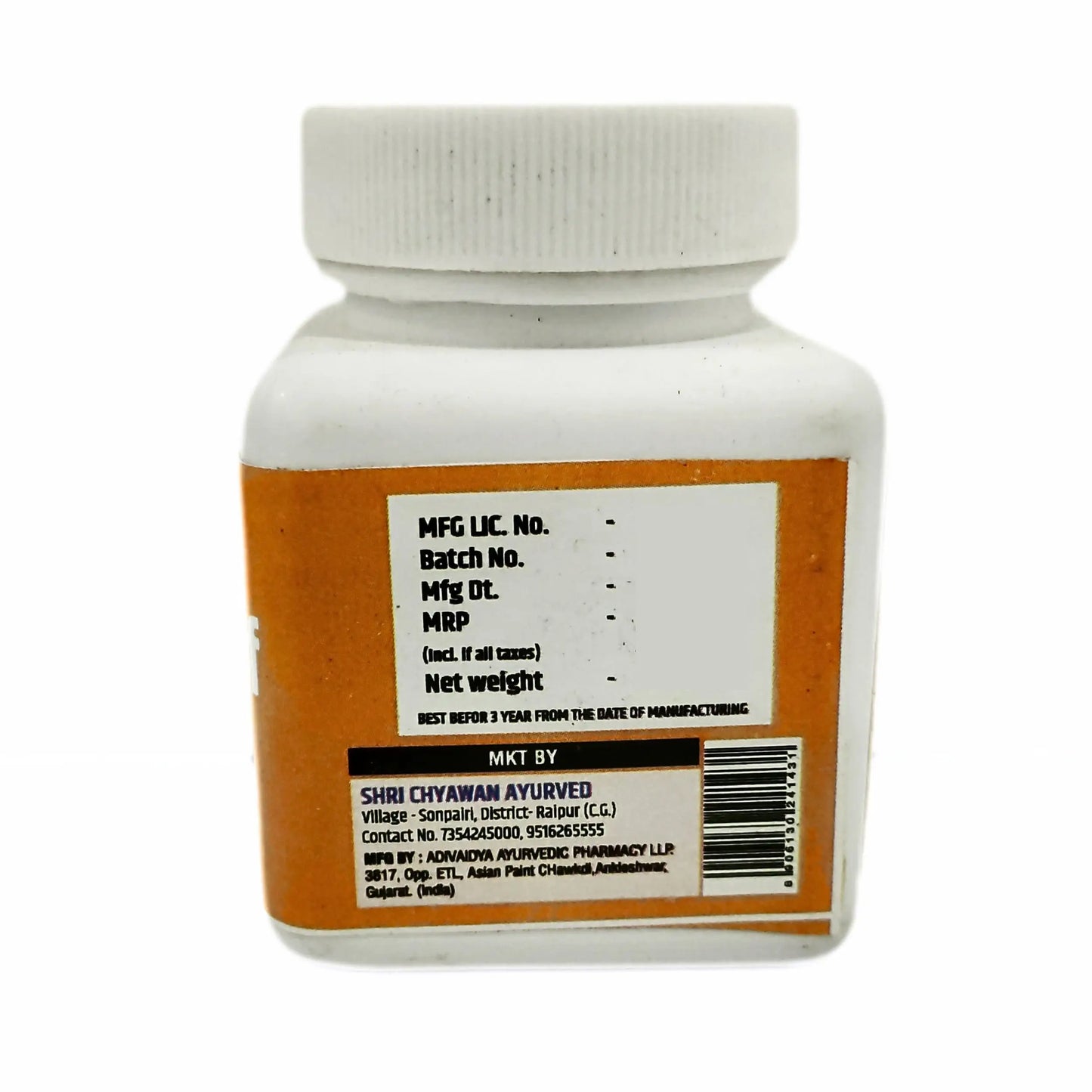
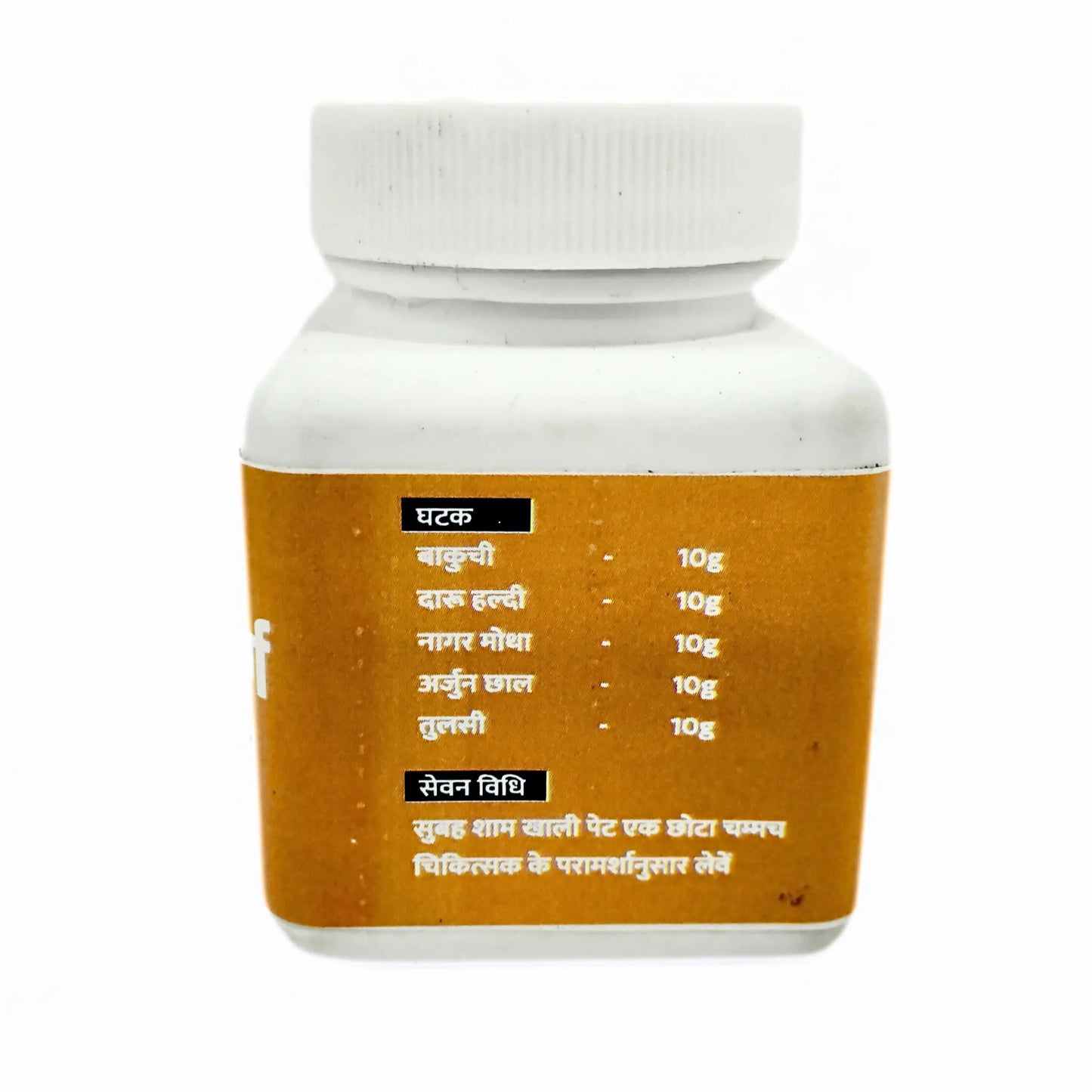
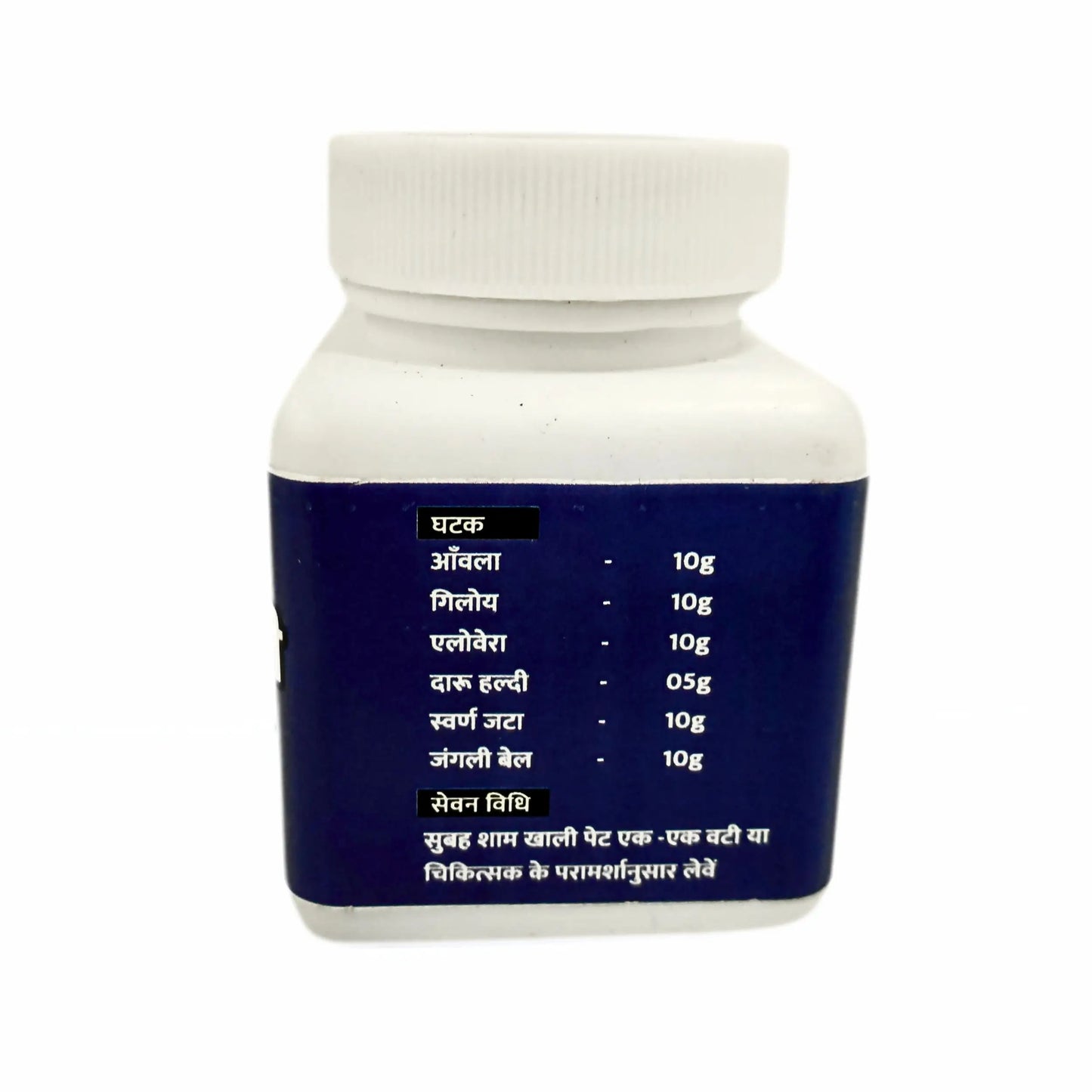
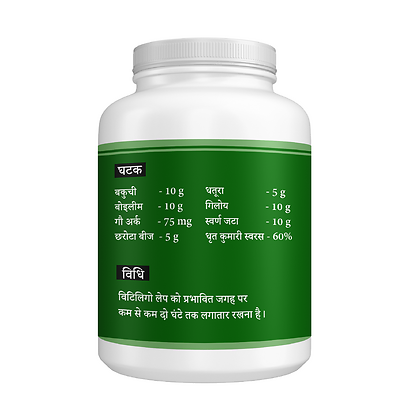
If you are considering ayurvedic treatment, look for products with clear ingredient information, directions for use, manufacturer details, batch information and appropriate precautions.
Do not rely solely on claims such as "permanent cure," "100% guaranteed results" or rapid restoration of skin colour. Treatment response can differ considerably between individuals.
If you take prescription medicines or have another medical condition, tell your Ayurvedic practitioner about them before starting herbal products. This is important because some complementary products can interact with conventional medicines.
Conclusion
Ayurvedic Treatment for Vitiligo and other traditional approaches can be explored as part of a broader skin-wellness routine. The most responsible approach begins with an accurate diagnosis, realistic expectations and professional guidance.
Alongside any treatment plan, protecting the skin from sunlight, maintaining balanced nutrition, avoiding unnecessary irritation and following a consistent routine can support overall skin wellness. Most importantly, avoid unverified claims and remember that the right approach can differ from one person to another.