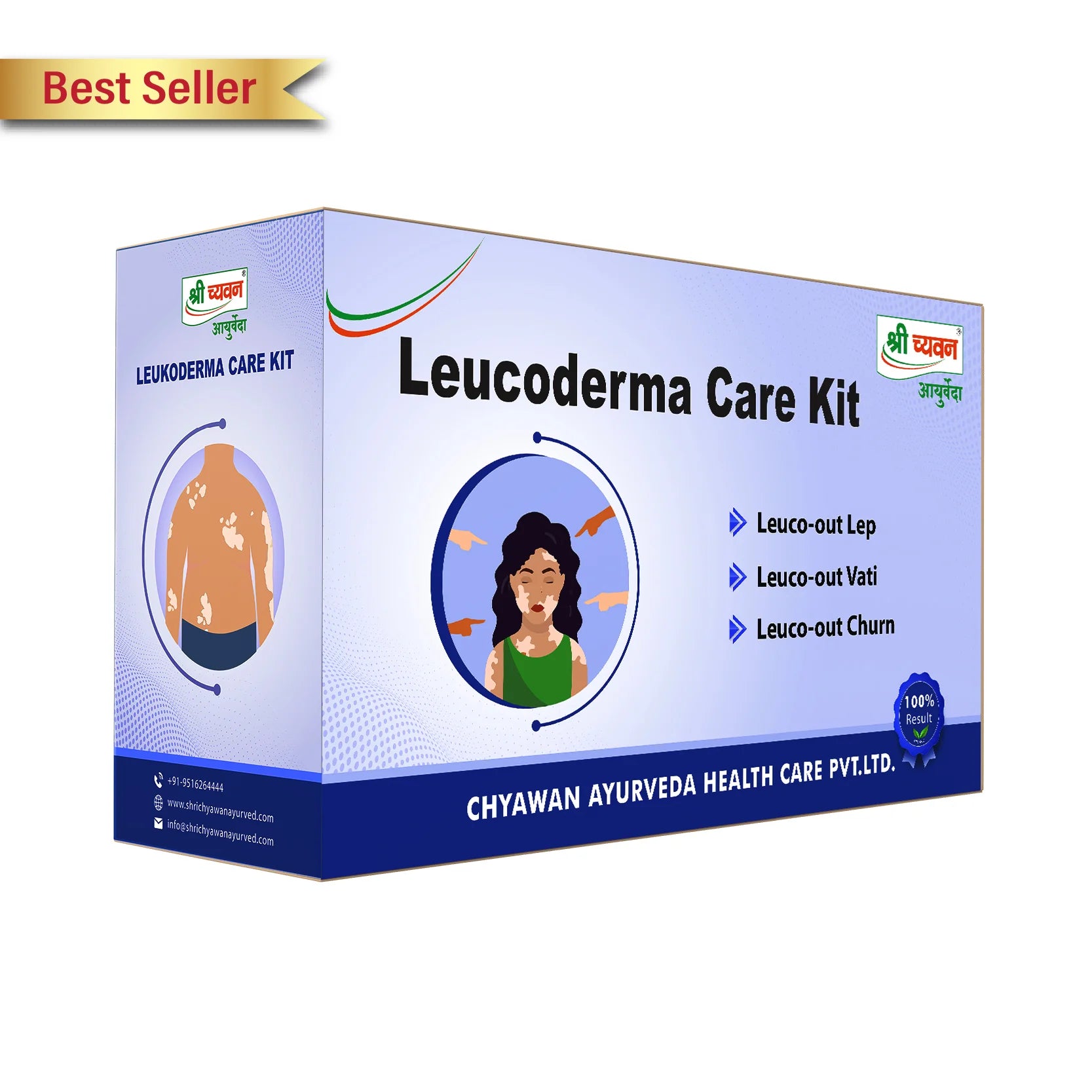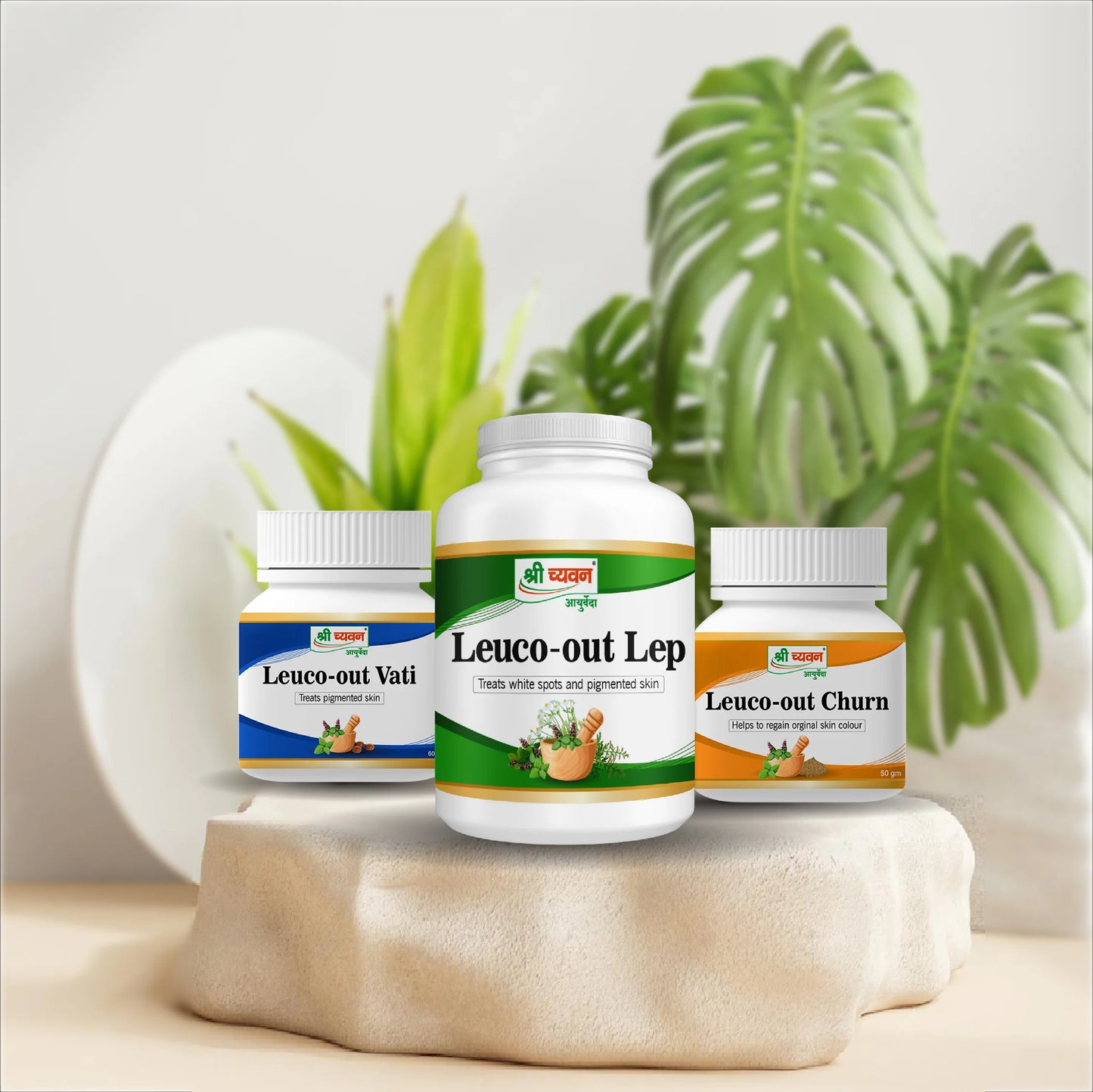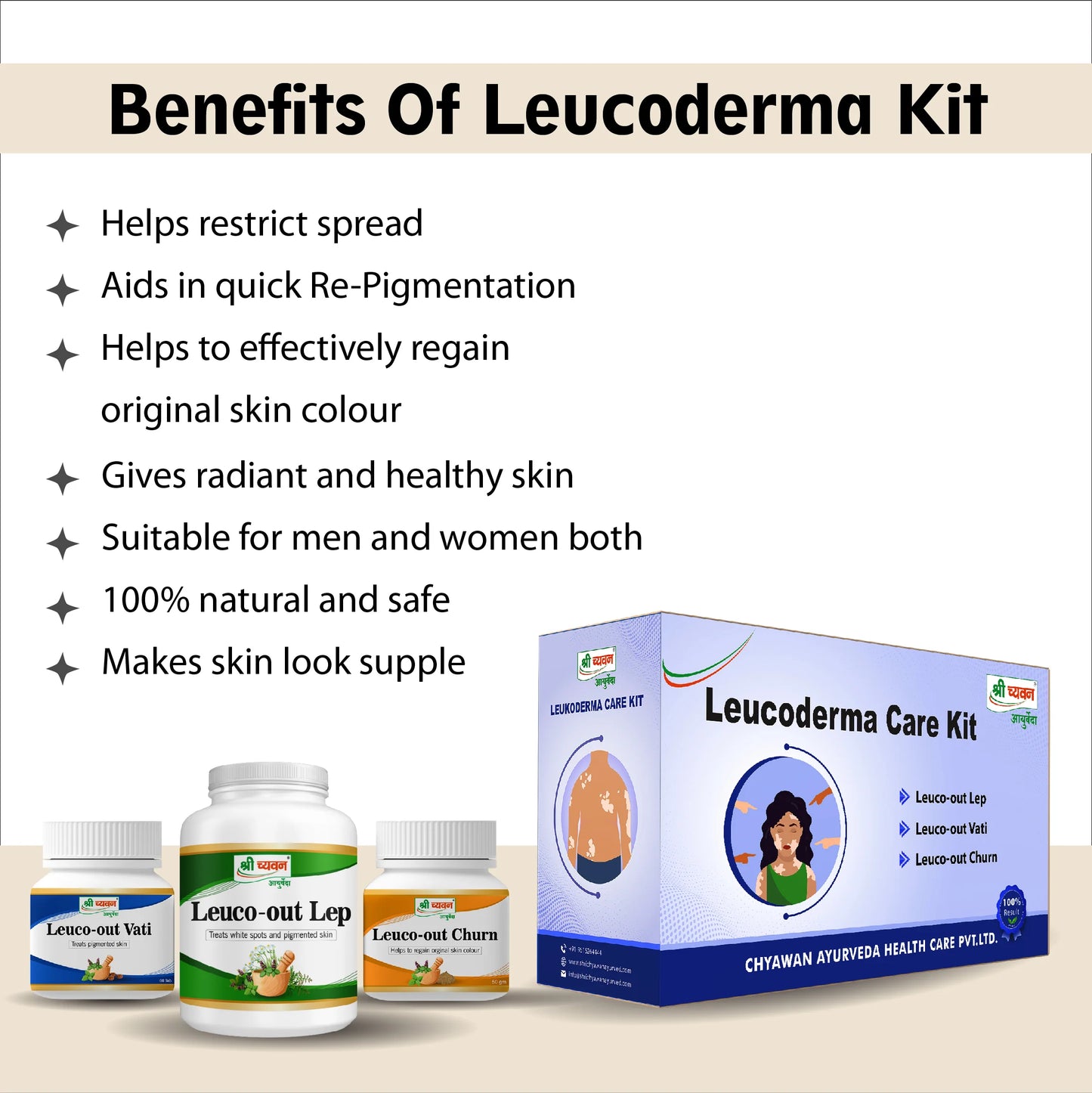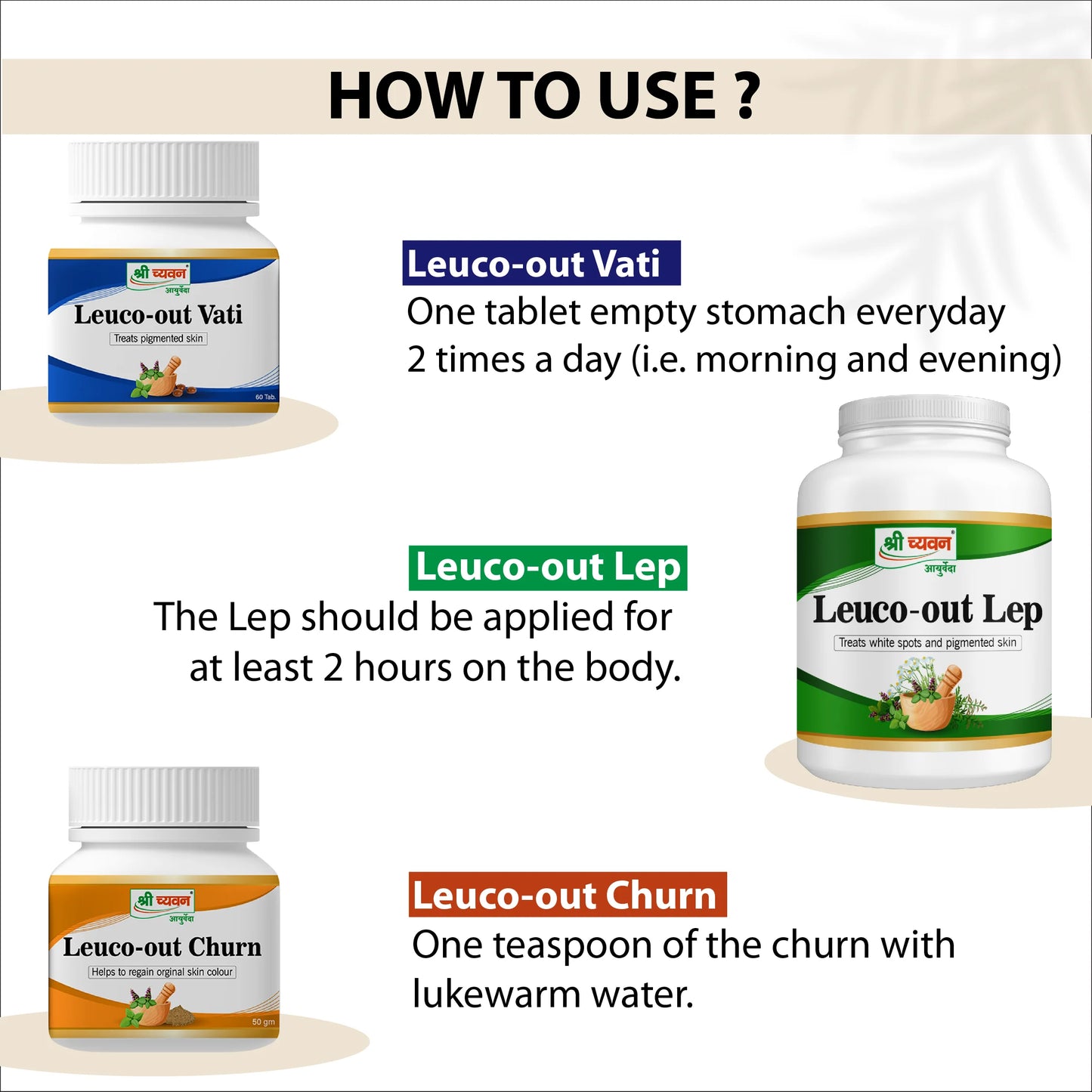

White or lighter patches on the skin can attract attention and often lead people to search for natural and traditional approaches to skin care. In India, Ayurveda is frequently explored by people looking for a holistic way to support their skin and overall wellness.
Leucoderma is commonly used to describe areas of skin that appear white or lighter than the surrounding skin. However, white patches can develop for different reasons, and not every white patch is necessarily vitiligo.
For people considering ayurvedic treatment understand the condition, selecting products carefully, protecting the skin and maintaining healthy habits can all be part of a responsible approach.
What Is Leucoderma?
Leucoderma is a term often used when areas of the skin lose their normal colour and appear white. One important condition associated with depigmented patches is vitiligo.
In vitiligo, the cells responsible for producing melanin, the pigment that gives skin its colour, are affected. Patches may appear on the face, hands, feet, arms, legs or other parts of the body. They can sometimes also involve areas such as the lips, mouth or hair.
The pattern and progression can vary significantly between individuals. Some people may have only a few patches, while others may experience more widespread changes.
Because different skin conditions can look similar, self-diagnosis is not recommended.
Why People Explore Ayurveda for Leucoderma
Ayurveda takes a traditional, holistic approach to health. Instead of concentrating only on the visible appearance of the skin, Leucoderma Ayurvedic Treatment may involve consideration of diet, daily routine, digestion, lifestyle and general wellbeing.
A qualified Ayurvedic practitioner may assess factors such as:
- Individual health history
- Food and dietary habits
- Sleep patterns
- Daily routine
- Stress and emotional wellbeing
- Skin condition
- Existing medicines or supplements
- Other health concerns
Based on an individual's assessment, a practitioner may recommend appropriate Ayurvedic formulations, dietary changes or lifestyle practices.
However, Ayurvedic treatment should not be presented as a guaranteed cure for leucoderma or vitiligo. Current medical guidance notes that there is no single treatment that works for everyone with vitiligo, and complementary therapies require more evidence before their effectiveness can be established.
Ayurvedic Treatment for Leucoderma Starts with Proper Diagnosis
Before searching for the Best Ayurvedic Treatment for Leucoderma, the first step should be determining what is causing the white patches.
A dermatologist may examine the skin and, when appropriate, use a Wood's lamp to make areas of pigment loss easier to identify. Depending on the situation, additional evaluation may also be recommended.
Professional evaluation is particularly important when:
- White patches have appeared recently
- Existing patches are changing or spreading
- Several new areas are developing
- The skin is irritated or inflamed
- The diagnosis is uncertain
- Hair within affected areas is becoming white
- The patches involve the face, mouth or eyes
- A child develops unexplained white patches
Once the cause is understood, you can discuss appropriate treatment and complementary options with qualified professionals.
What to Look for in an Ayurvedic Product
The popularity of natural health products means that consumers have many choices. However, not every product marketed for leucoderma is equally suitable.
When considering Ayurvedic Treatment for Leucoderma, check the following:
Clear Ingredient Information
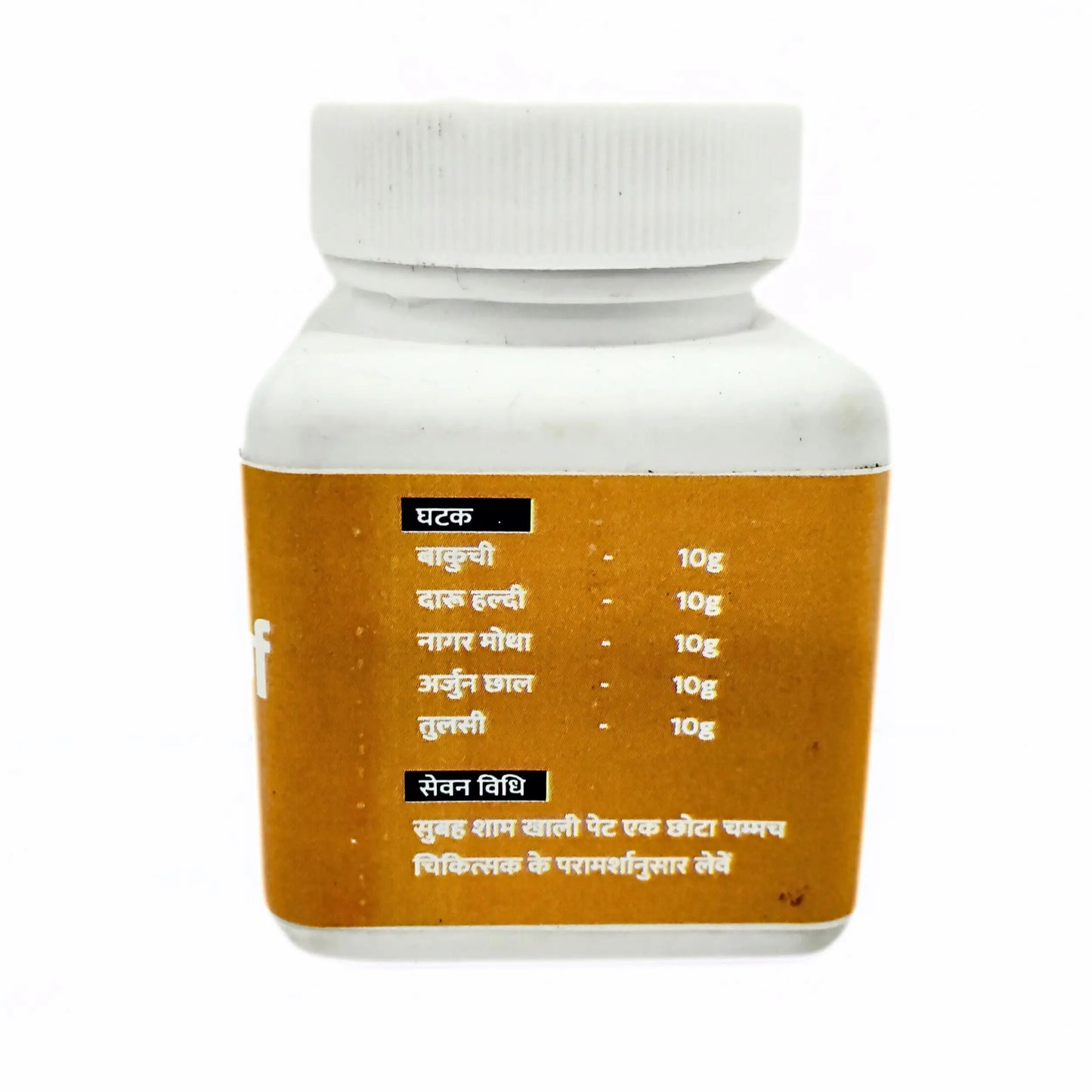
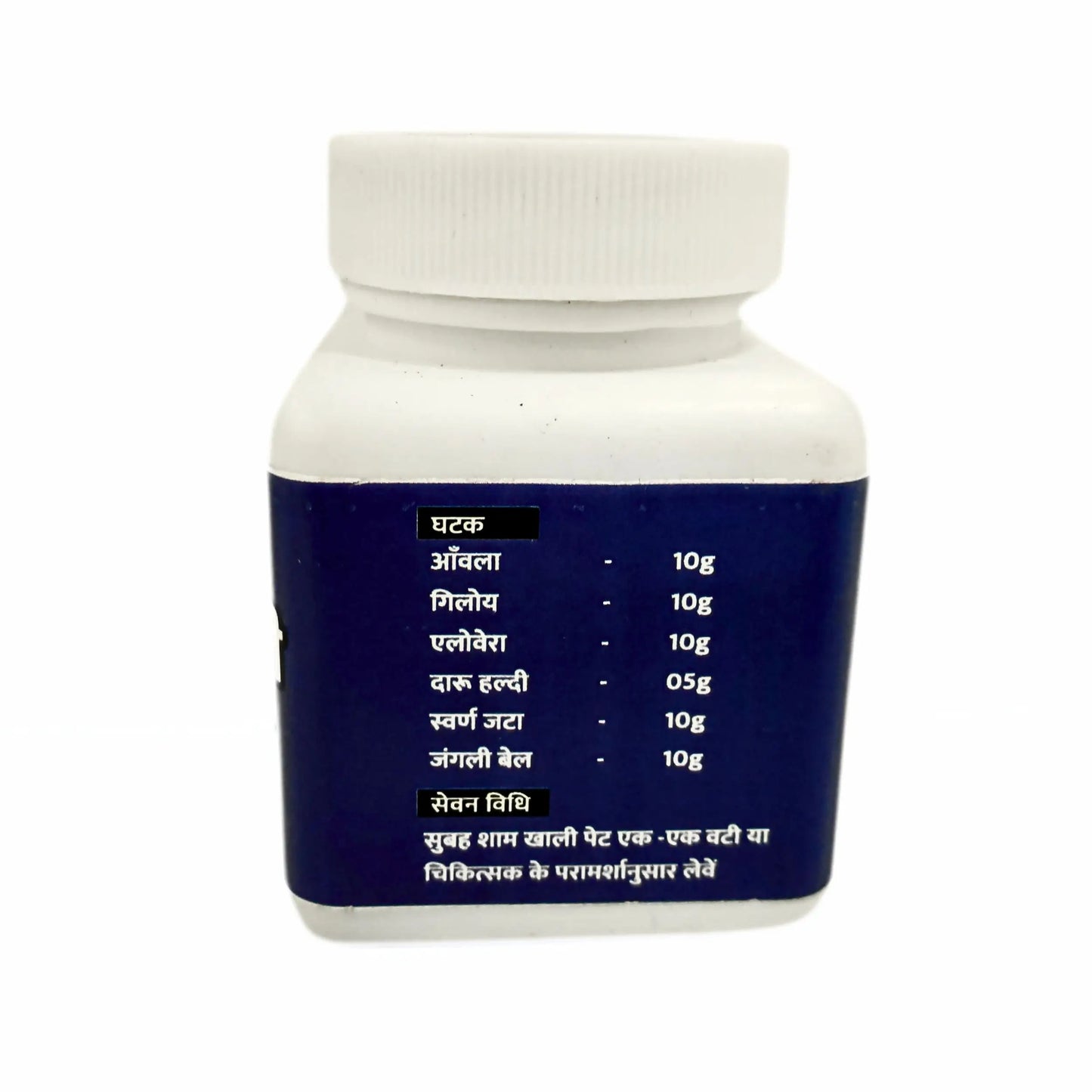
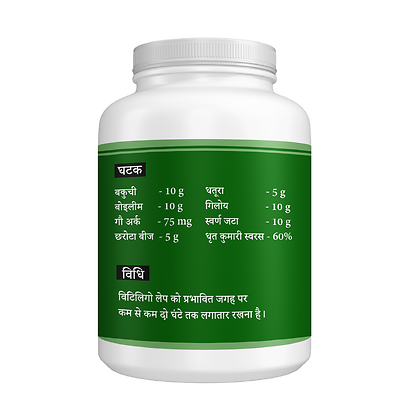
Choose products that clearly identify their ingredients and provide directions for use. Avoid products with incomplete labels or unclear formulations.
Manufacturing Details
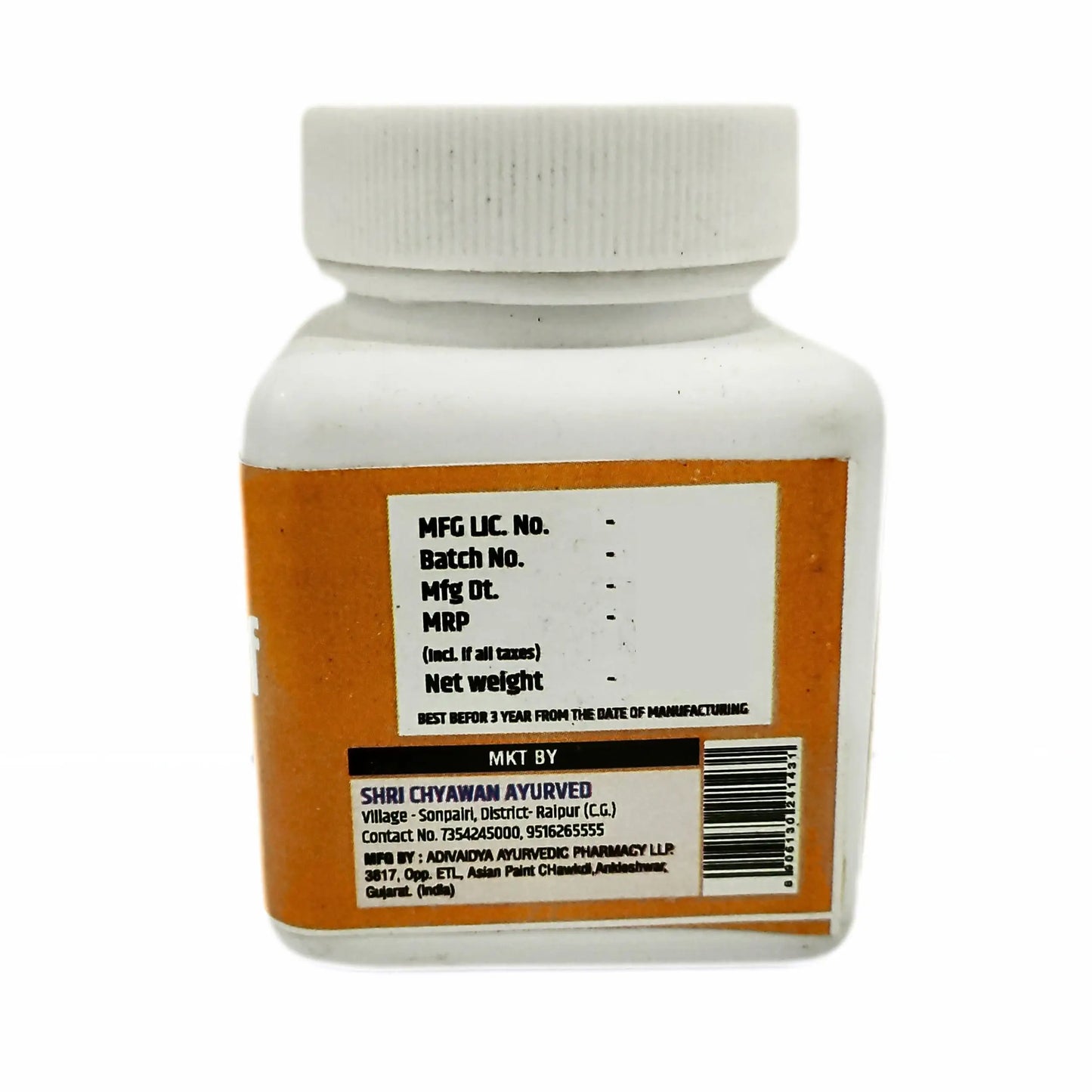
Check the manufacturer's information, batch details, expiry date and other required product information before purchasing.
Correct Usage
Some formulations are intended for oral use, while others are designed for external application. Follow the product directions carefully and never change the intended method of use without professional advice.
Realistic Expectations
Be cautious of claims promising a permanent cure, guaranteed results or complete colour restoration within a few days. Vitiligo can behave differently from person to person, and treatment often requires patience and follow-up.

Building a Skin-Friendly Daily Routine
An Ayurvedic approach can be combined with practical skin-care habits.
Keep your routine simple and gentle. Avoid excessive scrubbing and harsh cleansing products, particularly on areas affected by pigment loss.
If you are using an Ayurvedic topical preparation under professional guidance, follow the recommended amount and application method.
Stop using a product and seek medical advice if you develop significant:
- Burning
- Swelling
- Redness
- Persistent itching
- Skin irritation
- New skin lesions
Natural or herbal ingredients are not automatically risk-free. Some complementary products can interact with medicines or cause unwanted reactions, so healthcare professionals should know about everything you are taking or applying.
Sun Protection Is an Essential Part of Skin Health
One of the most important aspects of caring for depigmented skin is protection from sunlight.
Melanin helps protect skin from ultraviolet radiation. Areas affected by vitiligo have less pigment and can therefore burn more easily. The NHS recommends strong sun protection for people with vitiligo, while dermatology guidance also recommends protecting depigmented skin from excessive sun exposure.
This is especially relevant in India, where strong sunlight is common across many regions.
Practical measures include:
- Using a broad-spectrum sunscreen as advised by a healthcare professional
- Wearing protective clothing
- Using a hat or umbrella
- Staying in the shade during intense sunlight
- Reapplying sunscreen according to product instructions
Avoid intentionally exposing white patches to strong sunlight in an attempt to restore their colour. Sunburn can damage the skin and may make the contrast between pigmented and depigmented areas more noticeable.

Nutrition and Lifestyle Support
There is no specific diet that can be guaranteed to treat leucoderma or vitiligo. However, a balanced diet remains important for general health.
An Indian diet can include a variety of:
- Seasonal vegetables
- Fresh fruits
- Pulses and beans
- Whole grains
- Appropriate protein sources
- Nuts and seeds when suitable
- Adequate fluids
Avoid unnecessary elimination diets unless recommended by a qualified professional. Removing multiple food groups without a medical reason can increase the risk of nutritional deficiencies.
Regular sleep, physical activity and stress management can also contribute to overall wellbeing. Walking, yoga, meditation and breathing exercises can be incorporated according to personal preference and physical ability.
Conclusion
Ayurvedic Treatment for Leucoderma can be explored as part of a broader, personalised approach to skin and general wellness. The key is to begin with the correct diagnosis rather than treating every white patch in the same way.
Ayurveda may form part of a complementary wellness routine, but no product should be promoted as a guaranteed or instant cure. Responsible skin care combines informed choices, professional monitoring and habits that support long-term wellbeing.