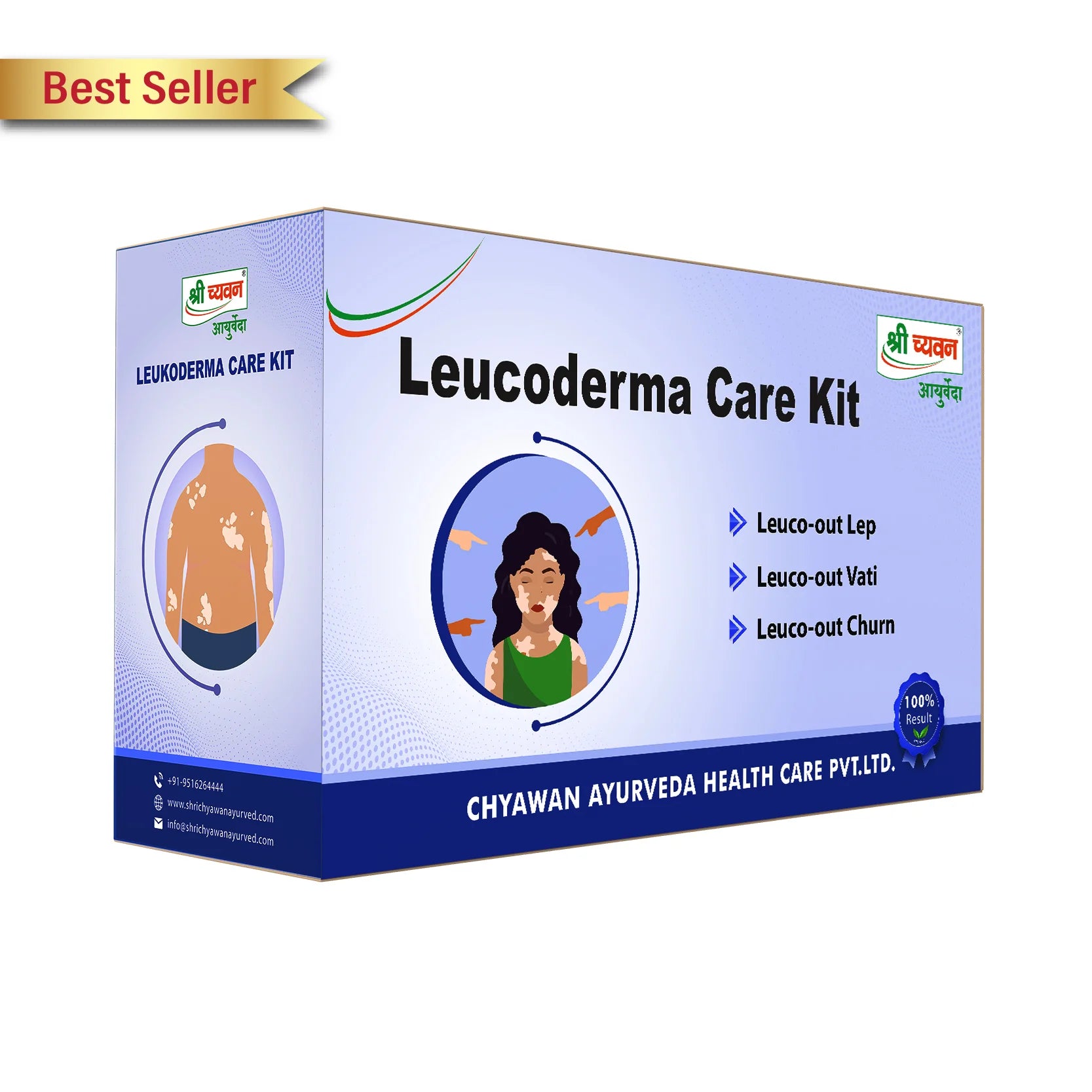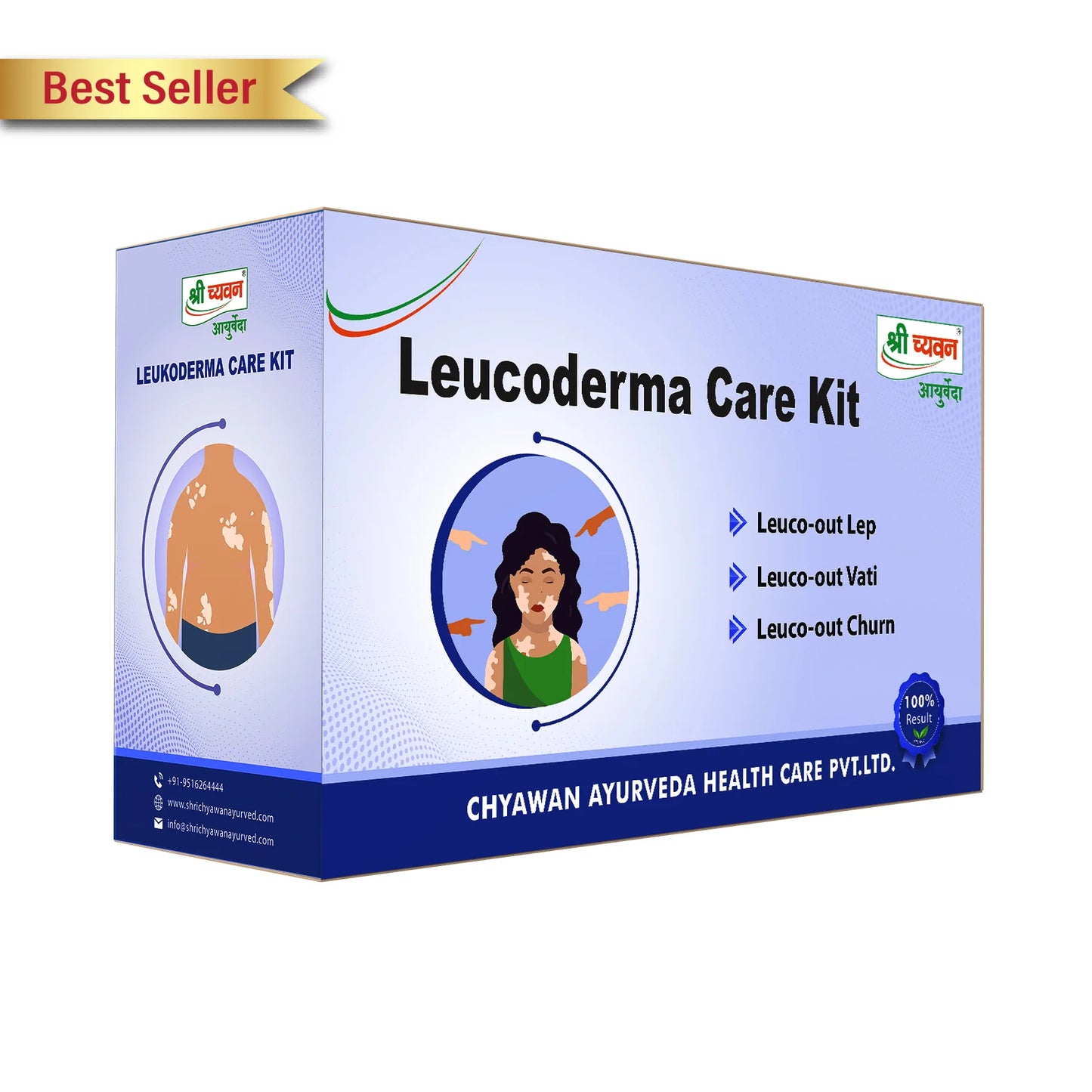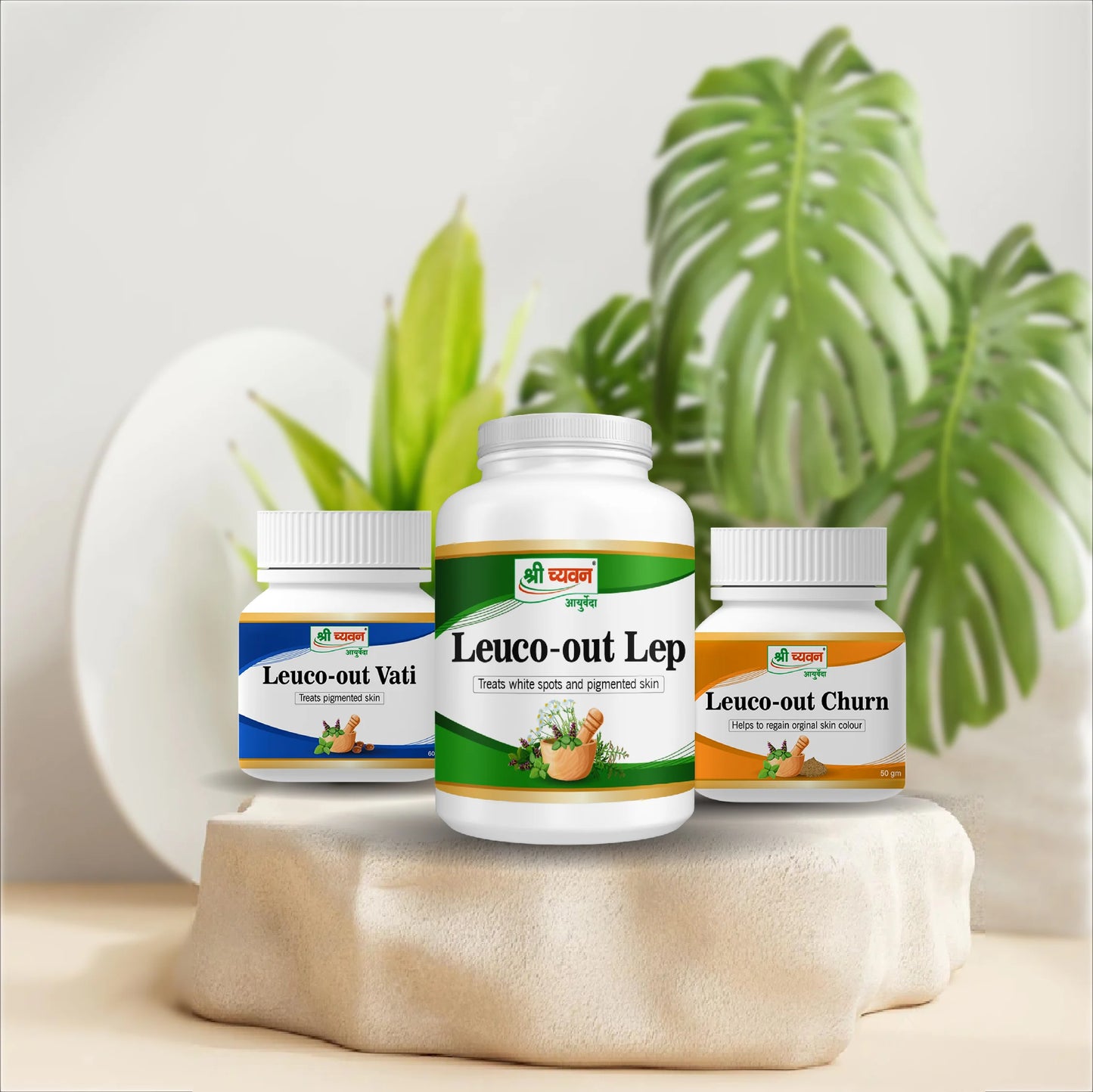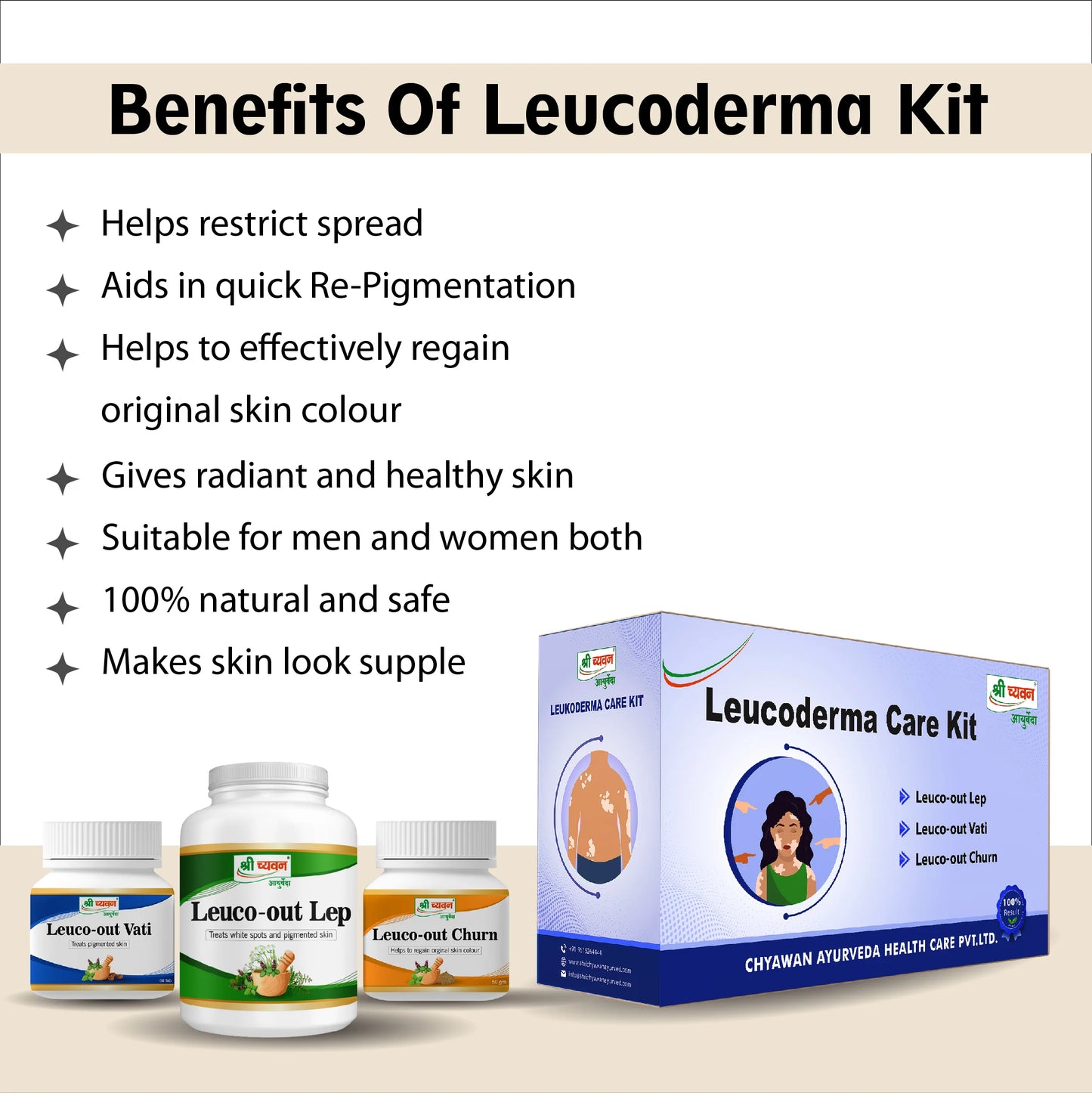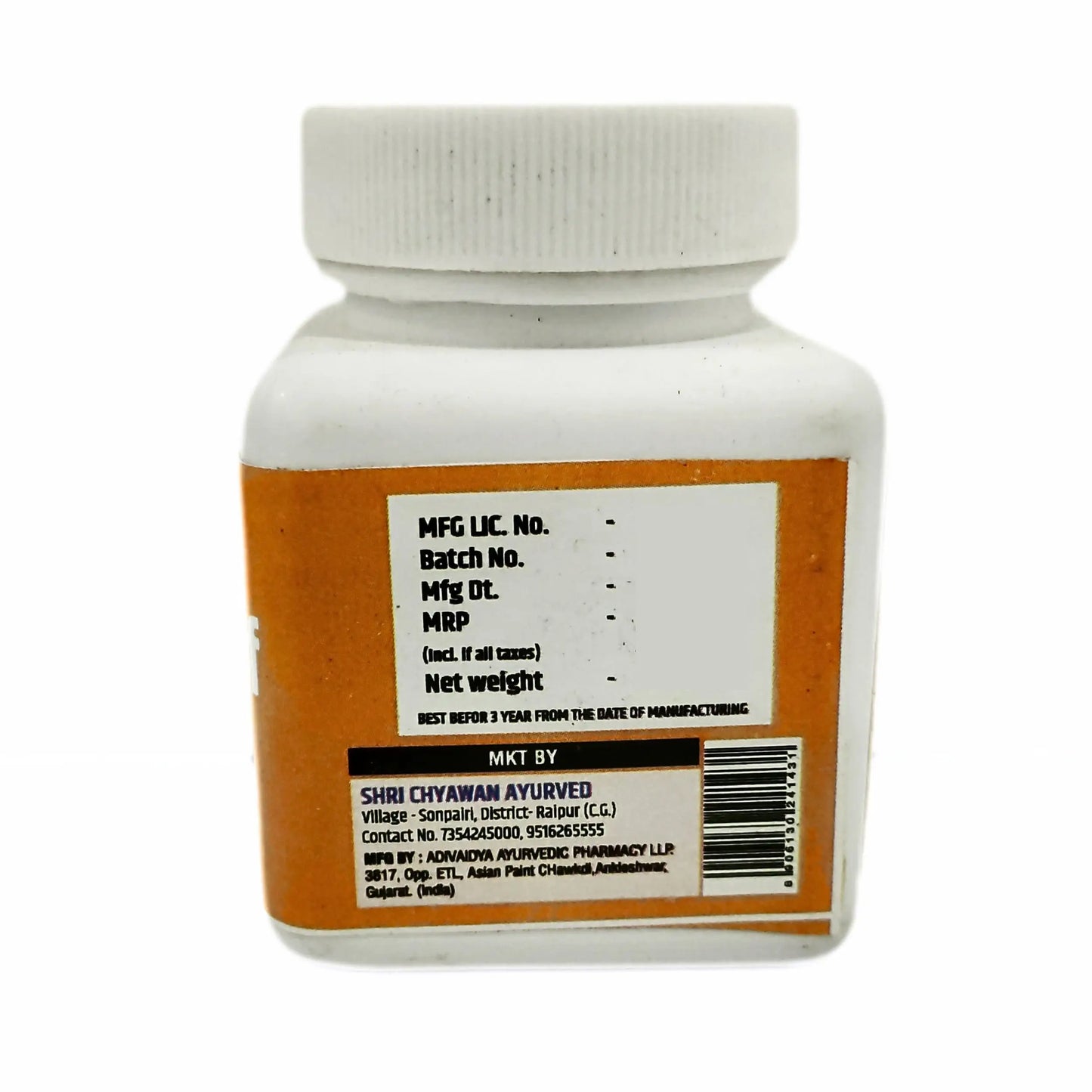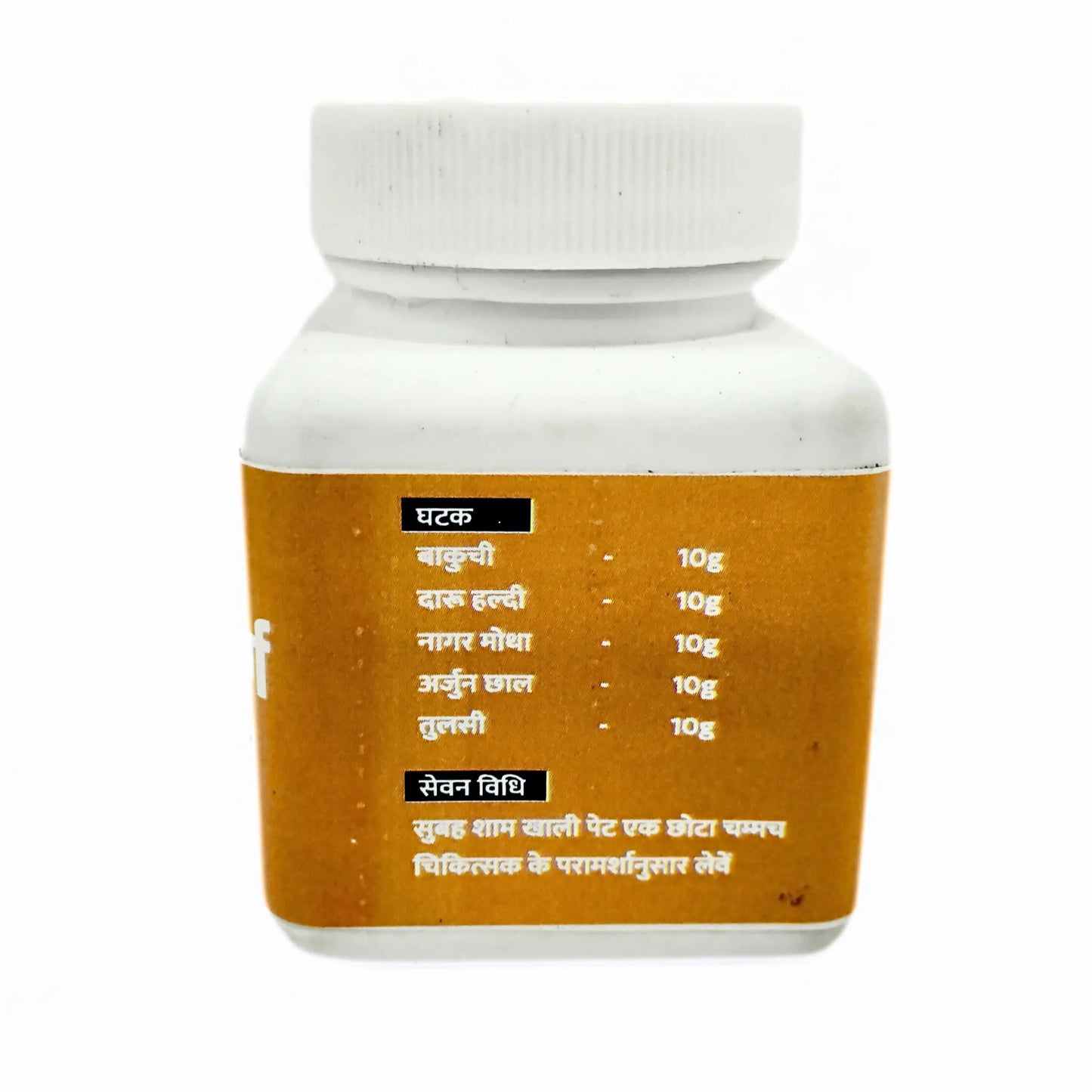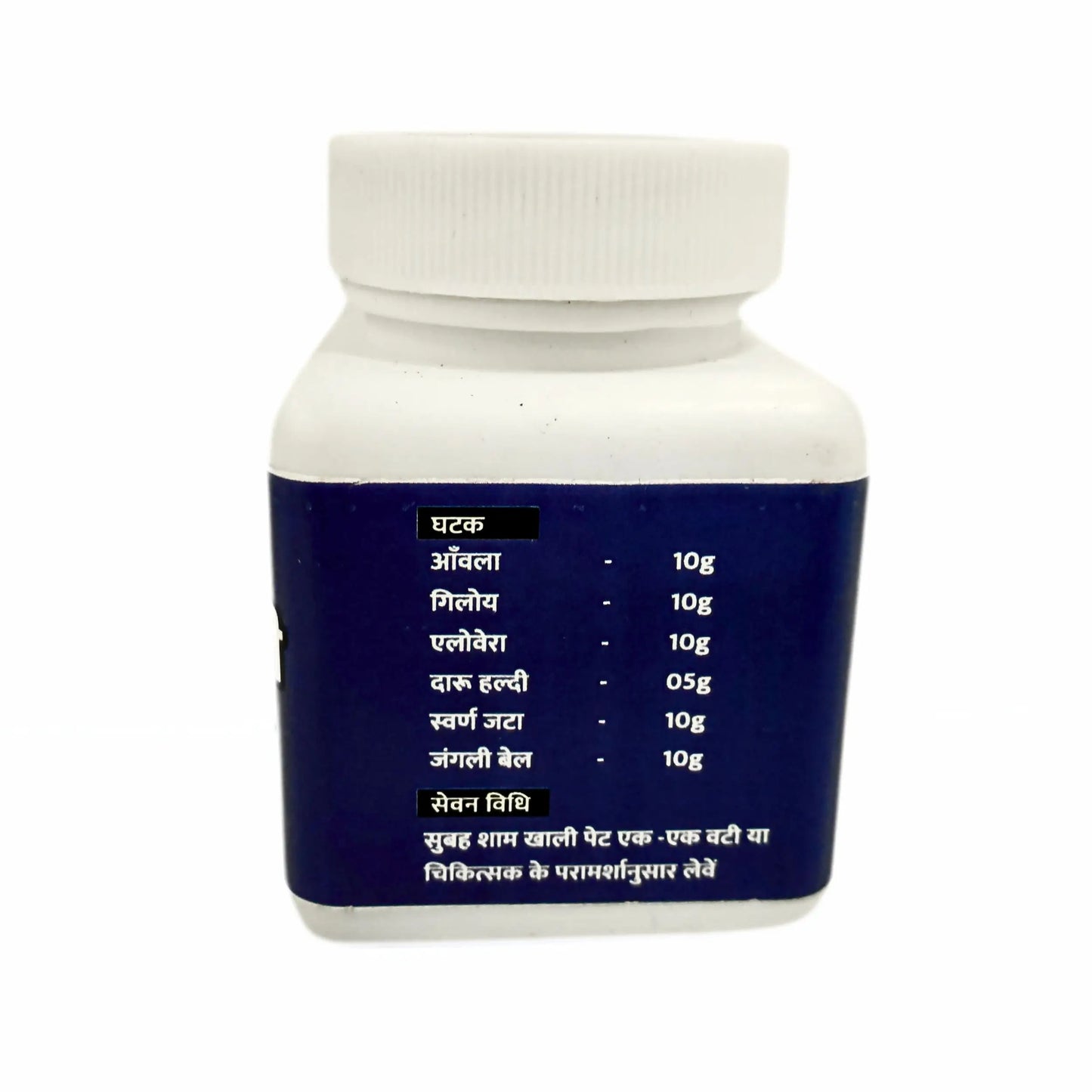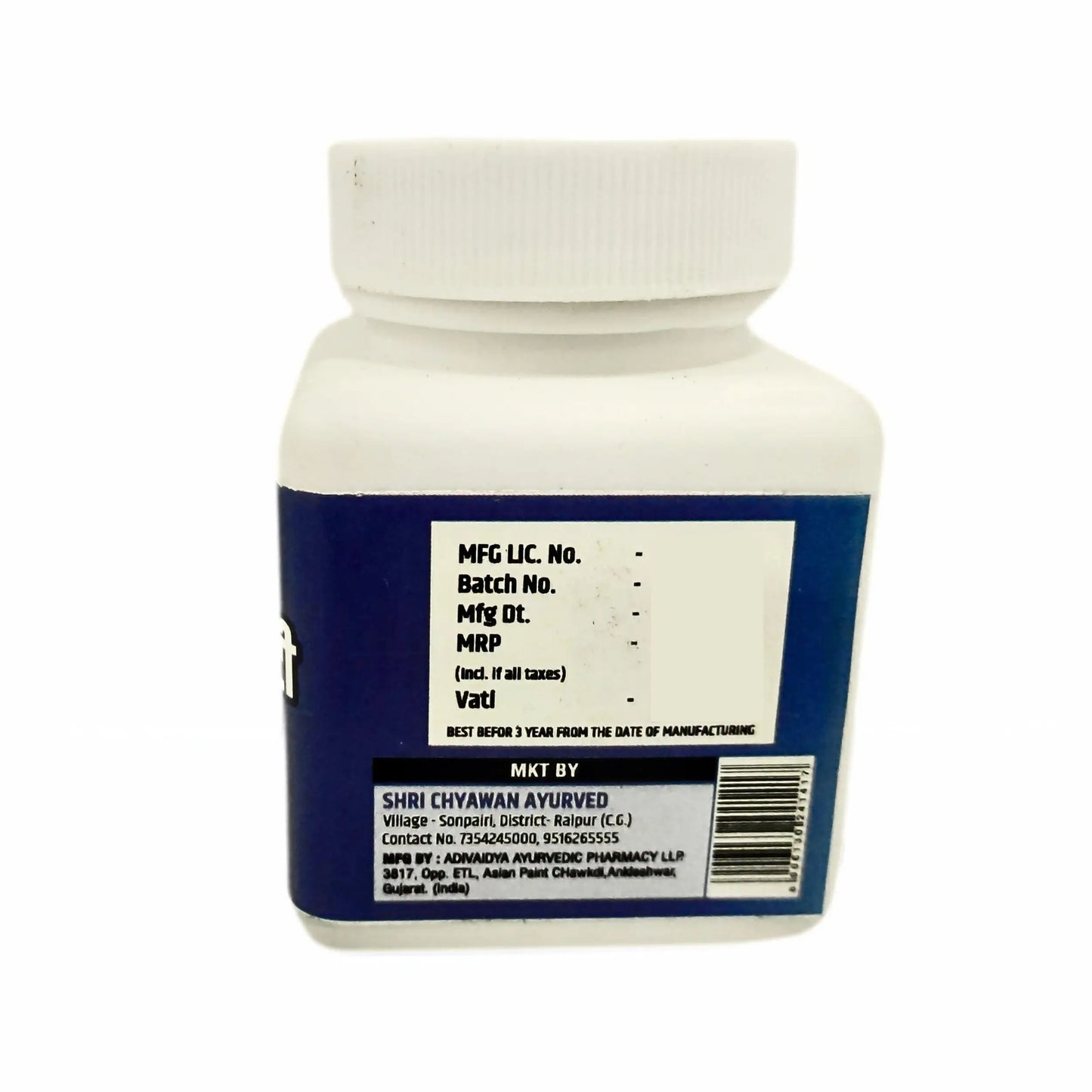

Vitiligo is a skin condition that causes white patches to appear on different parts of the body. It occurs when the cells responsible for producing skin pigment become inactive or are reduced in number. Although Vitiligo is not contagious or physically harmful, it can affect a person's confidence and emotional well-being.
In India, many people are exploring natural ways to support skin health and manage white patches. Among the traditional systems of wellness, Ayurveda has been trusted for centuries for its holistic approach to skin care. Instead of focusing only on the visible patches, Ayurvedic Medicine aims to support overall body balance and long-term skin wellness.
In this article, we will explore Vitiligo in Ayurveda, understand how Ayurvedic principle’s view skin health, and learn why many people choose Ayurvedic care for long-term support.
Understanding Vitiligo
Vitiligo is a condition in which certain areas of the skin lose their natural color due to reduced melanin production. Melanin is the pigment responsible for skin color.
White patches may appear on:
- Face
- Hands
- Feet
- Neck
- Lips
- Arms and legs
- Around the eyes
The condition can affect people of any age and may develop gradually over time.
Vitiligo in Ayurveda
In Ayurveda, Vitiligo is commonly associated with a condition known as Shwitra. Ancient Ayurvedic texts describe it as a disorder that may be linked to internal imbalances within the body.
According to Ayurveda, healthy skin depends on:
- Balanced Doshas
- Strong digestion (Agni)
- Pure blood circulation
- Proper nutrition
- Healthy lifestyle habits
When these systems become imbalanced, skin health may be affected.
This is why Ayurveda for Vitiligo focuses on supporting the body from within rather than concentrating only on external appearance.
Causes of Vitiligo According to Ayurveda
Ayurvedic principles suggest that several factors may contribute to skin imbalance.
1. Digestive Disturbances
Poor digestion may lead to the formation of toxins known as Ama.
These toxins may interfere with the body's natural processes.
2. Dosha Imbalance
An imbalance in Vata, Pitta, and Kapha may affect skin health and pigmentation.
3. Improper Diet
Unhealthy eating habits may weaken digestion and affect overall wellness.
4. Stress and Mental Fatigue
Emotional stress can influence both physical and mental health.
5. Lifestyle Factors
Irregular sleep, lack of exercise, and unhealthy routines may contribute to internal imbalance.
Why Long-Term Skin Wellness Matters
Many people focus only on reducing visible skin concerns. However, long-term skin wellness involves supporting the entire body.
Healthy skin is often connected with:
- Good digestion
- Balanced nutrition
- Healthy circulation
- Strong immunity
- Emotional well-being
This broader perspective is one reason why many individuals explore Vitiligo Ayurvedic Medicine as part of a long-term wellness strategy.
How Ayurvedic Medicine for Vitiligo Supports Skin Wellness
Ayurveda follows a holistic approach that aims to support multiple aspects of health.
Improving Digestive Health
According to Ayurveda, digestion is the foundation of wellness.
A healthy digestive system helps:
- Absorb nutrients effectively
- Support healthy metabolism
- Reduce toxin accumulation
Better digestion can contribute to overall skin wellness.
Supporting Blood Purification
Traditional Ayurvedic practices often emphasize healthy blood circulation and purification.
This may help support:
- Healthy skin function
- Nutrient delivery
- Overall body balance
Maintaining Dosha Balance
Balanced doshas are considered essential for healthy skin.
Ayurvedic therapies often focus on restoring this natural balance.
Supporting Natural Skin Nourishment
Proper nourishment plays an important role in maintaining healthy-looking skin.
Ayurvedic approaches encourage balanced nutrition and healthy lifestyle habits to support skin wellness.
Ayurvedic Medicine for Leucoderma and Vitiligo
Many of the same Ayurvedic principles used for Vitiligo are also associated with Ayurvedic Medicine for Leucoderma.
The focus is often on:
- Digestive support
- Detoxification
- Healthy circulation
- Skin nourishment
- Lifestyle improvement
This holistic approach aims to promote long-term wellness rather than short-term solutions.
Common Ayurvedic Herbs Used for Skin Wellness
Several herbs have traditionally been used in Ayurveda for skin care and overall wellness.
Bakuchi
Bakuchi is one of the most well-known herbs associated with Ayurvedic skin care.
Traditionally used for:
- Supporting healthy skin
- Maintaining natural skin appearance
- Promoting skin wellness
Neem
Neem is valued for its cleansing properties.
Benefits may include:
- Supporting skin hygiene
- Promoting healthy skin
- Assisting natural detoxification
Manjistha
Manjistha has traditionally been used to support healthy blood circulation and skin wellness.
Giloy
Giloy is widely used in Ayurveda to support immunity and overall health.
Amla
Amla contains natural antioxidants that support healthy skin and general wellness.

Diet Tips for Healthy Skin According to Ayurveda
Diet plays an important role in Ayurvedic wellness.
Foods to Include
- Fresh fruits
- Green vegetables
- Whole grains
- Seasonal foods
- Plenty of water
Foods to Limit
- Processed foods
- Excess sugar
- Deep-fried items
- Artificial beverages
A balanced diet helps support overall health and skin wellness.
Lifestyle Practices for Better Skin Health
Ayurveda strongly emphasizes healthy daily habits.
Practice Yoga
Yoga supports flexibility, circulation, and mental wellness.
Manage Stress
Meditation and breathing exercises can help improve emotional balance.
Sleep Well
Adequate sleep supports skin repair and recovery.
Stay Active
Regular physical activity helps maintain healthy circulation.

Why People Choose Ayurveda for Vitiligo
Many people in India choose Best Ayurvedic Medicine for Vitiligo because Ayurveda offers a holistic wellness approach.
Reasons include:
- Focus on overall health
- Natural wellness support
- Emphasis on lifestyle improvement
- Traditional knowledge and practices
- Long-term health perspective
Similarly, Best Ayurvedic Medicine for Leucoderma is often sought by individuals who prefer natural approaches to skin wellness.
Ayurveda and Long-Term Skin Care
Healthy skin requires consistency and patience.
Ayurveda encourages:
- Regular self-care
- Balanced nutrition
- Proper hydration
- Healthy routines
- Stress management
Together, these factors support long-term skin wellness and overall well-being.
Conclusion
Vitiligo is a condition that affects skin pigmentation, but healthy skin involves much more than appearance alone. Ayurveda views skin wellness as a reflection of internal health and emphasizes balance in digestion, nutrition, lifestyle, and overall wellness.
Ayurvedic Medicine for Vitiligo and Leucoderma are often chosen by individuals looking for a natural approach to long-term skin wellness.
By following Ayurvedic principles, maintaining a healthy lifestyle, and supporting overall body balance, it is possible to take meaningful steps toward healthier skin and improved well-being.
Frequently Asked Questions (FAQs)
1. What is Vitiligo according to Ayurveda?
In Ayurveda, Vitiligo is commonly associated with Shwitra and is linked to internal imbalances involving digestion, doshas, and overall health.
2. Why does Ayurveda focus on digestion for skin health?
Ayurveda considers digestion the foundation of wellness. Healthy digestion supports nutrient absorption and overall body balance.
3. Which herbs are commonly used in Ayurvedic skin wellness practices?
Bakuchi, Neem, Manjistha, Giloy, and Amla are among the herbs traditionally associated with skin care and wellness.
4. Does lifestyle affect skin health in Ayurveda?
Yes. Ayurveda emphasizes proper sleep, stress management, exercise, and healthy eating habits for maintaining skin wellness.
5. Why do people choose Ayurvedic Medicine for Vitiligo?
Many individuals prefer Ayurveda because it focuses on long-term wellness, healthy lifestyle habits, and supporting overall body balance.