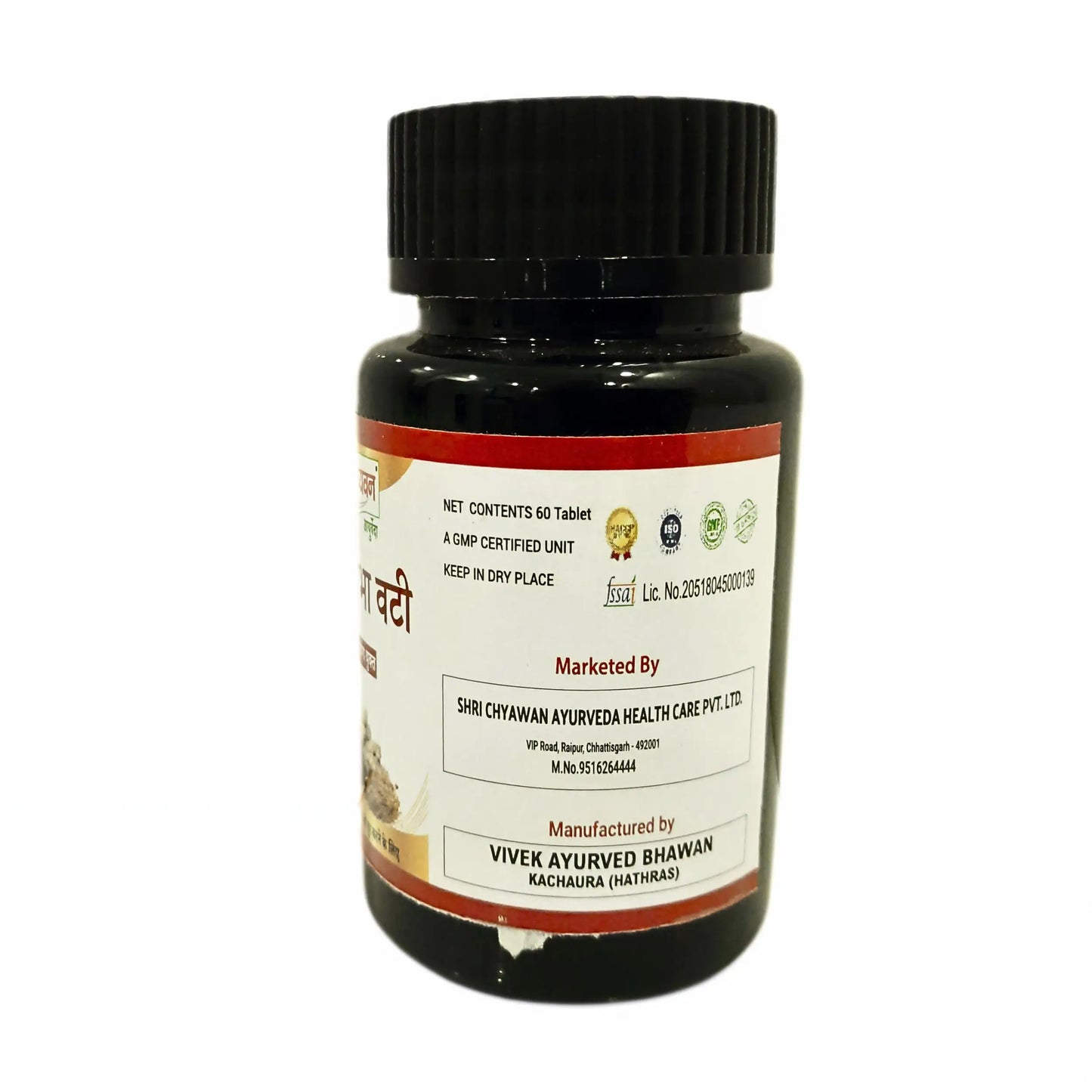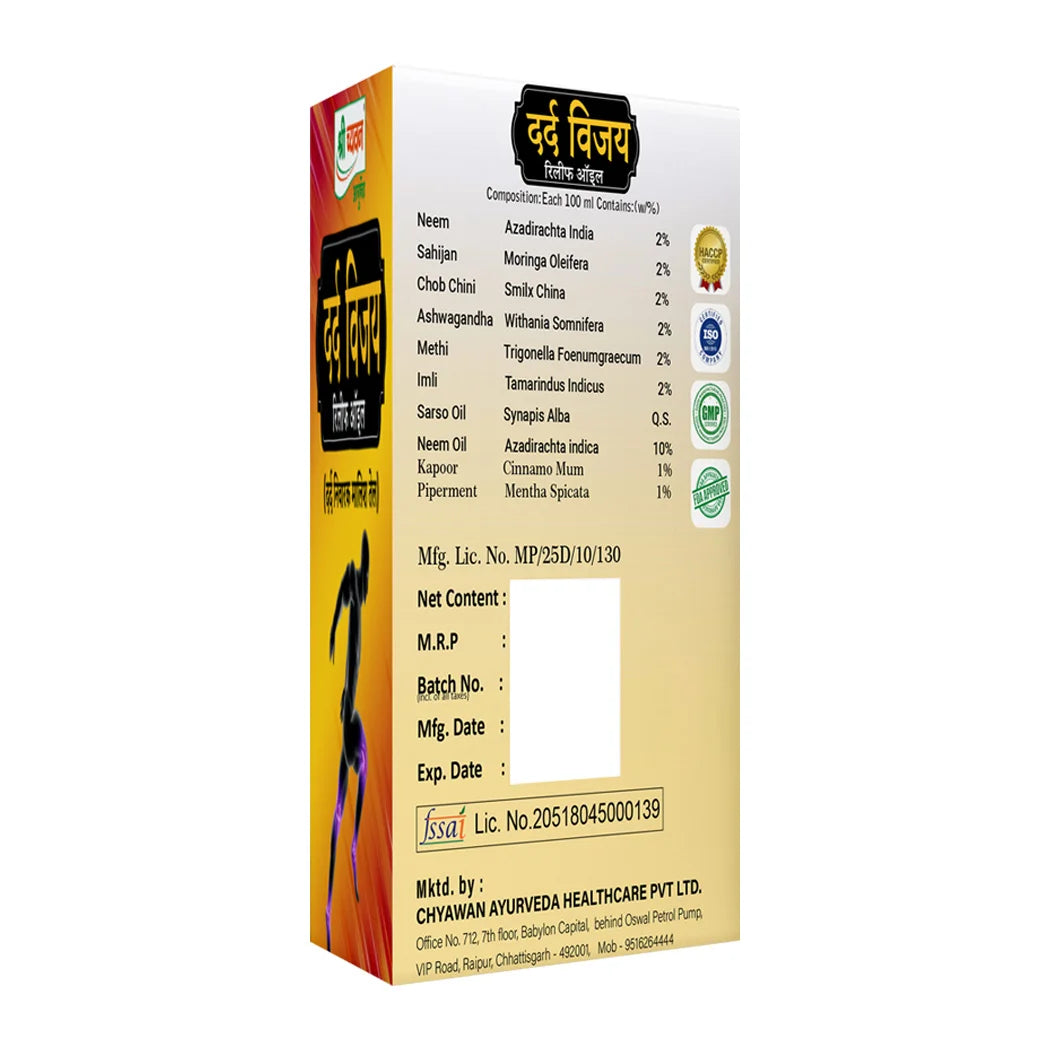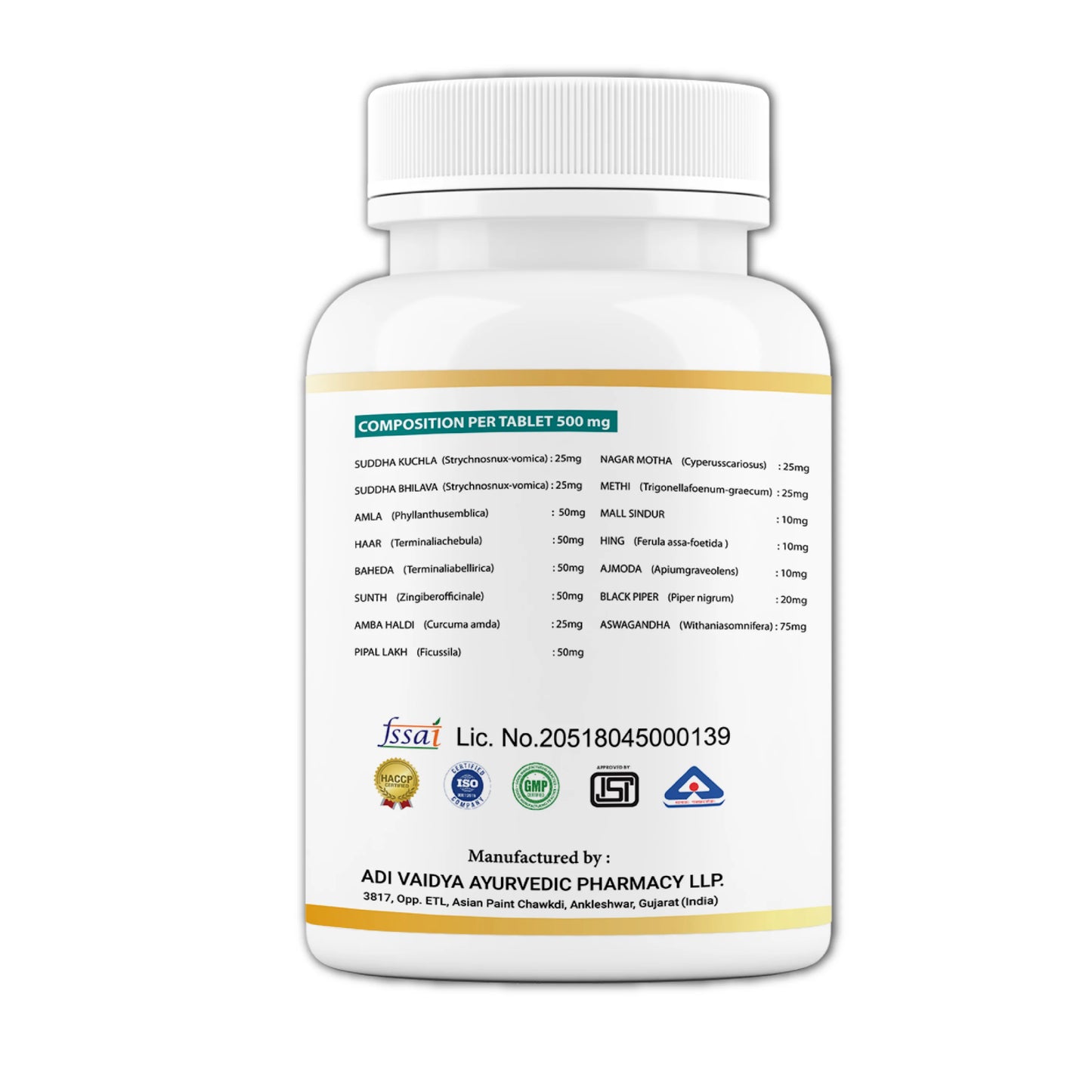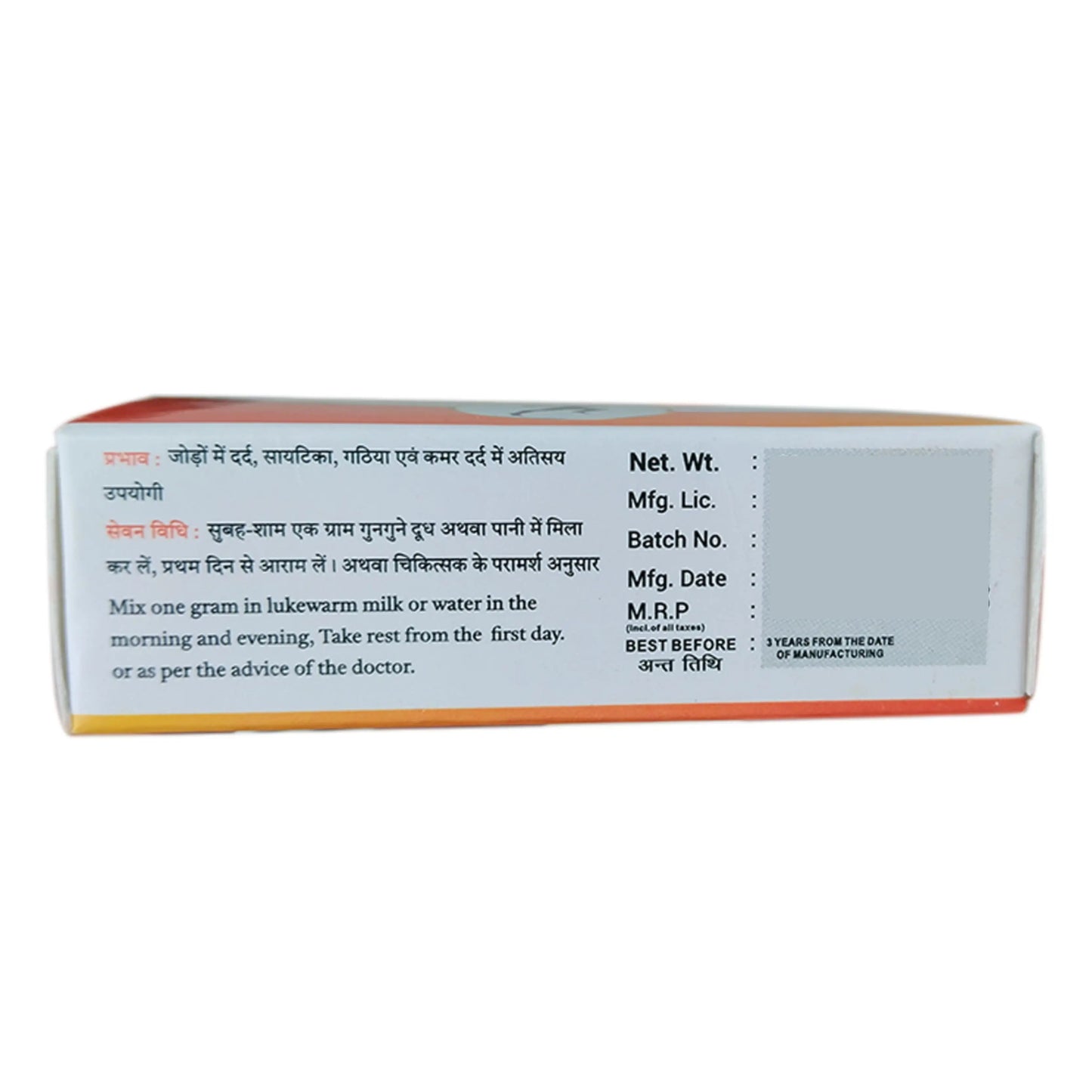

Back pain is one of the most common health problems affecting people of all age groups in India. Whether you are an office worker sitting for long hours, a homemaker managing household chores, a driver, or someone involved in physical labour, back pain can interfere with your daily routine and reduce your quality of life.
Many people rely on painkillers for quick relief, but they may only provide temporary comfort and are not suitable for long-term use without medical advice. This is why many individuals are exploring Ayurveda as a natural approach to support back health and overall well-being.
In this blog, we will discuss the common causes, symptoms, and Ayurvedic approach to managing back pain, along with lifestyle tips that can help keep your spine healthy.
What Is Back Pain?
Back pain refers to discomfort or stiffness that occurs anywhere along the spine, including the upper, middle, or lower back. The pain may be mild and occasional or severe and persistent.
The lower back is the most commonly affected area because it supports most of the body's weight and is involved in everyday movements such as bending, lifting, and walking.
Common Causes of Back Pain
Back pain can develop due to several reasons.
1. Poor Posture
Sitting or standing incorrectly for long periods puts extra pressure on the spine and back muscles.
2. Long Sitting Hours
Working on computers or driving for several hours without proper support may cause muscle stiffness and lower back pain.
3. Muscle Strain
Heavy lifting, sudden twisting movements, or excessive exercise can strain the muscles and ligaments of the back.
4. Age-Related Changes
As people grow older, the spine naturally undergoes wear and tear, increasing the risk of back pain.
5. Obesity
Excess body weight places additional stress on the spine and surrounding muscles.
6. Lack of Physical Activity
Weak back and core muscles provide less support to the spine, increasing the risk of pain.
7. Stress
Mental stress can lead to muscle tension, especially around the neck and back.
Common Symptoms of Back Pain
The symptoms may vary depending on the cause.
Some common signs include:
- Dull or aching pain
- Sharp pain while bending or lifting
- Muscle stiffness
- Reduced flexibility
- Pain after sitting for long periods
- Difficulty standing straight
- Pain that spreads to the hips or legs
- Muscle spasms
If pain continues for several weeks or is associated with weakness, numbness, fever, or bladder and bowel problems, medical evaluation is important.
Ayurveda for Back Pain
According to Ayurveda, back pain is commonly associated with an imbalance of Vata Dosha, which governs movement, muscles, bones, and the nervous system.
When Vata becomes aggravated, it may cause:
- Pain
- Stiffness
- Dryness
- Muscle tightness
- Reduced flexibility
Ayurveda also considers the accumulation of Ama (metabolic waste due to impaired digestion) as a contributing factor in some individuals, which may affect normal body functions.
The Ayurvedic approach aims to restore balance through diet, lifestyle modifications, herbal preparations, and supportive therapies.
Ayurvedic Medicine for Back Pain
An Ayurvedic medicine for back pain generally includes herbs traditionally used to support joint, muscle, and nerve health.
Depending on the person's condition and Ayurvedic assessment, herbal formulations may be recommended to:
- Support healthy muscles
- Promote joint comfort
- Improve flexibility
- Support healthy circulation
- Maintain mobility
For the best results, Ayurvedic medicines should be taken under the guidance of a qualified Ayurvedic practitioner.
Best Ayurvedic Herbs for Back Pain
Several herbs have been traditionally used in Ayurveda to support musculoskeletal health.
Ashwagandha
Ashwagandha is known for supporting strength and overall wellness.
It may help:
- Support muscle recovery
- Improve stamina
- Promote overall vitality
Guggul
Guggul is commonly used in classical Ayurvedic formulations.
Traditionally, it is valued for supporting:
- Joint comfort
- Healthy mobility
- Overall musculoskeletal health
Shallaki (Boswellia)
Shallaki has long been used in Ayurveda to support joint function.
It may help maintain:
- Joint flexibility
- Comfortable movement
- Healthy inflammatory response
Dashmool
Dashmool is a classical combination of ten medicinal roots.
It is traditionally used to balance Vata Dosha and support muscle and joint health.
Nirgundi
Nirgundi is widely used in Ayurvedic practice to support healthy muscles and joints and is often included in external oils and herbal formulations.

Ayurvedic Medicine for Back Pain Relief
Many people choose Ayurvedic medicine for back pain relief because Ayurveda focuses on supporting overall health instead of only managing discomfort.
An Ayurvedic treatment plan may include:
- Herbal medicines
- External oil application
- Therapeutic massage
- Lifestyle changes
- Gentle exercises
- Dietary recommendations
This holistic approach aims to support long-term spine health and mobility.
Ayurvedic Medicine for Lower Back Pain
Lower back pain is one of the most common complaints among adults.
Common causes include:
- Long sitting hours
- Weak core muscles
- Heavy lifting
- Poor posture
- Sciatica
- Age-related spinal changes
An Ayurvedic medicine for lower back pain is often combined with posture correction, stretching exercises, and healthy lifestyle habits to support recovery.
Best Ayurvedic Medicine for Lower Back Pain
The best Ayurvedic medicine for lower back pain depends on several factors, including:
- The underlying cause
- Age
- Overall health
- Lifestyle
- Severity and duration of symptoms
Since every individual is different, treatment should always be personalised by a qualified Ayurvedic doctor rather than self-medicating.
Ayurvedic Therapies That Support Back Health
Along with herbal medicines, Ayurveda recommends several supportive therapies.
Abhyanga (Oil Massage)
Warm herbal oil massage may help:
- Relax muscles
- Improve circulation
- Reduce stiffness
- Support flexibility
Swedana (Steam Therapy)
Herbal steam therapy is traditionally used after massage.
It may help:
- Relax muscles
- Improve movement
- Reduce body stiffness
Yoga
Gentle yoga may help strengthen the back.
Helpful poses include:
- Bhujangasana (Cobra Pose)
- Makarasana (Crocodile Pose)
- Cat-Cow Stretch
- Child's Pose
These should be performed under proper guidance, especially if you have persistent pain.

Lifestyle Tips to Prevent Back Pain
Simple daily habits can make a significant difference.
Maintain Good Posture
Keep your back straight while sitting and standing.
Exercise Regularly
Walking, stretching, and strengthening exercises help support the spine.
Maintain a Healthy Weight
Excess body weight increases pressure on the lower back.
Avoid Heavy Lifting
Lift objects correctly by bending your knees instead of your back.
Eat a Balanced Diet
Include foods rich in:
- Calcium
- Vitamin D
- Protein
- Magnesium
- Fresh fruits and vegetables
Sleep Properly
Use a supportive mattress and maintain a comfortable sleeping posture.
Conclusion
Back pain is a common condition that can affect people of all ages and professions. Poor posture, prolonged sitting, ageing, muscle strain, and an inactive lifestyle are some of the major causes. Understanding these factors is the first step towards effective management.
Ayurveda offers a holistic approach by focusing on balancing Vata Dosha, supporting muscle and joint health, and encouraging healthy lifestyle habits. Along with an appropriate Ayurvedic medicine for back pain, regular exercise, proper posture, a nutritious diet, and stress management can help support long-term back health.