
Diabetes management requires consistent attention to food habits, physical activity, stress, sleep, and prescribed treatment. Along with modern medical care, many people are exploring ayurveda to understand how traditional herbs and formulations may support overall wellness.
Ayurveda has a long history of using herbs as part of a broader approach to health. However, diabetes is a chronic condition that needs regular monitoring and professional guidance. Ayurvedic products should therefore be considered carefully and used only as a supportive part of a personalised diabetes-care plan.
This guide explains commonly discussed Ayurvedic herbs, different formulations, important precautions, and the right way to evaluate an ayurvedic medicine.
Understanding Diabetes and Blood Sugar Management
Diabetes occurs when the body cannot produce enough insulin or cannot use insulin effectively. Insulin helps glucose move from the bloodstream into the body’s cells for energy. When this process is disturbed, blood sugar levels may rise.
The most common types include:
- Type 1 diabetes: The body produces little or no insulin. Insulin therapy is essential for survival.
- Type 2 diabetes: The body becomes resistant to insulin or does not produce enough insulin. Lifestyle changes and prescribed medicines are often required.
- Gestational diabetes: This develops during pregnancy and requires special medical supervision.
Uncontrolled blood sugar may affect the eyes, kidneys, nerves, heart, and blood vessels. For this reason, no herbal product should replace insulin, prescribed medicines, blood tests, or regular medical appointments.
How Ayurveda Approaches Diabetes Care
Ayurvedic literature describes conditions associated with excessive urination and metabolic imbalance under concepts such as Prameha and Madhumeha. Traditional Ayurvedic care may consider digestion, daily routine, body constitution, food choices, activity, and overall balance.
The Ayurvedic approach generally focuses on improving daily habits rather than depending on a single product. Depending on the individual, an Ayurvedic practitioner may discuss:
- Balanced and timely meals
- Appropriate physical activity
- Weight management
- Sleep and stress management
- Digestive health
- Herbal preparations
- Regular observation of symptoms and health markers
The right approach can differ according to age, diabetes type, current medicines, blood sugar levels, and other health conditions.
Common Herbs Discussed in Ayurvedic Diabetes Care
Several herbs are traditionally discussed in relation to blood sugar and metabolic wellness. Their effects can vary, and scientific evidence is not equally strong for every herb or formulation.
1. Gudmar
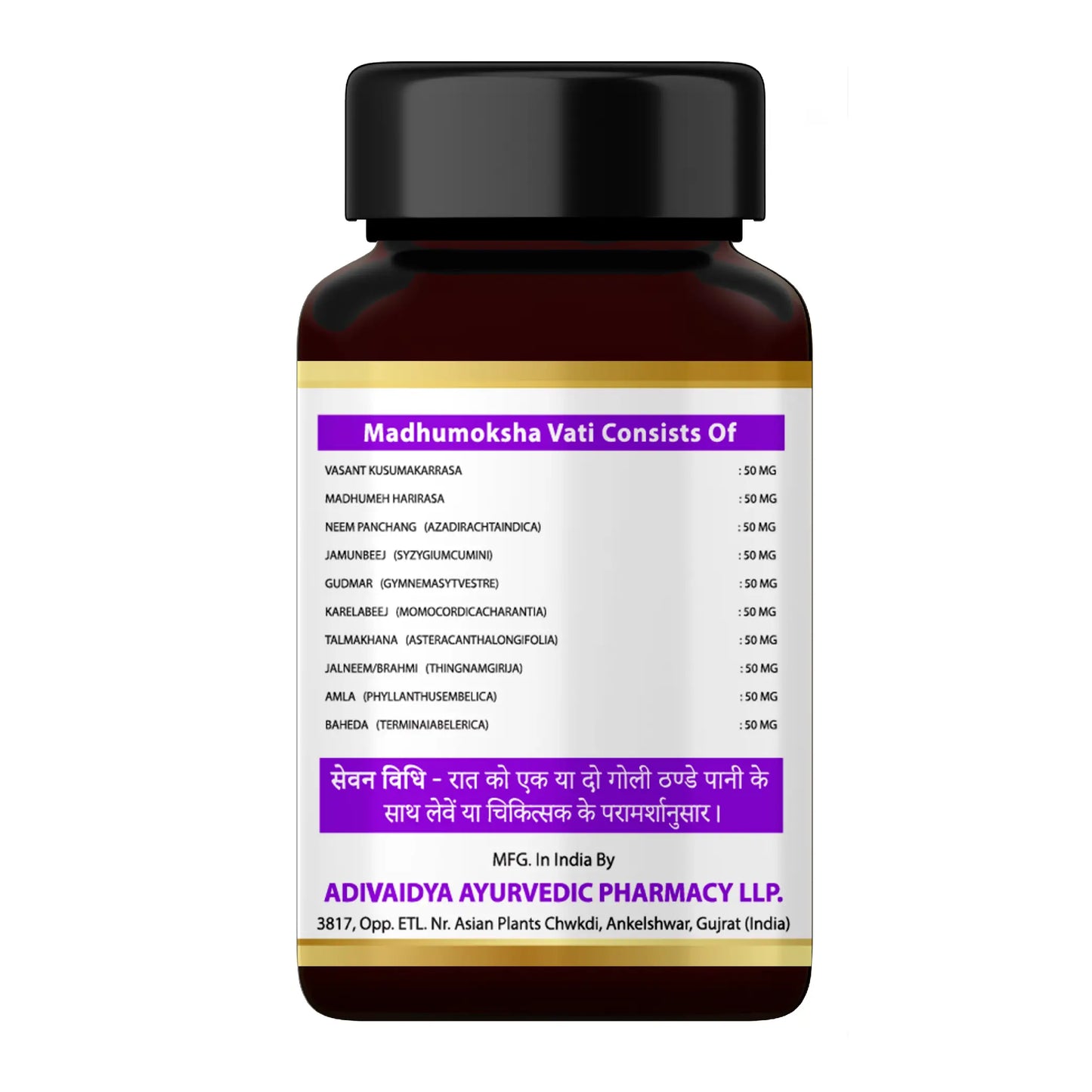
Gudmar, commonly known as Gymnema sylvestre, is traditionally used in Ayurvedic practices. It is often discussed for its possible role in supporting glucose metabolism and reducing the desire for sweet foods.
However, people taking diabetes medicines should use caution because combining glucose-lowering herbs with prescribed medicines may increase the risk of low blood sugar.
2. Bitter Melon
Bitter melon, also called karela, is a familiar ingredient in Indian households. It has traditionally been used in dietary and herbal preparations associated with metabolic health.
Karela juice or supplements should not be treated as a replacement for diabetes treatment. Excessive intake may cause digestive discomfort or affect blood sugar levels.
3. Fenugreek
Fenugreek, or methi, contains dietary fibre and is commonly used in Indian cooking. It is traditionally included in some wellness routines for supporting healthy digestion and glucose management.
People using blood-thinning medicines, diabetes medicines, or those who are pregnant should consult a healthcare professional before taking concentrated fenugreek supplements.
4. Indian Gooseberry
Indian gooseberry, also known as amla, is valued in Ayurveda for its antioxidant content and general wellness benefits. It may be included in certain formulations designed to support digestion and overall vitality.
Amla-based products can vary significantly in their ingredients and sugar content, especially when prepared as sweetened syrups or tonics.
5. Neem
Neem is traditionally used in several Ayurvedic preparations. It is often associated with skin, digestive, and general wellness practices.
Neem should not be consumed in concentrated forms without professional guidance. Its safety and suitability depend on the preparation, dose, and individual health condition.
6. Jamun Seed
Jamun seed powder is a traditional ingredient used in some Indian home remedies. It is often discussed in connection with blood sugar support.
The quality, preparation, and quantity of jamun seed products can differ. It is important to avoid assuming that a traditional ingredient will provide the same effect for every person.
Understanding Ayurvedic Formulations
Ayurvedic products are available in different forms. Choosing a formulation should depend on convenience, ingredients, dosage instructions, and professional advice—not only on marketing claims.
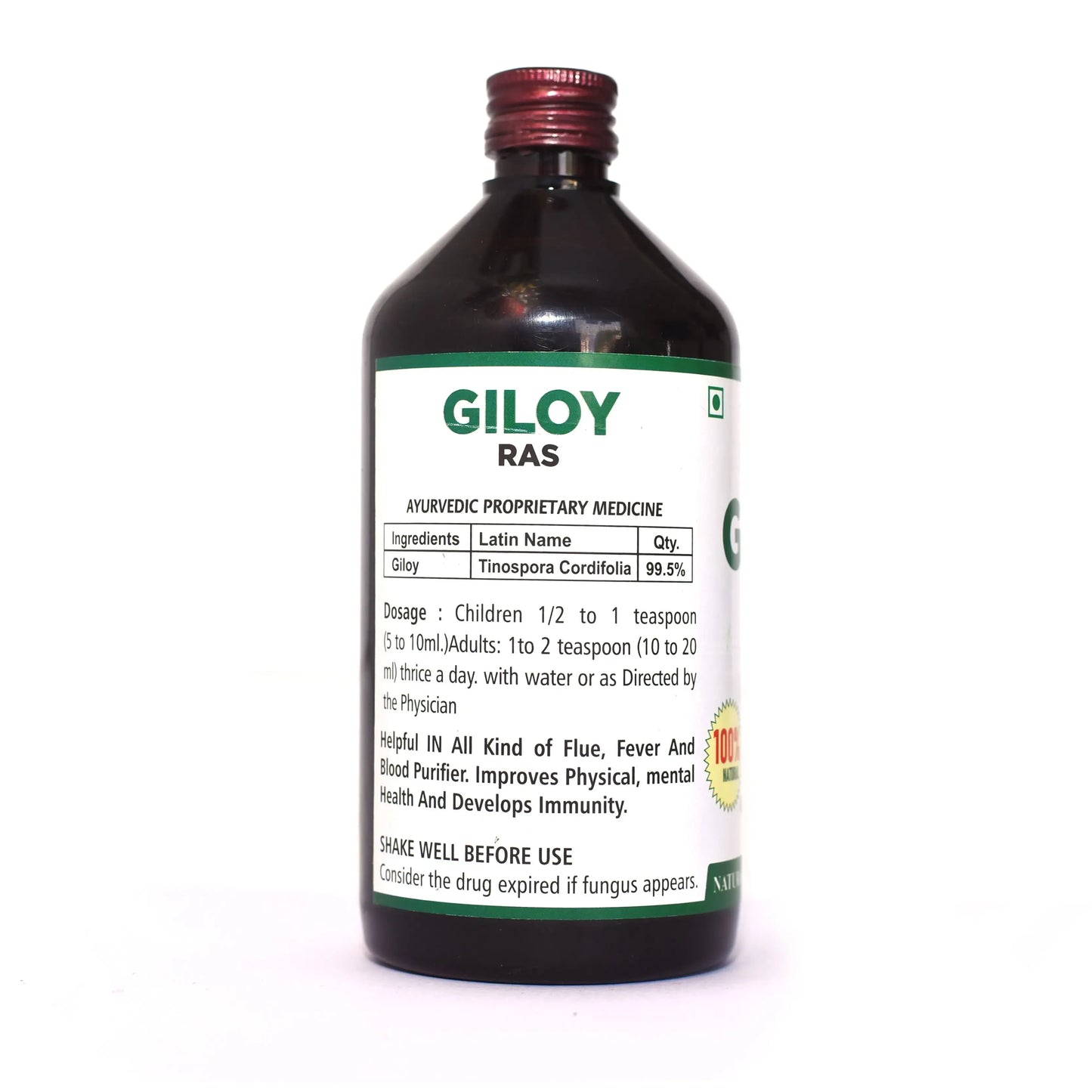
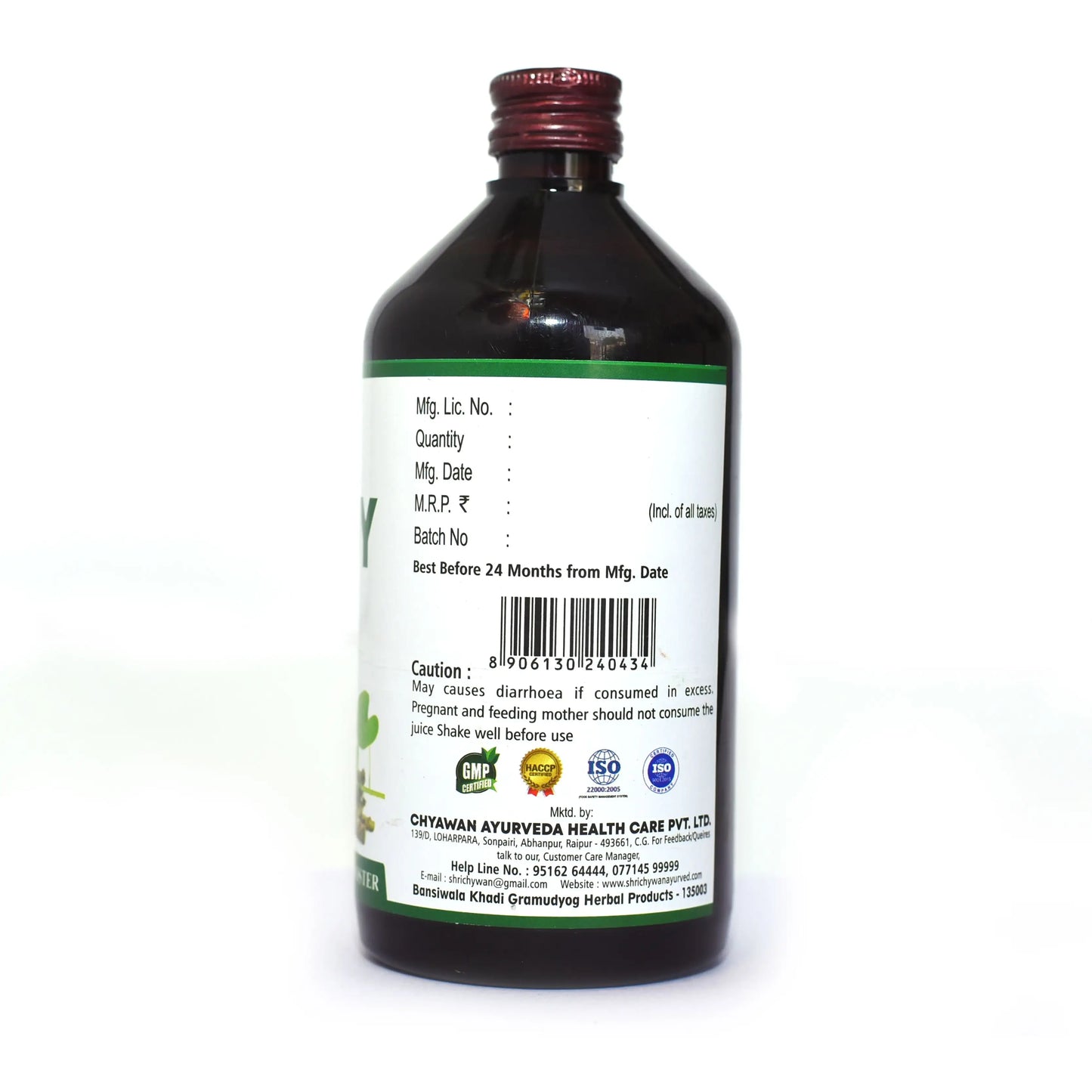
Ayurvedic Syrup for Diabetes
An ayurvedic syrup for diabetes may be preferred by people who find tablets difficult to swallow. However, patients should carefully check the label for:
- Added sugar
- Sweeteners
- Carbohydrate content
- Serving size
- Preservatives
- Recommended dosage
A syrup that contains sugar may not be suitable for every person with diabetes. Always review the complete ingredient list before use.
Ayurvedic Tablets for Diabetes
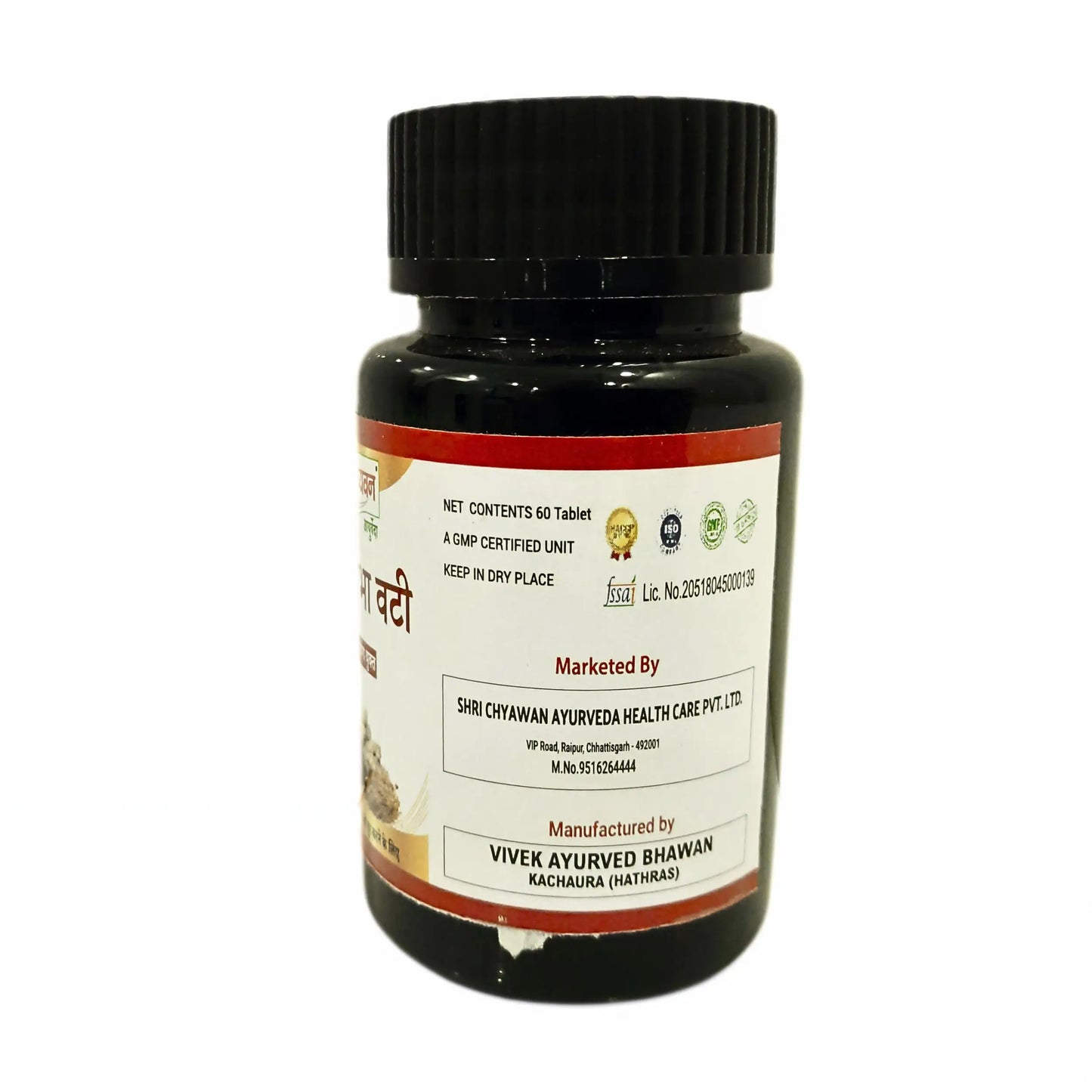
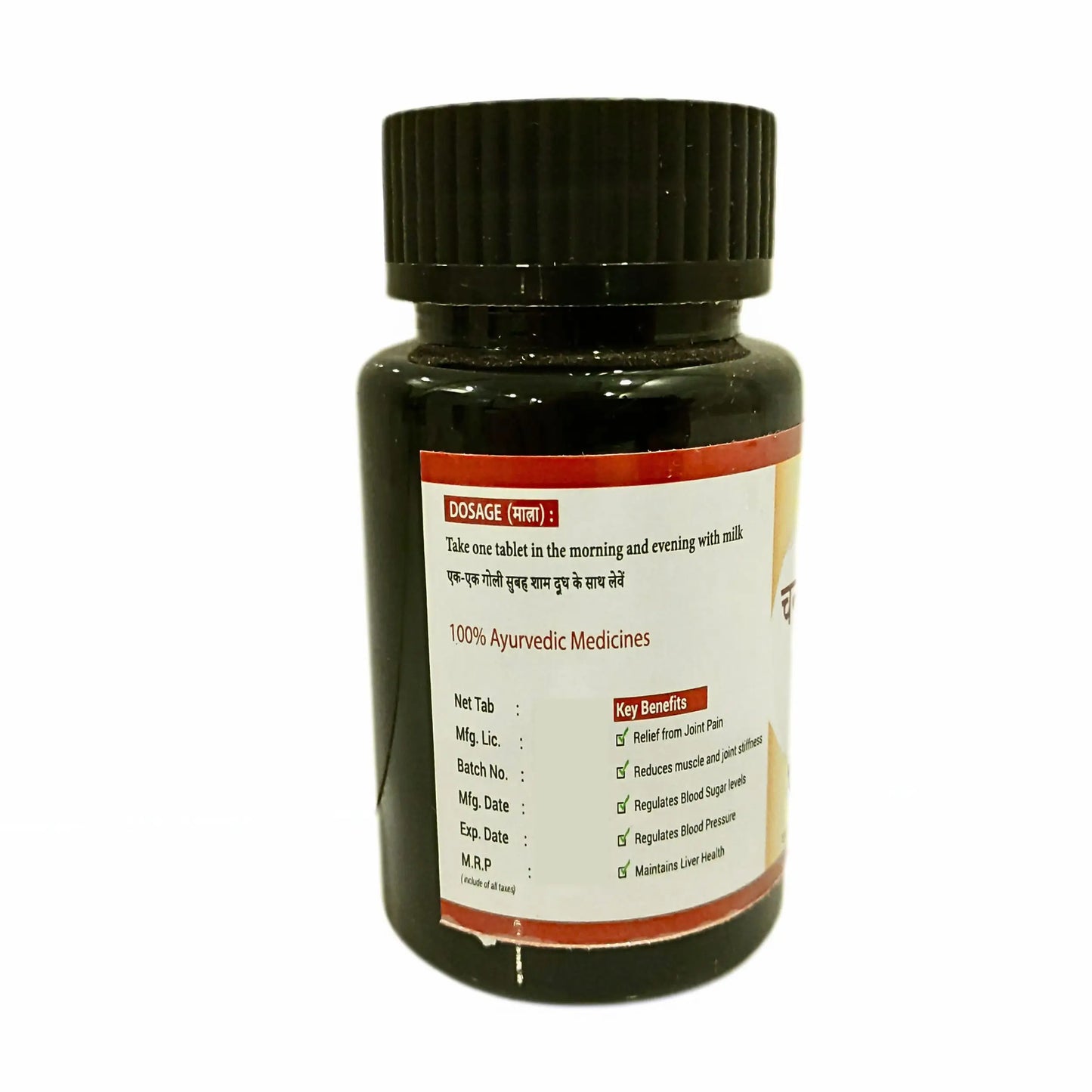
Ayurvedic tablets for diabetes are convenient and generally easier to carry while travelling or working. Their formulation may contain one herb or a combination of several ingredients.
Before taking tablets, check the manufacturer’s information, dosage, batch number, expiry date, and recommended usage. Do not take multiple products containing similar herbs without professional advice.
Ayurvedic Diabetes Capsules
Ayurvedic diabetes capsules may contain powdered herbs, extracts, or blended formulations. Extract-based products can be more concentrated than ordinary food ingredients, so dosage becomes especially important.
Capsules should be taken according to the product instructions or a qualified practitioner’s recommendation. They should not be used to independently adjust prescribed diabetes medicines.

How to Evaluate the Best Ayurvedic Medicine for Diabetes
Searches for the best ayurvedic medicine for diabetes are common, but there is no single product that is suitable for everyone. A responsible choice should consider the following factors:
Check the Complete Ingredient List
Look for clearly mentioned ingredients, quantities, serving size, and usage instructions. Avoid products that do not provide transparent information.
Choose a Reliable Manufacturer
A trustworthy manufacturer should provide batch details, manufacturing information, expiry date, customer support, and clear product directions.
Avoid Unrealistic Promises
Claims such as “permanent diabetes cure,” “stop insulin immediately,” or “normalise sugar in a few days” should be treated with caution. Diabetes management usually requires long-term care.
Consider Your Existing Medicines
Some herbs may affect blood sugar or interact with medicines. Share information about all supplements and Ayurvedic products with your doctor.
Look at the Formulation, Not Just the Brand
A familiar brand name does not automatically make every product suitable for every person. The ingredients, dosage, quality, and your health profile are more important.
Ayurvedic Medicine for Diabetes Type 1: Important Precautions
Information about ayurvedic medicine for diabetes type 1 must be approached with particular care. Type 1 diabetes requires insulin because the body cannot produce enough of it.
Ayurvedic herbs, syrups, tablets, or capsules cannot replace insulin. A person with type 1 diabetes should:
- Continue insulin as prescribed
- Monitor blood glucose regularly
- Follow the recommended meal and activity plan
- Discuss every herbal product with a diabetes specialist
- Seek urgent medical help for vomiting, abdominal pain, severe weakness, confusion, or breathing difficulty
Stopping or reducing insulin without medical supervision can lead to a dangerous condition called diabetic ketoacidosis.

Lifestyle Habits That Support Diabetes Care
Herbal formulations work, if appropriate, only as part of a wider care plan. Practical habits for people in India may include:
- Choosing whole grains and high-fibre foods in suitable portions
- Including vegetables, pulses, and protein-rich foods
- Limiting sugary drinks, sweets, and highly processed snacks
- Taking regular walks or doing doctor-approved exercise
- Avoiding long periods of sitting
- Maintaining a consistent sleep schedule
- Practising yoga, breathing exercises, or meditation for stress management
- Checking feet regularly, especially when nerve problems are present
- Following the doctor’s recommended blood tests and appointments
Conclusion
Understanding ayurvedic medicine for diabetes means looking beyond the product name and learning about its herbs, formulation, dosage, quality, and possible interactions. Ingredients such as gudmar, karela, fenugreek, amla, neem, and jamun seed are traditionally discussed in Ayurvedic wellness practices, but their suitability varies from person to person.