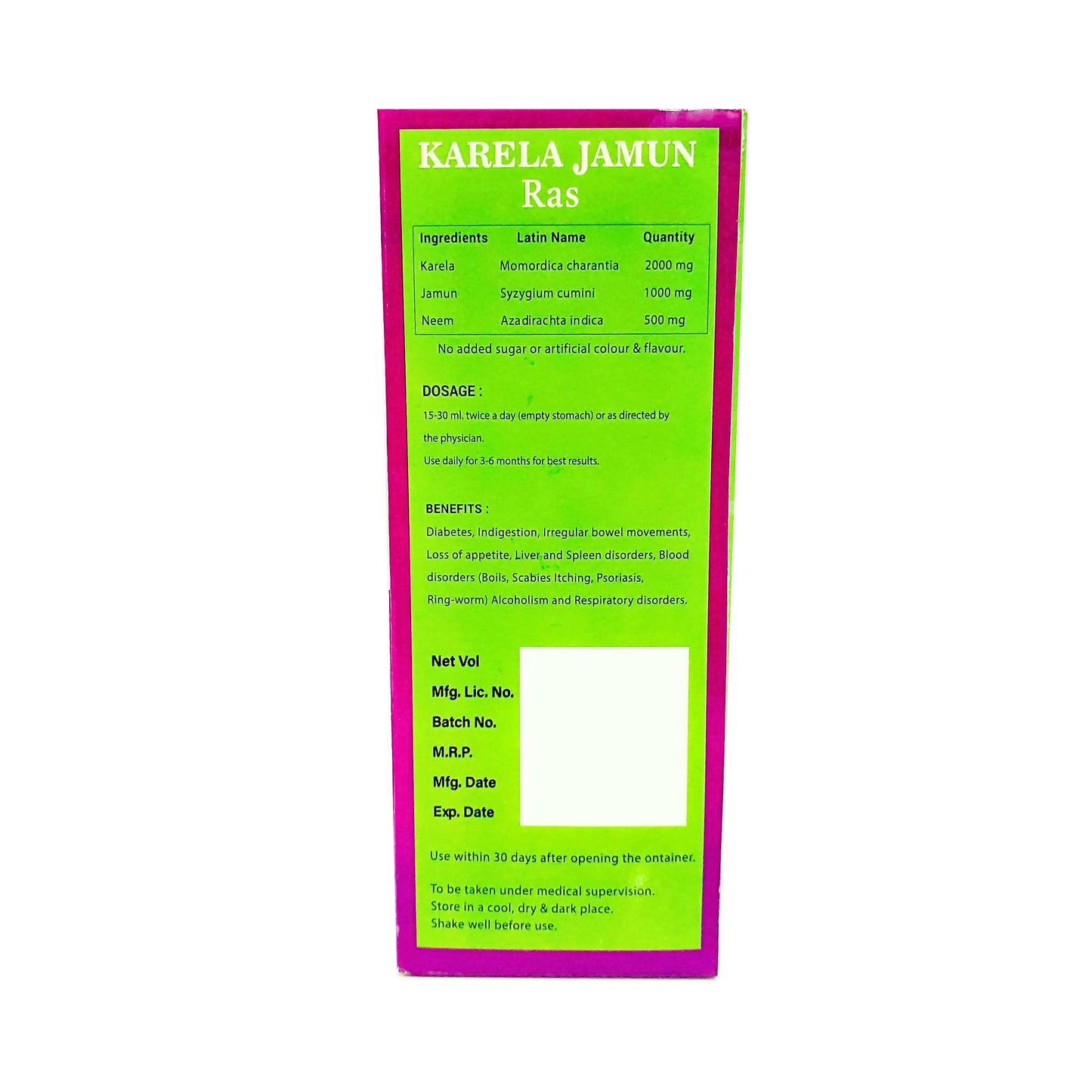

Diabetes management is becoming an important part of everyday health for many people in India. Busy work schedules, frequent eating outside the home, sedentary habits, stress, and irregular sleep can make it challenging to maintain a healthy lifestyle. As awareness grows, many people are exploring Ayurveda as complementary approaches to their overall wellness routine.
Ayurveda takes a broader view of health by considering food, daily habits, physical activity, rest, and traditional herbal preparations together. However, smart diabetes management should not depend on a single product. A responsible approach combines appropriate medical care with practical lifestyle choices. This guide explains how Ayurvedic principles can fit into a modern diabetes wellness routine.
Understanding Diabetes Management
Diabetes affects how the body regulates blood glucose. Depending on the type and individual circumstances, management may involve prescribed medicines, insulin, nutrition changes, physical activity, weight management, and regular monitoring.
For this reason, people should be careful with claims that a particular herbal product can "cure" diabetes or replace prescribed treatment. Ayurvedic products may be considered complementary by some individuals, but their suitability should be discussed with a healthcare professional.
Ayurveda for Diabetes is best understood as a holistic approach that encourages healthier routines alongside appropriate medical care.
What Makes a Lifestyle Smart for Diabetes?
A smart lifestyle does not mean following an extremely restrictive diet or making sudden changes. It means developing realistic habits that can be maintained over months and years.
Important areas include:
- Balanced meals
- Regular movement
- Consistent sleep
- Stress management
- Weight management when appropriate
- Regular health checks
- Responsible use of supplements and medicines
Small improvements made consistently can be more practical than temporary lifestyle changes.
The Ayurvedic Perspective on Everyday Habits
Traditional Ayurveda places considerable importance on routine. Regular meal times, appropriate activity, adequate rest, and mindful eating are central to many Ayurvedic lifestyle principles.
For someone interested in Ayurveda, this can translate into simple modern habits such as eating meals at predictable times, avoiding excessive snacking, staying active throughout the day, and creating a consistent sleep schedule.
The goal is not to follow complicated rules but to establish a routine that supports overall well-being.
Where Ayurvedic Medicine Fits In
Ayurvedic medicine for diabetes includes different traditional formulations available as tablets, syrups, powders, and other preparations.
People may choose a particular formulation based on:
- Ingredients
- Product quality
- Format
- Personal convenience
- Professional guidance
An Ayurvedic product should not be selected simply because it is described as "natural." Natural ingredients can still have side effects or interact with medicines.
Ayurvedic Tablets for Diabetes
Ayurvedic tablets for diabetes can be convenient for people who prefer a compact formulation.
They may fit easily into:
- Office routines
- Travel schedules
- Daily wellness plans
- Structured medication schedules
Before using any tablet, read the complete ingredient list and recommended serving instructions.
Ayurvedic Syrup for Diabetes
An ayurvedic syrup for diabetes may appeal to people who prefer liquid formulations.
However, people with diabetes should pay particular attention to the label of any syrup. Check the ingredients and nutritional information, including whether the formulation contains added sugar or other sweetening ingredients.

How to Evaluate an Ayurvedic Product
Searching online for the Best Ayurvedic medicine for diabetes can produce many options. Instead of choosing based only on advertising, use a simple evaluation process.
Check the Ingredients
Look for a complete and clearly displayed ingredient list. Avoid products that provide little information about their composition.
Check the Manufacturer
Look for clear manufacturer details, batch information, expiry date, storage instructions, and other relevant labelling.
Understand the Intended Use
Read the product information carefully. Be cautious about exaggerated promises such as permanent cures, guaranteed results, or claims that conventional diabetes treatment is unnecessary.
Consider Professional Advice
If you take prescription medicines, consult your doctor or qualified healthcare professional before adding an herbal product to your routine.
Smart Food Choices for Indian Households
Healthy eating does not require abandoning traditional Indian foods. Instead, focus on portions, food quality, and overall dietary balance.
Depending on individual nutritional needs, meals can include:
- Vegetables
- Dal and other pulses
- Whole grains
- Millets
- Unsweetened dairy options where appropriate
- Nuts and seeds in suitable portions
- Whole fruits in appropriate portions
Limit foods and drinks that are high in added sugar, refined carbohydrates, and excess calories.
For personalized dietary advice, especially if you use insulin or glucose-lowering medicines, consult a qualified dietitian or healthcare professional.
Smart Stress Management
Stress can make healthy routines difficult to maintain. Instead of waiting until stress becomes overwhelming, create small relaxation habits.
You can try:
- Five to ten minutes of mindful breathing
- Meditation
- Gentle yoga
- Reading
- Listening to music
- Spending time outdoors
- Maintaining social connections
These practices are not replacements for diabetes treatment, but they can contribute to a healthier lifestyle.
Sleep Is Part of the Plan
A busy lifestyle can easily disrupt sleep. Maintaining a regular sleep schedule can support overall health and make it easier to follow other healthy habits.
Try to:
- Keep consistent sleep and wake times
- Reduce unnecessary screen use before bed
- Avoid very heavy meals close to bedtime
- Keep the bedroom comfortable and quiet
- Plan the next day's tasks before going to bed

Creating a Practical Daily Routine
A simple routine can make healthy choices easier.
Morning: Start the day at a consistent time, stay hydrated, and include suitable physical activity.
Breakfast: Choose a balanced meal with appropriate portions and avoid unnecessary added sugar.
Workday: Take regular movement breaks and choose healthier snacks when needed.
Lunch: Include vegetables, protein-rich foods, and suitable whole-food carbohydrate sources.
Evening: Take a walk or perform another suitable activity.
Dinner: Prefer a balanced meal and avoid unnecessary late-night eating.
Night: Relax, reduce screen exposure, and maintain a regular bedtime.
This type of routine can support the broader principles of Ayurveda while remaining practical for modern Indian lifestyles.
Conclusion
Ayurvedic Medicine for Diabetes Control should be viewed as part of a broader health strategy rather than a standalone solution. It emphasizes balance, routine, mindful eating, physical activity, and overall wellness.
A smart approach combines traditional wellness principles with evidence-based diabetes care. By making realistic food choices, staying physically active, managing stress, sleeping well, and seeking appropriate medical guidance, people in India can build a more sustainable routine for long-term health.