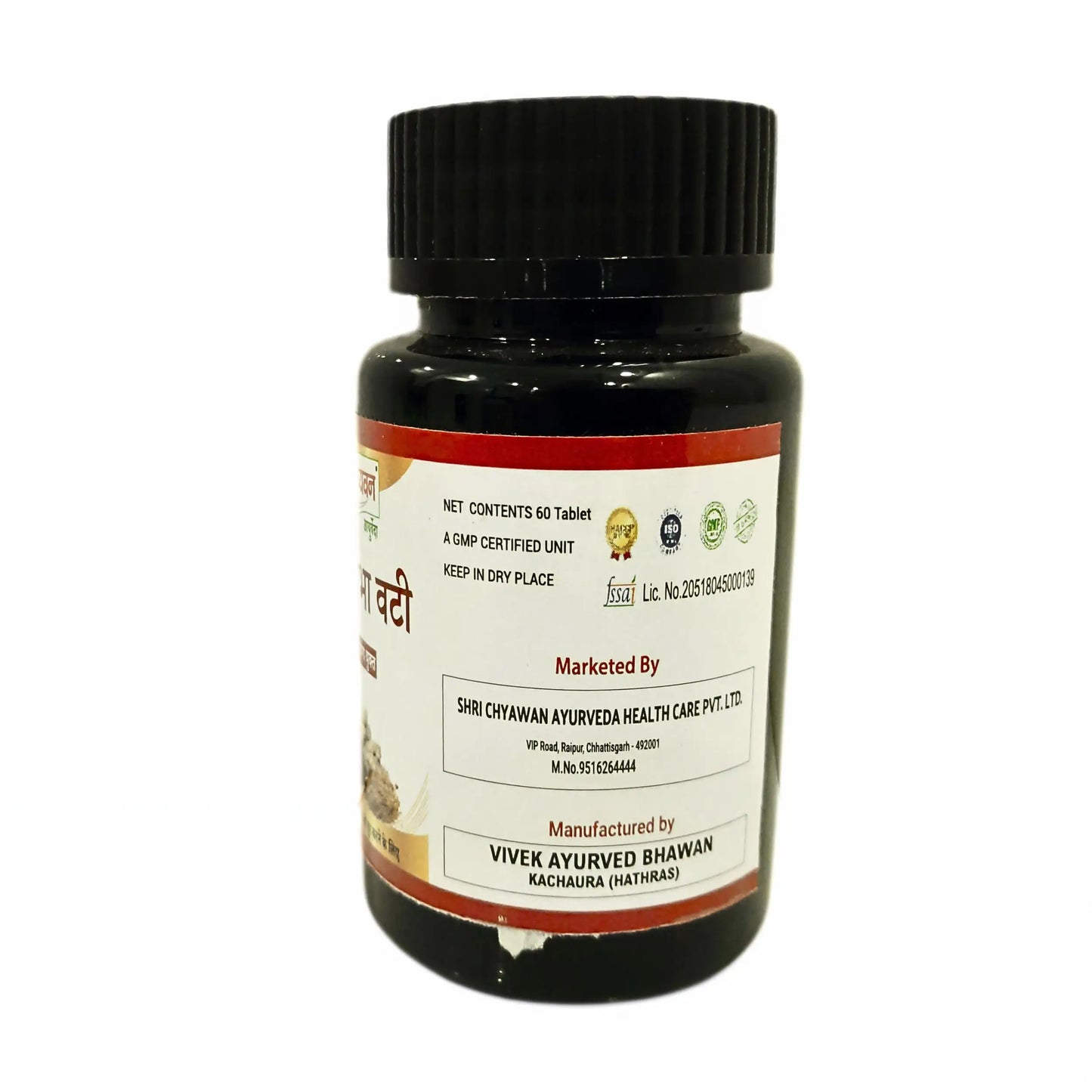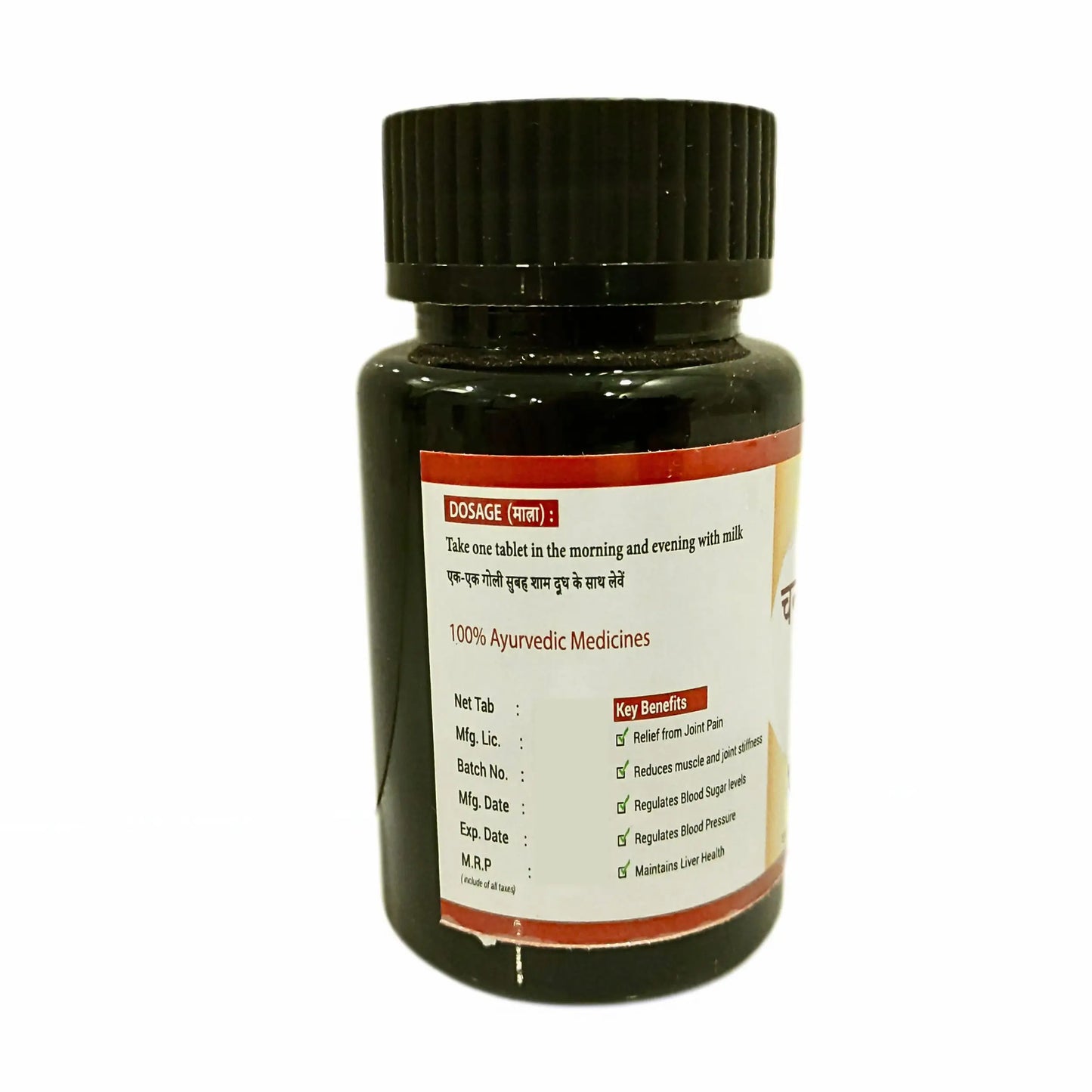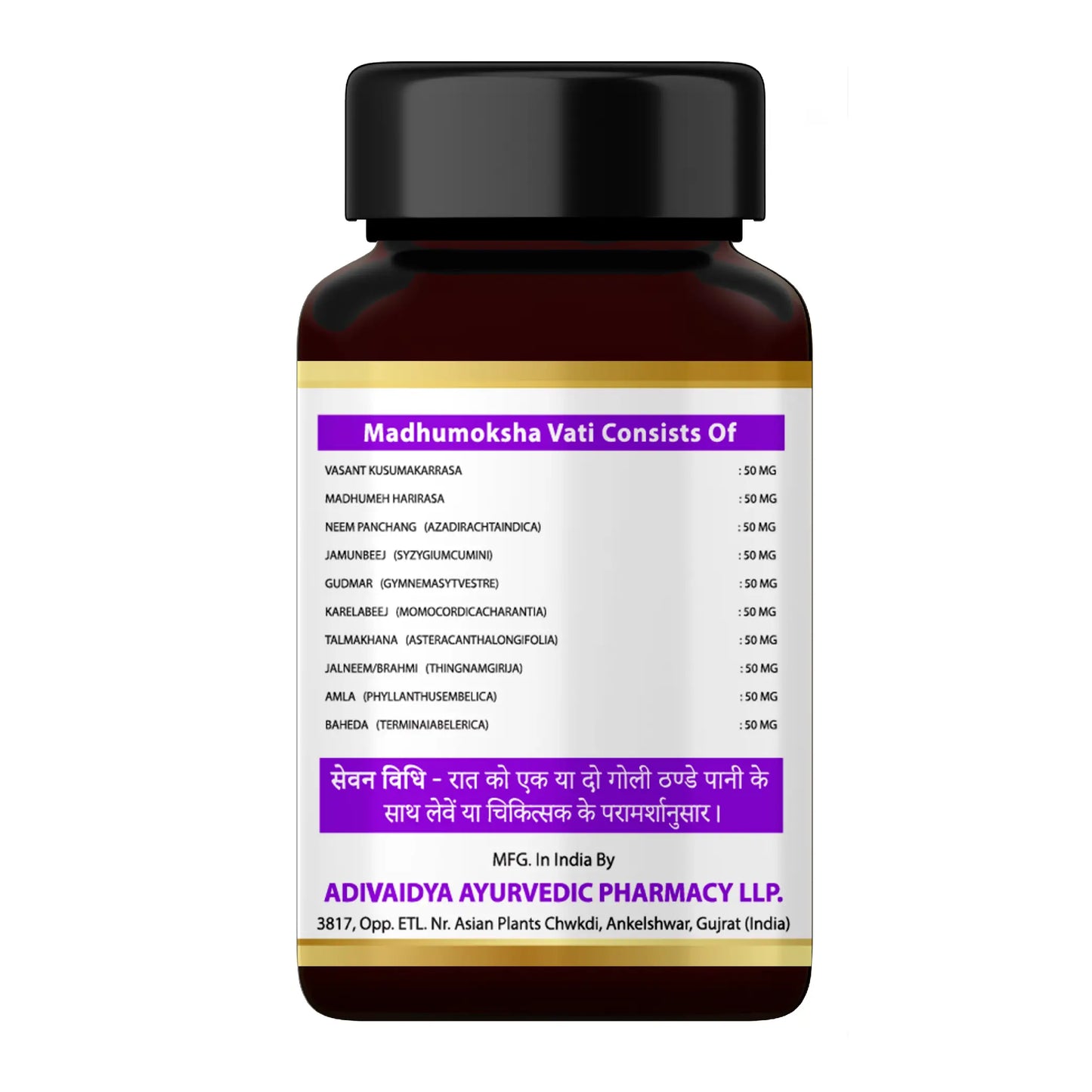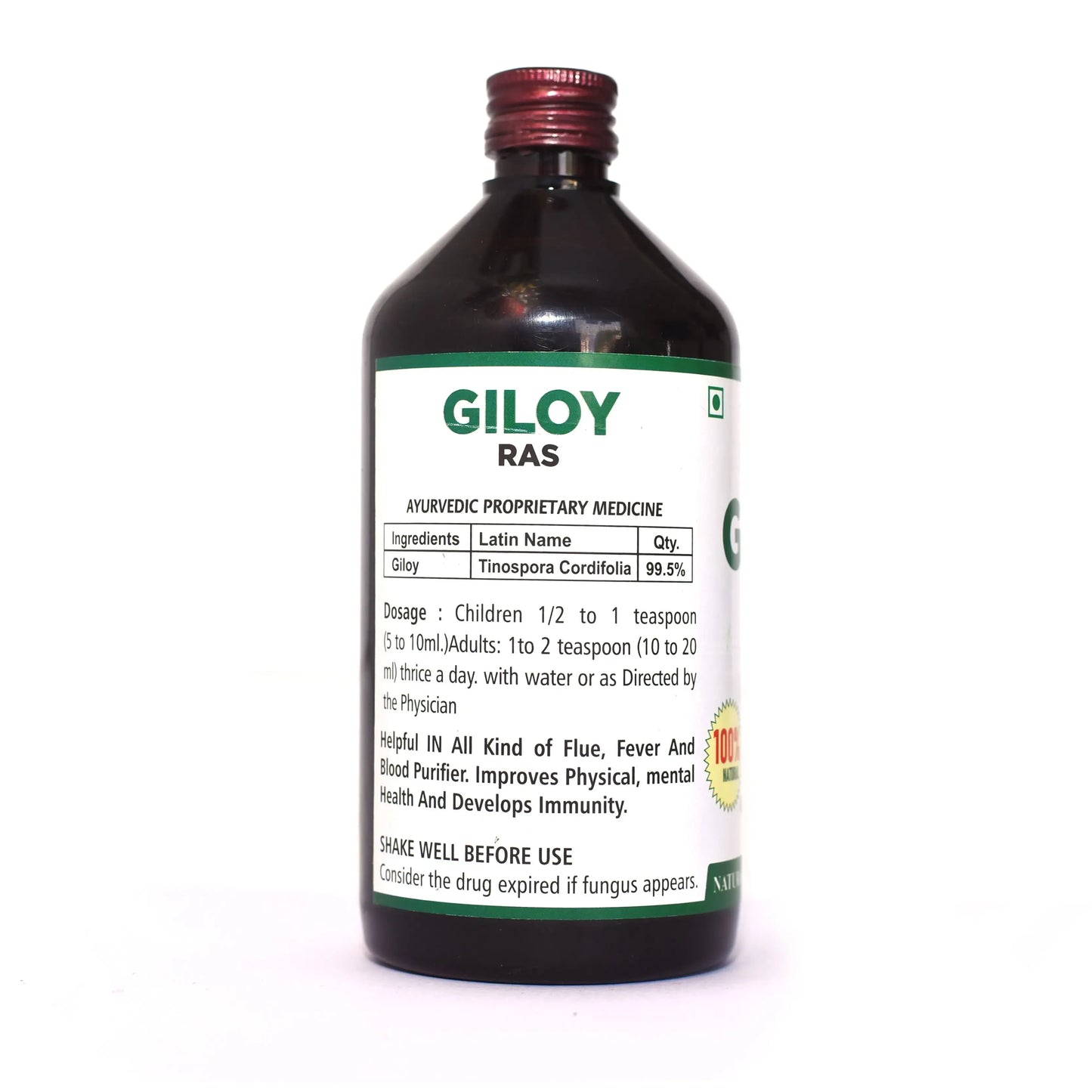

Diabetes is a long-term health condition that requires consistent attention to diet, physical activity, blood glucose monitoring, medication when prescribed, and regular medical care. In India, interest in traditional wellness systems has also made Ayurveda an increasingly discussed topic.
Ayurveda has a long history in India and takes a holistic approach that combines herbs, food habits, daily routines, physical activity, and other lifestyle practices.
However, choosing an Ayurvedic medicine should involve more than looking at the word "natural" on the label. People with diabetes should understand the traditional role of herbs, consider product quality, and discuss herbal products with their healthcare professional, particularly when they are already taking diabetes medicines.
Understanding Ayurveda for Diabetes
In Ayurvedic literature, diabetes is commonly discussed under the concept of Madhumeha, within the broader category of Prameha. Traditional Ayurveda considers digestion, metabolism, diet, physical activity, and individual constitution when approaching health.
The Ministry of Ayush's guidance on metabolic disorders also describes diabetes mellitus as a chronic disorder involving insulin secretion or insulin action and identifies Madhumeha within the Ayurvedic framework.
For a modern reader, this means that Ayurveda for Diabetes can be understood as a broader wellness approach rather than simply taking an herbal tablet.
A balanced approach may include:
- Nutritious food choices
- Regular physical activity
- Healthy body-weight management
- Adequate sleep
- Stress management
- Appropriate medical monitoring
- Carefully selected Ayurvedic products when suitable
The Traditional Role of Herbs
Herbs have an important place in Ayurvedic traditions. Several plants are commonly discussed in connection with metabolic wellness and diabetes, including Gudmar, bitter gourd, fenugreek, Jamun seed, and Vijaysar.
It is important, however, to distinguish traditional use from proven clinical effectiveness. Current evidence does not establish that herbal supplements can reliably control diabetes or prevent its complications, and research on individual herbs is often limited by differences in formulations, doses, study sizes, and study quality.
Gudmar
Gudmar, commonly identified as Gymnema sylvestre, is a traditional Ayurvedic herb frequently included in herbal formulations associated with metabolic wellness.
It is often discussed in Ayurvedic literature and commercial herbal products aimed at supporting sugar-related wellness. However, people should not assume that traditional use means a product can replace established diabetes treatment.
Bitter Gourd
Bitter gourd, or karela, is both a familiar Indian food and a traditional herbal ingredient. It is frequently included in discussions about ayurvedic medicine for diabetes.
Because bitter gourd is also consumed as food, it can be incorporated into a balanced diet. Concentrated extracts and supplements are different from ordinary dietary consumption and should be treated accordingly.
Fenugreek
Fenugreek, known as methi in India, is another traditional ingredient used in food and herbal preparations.
It is commonly associated with metabolic wellness, but evidence regarding herbal supplements for diabetes remains inconclusive overall. Therefore, fenugreek-based products should be considered complementary rather than a substitute for prescribed care.
Jamun Seed
Jamun seed has a long-standing place in Indian traditional wellness practices. It is commonly found in herbal formulations marketed for sugar-related health support.
Its traditional popularity does not automatically establish clinical effectiveness. Product quality, formulation, dosage, and individual health circumstances all matter.
Vijaysar
Vijaysar is another traditional Ayurvedic ingredient frequently used in formulations associated with metabolic wellness.
When it appears in Ayurvedic Tablets and Capsules, consumers should check the complete ingredient list and follow the manufacturer's directions.

Choosing an Ayurvedic Medicine for Diabetes
There is no single Best Ayurvedic Medicine for Diabetes that is appropriate for every person. Diabetes differs between individuals, and treatment needs can change depending on age, type of diabetes, medications, glucose levels, kidney health, and other factors.
When considering an Ayurvedic product, look for:
Transparent Ingredients
The complete ingredient list should be clearly displayed. Avoid products that make vague claims without explaining what they contain.
Reliable Manufacturing Information
Check the manufacturer's name, batch information, manufacturing date, expiry date, storage instructions, and other information provided on the label.
Appropriate Product Format
Different people may prefer different forms.
Ayurvedic Tablets for Diabetes can be convenient for people who travel frequently or prefer a compact format.
Ayurvedic Diabetes Capsules may also suit people who prefer capsules as part of their daily routine.
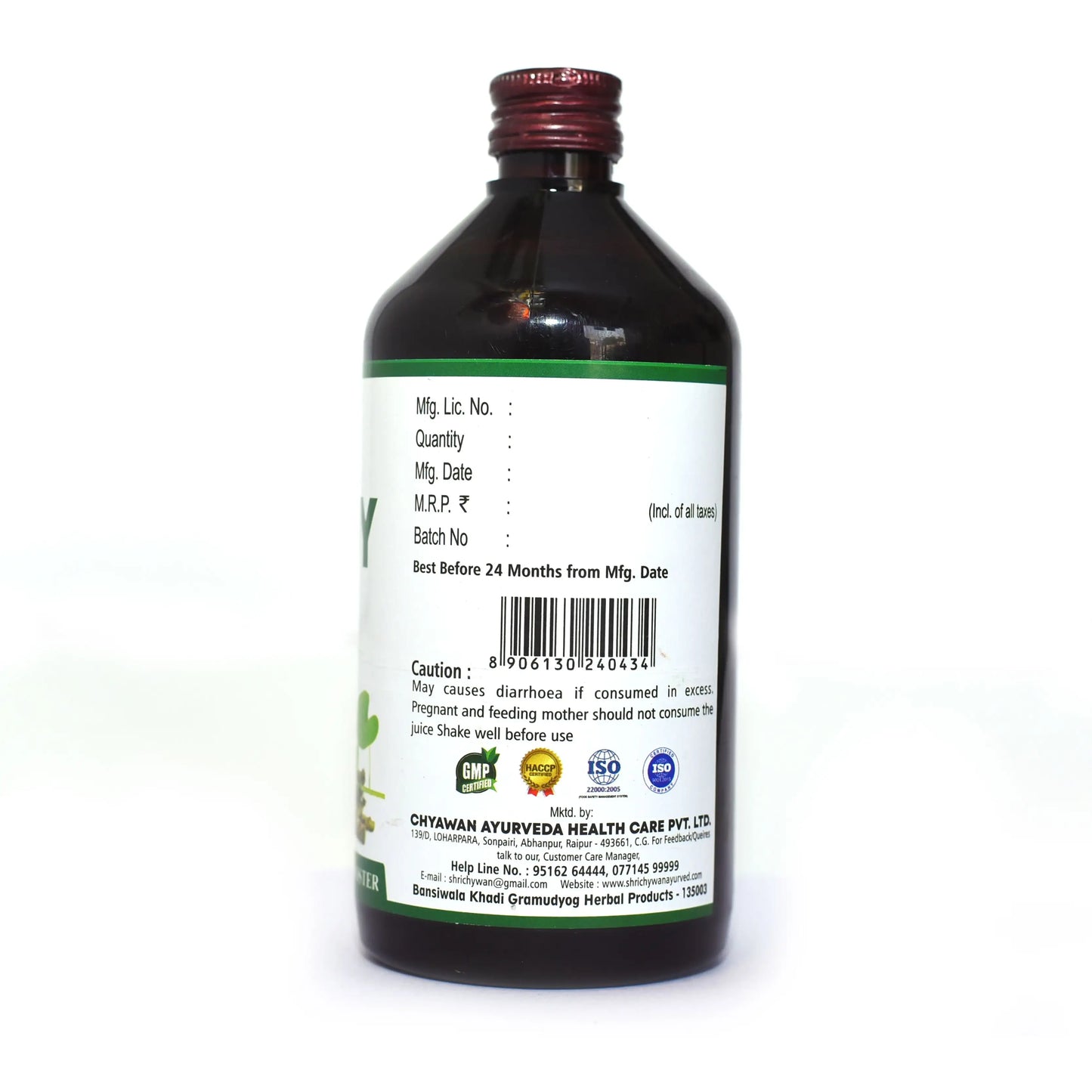
Ayurvedic Syrup for Diabetes can be an alternative for people who prefer liquid formulations.
Why Medical Guidance Still Matters
Diabetes is not a condition that should be self-treated solely with herbal products. Uncontrolled diabetes can damage the eyes, kidneys, nerves, heart, and blood vessels over time. The World Health Organization recommends healthy eating, physical activity, appropriate medication, and regular screening and treatment for complications as part of diabetes care.
Herbal products can also interact with conventional medicines. The National Center for Complementary and Integrative Health advises people to discuss complementary products with healthcare providers and to consider possible side effects and medication interactions.
Therefore, if you are already taking medicines for diabetes, do not stop, reduce, or replace them with an Ayurvedic product without medical advice.

Ayurveda and Healthy Lifestyle Practices
Traditional Ayurvedic wellness becomes more meaningful when combined with healthy daily habits.
Focus on Balanced Nutrition
An Indian diabetes-friendly eating pattern can emphasize vegetables, pulses, whole grains, appropriate portions, and minimally processed foods while limiting excess added sugar and highly processed foods.
Stay Physically Active
Walking, cycling, swimming, yoga, and other suitable activities can contribute to an active lifestyle. WHO recommends at least 150 minutes of moderate physical activity per week for diabetes prevention and management, unless a healthcare professional advises otherwise.
Maintain a Healthy Sleep Routine
Consistent sleep and wake times can make it easier to maintain a structured lifestyle.
Manage Stress
Meditation, breathing exercises, yoga, and relaxation activities can complement a healthy routine.
Conclusion
Ayurveda offers a traditional Indian perspective that considers herbs, diet, daily habits, and overall wellness. Ingredients such as Gudmar, bitter gourd, fenugreek, Jamun seed, and Vijaysar are traditionally used in various Ayurvedic preparations, including ayurvedic tablets, capsules, and syrup.
At the same time, modern evidence does not currently provide strong enough support to treat herbal products as replacements for established diabetes care. The most responsible approach is to view suitable Ayurvedic products as complementary to a healthy lifestyle and appropriate medical treatment.
If you are considering an Ayurvedic Medicine for Diabetes, check the ingredients, choose a reputable product, monitor your health regularly, and discuss its use with your healthcare professional. A combination of informed choices, healthy habits, and appropriate medical care provides a safer foundation for long-term diabetes management.