
Diabetes is not a health concern that can be managed for only a few weeks or months. It often requires consistent attention to blood sugar levels, food habits, physical activity, medicines, sleep, stress, and regular medical check-ups. This is why many people are looking beyond short-term solutions and exploring Ayurveda as part of a long-term wellness approach.
Ayurveda has traditionally focused on maintaining balance through diet, daily routines, herbs, and personalised care. The important point is to approach Ayurvedic products realistically. They may be considered as supportive wellness options, but they should not replace insulin or prescribed diabetes medicines. Long-term diabetes care should always be guided by regular monitoring and qualified medical advice.
Why Long-Term Diabetes Care Matters
Diabetes can sometimes develop without obvious symptoms. A person may feel healthy even when blood glucose remains above the recommended range. Over time, consistently elevated blood sugar can affect different parts of the body, including the eyes, kidneys, nerves, heart, and blood vessels.
Long-term care therefore focuses on more than simply checking sugar occasionally. It involves building sustainable habits such as:
- Following an appropriate meal plan
- Staying physically active
- Taking prescribed medicines consistently
- Monitoring blood glucose as advised
- Maintaining a healthy body weight
- Getting sufficient sleep
- Managing stress
- Attending regular health check-ups
This long-term perspective is also important when considering Ayurvedic formulations.
Understanding Ayurveda for Diabetes
Ayurvedic texts discuss metabolic and urinary conditions under concepts such as Prameha and Madhumeha. Traditional Ayurvedic approaches may consider factors including digestion, food habits, physical activity, daily routine, and individual constitution.
Rather than looking at a single factor, Ayurveda traditionally takes a broader view of wellbeing. This can make lifestyle practices an important part of an Ayurvedic diabetes-care discussion.
However, modern diabetes management requires objective measurements such as blood glucose and HbA1c. Traditional approaches should therefore be integrated responsibly rather than used as a substitute for evidence-based diabetes care.
The Role of Ayurvedic Medicine for Diabetes
The growing interest in ayurvedic medicine for diabetes has led to a wide range of herbal products being available in India. These may come in the form of tablets, capsules, syrups, powders, or other formulations.
Depending on the product, traditional herbs may be included to support general metabolic wellness. However, the composition and concentration of different products can vary significantly.
A responsible approach is to consider Ayurvedic medicine as one component of a broader health routine. Before starting a product, understand:
- What ingredients it contains
- Why those ingredients are included
- Recommended serving or dosage
- Whether it contains added sugar or sweeteners
- Possible interactions with current medicines
- Whether the product is appropriate for your health condition
This helps prevent decisions based solely on advertising claims.
How to Think About the Best Ayurvedic Medicine for Diabetes
People frequently search online for the best ayurvedic medicine for diabetes. But “best” does not necessarily mean the most popular product or the one with the strongest marketing.
A better approach is to ask whether a particular formulation is appropriate for your individual needs.
Consider the following factors.
Transparent Product Information
A reliable product should clearly communicate its ingredients, serving instructions, manufacturer information, batch details, and expiry date.
Appropriate Formulation
Different people may prefer tablets, capsules, or liquid formulations based on convenience and personal preference. The format itself does not determine whether a product is suitable.
Responsible Claims
Be cautious about products claiming to permanently cure diabetes or suggesting that prescribed medicines can immediately be stopped. Such claims can encourage unsafe decisions.
Professional Guidance
If you already take diabetes medicines, discuss any herbal formulation with your healthcare professional. Some herbs may influence blood glucose and potentially interact with medicines.

Ayurvedic Diabetes Capsules and Long Term Use
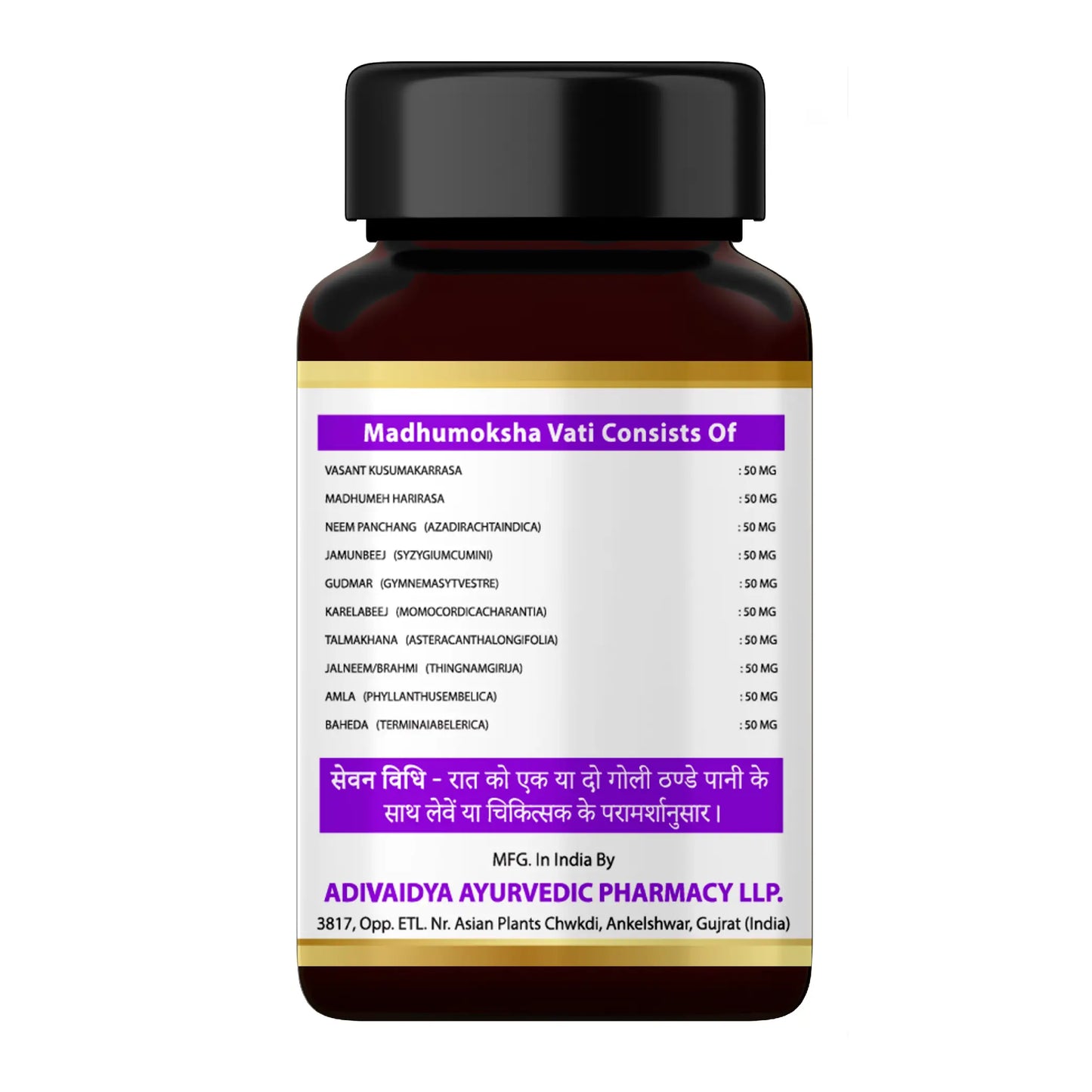
Ayurvedic diabetes capsules are convenient for people who prefer a measured, portable formulation. They can be easier to include in a regular routine, particularly for people with busy work schedules or frequent travel.
Before using a capsule formulation for an extended period, review the label and understand the ingredients. Taking several herbal products simultaneously can also lead to overlapping ingredients.
A long-term routine should be based on consistency rather than taking increasingly higher quantities in the hope of faster results. Never change the recommended dosage without professional advice.
Ayurvedic Tablets for Diabetes as a Convenient Formulation
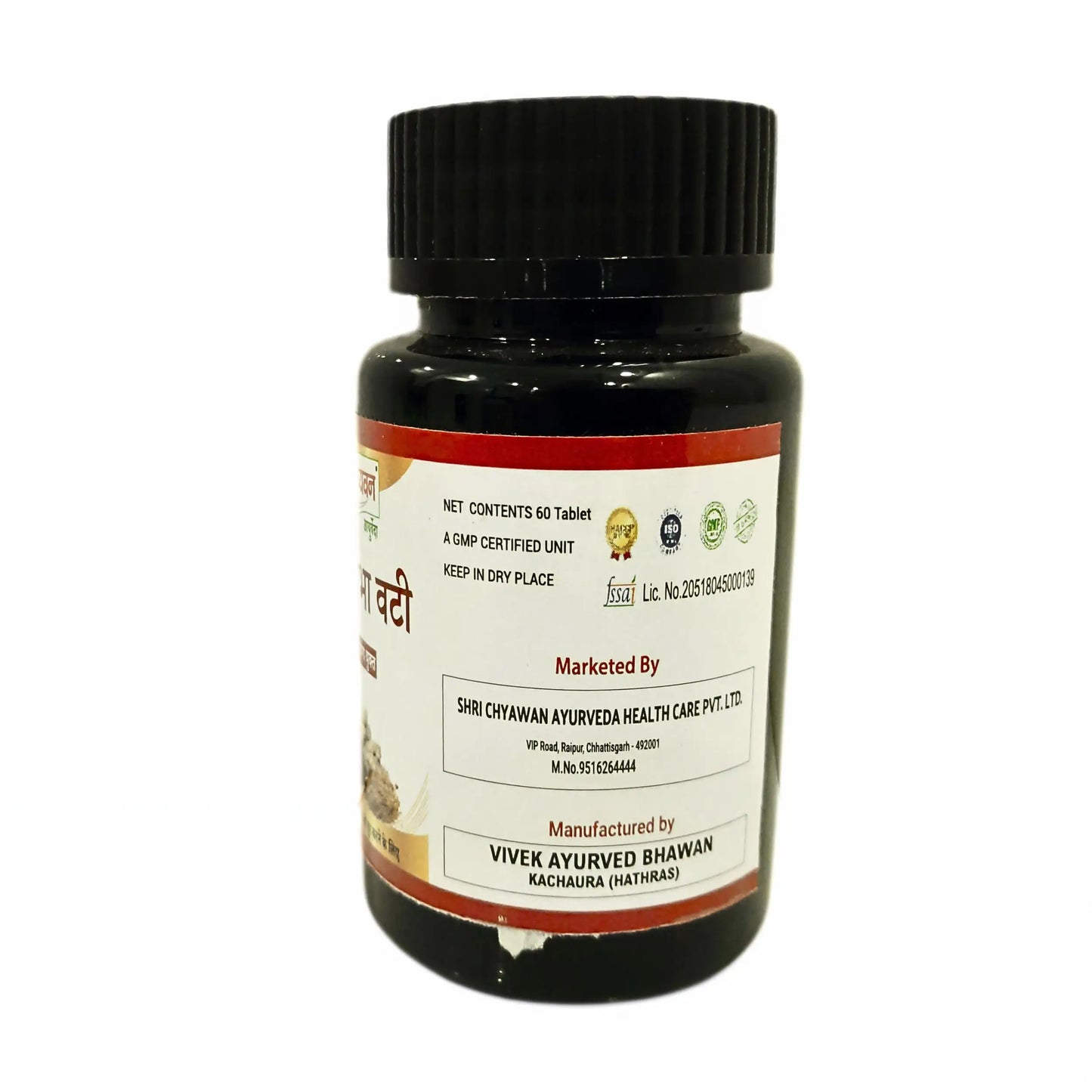
Ayurvedic tablets for diabetes are another commonly available option. Tablets may contain a combination of traditional herbs or herbal extracts.
When considering tablets for long-term use, do not focus only on the number of ingredients. A longer ingredient list does not automatically make a formulation better.
Instead, look for clear information regarding:
- Ingredients and quantities
- Suggested dosage
- Manufacturing details
- Storage instructions
- Expiry information
- Warnings and precautions
If you experience an unusual reaction after starting a new product, seek professional advice rather than continuing it blindly.
What About Ayurvedic Syrup for Diabetes?
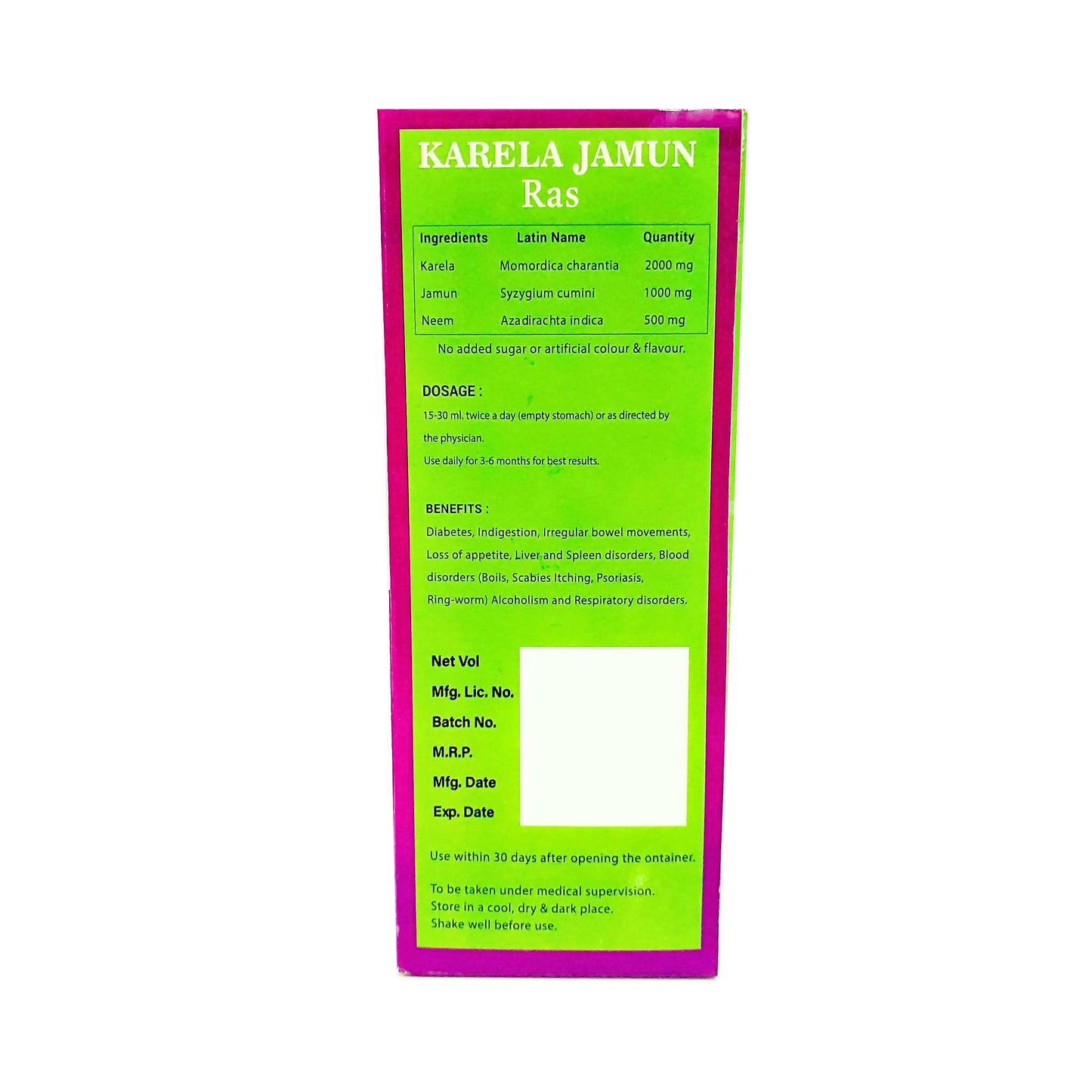
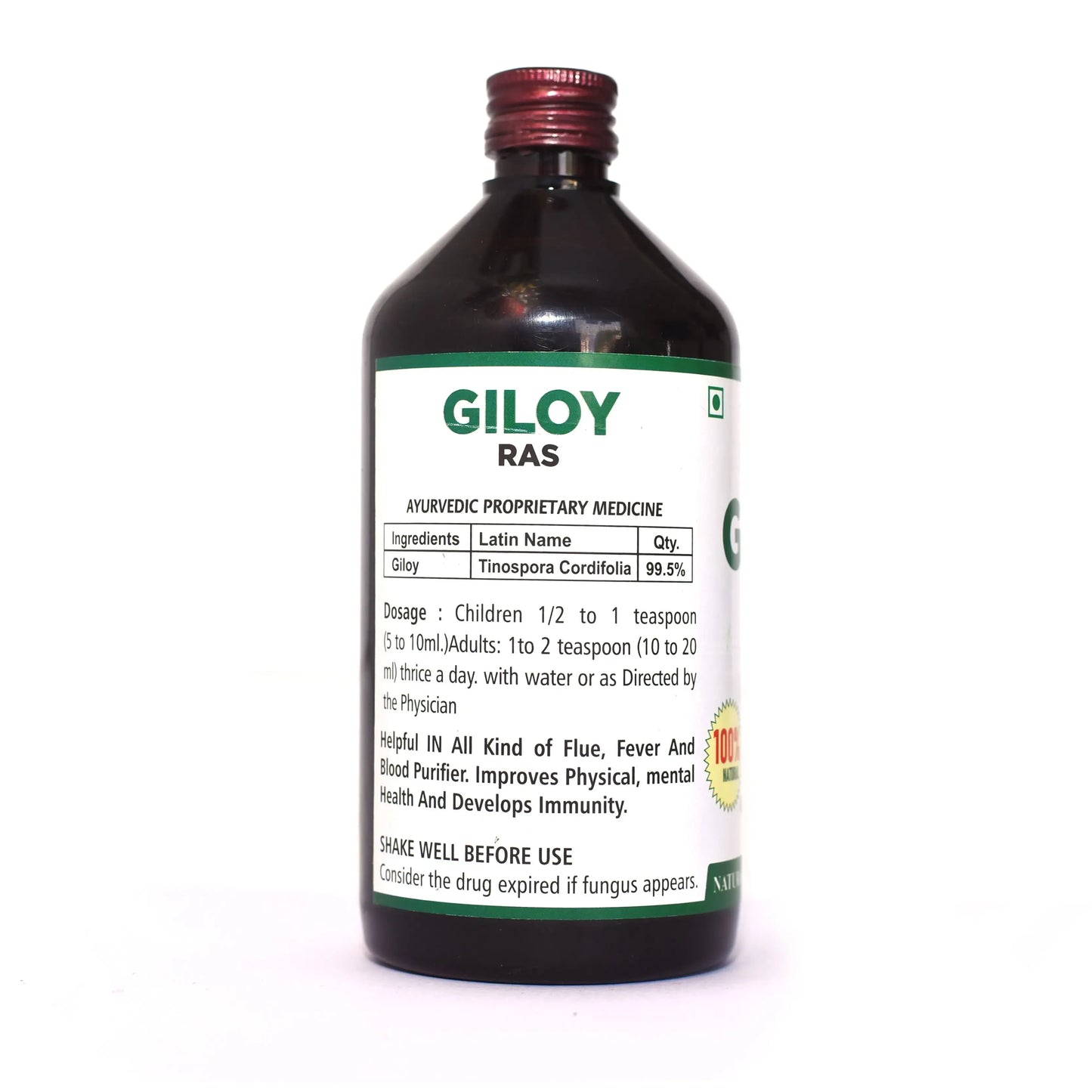
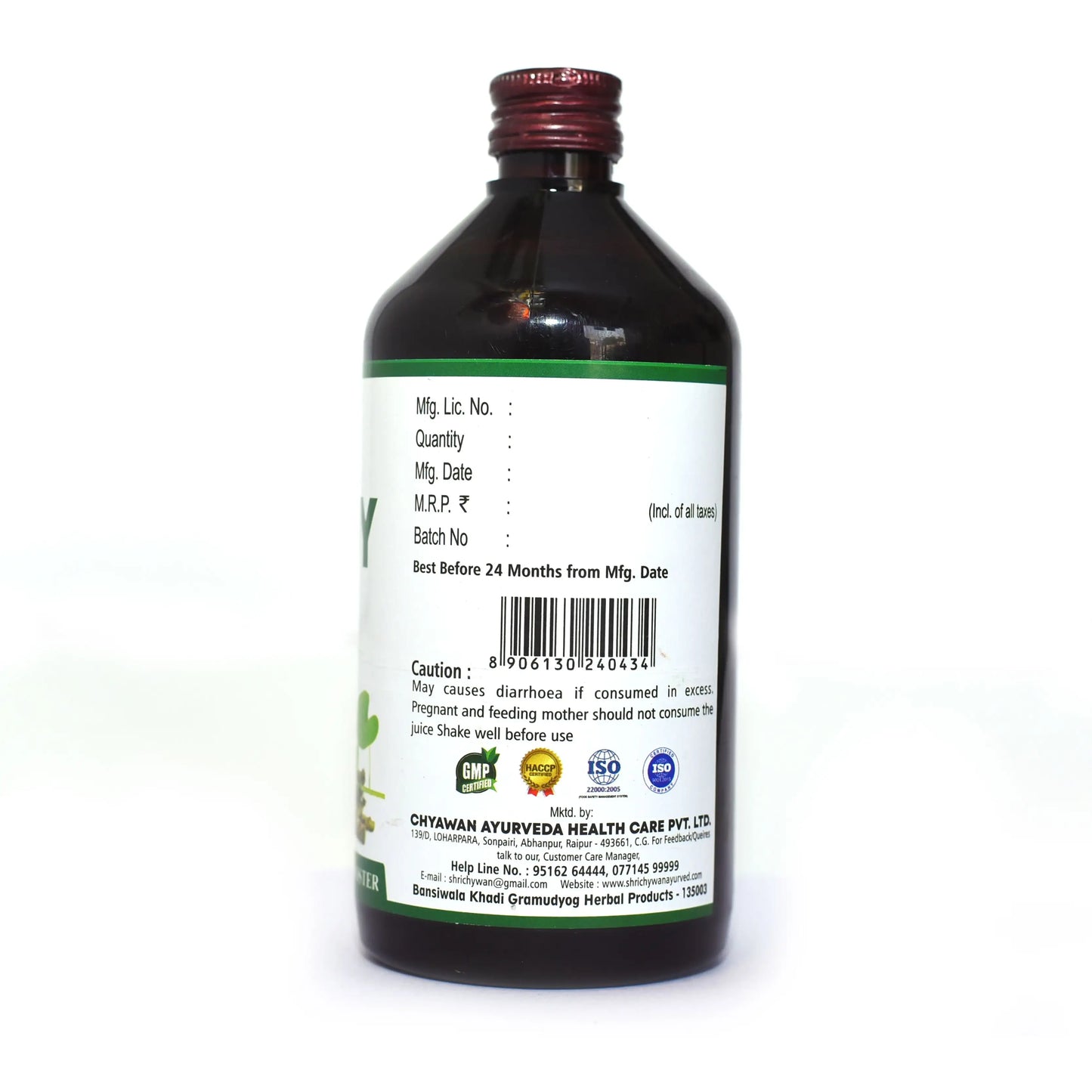
An ayurvedic syrup for diabetes can be an alternative formulation for people who prefer liquid products. However, people with diabetes should pay particular attention to the nutritional information and sweetening agents used in a syrup.
Before purchasing, check whether the formulation contains:
- Added sugar
- Glucose or sugar-based ingredients
- Artificial or natural sweeteners
- Other ingredients that may affect your dietary plan
The label should also provide a clear recommended serving size. If you are uncertain about the suitability of a syrup, consult your doctor or qualified Ayurvedic practitioner.

Long Term Care Is More Than Taking a Product
One of the biggest misconceptions about diabetes management is that a single medicine or supplement can solve every aspect of the condition.
Long-term care involves multiple areas working together.
Food Choices
Indian diets can be highly varied, from traditional home-cooked meals to packaged snacks and restaurant foods. Focus on appropriate portions and a balanced plate rather than eliminating entire food groups without professional advice.
Physical Activity
Walking, cycling, swimming, strength exercises, yoga, or other suitable activities can be included according to individual ability and medical advice.
Sleep
Irregular or inadequate sleep can make healthy routines harder to maintain. A consistent sleep schedule can support overall wellbeing.
Stress Management
Work pressure, family responsibilities, financial concerns, and lifestyle changes can all contribute to stress. Meditation, breathing exercises, yoga, hobbies, and adequate rest may help support emotional wellbeing.
Regular Monitoring
Do not judge diabetes control by how you feel alone. Follow your healthcare professional's recommendations for blood glucose testing and HbA1c monitoring.
Conclusion
The role of ayurvedic medicine for diabetes in long-term care should be understood through a balanced and informed perspective. Ayurveda can offer a traditional framework involving herbs, food habits, routines, and overall wellness, while diabetes itself requires continuous medical monitoring and appropriate treatment.
Most importantly, long-term diabetes care is built through consistency. A sensible combination of medical supervision, healthy lifestyle habits, regular monitoring, and carefully considered complementary approaches can help create a more responsible and sustainable path to overall wellbeing.