
Diabetes management requires a thoughtful and consistent approach. For people in India, increasing awareness about nutrition, exercise, regular health monitoring, and traditional wellness practices has created greater interest in ayurveda.
Ayurveda has been practiced in India for centuries and takes a holistic view of health. Traditional Ayurvedic approaches consider factors such as diet, lifestyle, digestion, activity, and individual constitution. Alongside these principles, many people explore ayurvedic medicine as a complementary part of their wellness routine.
This guide explains the key factors to consider before choosing an Ayurvedic product for diabetes.
Understanding Ayurveda for Diabetes
In traditional Ayurvedic texts, diabetes-related conditions are discussed primarily under concepts such as Prameha and Madhumeha. The traditional approach considers the individual's overall health, dietary patterns, activity levels, digestion, and lifestyle.
Modern diabetes care has a different framework. Diabetes is a chronic metabolic condition that requires appropriate diagnosis, monitoring, and treatment. Depending on the type and individual circumstances, management may include lifestyle changes, oral medicines, insulin, or other therapies.
Therefore, ayurveda for diabetes should not be understood as a replacement for medically necessary diabetes treatment. Instead, suitable Ayurvedic practices or products may be considered as complementary options after discussing them with a qualified healthcare professional.
Why Ingredients Matter
When searching for an effective ayurvedic medicine for diabetes, many people focus on the product name or marketing claims. A better starting point is the ingredient list.
Ingredients determine what a formulation contains, while their quantity, preparation method, combination, and quality can influence the characteristics of the finished product.
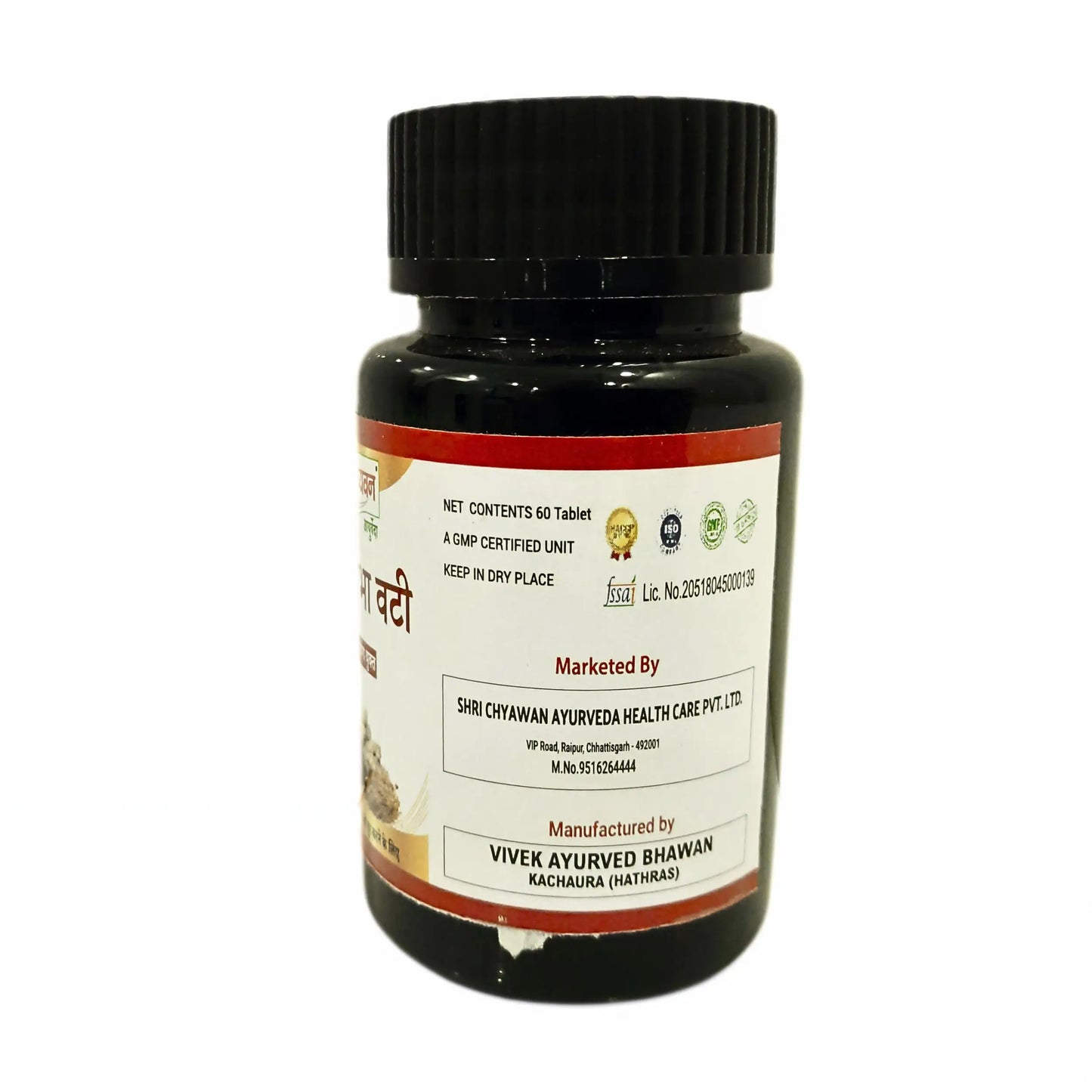
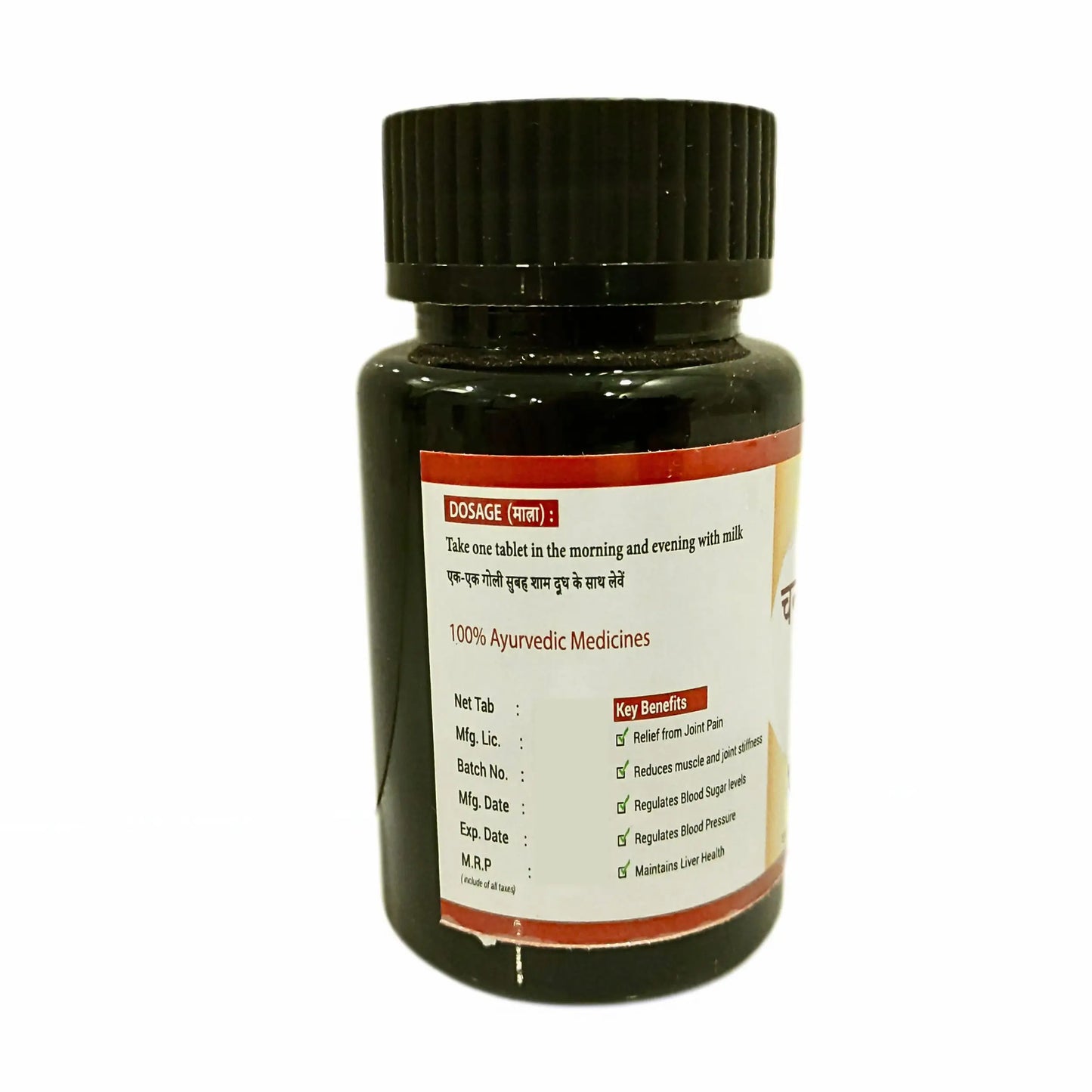
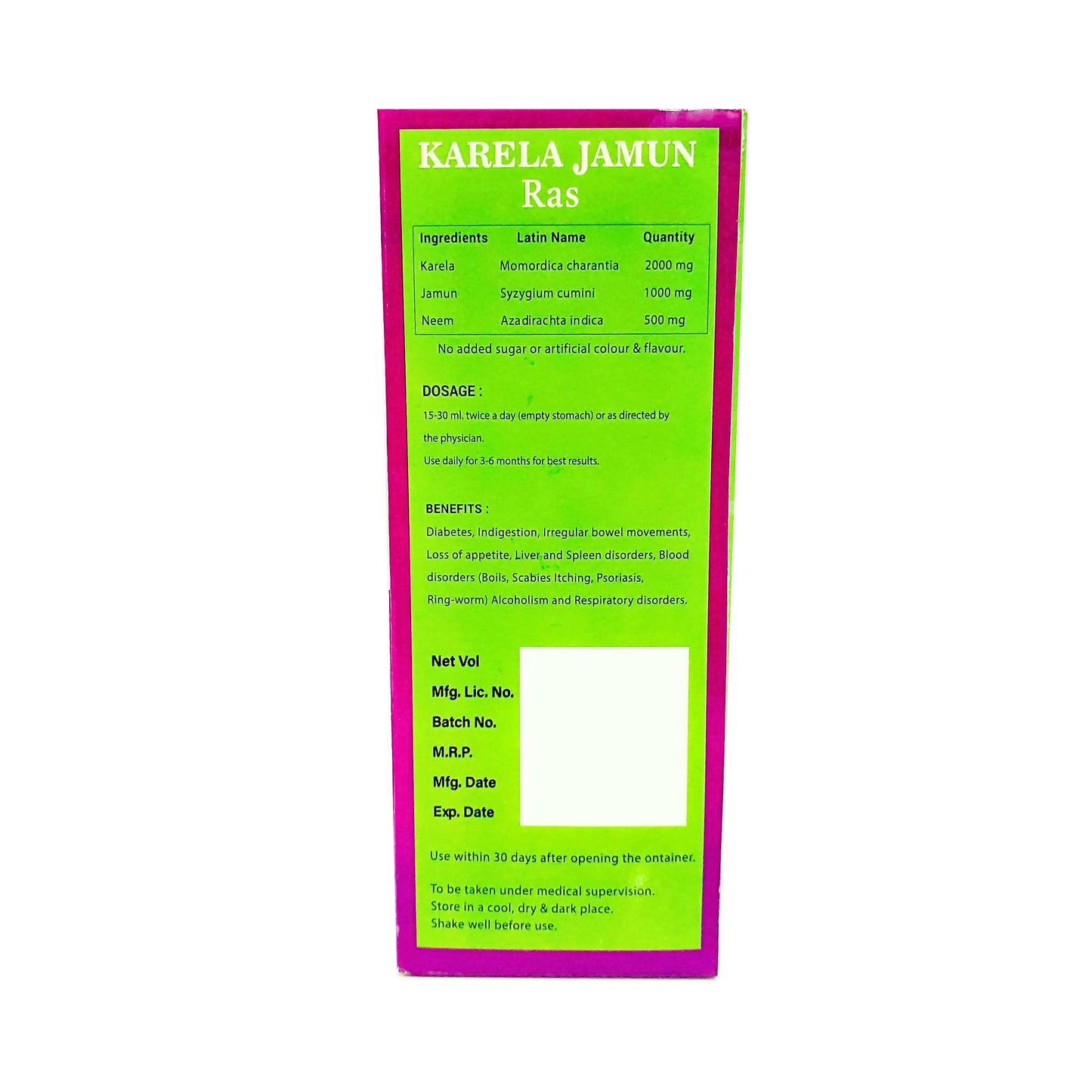
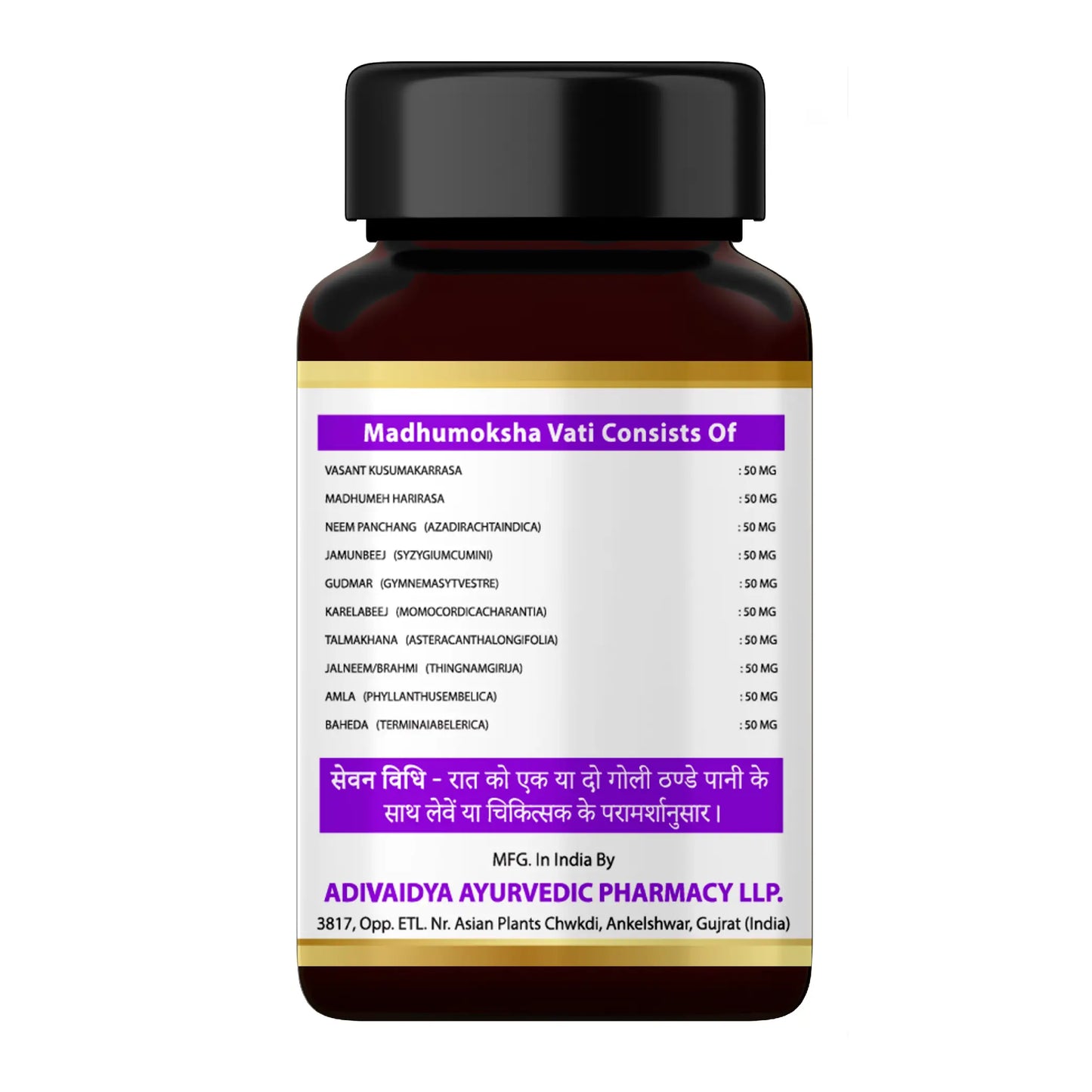
Before buying an Ayurvedic formulation, check whether the label clearly provides:
- Complete ingredient information
- Botanical or commonly used names where applicable
- Recommended serving or dosage
- Manufacturer details
- Batch information
- Manufacturing and expiry dates
- Storage instructions
Transparent labelling makes it easier for consumers and healthcare professionals to evaluate a product.
Traditional Ingredients Commonly Associated with Diabetes Wellness
Several herbs are traditionally used in Ayurvedic formulations associated with metabolic and sugar-related wellness. Their traditional use should not be confused with definitive proof that they can treat or cure diabetes.
Gudmar
Gudmar, commonly known as Gymnema sylvestre, is a traditional herb frequently found in formulations associated with sugar-related wellness.
It has been investigated for possible effects on glucose metabolism, but evidence remains insufficient to establish herbal supplements as replacements for standard diabetes treatment.
Karela
Bitter gourd, or karela, is both a common Indian vegetable and a traditional herbal ingredient.
Because karela is familiar in Indian cuisine, it can be consumed as part of a balanced diet. Concentrated extracts, however, are different from normal food consumption and should be approached with appropriate caution.
Jamun Seed
Jamun seed has a long history of traditional use in India. It is commonly found in various herbal preparations marketed for metabolic wellness.
As with other herbs, traditional popularity does not necessarily establish the effectiveness of a particular commercial formulation.
Fenugreek
Fenugreek, or methi, is widely used in Indian cooking. Its seeds are also discussed in traditional wellness practices.
Individuals taking glucose-lowering medicines should consult their healthcare professional before using concentrated fenugreek supplements because combining products may require additional monitoring.
Vijaysar
Vijaysar is another traditional botanical used in Ayurvedic formulations. It is often associated with metabolic wellness products.
When included in an Ayurvedic formulation, consumers should consider the complete formulation rather than judging the product based on a single ingredient.
How to Evaluate the Best Ayurvedic Medicine for Diabetes
There is no universal product that can accurately be called the best ayurvedic medicine for diabetes for everyone.
A person's diabetes type, current medicines, age, diet, kidney and liver health, and other medical factors can influence what is appropriate.
When comparing products, consider these five areas.
1. Ingredient Transparency
Avoid products that do not clearly explain what they contain. A complete label is an important sign of responsible product information.
2. Manufacturer Information
Look for a clearly identified manufacturer and appropriate product details. Avoid products with unclear sourcing or incomplete labelling.
3. Intended Use
Understand what the product is designed to support. Be cautious about products making unrealistic promises such as permanent cures or guaranteed blood sugar results.

Ayurvedic Tablets for Diabetes
Ayurvedic tablets for diabetes are commonly selected for their portability and convenience.
Before using a tablet formulation, read the label carefully. Do not assume that increasing the quantity will improve results.
If you experience unexpected changes in blood glucose, digestive problems, allergic symptoms, or any other concerning reaction, stop and seek appropriate medical advice.
Ayurvedic Diabetes Capsules
Ayurvedic diabetes capsules are another convenient format. They may contain single herbs or combinations of multiple traditional ingredients.
Consumers should avoid comparing products only by the number of ingredients. More ingredients do not automatically mean better quality.
Instead, consider whether the formulation is clearly labelled and whether its use is appropriate for your individual situation.
Ayurvedic Syrup for Diabetes
An ayurvedic syrup for diabetes can be an option for people who prefer liquid products.
One important consideration is the formulation's sweetening ingredients. People with diabetes should check the label for added sugar or other sweeteners before incorporating a syrup into their routine.
Always follow the recommended serving instructions and avoid taking larger amounts because a product is herbal.

Type 1 Diabetes Requires Special Attention
People searching for ayurvedic medicine for diabetes type 1 should be particularly cautious.
Type 1 diabetes occurs when the body's insulin-producing beta cells are destroyed, resulting in an absolute requirement for insulin replacement. Ayurvedic or herbal products should not be used as substitutes for prescribed insulin.
If a person with type 1 diabetes is considering an Ayurvedic product, the treating healthcare professional should be informed beforehand.
Never stop or reduce insulin without explicit medical guidance.
What About Type 2 Diabetes?
Type 2 diabetes can involve insulin resistance and impaired insulin production. Management may involve dietary changes, physical activity, weight management, oral medicines, injectable medicines, or insulin depending on the individual.
Some people may consider Ayurvedic products as complementary wellness options. However, herbal products should not be assumed to provide adequate glucose control on their own.
Regular blood glucose and HbA1c monitoring remain important.
Conclusion
Choosing ayurveda requires careful attention to ingredients, product quality, individual health needs, and professional guidance. Traditional herbs such as Gudmar, karela, Jamun seed, fenugreek, and Vijaysar are commonly associated with Ayurvedic metabolic wellness, but traditional use should not be presented as proof that a product can cure diabetes.
Whether you are considering ayurvedic medicine for diabetes read the label carefully and avoid exaggerated claims.