
Diabetes management is not limited to checking blood sugar or taking a prescribed medicine. Everyday choices such as what you eat, how active you remain, how well you sleep, and how consistently you follow your treatment plan can all influence long-term health. In India, interest in Ayurveda has also grown as people look for traditional approaches that can complement a healthy lifestyle.
Ayurvedic wellness focuses on maintaining balance through food, routine, physical activity and traditional herbal preparations. Today, consumers can find different products marketed as Ayurvedic.
However, no single Ayurvedic product should be considered a guaranteed cure for diabetes or a replacement for prescribed treatment. A sensible approach combines appropriate medical care with nutritious eating and sustainable lifestyle habits.
Understanding Ayurveda for Diabetes
Ayurveda traditionally discusses conditions associated with excessive urination and metabolic imbalance under concepts such as Prameha and Madhumeha. Its approach gives importance to diet, daily routine, physical activity, digestion and individual constitution.
Modern diabetes care, meanwhile, focuses on keeping blood glucose within an appropriate range and reducing the risk of complications affecting the heart, kidneys, eyes, nerves and blood vessels.
This means Ayurveda for Diabetes can be considered as a complementary wellness approach, while diagnosis, monitoring and clinically appropriate diabetes treatment remain essential.
Why Healthy Eating Matters in Diabetes
Food has a direct relationship with blood glucose because carbohydrates are broken down into glucose and used by the body for energy. The amount and type of carbohydrate, portion size, meal composition and individual metabolism can all influence glucose levels.
For someone living with diabetes, healthy eating does not mean completely eliminating Indian cuisine. Instead, it is about making thoughtful choices and developing eating habits that are practical enough to follow every day.
Useful principles include:
- Prefer minimally processed foods more often.
- Include vegetables regularly.
- Choose appropriate portions of whole grains and other carbohydrate sources.
- Include protein-rich foods according to individual dietary requirements.
- Limit foods and drinks with added sugar.
- Pay attention to portion sizes.
- Avoid making meals excessively large after skipping earlier meals.
Building a Balanced Indian Plate
A healthy plate can be adapted to Indian eating patterns. Vegetables can occupy a significant portion of a meal, alongside an appropriate protein source and a controlled portion of carbohydrate-rich foods.
Depending on individual requirements, meals may include vegetables, dal, beans, curd without added sugar, eggs or other suitable protein sources, along with whole grains or other carbohydrate foods.
The right proportions differ from person to person. Someone with diabetes and kidney disease, for example, may require different dietary advice from someone without kidney problems.
Therefore, a personalised plan from a qualified dietitian or healthcare professional can be particularly valuable.
Rethinking Breakfast Habits
Breakfast can easily become a source of excess refined carbohydrates and added sugar.
Instead of regularly choosing highly sweetened cereals, bakery foods or sugary beverages, consider balanced options that contain suitable amounts of protein, fibre and carbohydrates.
Traditional foods can remain part of the diet. The focus should be on preparation methods, ingredients and portions rather than assuming that every traditional food is automatically healthy or unhealthy.
A simple glass of water, unsweetened beverage or suitable dairy option can often be preferable to a sugar-loaded drink.
Make Snacks More Mindful
Frequent snacking can add significant calories and carbohydrates to the day without providing much nutritional value.
Common foods such as biscuits, sweets, fried snacks and sugar-sweetened drinks can become habitual additions to tea breaks and office routines.
Better choices depend on individual nutritional needs but may include:
- A small portion of nuts
- Unsweetened curd
- Suitable whole fruit
- Roasted legumes
- Vegetable-based snacks
Even healthier foods should be consumed in appropriate quantities.
Whole Fruit Versus Sugary Drinks
People with diabetes often wonder whether they need to avoid fruit completely. In most cases, whole fruit can be included in an overall balanced eating pattern, with portion size and individual blood glucose response considered.
Fruit juice and sweetened beverages are different because they can deliver a concentrated amount of sugar with less fibre than whole fruit.
Replacing sugary drinks with water or an unsweetened beverage can be a simple lifestyle improvement.
Where Ayurvedic Medicine May Fit
The term Ayurvedic medicine covers a wide variety of herbal formulations. They may be available as tablets, capsules, powders or syrups.
Some traditional herbs have been studied for their possible effects on glucose metabolism, but evidence varies considerably between individual herbs and products. Research on dietary supplements does not establish that a particular commercial formulation can cure diabetes.
For this reason, choosing Ayurvedic medicine for diabetes should not be based simply on online claims or promises of rapid results.
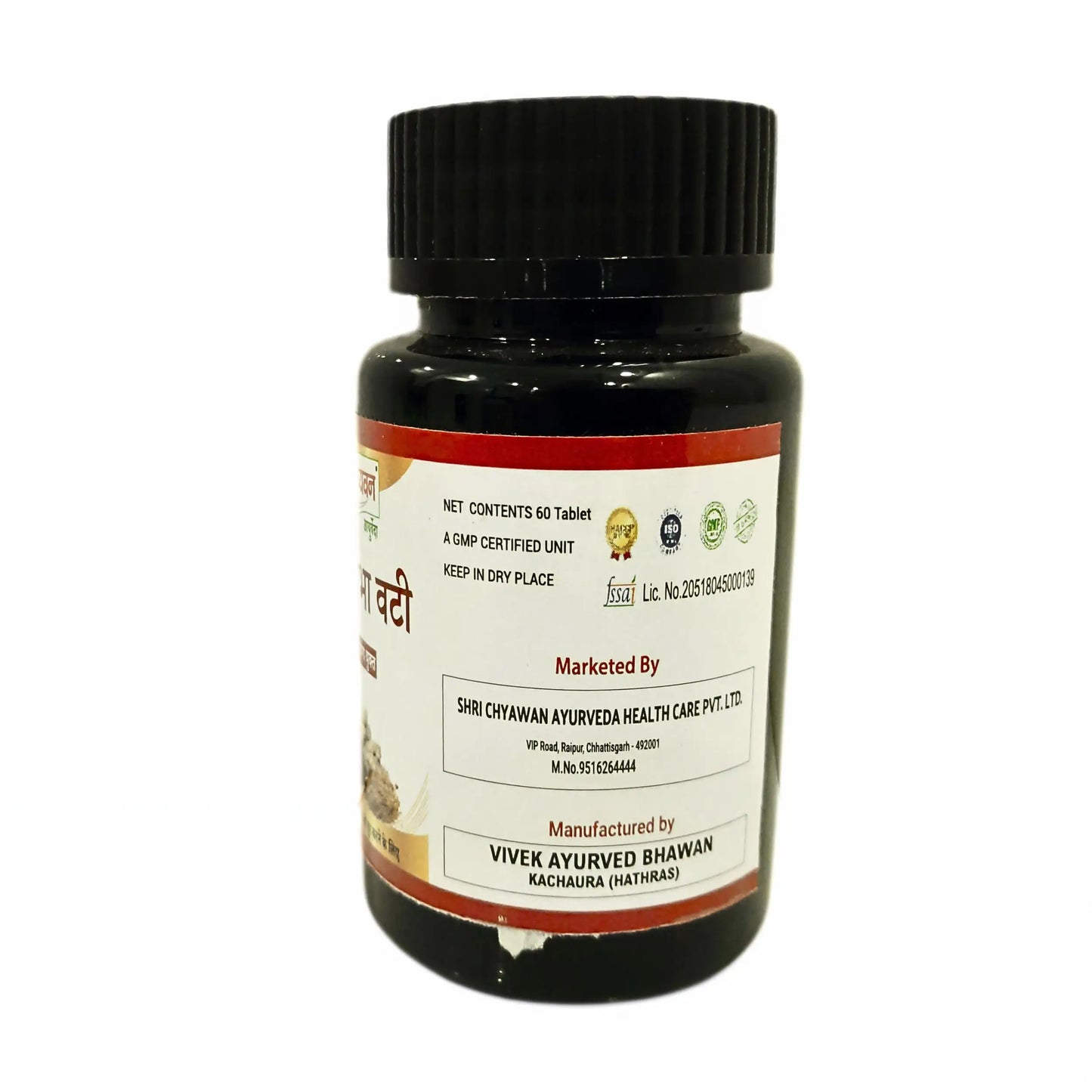
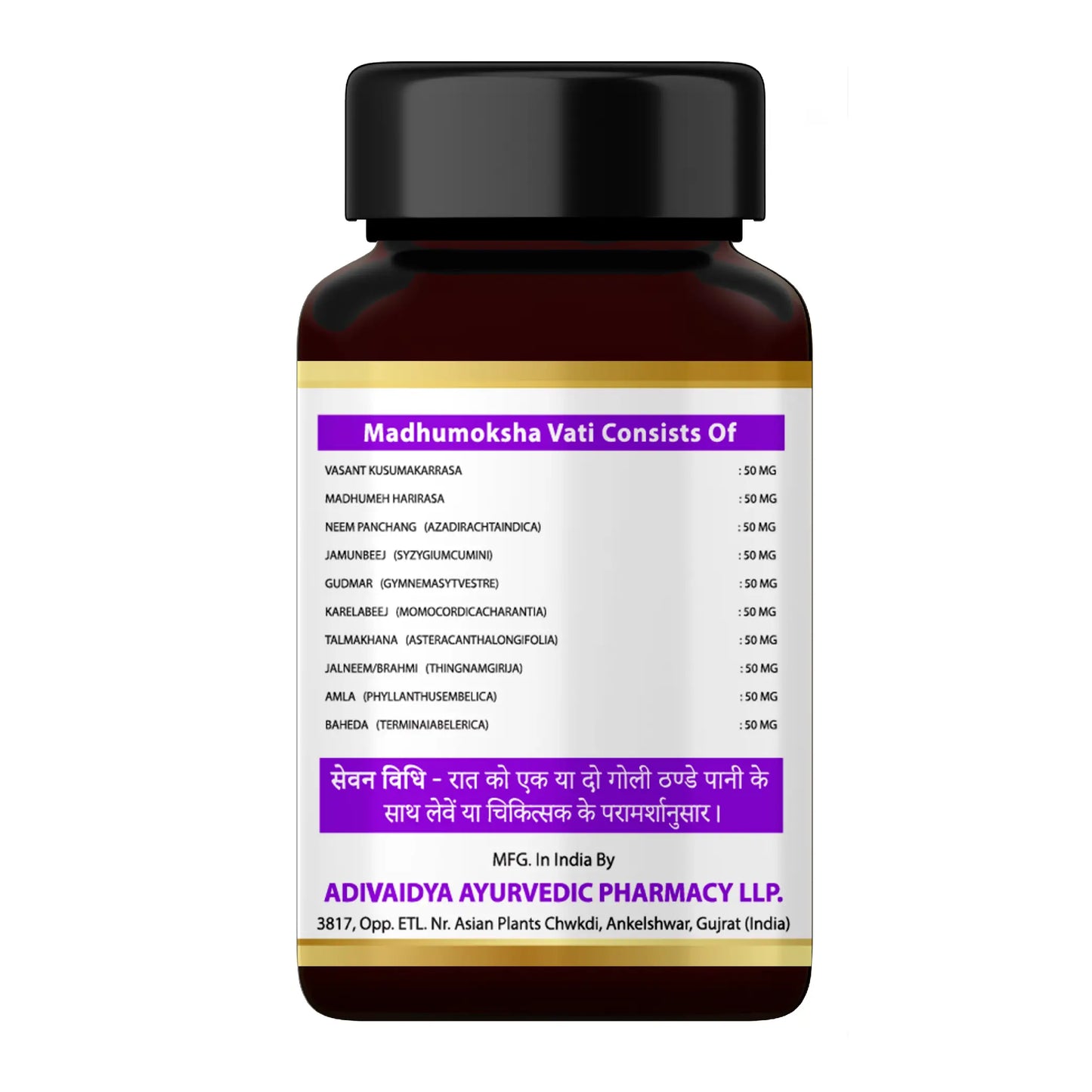
Look for transparent product information, clearly listed ingredients, appropriate labelling and reliable manufacturer details.

Ayurvedic Tablets for Diabetes
Ayurvedic tablets for diabetes are commonly chosen because they are convenient to store and carry.
Before using any tablet, check:
- Complete ingredient information
- Recommended usage
- Manufacturer details
- Batch and expiry information
- Storage instructions
- Any warnings or precautions
The phrase best ayurvedic tablets for diabetes does not mean that one product is necessarily best for every individual. Suitability depends on a person's health, medicines, nutritional needs and other factors.
What about Ayurvedic Syrup for Diabetes?
An ayurvedic syrup for diabetes may be preferred by people who find liquid formulations easier to take.
However, people with diabetes should pay close attention to the product label. Check whether the formulation contains added sugar, sweetening ingredients or other components that may be relevant to your dietary plan.
Therefore, choosing the best ayurvedic syrup for diabetes requires more than looking at advertisements. Ingredient transparency and professional guidance should be given greater importance.
Healthy Eating Is More Than Avoiding Sugar
Many people believe that diabetes management simply means avoiding sweets. Although limiting added sugar is important, overall diet quality matters too.
Other areas to consider include:
- Total carbohydrate intake
- Fibre
- Protein
- Healthy fats
- Portion sizes
- Processed foods
- Meal timing
- Overall calorie intake
A person can consume little added sugar but still have an unbalanced diet if most meals consist of highly refined carbohydrates and large portions.

Add Movement to Your Eating Routine
Healthy eating works best when combined with regular physical activity.
Walking, cycling, swimming, yoga, resistance exercises and other suitable activities can contribute to overall fitness and metabolic health.
For many people, adding movement after long periods of sitting is a realistic first step. Office workers can take short activity breaks instead of remaining seated continuously throughout the day.
People who are new to exercise or have diabetes-related complications should choose activities appropriate to their health status and seek professional advice when necessary.
Sleep and Stress Also Matter
Food and medicine receive most of the attention in diabetes discussions, but sleep and stress deserve consideration too.
An irregular sleep schedule can make healthy routines more difficult to maintain. Similarly, ongoing stress may affect eating behaviour, physical activity and adherence to treatment.
Try to establish:
- A consistent bedtime
- A regular wake-up time
- Relaxation periods during the day
- Reduced screen exposure before sleeping
- Simple stress-management practices such as breathing exercises or meditation
These habits support general well-being and can make a healthy lifestyle easier to sustain.
Conclusion
Ayurvedic Medicine for Diabetes and Healthy Eating Habits can be discussed together because long-term diabetes wellness involves much more than a single medicine or supplement. Ayurveda encourages attention to lifestyle, food and daily habits, while modern diabetes care provides essential monitoring and treatment.
If you are considering Diabetes Ayurvedic Medicine evaluate products carefully rather than relying on promotional claims. The strongest foundation remains a balanced diet, appropriate physical activity, sufficient sleep, stress management, regular monitoring and adherence to professional medical advice. Ayurvedic products, when considered appropriate by a qualified professional, can be approached as a complementary part of a broader wellness plan—not as a substitute for necessary diabetes treatment.